
How to treat and why do grape leaves have red leaves?
Content
Reasons
Grape leaves turn red for various reasons. A gardener's primary goal is to promptly identify the underlying cause of the spots so they can begin appropriate treatment. Reddish spots on grape leaves often appear after prolonged hot weather or sudden temperature fluctuations. Both negatively impact the plant's immune system, making it susceptible to disease.
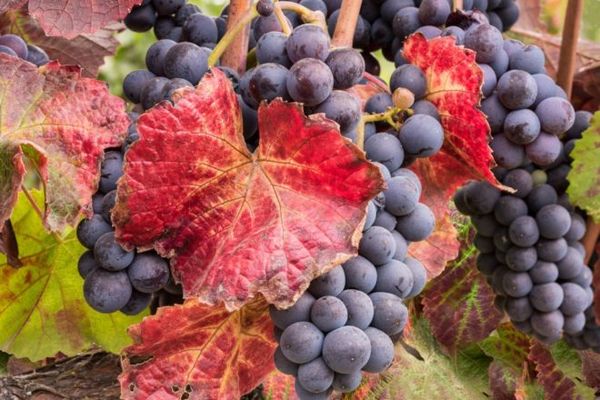
Non-infectious rubella
One of the reasons why red spots, followed by black ones, appear on grapes may be a deficiency of micronutrients in the soil, specifically phosphorus and potassium. Combined with the first night frosts or a sudden change in temperature, this can lead to the development of grape disease. The problem is impossible to miss: the leaves become covered with yellow spots, which soon turn red. If left untreated, the grape leaves curl, gradually dry out, and die.
What to do? In fact, overcoming the problem isn't all that difficult: first, apply any missing fertilizer, remove any damaged leaves, and tie up the vines to reduce the load on the main vine. Weeds around the grapes should also be removed promptly.
If nothing is done, the plant will most likely die. An emergency solution for saving the vine can be a solution of potassium nitrate (1%), which must be sprayed on the bush for 8 days.
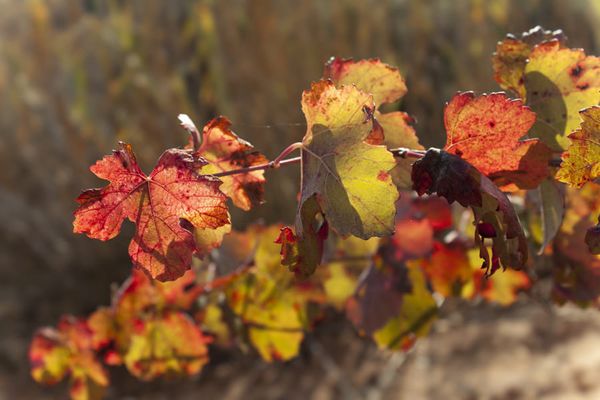
You can add fertilizers to the soil to replenish the lack of phosphorus, or use other suitable folk remedies.
Infectious rubella
The development of this type of grape leaf disease is caused by a fungal infection. The disease spreads rapidly, initially appearing on specific leaves but quickly infecting the vine and even neighboring plants. Initially, isolated lesions appear, affecting the plant's vascular system, resulting in a deficiency of vital nutrients.
On grape leaves, the disease manifests itself as brown or almost black spots surrounded by a yellow halo. As the infection progresses, the spots turn crimson, and then the leaves begin to curl and fall off. It's important to understand that the disease affects not only the foliage and vines but also the fruit: brown spots appear on the berries, which then fall from the bunches.
Why do grape leaves turn red? Where does the infection come from? The disease can be transmitted by insects or animals; it can manifest itself during a humid and warm summer.
How to treat the disease? Fungicides are excellent for this purpose.
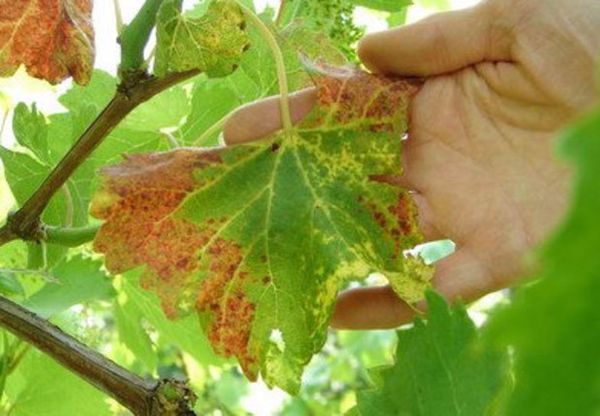
Cicadas
Another reason grape leaves turn red, curl, and fall off is the pesky cicadas. Initially, the spots will be very small, but by the time the insects begin laying eggs, the damage will spread to the entire leaf surface. As a result, the leaves turn brown, curl into tubes, and gradually fall off. Cicadas are dangerous not only because they curl and damage leaves; they can also transmit various dangerous diseases.
If these uninvited guests have appeared in your vineyard, you'll know right away: as soon as you approach a bush, tiny insects, very reminiscent of familiar grasshoppers, will hop off in all directions. Furthermore, egg-laying sites will be visible on the leaves.
Insecticides are used to combat the problem.
Other reasons
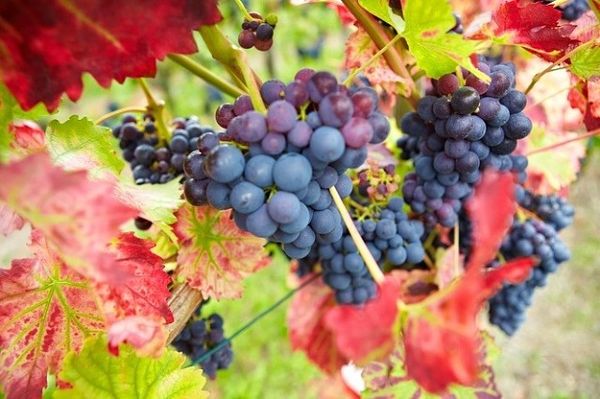
Another possible cause of leaf curl in vineyards is black spot. This disease is also a fungal disease and can only be treated with strong fungicides. When treating the vine, pay special attention to the lower branches and avoid leaving any untreated areas.
Solution to the problem
As a preventative measure, timely vineyard maintenance is recommended: regular inspections of the plants, maintaining proper moisture levels, removing weeds, and timely fertilizing. When planting, try to choose locations with ample sunlight, as grapes are sun-loving crops. If a problem is detected, take immediate action; otherwise, you risk losing not only the harvest but also the vineyard itself.
Video: "Spring Grape Processing"
This video will show you how to properly carry out the first treatment of grapes in the spring.