
How to use colloidal sulfur to treat grapes
Content
Description and mechanism of action
Colloidal sulfur is considered one of the most effective inorganic fungicides. The product is a gray-yellow powder, consisting primarily of sulfur, with only a small portion of excipients. Initially, the product was used to combat powdery mildew on cucumbers. However, subsequent use has shown that colloidal sulfur is suitable for spraying other crops to combat fungal diseases.
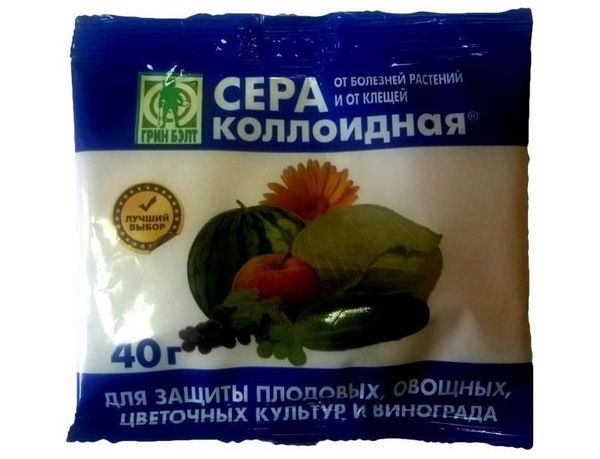
In horticulture, it is used, in particular, to treat grapes to treat and prevent fungal diseases to which the crop is susceptible, such as powdery mildew, oidium, and gray mold. Sulfur also helps stop the spread of mites by inhibiting their activity. The product's effectiveness is based on the vapor it emits. The vapor envelops the plant and inhibits fungal growth without penetrating plant tissue. The vapor molecules penetrate fungal spores and destroy them at the cellular level, preventing their reappearance.
Instructions for use
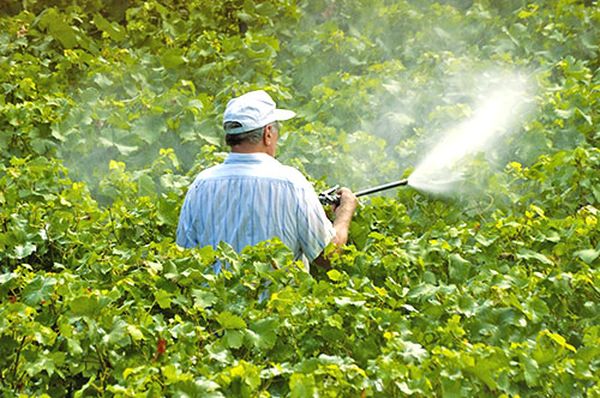
Using colloidal sulfur is straightforward, so the instructions are easy to follow, even for an inexperienced gardener. Apply the product to grapes by spraying. To do this, prepare a solution and spray it onto both sides of the plant's leaves. How do you dilute the powder? Pour the sulfur into a container and gradually add water, stirring until the mixture becomes uniform and fluid enough to form a suspension.
The diluted solution should be free of lumps of powder. To achieve this, dilute the powder with warm, but not hot, water. The solution should be used within the same day. It's also best to use sulfur separately from other medications, even though there are no contraindications. It's best to follow the instructions carefully and avoid taking any risks that could harm the plant. There is no need to dilute the powder by eye, as the correct dosage plays a decisive role. Thus, for prevention, the concentration of sulfur in the solution should be significantly less than for treatment.

The number of vineyard sprays and the duration of treatment depend on the severity of the infestation and are specified in the instructions. Preventative sulfur application should not be more than six times during the berry ripening period. Treatment should be stopped no later than 3-4 days before harvest.
As a preventative measure, grapes are treated during bud break; spraying while the bush is in bloom is strictly prohibited. The weather should be calm and clear, with temperatures between 20 and 35 degrees Celsius (68 and 95 degrees Fahrenheit). Low temperatures will prevent steam from forming, while too high temperatures can burn the leaves and berries. If the solution gets on the soil, it's not a problem: the sulfur will act as a fertilizer.
Precautionary measures
While using colloidal sulfur on grapes is beneficial, the health consequences can be quite severe, ranging from allergies to serious poisoning. Therefore, when working with the product, you will need personal protective equipment (PPE), preferably a rubberized suit. Protect your eyes and respiratory system with goggles and a respirator. It's also a good idea to cover your head.

During spraying, keep people and animals away from the affected area. Smoking, eating, and drinking are also prohibited while working with the solution. Afterward, wash your hands thoroughly with soap and rinse your nose and mouth with water. The solution should be stored in a separate container that will not be used for anything else. It is advisable to store it away from residential and utility areas.
The powder packaging also requires special disposal; it cannot be simply thrown into the trash or down the drain. The product itself should be stored in a dry, dark place with a temperature no higher than 30 degrees Celsius, out of the reach of children and animals.
The powder should not be heated or mixed with mineral or nitrogen-containing substances, otherwise it may ignite.
Pros and cons
Using sulfur on grapes undoubtedly has more advantages than disadvantages. The following advantages can be highlighted:
- sulfur has an active, intense and long-lasting effect;
- has an additional acaricidal effect;
- It can be combined with other fungicides and insecticides. However, some gardeners note that it is better to use sulfur alone;
- environmental safety: vapors envelop the plant but do not penetrate into the tissues;
- powder form allows for easy dosage control;
- loss of matter in the wind is practically excluded;
- does not pollute the soil, but on the contrary accelerates protein synthesis and serves as a kind of fertilizer;
- profitable and economical;
- equally good for both prevention and treatment.

The only downside is the inconvenience associated with the necessary protection during treatment. However, this is best, first and foremost, for the user. Although new-generation fungicides are available on the market today, many gardeners still prefer to use the proven, safe colloidal sulfur.
Of course, it's best to avoid frequent and excessive use of even the safest products. Therefore, we recommend treating your grapes prophylactically to prevent the possibility of fungal infections and parasites.
Video: Spraying Grapes with Colloidal Sulfur
This video will show you how and when to spray grapes with colloidal sulfur.