
The main types of fungicides for treating grapes
Content
Types of fungicides
Fungicides for grapes are classified as systemic, contact, and combination. All are harmless to the vineyard itself, yet they kill harmful fungi.
Systemic
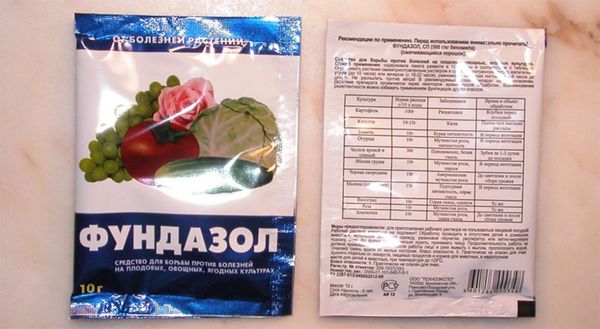
Spraying with a systemic fungicide helps combat the disease from within: the active ingredients, when applied to the plant, penetrate and are carried by the plant's sap throughout the plant. They can either destroy the mycelium itself by disrupting its cells (like Fundazol), or regulate the plant's metabolism, leading to the death of the pathogen.
Antifungal drugs in this group require 2 to 6 hours to be fully absorbed. If rain falls afterward, it will not reduce the effectiveness of the treatment. The fungicide continues to protect the bush for 2-3 weeks after spraying (including any new growth that appears after treatment).
The disadvantage of this type is that fungi quickly develop immunity to it. Experts recommend using systemic medications of the same chemical group no more than twice per season. If necessary, contact medications can be used.
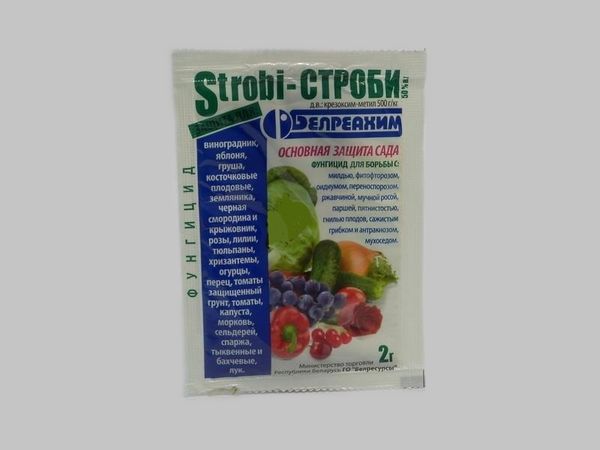
Popular systemic fungicides include Falcon, Fundazol, Strobi, and Topaz. Please note that each product has its own unique properties. For example, Falcon is most effective against powdery mildew.
Fundazol effectively combats a wide range of diseases, including powdery mildew, scab, and snow mold. Fundazol is also used for root rot.
Contact
Contact fungal control products remain on the surface after spraying, forming a kind of coating. Upon contact, pathogenic fungal spores are killed. Fungi rarely develop immunity to these types of products.
On average, the effectiveness of contact pesticides lasts no more than 10–12 days (barring rain). High temperatures can also reduce or negate their effectiveness. These products are incapable of destroying the mycelium, so they are applied to the plant only after all infected parts have been removed.
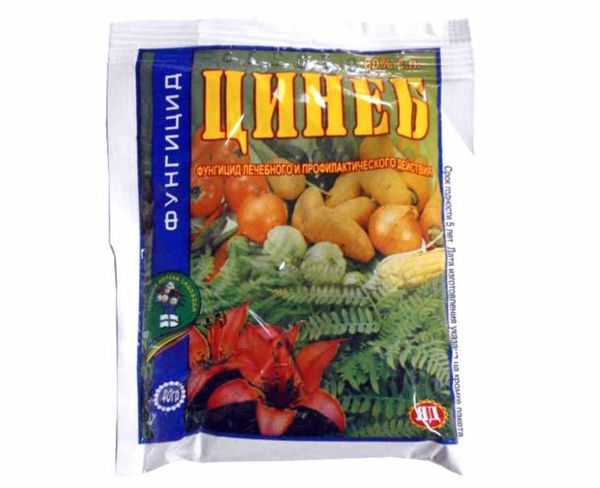
Contact fungicides include Zineb, Hom, Folpan and others.
Copper oxychloride is included in a number of products (for example, "Hom"), but can also be used alone. To use, simply dilute it with water according to the instructions. Spraying with copper oxychloride is carried out at temperatures between 20 and 27°C. Three to six applications are allowed per season.
For "Folpan," the instructions recommend a maximum of four treatments per season. This product combines well with other fungicides, including systemic ones.
Poliram is a fungicide for preventative use only. It should not be used in conjunction with acidic substances. If you plan to use pesticides simultaneously, check their compatibility beforehand.
"Hom" is an alternative to Bordeaux mixture. It reliably protects plants from various infections, but is not very effective in treating them. "Hom" is slightly toxic to beneficial insects. "Hom" should not be used during flowering.
Combined
Combination products containing both systemic and contact agents are often used to treat grapes for diseases. This makes them reliable protection against infection, including secondary infections.
- The combined fungicide "Mikal" is used for both the prevention and treatment of fungal infections. It should be used no later than 2-3 days after fungus is detected on grapes. The fungicides "Thanos" and "Ordan" have similar properties.
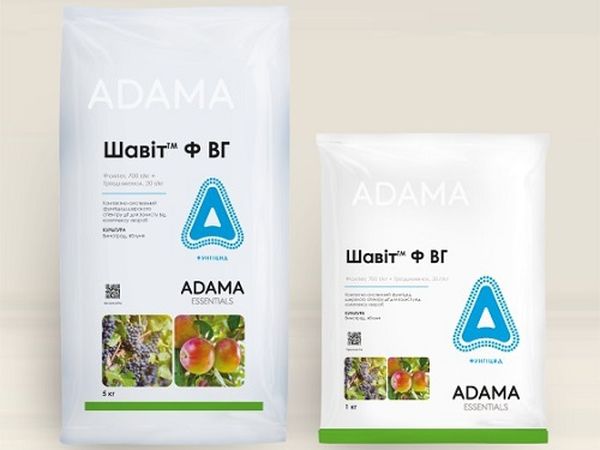
- Shavit is a broad-spectrum fungicide. It effectively combats powdery mildew, downy mildew, gray mold, and fungal infections. However, Shavit is highly toxic and requires strict safety precautions.
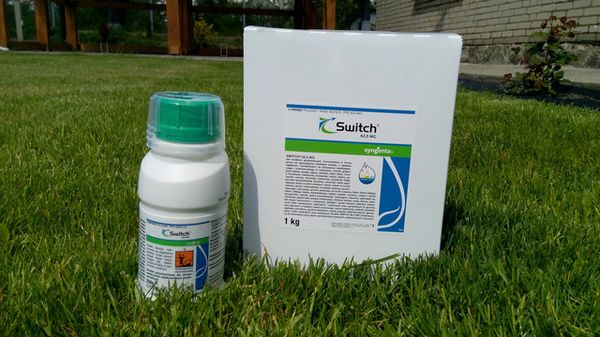
- "Switch" is a fungicide with low toxicity to humans. Its protective effect lasts up to three weeks.
- Flint kills fungi by disrupting the respiration process in their cells. Three treatments per season are allowed. For powdery mildew and black rot, it is recommended to use Flint at a rate of 1.5 g per 10 liters. If the vineyard is affected by rubella, mildew, or phomopsis, Flint is diluted at a rate of 3 g per 10 liters of water.
The average interval between Flint treatments is 8–14 days. Like other combination products, Flint is suitable for both prevention and treatment.
When and how to apply
Grapevine pest and disease control is carried out in several stages. First, before bud formation, then before and after flowering, and finally, during the initial phase of cluster growth.
Spray the bush from top to bottom. The product (especially the contact type) should be applied to both sides of the leaves. You can spray the grapes in the evening or early morning to prevent sunburn. This should be done in dry, windless weather. The leaves should not be wet.
In addition to spraying, don't forget about other preventative measures: sanitary pruning, proper vine tying, and timely fertilizing. For example, boric acid is especially beneficial for grapes during the budding and flowering periods.
Precautionary measures
Spraying grapes against diseases and pests should be done according to the instructions. Do not alter the stated dosage, otherwise the product will either be ineffective or cause severe burns to the plant. High concentrations are also dangerous to humans.
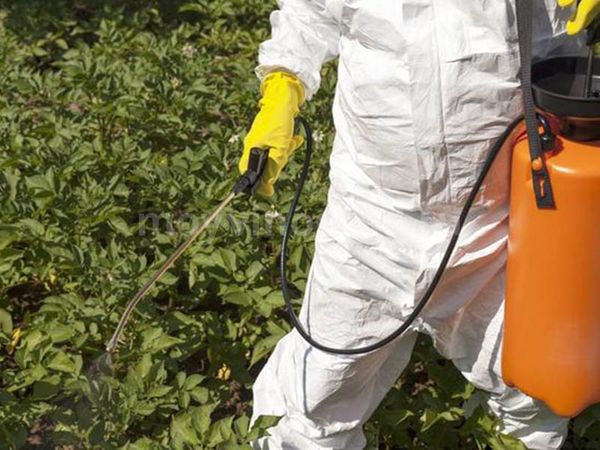
Any product—whether Fundazol, Hom, or copper oxychloride—is dangerous to some degree. For each product, research its toxicity levels for humans, other living organisms, and plants themselves. For example, if a product is dangerous to fish, it should not be used near bodies of water. If it is toxic to insects, there is a risk of losing bees or pollinators. Furthermore, the mass death of ladybugs or lacewings can trigger an active aphid proliferation.
Biopreparations for grapes are a gentler and more ecosystem-friendly method of control. Biofungicides such as Ampelomycin, Mikosan, Alirin-B, Albit, and others are effective against fungus.
Check different medications for compatibility with each other.
When spraying the bush with fungicidal agents, be sure to wear a respirator, goggles, gloves, and protective overalls. All clothing should be washed after the procedure. Keep children and animals away during spraying. Do not use any agent near a drinking water source!
Video: "Combating the Main Disease of Grapes – Mildew"
In this video, a specialist will explain what mildew is and how to cure grapes of this disease.