
What to do and why are grape leaves turning yellow and drying out?
Content
Main reasons
Grapes are very demanding and heat-loving plants; they require plenty of sun, but they also thrive on moisture. Insufficient watering, which can lead to dryness even in the top layer of soil, immediately affects the leaves and is the most common reason why grape leaves dry out. If the plant isn't watered regularly, the small roots dry out, nutrients stop reaching the stems, and the plant begins to wither.
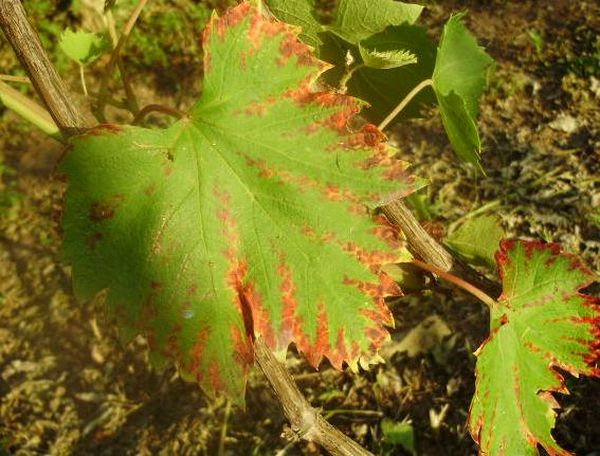
Another reason for yellowing leaves may be a lack of sunlight. If the vineyard is shaded or the weather is cloudy for a long time, you should be prepared for the leaves to gradually begin to turn yellow. The vine also does not tolerate cold, high humidity and temperature fluctuations.
Under such conditions, the plant stops developing normally, the leaves turn yellow and dry out, and become covered with a coating. These are the most common causes that can be eliminated with proper care. However, there are more serious causes of leaf drying on grapes that require immediate intervention from the gardener. These will be discussed later in the article.
Diseases
Whatever disease afflicts the vine, its first symptoms usually include yellowing and dying leaves. This is due to the plant's general weakening and desire to conserve its energy. The following diseases can cause yellowing and leaf loss:
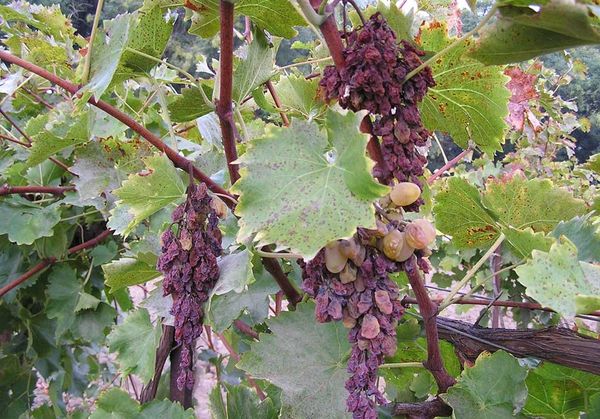
- Verticillium wilt. A fungal disease that initially attacks the root system. Damaged roots are unable to transport nutrients, causing the leaves to turn lighter, dry out at the edges, and wilt. Within 2-3 years, an infected vineyard can completely die.
- Mildew is one of the most dangerous fungi for grapes. It appears as light spots on the upper surface of the leaf and a white or brown coating underneath. The fungal spores are quickly transferred to the berries: green bunches wilt and can dry out, while ripe ones simply rot.
- Chlorosis (a disorder of chlorophyll formation) most often develops in carbonate soils, where the absorption of nutrients, including iron, is impaired. Affected leaves appear light-colored and fall en masse. If chlorosis is not treated promptly, young vines will stop growing, and the grapes will develop an unpleasant flavor.
- Gray mold is another fungal disease that explains why grapes dry out. The fungus thrives in hot environments, so it's active from spring until harvest. The rot can damage all parts of the vine. It manifests itself as a gray, fluffy coating and leaf drop. Infected berries rot.
Dangerous pests
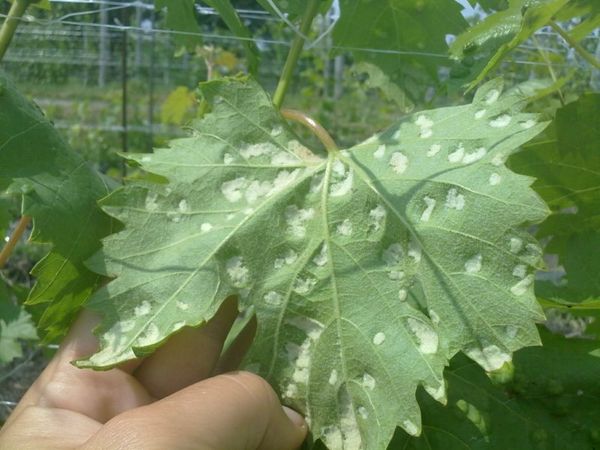
Spider mites, aphids and other microscopic pests cause significant damage to grapes.
They are located on the underside of the leaf, so they are not always noticeable. They feed on leaf sap, causing the leaves to become thin and dry. Spider mites can be identified by the fine webbing along the petiole, a sticky coating, and reddish spots on the leaves. If these symptoms are detected, the vineyard should be treated with acaricides. To avoid resorting to such drastic measures, regularly inspect the shrubs.
Lack of fertilizers
When growing grapes in poor soils, gardeners often encounter mineral deficiencies. However, this deficiency can also occur in fertile soils, especially when the vineyard is older and fertilizers are applied inconsistently. The main reason grape leaves dry out and lose their original color is nitrogen deficiency.
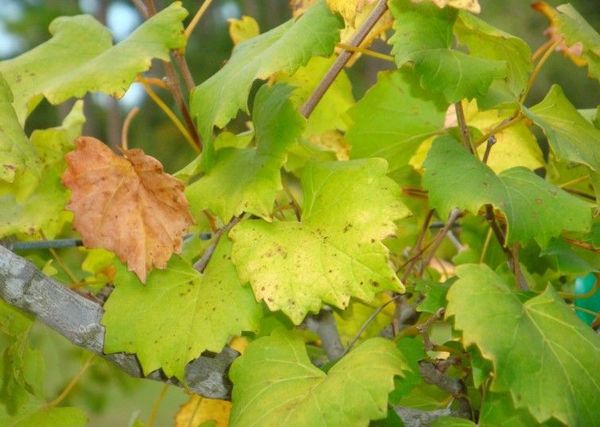
Deficiencies of certain micronutrients also cause leaf discoloration. If the soil is deficient in boron or magnesium, the interveinal areas of the leaf blade turn yellow, then brown, and dry out. The veins, however, remain green. A dry margin along the leaf edges indicates a potassium deficiency.
Treatment and prevention
Planting in the right location can help avoid many problems in grape growing. A well-lit, well-ventilated vineyard, located at an elevated site, or facing south will immediately increase yield and disease resistance. It's also worth considering the climate of your region and planting varieties that are less demanding and resistant to cold and disease.
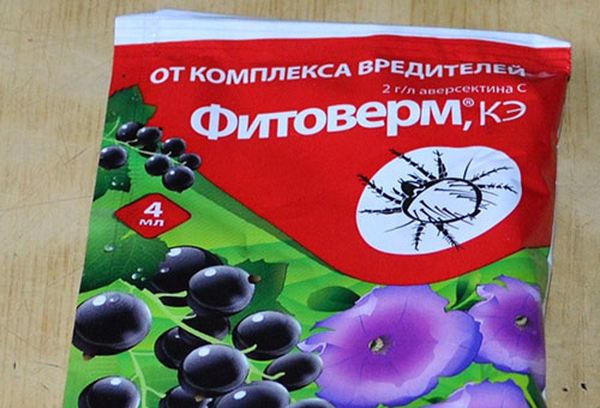
If the disease has already manifested itself on the vines and leaves, treatment should be immediate. Any fungal disease can be treated with copper-containing fungicides or antifungal agents. A soda solution (80 g/10 l of water) is effective against gray mold in the early stages. Biopreparations such as Gaupsin and Fitoverm will provide comprehensive protection for the vineyard from pests and diseases.
Proper care and preventative measures have a beneficial effect on the health of the vineyard. Regular loosening of the soil, especially after watering, will improve air circulation and prevent water stagnation. This will reduce the likelihood of fungal diseases.
In spring, vines should be sprayed with Bordeaux mixture (1%)—this is an effective preventative measure against various diseases. In the fall, thoroughly remove and burn plant debris, which will also destroy fungal spores. To avoid missing anything, regularly inspect the vines. Then you won't have to puzzle over why your grape leaves are drying out, what to do about it, and how to treat this dangerous disease.
Video: "What to do if grape leaves turn yellow"
This video will show you how to combat yellowing of grape leaves.