
Features of agricultural technology for frost-resistant and productive Victoria grapes
Content
History and description of the Victoria variety
Russian breeders developed this hybrid variety by crossing such varieties as Vitis Vinifera, Save Vilar, and Vitis Amurensis.
Botanical portrait
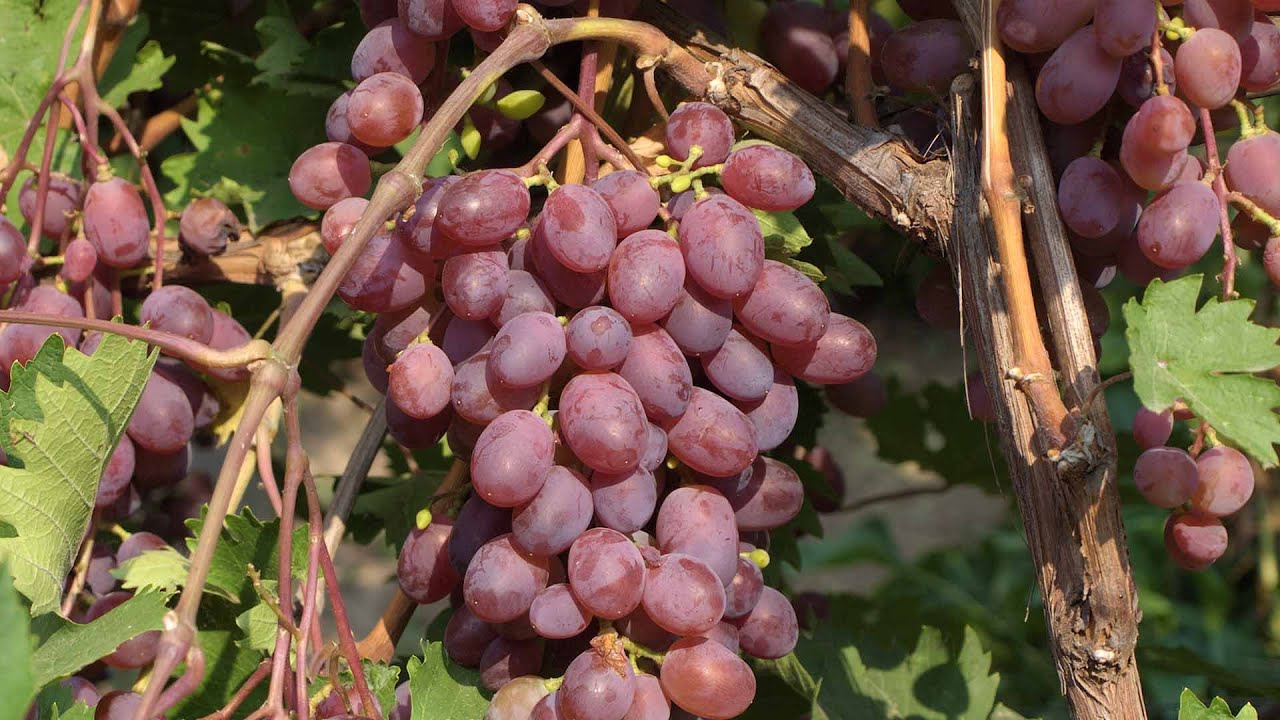
The grapevine is medium-sized and has an attractive, decorative appearance. The dark green, five-fingered leaves with medium-deep veins are very fragile to the touch, reminiscent of velvet. The juicy, conical bunches typically weigh 500 grams, but can sometimes reach even greater weight. This variety produces fruit densely: approximately 80% of the shoots produce fruit, indicating a high yield, which begins within a year or two after planting. The growing season lasts 100-120 days, so the harvest begins in late August.
Characteristics of berries
Victoria grape clusters are typically medium-dense. The large, pink and raspberry-red fruits are oval in shape and weigh 6-7 g. The pulp, wrapped in a thin skin, has a distinctive muscat flavor and inimitable aroma, unlike other varieties. Its flavor and attractive appearance have earned Victoria a leading position among other popular varieties. The fruit's sugar content is approximately 18%, and its acidity is 5.5 g/l.
Productivity and scope of application
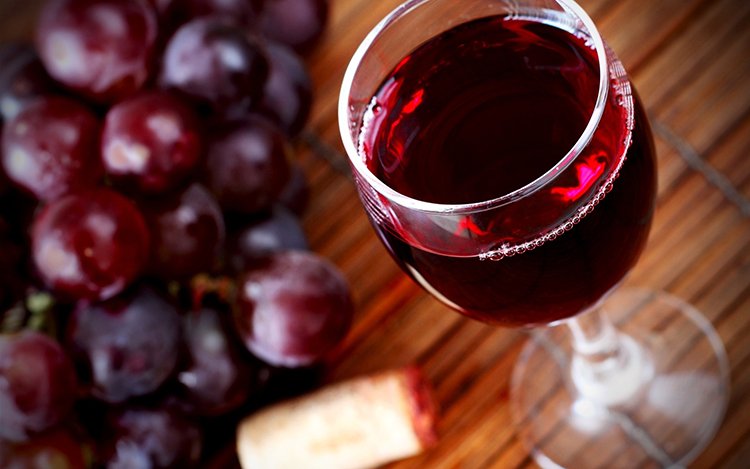
Due to the dense fruiting, the yield of this variety is high and the bush is often overloaded with fruits. In addition to being eaten raw, the berries, due to their high sugar content, are used in winemaking. The amount of sugar determines the strength of the final drink. The sweeter the berries, the stronger the wine will be.
The resulting aromatic drink is aged for at least one year after bottling. The wine acquires a rich red hue, and its strength allows for enjoyment even during tasting.
Advantages and disadvantages of the variety
Victoria's high yield is not the only advantage of this variety.
- frost resistance, but when the temperature drops to -25 °C, it is recommended to cover the vine;
- increasing yields with proper care;
- the variety is resistant to diseases;
- the shoots ripen well and most of them bear fruit;
- the culture easily adapts to any conditions;
- The cuttings always take root well.
- the majority of flowers are female, and this requires mandatory pollination (for this purpose, other varieties with a corresponding flowering period are planted next to Victoria);
- high yield overloads the bush, which leads to a gradual decrease in the size of the fruits;
- the need to regulate yields in order to avoid overloading the bush;
- The sweetness of the fruits attracts wasps, which damage the crop.
Video: "Early Ripening Grapes Victoria"
This video presents the characteristics of fruit and berry crops.
Features of growing the Victoria variety
This grape, like most varieties, is characterized by early fruiting. It requires special care during the first 3-4 years.
Landing time
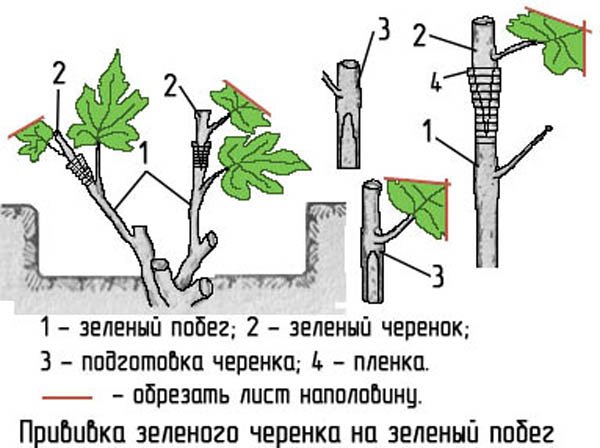
Victoria lilies are planted either by cuttings or grafting. The former produces a pure cultivar, while grafting onto mature rootstock produces a high-yielding, fast-growing variety.
In spring, planting begins in late March, and seedlings will take root well even if planted in the first month of summer. It's important to complete fall planting by mid-October.
Victoria grapes are planted in the fall only in southern regions. For temperate climates, spring or summer is recommended.
Selection of site and soil
For planting, choose a site protected from cold winds and well-lit by sunlight. Shade can negatively impact grape fruiting.
The soil must be fertile. Soil quality is improved by using organic and mineral fertilizers, which are applied a year before planting. The groundwater level should be above 2 meters above the ground.
Rooting a seedling
Victoria cuttings thrive in any conditions. They are soaked before planting, and drainage is provided in the planting holes. This variety doesn't require abundant watering or excessive fertilization.
Further care
Careful attention should be given to seedlings during the first years of growth. To do this:
- systematically loosen the soil, remove weeds, regularly water and mulch the top layer of soil;
- sanitary pruning is carried out either in the spring, before the sap begins to flow, or in late autumn, after the leaves have fallen;
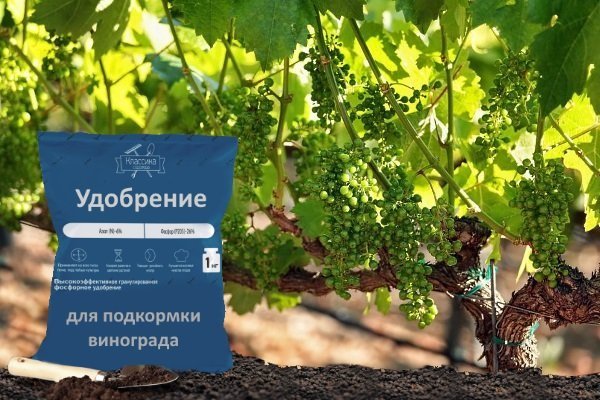
- After flowering, the grapes are fed, and the next application of fertilizers is carried out no earlier than the end of August or the beginning of September.
Watering Victoria requires careful consideration, as the fruits of this variety are prone to cracking. During the ripening period, the bush should be given minimal moisture. During the rest of the year, monitor the weather and stop watering if there is heavy rainfall.
When pruning, the lower clusters are removed, and to avoid overloading the vines, about 30 fruit-bearing buds are left. No more than two clusters are formed on each shoot, which prevents the fruit from shrinking.
Wintering rules
For the first 3-4 years, young plants are covered to withstand frosts without harm. Fallen leaves or non-woven material can be used for this purpose. The variety's winter hardiness means mature shrubs don't need to be covered for the winter, but in temperate and northern latitudes, plants are protected from frost regardless of age.
Pests and diseases
Like all grape varieties, Victoria is susceptible to fungal diseases such as powdery mildew and rot. It also often suffers from chlorosis. These diseases are caused by overwatering or improper pruning. They appear as a white, foliar coating with an unpleasant odor. Chlorosis is manifested by wilting and yellowing of the foliage. Fungal diseases are treated with fungicides such as Topaz or Falcon. Chlorophyll deficiency is treated with iron-containing products. Most often, gardeners use copper sulfate.
The main pests of Victoria berries are wasps. The thin skin of the fruit and the abundance of sugar in the pulp make the harvest vulnerable to these aggressive insects.
-
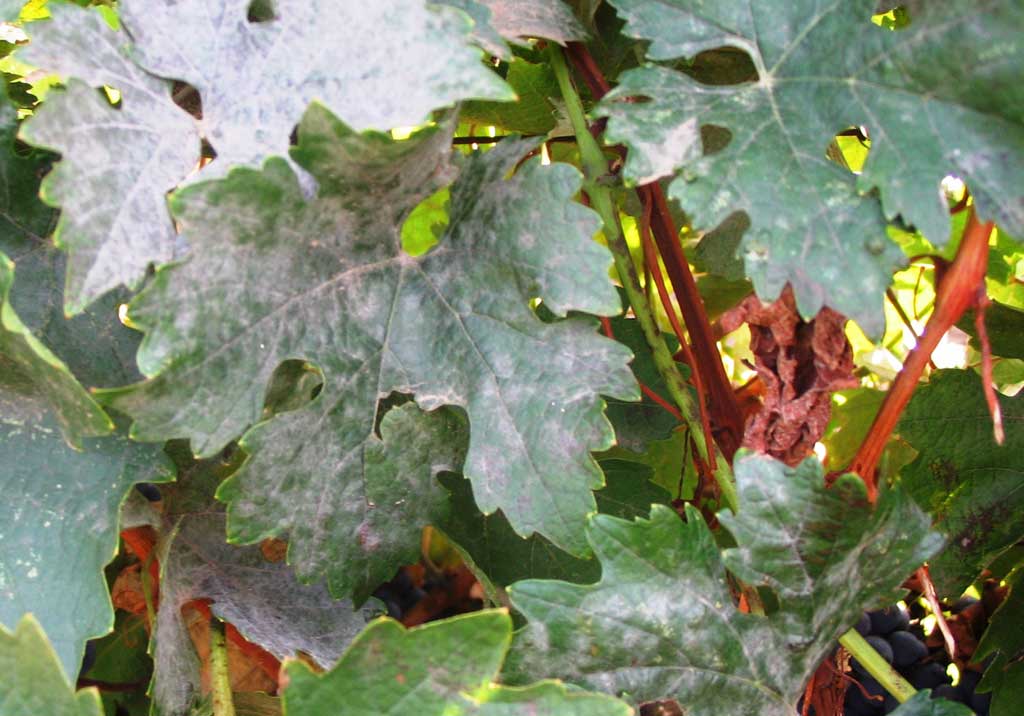
- Powdery mildew
-
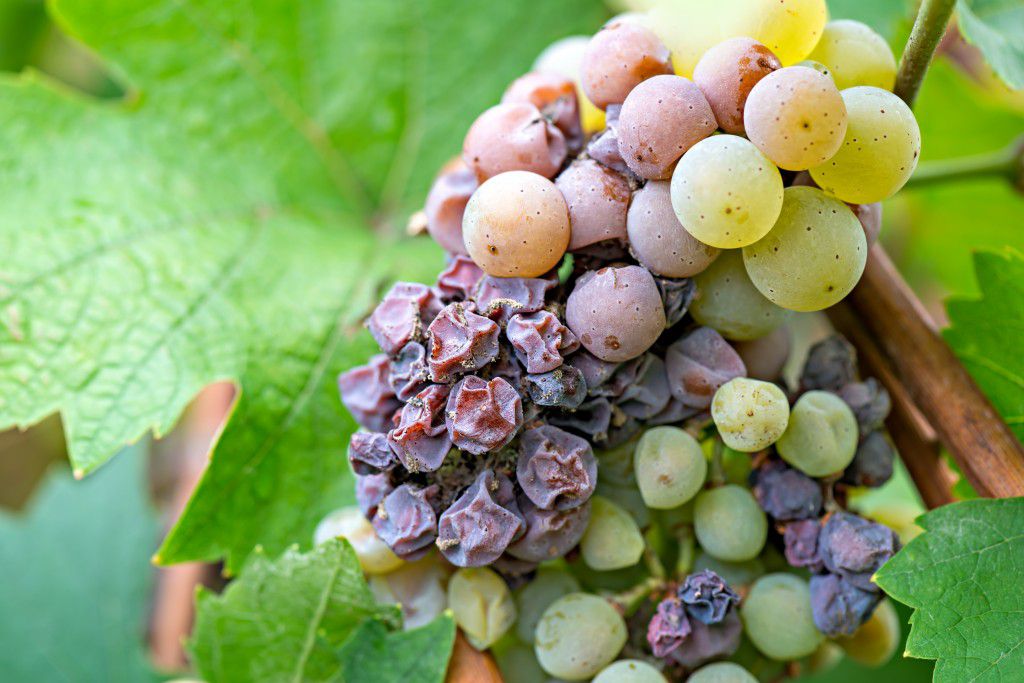
- Gray mold
-
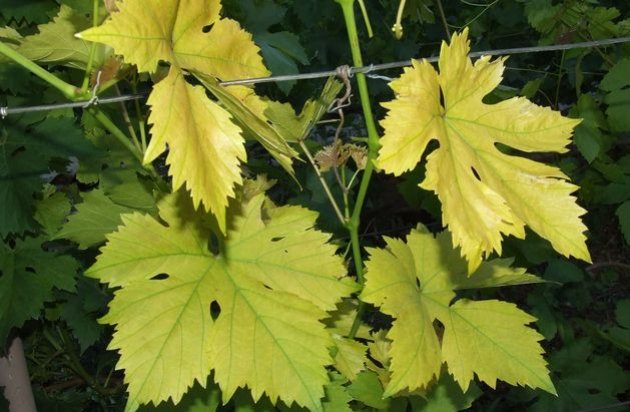
- Chlorosis
Gardeners' reviews:
I bought seedlings four years ago, and they took root well. I was able to try them the following year. Every year I reap a bountiful harvest and share it with everyone. Last summer, there was a lot of rain, which caused a white coating to appear on the leaves. I treated them with special preparations, and the white spots gradually disappeared. This year, everything is fine.
I bought seedlings two years ago, and by the second year I was already harvesting. I cover them for the winter and fertilize them in the spring and fall. I'm very happy: the bunches are large, and the fruits are delicious.
After studying the detailed description of the specifics of agricultural care and cultivation of this popular frost-resistant grape variety, every gardener, even a beginner, can plant Victoria grapes in their garden and reap a rewarding harvest. The abundance of vitamins and beneficial microelements in grapes makes them among the healthiest fruits you can grow in your garden. When growing this crop in northern regions, it's important to remember to cover the bush for the winter, despite this variety's frost resistance.