
Advantages of Victor grapes and the peculiarities of their cultivation
Content
Features of selection
Viktor is a relatively new hybrid. Its creator is V. N. Kraynov, after whom the variety is named. To create a high-yielding, winter-hardy specimen, the amateur breeder crossed Talisman with Kishmish Luchisty. While the grape has not yet been included in the State Register, it has already earned the "premium class" title.
Description and characteristics of the variety
Since this hybrid variety was recently developed, its characteristics have not yet been fully studied. We will discuss the general description of the grape, as well as its commercial qualities, below.
Appearance of the bush
This table hybrid is distinguished by a tall bush with strong, branched shoots. The vine matures to two-thirds maturity in a relatively short period of time, and flowering begins in early summer. Victor has bisexual flowers, making it self-pollinating. The variety is immune to gray mold, mildew, and oidium.
Description of brushes and fruits
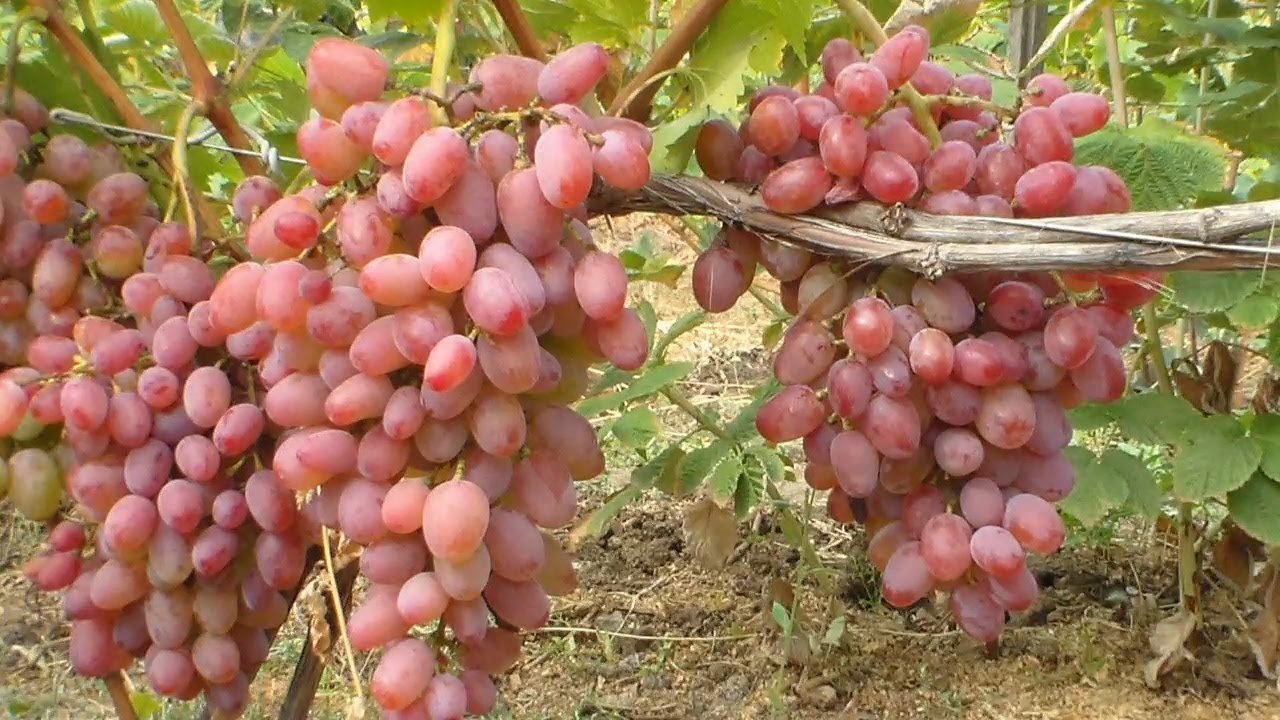
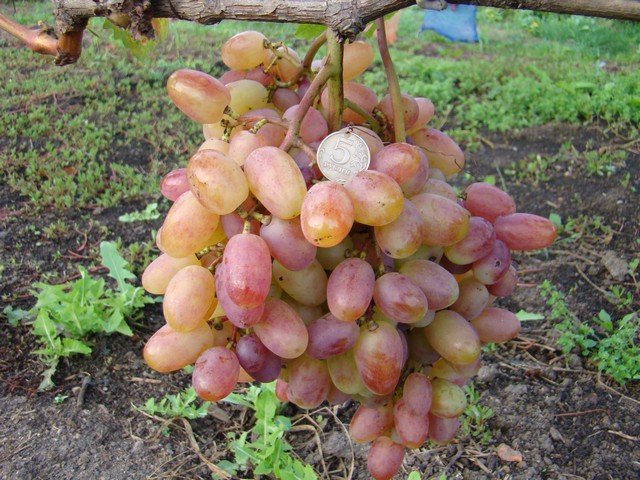
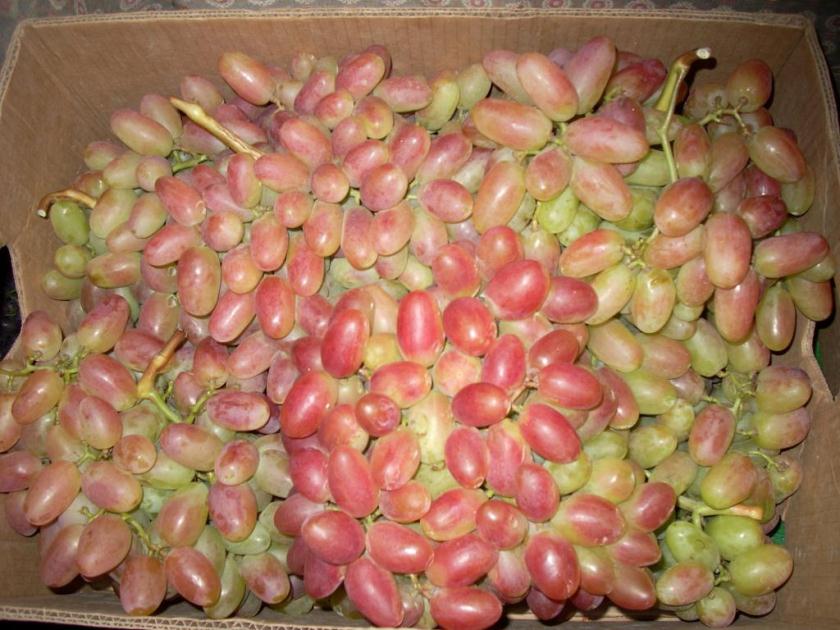
The grape variety developed by Kraynov, according to many winegrowers, resembles the Sympathy variety in appearance. Large, cone-shaped clusters weigh between 0.5 and 2 kg. The berries are elongated, finger-shaped, 4-6 cm long and weigh 16-20 g. The berries are not densely packed and ripen simultaneously. The juicy, crisp flesh is covered with a medium-thick skin of pink with red or purple hues.
Harvesting and use of crops
Viktor ripens in 100-110 days, and the first bunches begin to be harvested in the first ten days of August. One bush yields 6 to 7 kg. The berries have a well-balanced dessert flavor with a subtle muscat note. Sugar content is 17%, and acidity remains at 8 g/l.
Grapes are versatile and can be eaten fresh, used to make juices, wine, jams and raisins.
Winter hardiness and drought resistance
The variety inherited its parent pair's good winter hardiness and ability to quickly adapt to changing environmental conditions. Without additional cover, the grapes can withstand temperatures ranging from -22°C to -25°C. The hybrid also thrives in arid southern regions. Thanks to its well-developed, powerful root system, the vine doesn't suffer from lack of moisture, drawing it from the lower soil layers.
Advantages and disadvantages of the variety
Kraynov's hybrid variety has many advantages over other varieties. However, despite its many advantages, Viktor has a couple of drawbacks.
- harmonious dessert taste;
- self-pollination;
- high, stable performance;
- good shelf life;
- possibility of long-distance transportation;
- absence of pea-sized berries;
- very early ripening period;
- easy adaptation;
- rapid growth and almost one hundred percent ripening of the vine;
- unpretentiousness;
- winter hardiness;
- increased immunity to fungal diseases;
- external aesthetics.
- Due to the high sugar content, the berries become attractive to wasps;
- Early flowering increases the risk of damage to the ovaries during spring frosts.
Video "Introduction to Victor Grapes"
This video presents the varietal characteristics of the crop.
General rules for planting and care
Victor does not differ in planting features from other varieties; general agricultural practices apply here.
Recommended timeframes
Experienced winegrowers recommend planting this variety in the spring. The ideal time is the second ten days of April, when the soil has warmed sufficiently and the outside temperature is consistently above zero. The exception is southern regions with warm winters, where the hybrid can be planted in late fall.
Selecting a location and planting material
Grapes thrive in sunny, wind-free areas. They don't like being near other fruit or berry crops or buildings, as they have a strong root system and vigorous vine growth.
The optimal place for planting is the southern or southwestern side of the garden on a slight elevation.
To ensure easy establishment, seedlings must be healthy. Winegrowers recommend choosing leafy cuttings with woody stems, a developed root system, and 3-6 buds.
Methods of planting and propagation
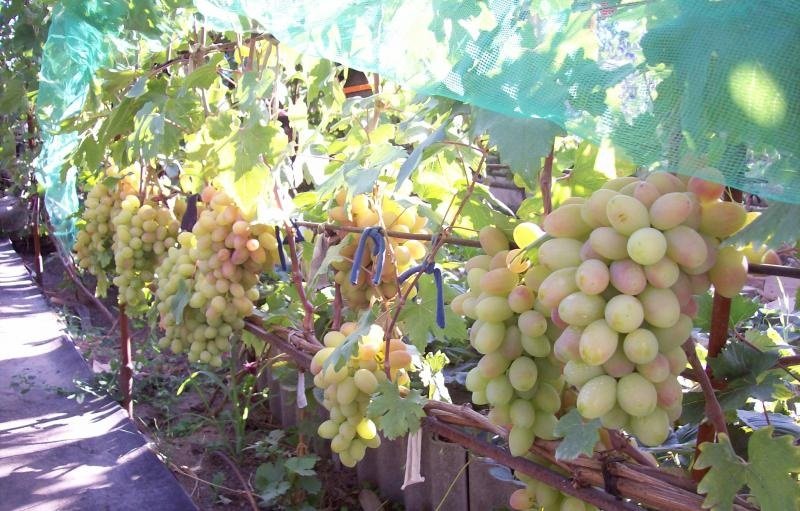
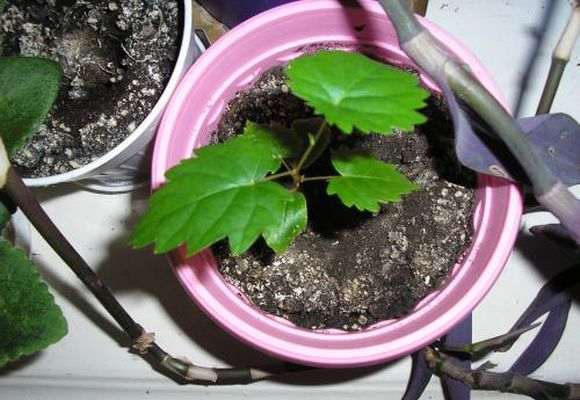
Seedlings are most often used for propagation. Two to three weeks before planting, dig holes 80 cm deep, spaced 3 to 5 meters apart. Fertilizer is placed at the bottom and covered with soil. After planting the young plant, the soil around it is firmly compacted, moistened, and mulched. Then, a trellis is installed to which the vines are tied.
A hybrid is often grafted onto a rootstock. In the fall, the cuttings are carefully cut from the donor bush at the level of 2-3 buds. The cuts are treated with paraffin and stored in a cool, dark place. The scions are grafted in the spring, rooting them into a cleft in the main vine.
Sometimes grapes are propagated by layering. To do this, dig a shallow trench (30-35 cm) and place the selected vine in it. The end of the vine is left exposed, covering the rest with soil. The layer is secured to a support, regularly watered, and once a root system has formed, it is separated from the mother vine.
Some winegrowers grow grapes from seeds. This method is reliable, but very time-consuming, so it's less common.
Watering and fertilizing schedule
The Kraynov hybrid requires regular watering. Before flowering, water once a week. After 30 days, double the interval between treatments, and stop watering completely 3-4 weeks before harvest.
Fertilize the plant several times per season. The first application is in the spring, followed by the next in the summer. For this, use wood ash, cow manure, and superphosphate. The mixture is diluted with water and then poured under the bush. The final application is done in late fall, using compost or humus.
Pruning grapes
The vine can be pruned in two ways:
- short (leaving 3-4 eyes);
- long (8-10 buds).
In total, no more than 35 buds should remain on a single vine. Shoots that have not formed clusters and excess side shoots are completely removed. During growth, monitor the height of the grapes—it should not exceed 1.7 m.
Preparing crops for winter
The algorithm for preparing a hybrid for winter is simple:
- Before the cold weather, the bush is fed with organic matter.
- Trimming is performed.
- The vine is carefully placed in a horizontal position, covered with covering material on top.
-
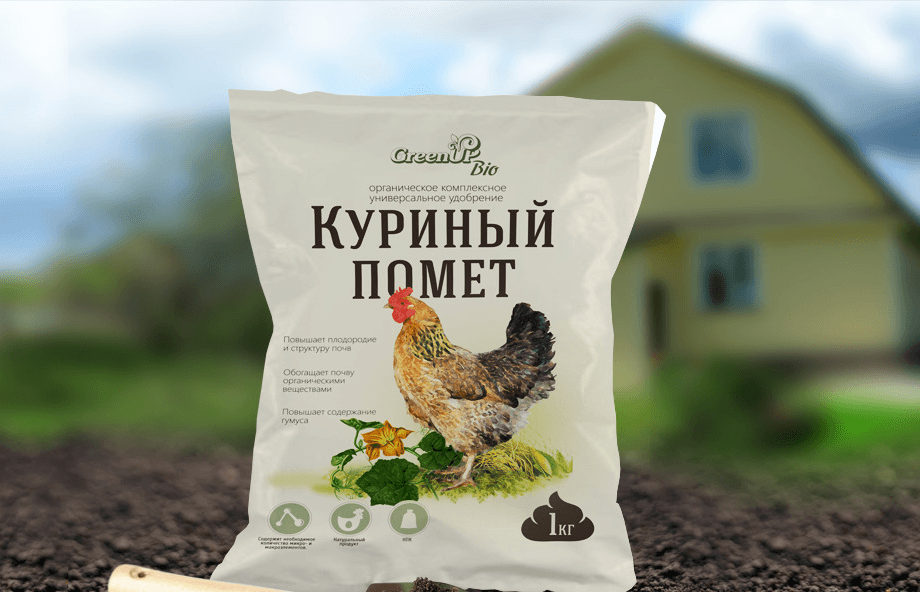
- Organic fertilizing
-
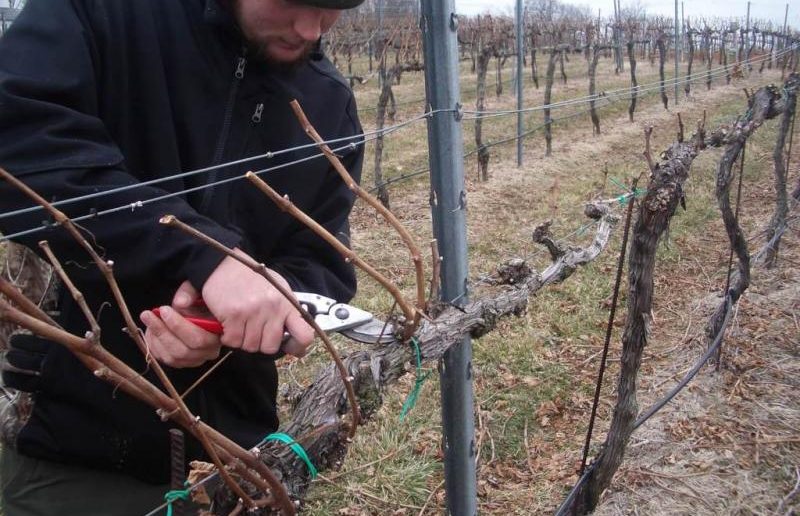
- Pruning grape vines
-
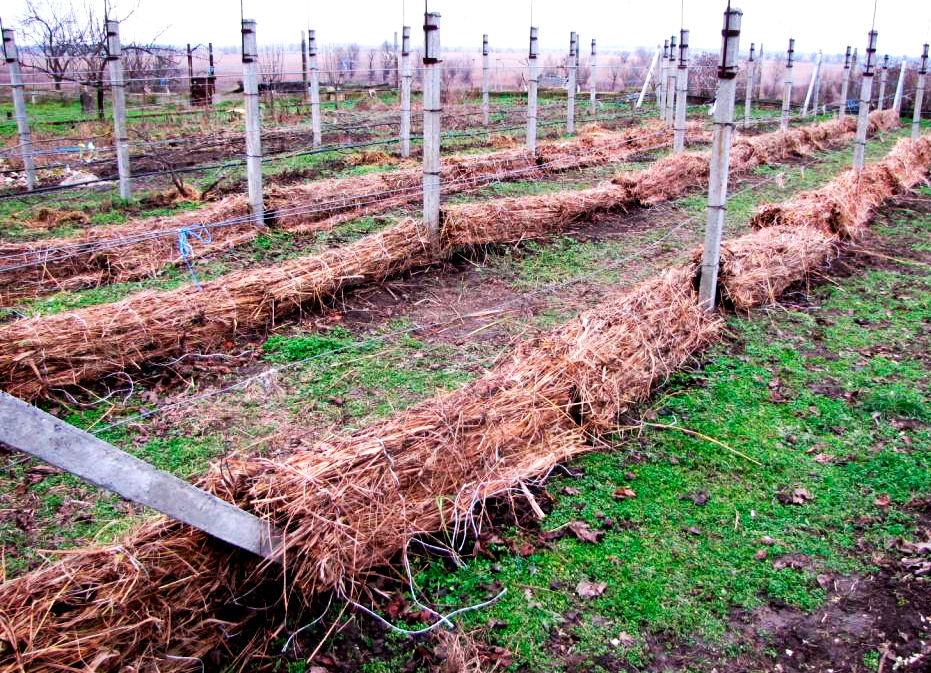
- Shelter for the winter
Prevention and protection from diseases and pests
Despite their high immunity to fungal infections, some winegrowers recommend treating the bushes with a fungicide once a season. Spraying with insecticides or acaricides will help against pests.
Wasps pose the greatest threat to crops. Candy traps, nets, or sticky tape are used to control them.
Gardeners' reviews of the variety
I've been growing Victor grapes for a long time now and have never regretted choosing this variety. The yield is consistent, the bunches are large, and the grapes themselves are delicious. The only problem is wasps, but sugar traps help keep them away.
Two years ago, I planted a seedling just for fun. This summer, I harvested my first crop—almost 4 kg from a single plant. I liked the variety's low maintenance and its resistance to fungus. Now I'm thinking about buying a few more plants.
Reviews of Viktor indicate that the variety's premium status is well-deserved. Despite its low maintenance, this hybrid boasts excellent commercial qualities and a superb dessert flavor.