
A review and cultivation features of the best table grape varieties
Content
Description and purpose of table varieties
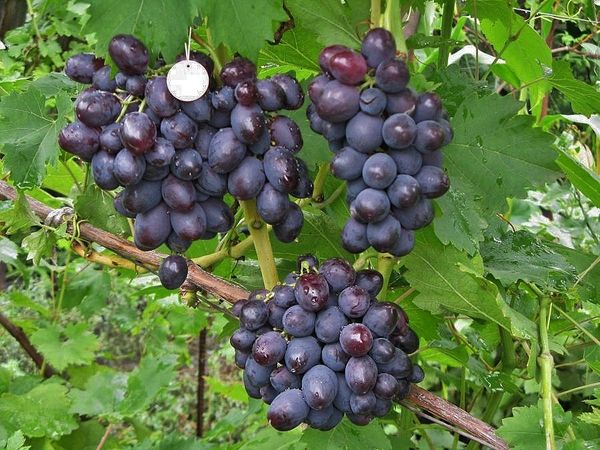
The best table grapes are intended to be eaten without any processing. They are typically served alongside other fruits as a light snack. Table grapes are distinguished by their appearance: large bunches and berries (a bunch of Nimrang grapes can weigh up to 3 kg!) of a pleasant color. They are also very sweet and significantly more delicious than wine grapes.
According to the speed of ripening they are classified as:
- early ripening;
- mid-season;
- late-ripening.
Early ripening
Early-ripening varieties typically ripen by the end of July. The best grape varieties in this category are:
- Tomaisky. One of the most popular varieties of Moldovan berries. It is round and purple in color. It is disease-resistant and produces a good amount of fruit (one bunch yields approximately 600 g).
- Giovanni grapes. They have large, purple berries. Sweet, with a slight Muscat aroma. Very productive. Up to 15 tons can be obtained from one hectare;
- Gordey grape. It was bred in Ukraine quite recently and has since spread throughout Russia and the Black Sea coast. It has large clusters (up to 1.2 kg) of oval shape, pointed at the end;
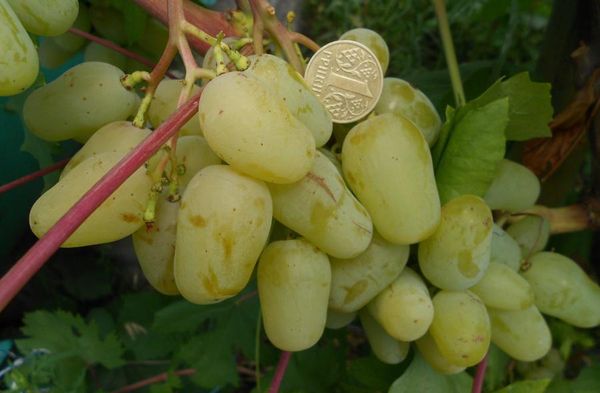
- Chasselas grapes. There are a huge number of varieties. The most common are White, Pink, Northern, and Muscat. It is one of the most ancient – it was cultivated as far back as Ancient Egypt;
- The "Memory of the Surgeon" grape variety produces large clusters with iridescent yellow and pink hues. Breeder Evgeny Pavlovsky combined the Nistra and Talisman varieties, taking the former's color and yield size, and the latter's ripening speed. This variety has moderate resistance to pathogenic bacteria and is resistant to ants and wasps.
- Bodry grape. Bred just three years ago, it ripens in July and can be used for both table and wine. The berries are purple-crimson in color, and the bunches can reach 1.5 kg.
- Seneca grape. It is frost-resistant to -25°C and resistant to pathogenic bacteria. In America, it is used as a white wine grape. Bunch weight: 250g;
- Ovation grapes. The fruits are white-pink and ovoid, with a cluster weighing up to 1.2 kg. The flavor is moderately sweet and harmonious;
- Josten grape. It produces fruit as early as the third year after planting. The berries are oval, white, and sweet, with a Muscat aroma. A bunch can weigh up to 1.2 kg. It is not eaten by wasps and is disease-resistant.
- Alice. Unlike other dark varieties, Alice ripens very quickly (90 days). The fruits are dark burgundy with a slight bloom. It is frost-resistant and rarely gets sick;
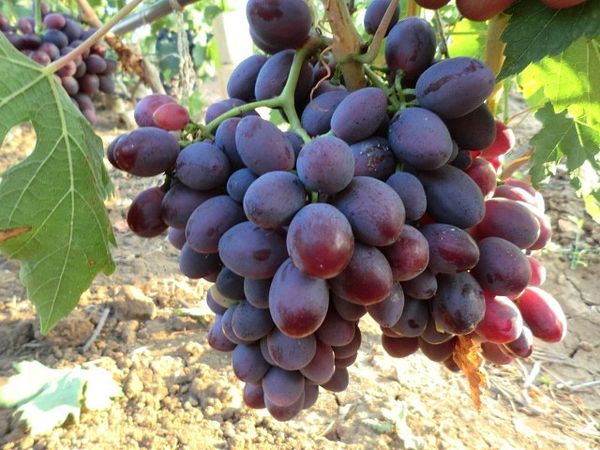
- Kishmish red grapes. They are virtually disease-free and frost-resistant down to -25°C. They have a muscat flavor. The fruits are burgundy-pink in color. The bunches are medium-dense, weighing up to 600g.
- Russian Corinth. Frost-resistant, no need to cover it for the winter. The harvest begins in late July. The fruits are small, round, white (with a lemon tint in places), very sweet, and seedless.
- A delight. The color is yellow-green with a crimson tint (completely yellow in the sun). Bunches weigh 0.6–0.8 kg. Frost-resistant to -24°C, but susceptible to disease. It has a light muscat aroma;
- Rue. The berries are pink-yellow and oval. The bunch of rue is relatively small (500 grams). Rue was bred in the Zaporizhzhia region (it ripens here on August 1st). It transports and stores well;
- Swallowtail. The berries are dark purple (almost black), oval in shape. The clusters reach 0.8 kg. Frost and disease resistance are average. It is used as a table and wine grape.
- Pervozvanny (First-Called). The berries are cloyingly sweet, egg-shaped, and yellow-green in color (with a pink tint in the sun). They are considered disease-resistant and frost-tolerant.
- Nadezhda Aksayskaya. Selected by Vasily Kapelyushny. Cluster weight can reach 2 kg. It has good frost resistance (but should still be covered). Berries are yellow, round, and large (about the size of a 5-kopeck coin).
- Jaguar. It has very large red berries (turning purple in the sun). The bunch weighs up to 1.2 kg. Very sweet;
- Liepajas Dzintars. The earliest. The fruits are yellow, small, and seedless. They have a muscat aroma;
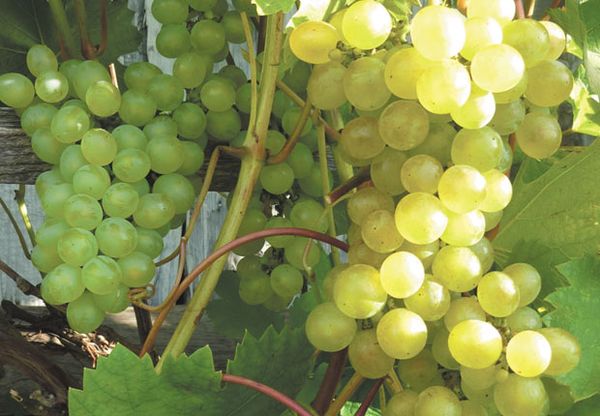
- Esther. Has many varieties (can be white and black). The fruits are small, the bunch weighs 300 g. Very sweet;
- Krasa Nikopol grapes. Frost-resistant, the fruits are purple, oval-shaped, and very sweet. Easy to care for;
- Russian Yantar grapes. They produce small, amber-colored fruits. When fully ripe, they lengthen and turn yellow, and are very sweet. They have a forest muscat aroma;
- Muscat amber grapes. The bunches are relatively small (only 340 g). The berries are sweet with a muscat flavor. Eaten only raw. Heat treatment causes the grapes to lose their flavor.
- Elizaveta grape. Unpretentious, but susceptible to frost, it's recommended to cover it for the winter. The yield is large—each bunch can weigh up to 2 kg. The berries are green, developing a yellow tint in the sun.
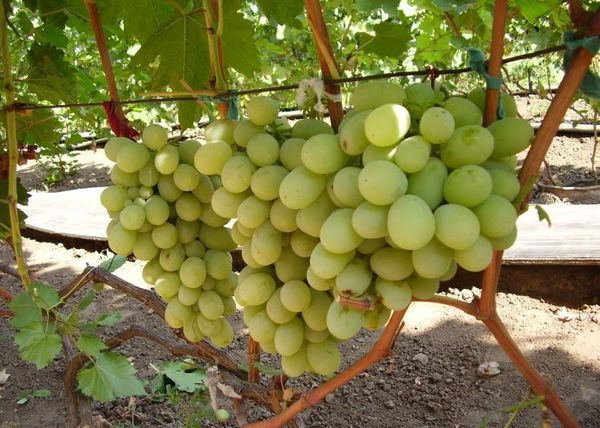
Early-ripening, incredibly sweet and juicy, they produce a large harvest with adequate watering and sunny weather. They are easy to transport, making them often used commercially.
Mid-season
Mid-season varieties are those that mature in 130–140 days. Representatives of this group include:
- Count of Monte Cristo grapes. The clusters of this variety are very large, weighing up to 1.5 kg. Fully ripened berries have a dark pink hue and a matte finish. Very high frost resistance (-24°C);
- Valentina grapes. A white variety that requires little care. The bunch is large (1 to 1.5 kg). Ripe berries have a lemon hue and a sage flavor.
- Pharaoh grape. Dark with large clusters (700–1,000 g). Has a pleasant aroma. Frost-resistant (withstands temperatures down to -23 °C). Moderately resistant to pests and parasites, wasp-resistant;
- Virgin Mary grape. Bred in 2005 in Ukraine. It produces large clusters weighing up to 2 kg. Frost-resistant, common in Belarus. Disease-resistant. Easy to transport.
- Taiga Emerald. The berries are relatively small, round, and yellow-green. The flavor is tart and has a strawberry aroma. It produces a good harvest even in dry summers.
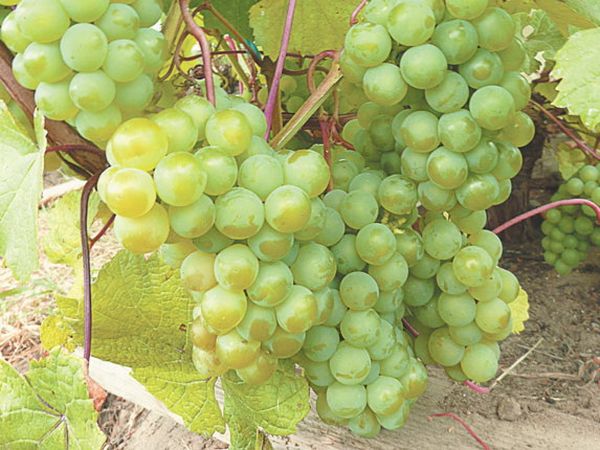
- Russian Concord grape. It has very good frost resistance (down to -30°C). It rarely gets sick. The berries are purple-burgundy (developing a yellow tint in the sun), round, sweet, with a slight tartness.
- A gift to Ukraine. It's difficult to pollinate, and the clusters are small (up to 500 g). The berries are firm, tart, oblong, and green (with a pink tint in the sun).
- King Ruby. Rarely used in vineyards because it's difficult to care for (it's frost-sensitive, prone to disease, and is a favorite of wasps). It's pink, oblong, and very sweet.
- Black Grand. Almost black with a purple tint. Very sweet. Frost- and pest-resistant. A single bunch of Black Grand can weigh up to 2 kg.
- In Memory of Streljaeva. A yellow variety with oval fruits. Average frost and disease tolerance. Not very sweet. Cluster weight: approximately 200–500 g;
- Amirkhan grape. Pleasant pink color. Sweet flavor with hints of Muscat. Large bunches weighing up to 1 kg;
- Nimrang grape. Native to Tajikistan, it produces small, round, yellow-pink berries. Their size varies depending on the growing location;
- Demetra grapes. A frost-resistant variety that's resistant to pests. The yield is small—up to 1 kg per shoot.
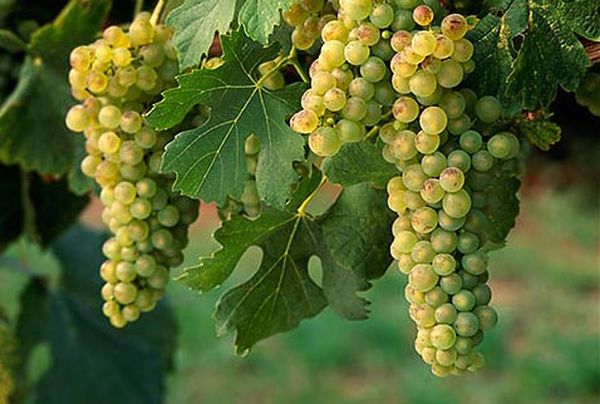
Mid-season varieties are generally easy to care for. They can be easily grown in your own garden and will reward you with a bountiful harvest.
Late-ripening
Late-ripening varieties are those that require 140 days or more to mature. These include:
- Frankenthal grapes. The fruits are dark red, almost black. The flavor is harmonious. The variety is resistant to pathogens. It is easily transported and is frost-resistant. Common in Europe;
- Italian grape (also known as Muscat Italia). A white variety. Developed by an Italian breeder in 1911. Has a muscat aroma. Approximate bunch weight is 600 g. Does not transport well;
- Flamingo grape. Its main characteristics are disease resistance and frost hardiness. The average bunch weight is 750 g. Ripe fruits are a rich pink color with a waxy coating. It has a low sugar content;
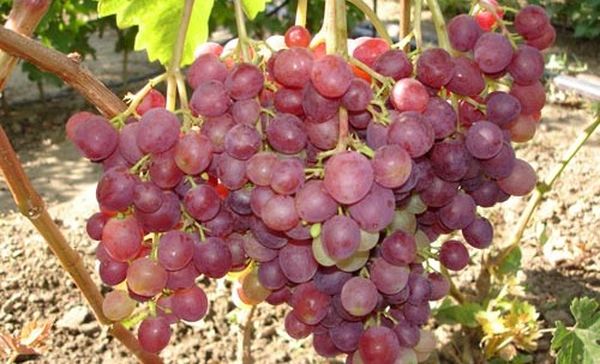
- Bull's Eye. Developed in France. It has poor frost resistance (down to -18°C). It prefers full sun and good watering; without them, it may not ripen. The fruits are dark blue and oval-shaped;
- Zagrava grapes. The oval-shaped, pink-yellow-green fruits are very sweet. A single bush yields up to 100 kg. Average frost resistance;
- Scheherazade grapes. Large clusters (1.5–2 kg). The fruits are oval, yellow-pink, and very sweet. This variety is easy to care for in the home garden;
- Biruintsa grape. Resistant to diseases and pests. Average bunch weight is 700 g. Fruit is green with a slight bloom.
Late-ripening varieties have a richer flavor with subtle aromas. They store well. They are often used not only as table grapes but also as wine grapes. They are more often used than other varieties to make compotes and preserves.
Video: Growing Industrial Grape Varieties
In this video, an expert will share tips on growing industrial grape varieties.