
What types of grape varieties are there and how are they used?
Content
By appointment
Depending on the use of the berries, all varieties of cultivated grapes are divided into the following types:
Canteens
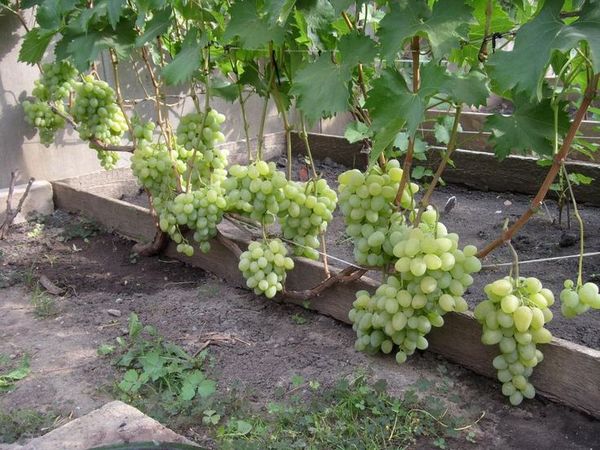
Table grapes, compared to other varieties, are the most popular and predominate in home gardens. They are grown for both fresh consumption and retail. The key quality characteristics of these varieties include beautiful clusters with large, often elongated berries, a pleasant sweet taste, and a rich aroma.
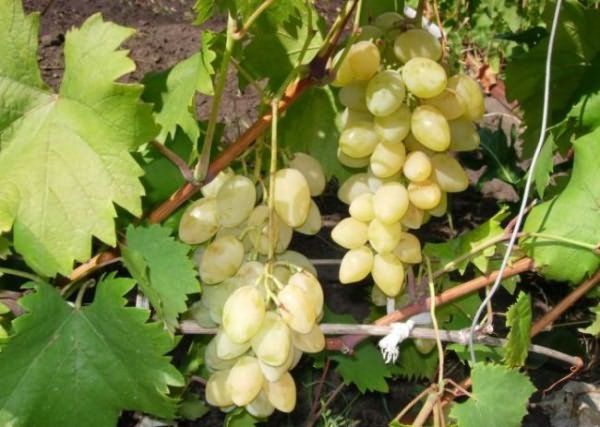
Typically, this description applies to elite or classic table hybrids, which, in addition to their excellent taste, possess medicinal properties and are used in dietary nutrition. Due to their thin skin, their berries are not particularly suitable for transport, but recently, new grape varieties that can withstand long transportation have become increasingly available.
Technical
These varieties are intended for processing into juice and wine. Their main characteristic is the high juice content of the berries (75–85% of the total weight). External characteristics (berry size, color) are of little importance. Much more important is the chemical composition—the ratio of acidity to sugars, which determines the taste of the resulting product. The ratio of the rachis (the skeleton of the grape bunch) to the weight of the berries is also taken into account. The denser the bunch, the more valuable the variety.
Technical grapes are the most productive varieties. They require little care and are frost-resistant, but the quality of the grapes depends entirely on the growing region. Unlike table grapes, industrial grapes are locally specific and are divided into introduced and native varieties. Native grape varieties are more valuable for winemaking, producing unique beverages.
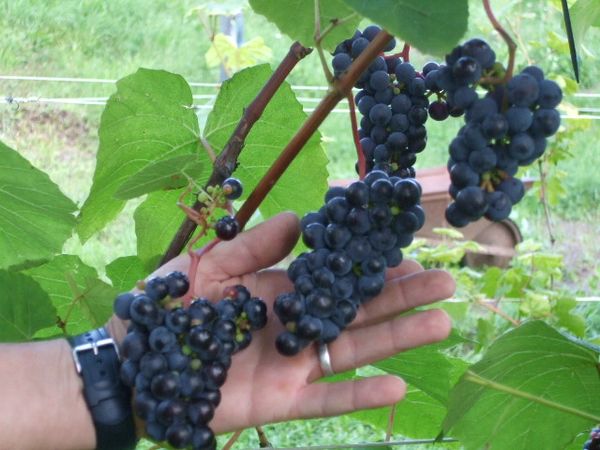
In Europe, the most extensive vineyards are located in the south of France, Italy—the birthplace of famous elite wines—and Georgia. Incidentally, Georgian industrial grape varieties are so excellent that they can be used for more than just winemaking. There are also industrial vineyards in several regions of Russia: in the Stavropol and Krasnodar regions, and in the Caucasus.
Universal
Universal grapes have a wide range of uses. They are suitable for both consumption and processing (juice, wine, jam). These are the most popular grape varieties on small private farms where space is limited and it's impossible to grow multiple varieties. Their clusters and berries are not as large as those of table grapes, nor as small as those of industrial grapes, but their yield and flavor are always excellent.
Seedless
Seedless varieties are those whose berries are seedless. They are highly sought after by consumers due to their dessert-like flavor and attractive appearance—nice clusters of small, uniform berries. They are also convenient for use in baby food and for drying (making raisins).
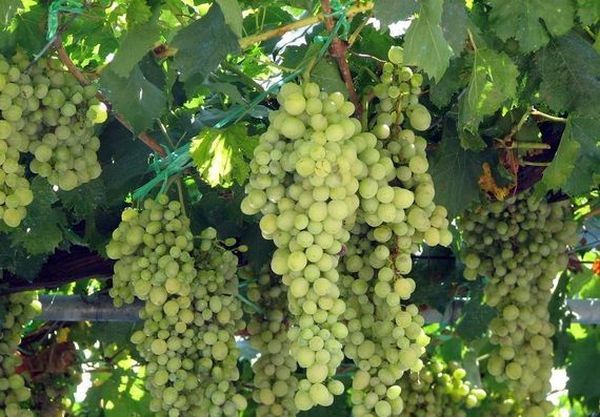
This grape variety is represented by two types: Kishmish (Asian group) and Korinka (domestic selection). Kishmish is the most numerous grape variety, and every year, new, promising varieties with diverse colors and ripening times are added to this group.
By deadlines ripening
When choosing a new variety, the ripening period of the harvest is always taken into account. Based on this criterion, the above-described grape varieties are divided into:
Very early
These varieties have a maturation period of only 85–100 days, from the beginning of the growing season (bud break) to full ripeness. Growing these grapes is economically advantageous, as the first fruits are always in high demand. Furthermore, early ripening berries are less susceptible to disease and rot, and due to the high heat, they are sweeter.
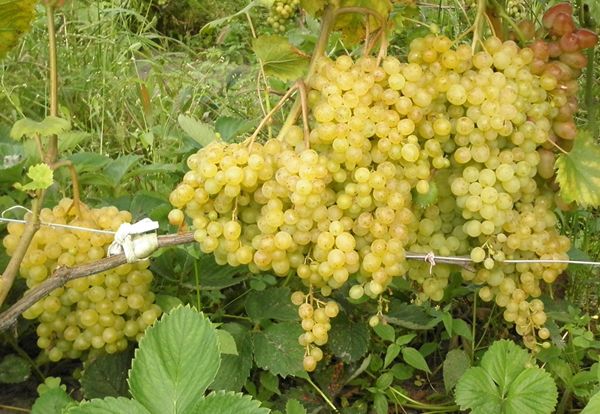
The best grape varieties in this category are seedless. They have the highest yields, as 70–80% of the shoots are fruitful. The only problem they face is overloading with fruit. To prevent the vines from breaking under the weight of beautiful bunches, regular pruning and crop rationing are necessary during the flowering stage.
Early
Early grapes are also in high demand. Their growing season is slightly longer than that of super-early varieties (100–120 days), but the berries and bunches are larger. This category includes varieties with a wide range of colors and flavors.
Since the vines of this type of grape wake up later, they are not afraid of frost, so they can be planted even in northern regions with short summers.
Average
These varieties yield slightly later than early varieties (after 120–130 days). For southern regions, this is a good opportunity to extend the consumption period of this healthy product. However, in the north, the berries do not have time to ripen before the onset of cold weather. Another danger lurking for these grapes is disease and pests, most often wasps. The mid-season grape category primarily includes versatile hybrids with excellent flavor.
Mid-late
Mid-late varieties begin harvesting after 130–140 days, in October–early November, when in many regions even pre-winter vineyard care has already been completed. Late-ripening berries are not as sweet as summer grapes, but they can be stored longer (in the cellar or refrigerator until December). This category includes many winemaking varieties.
Late
Varieties with a growing season of 140–150 days can only ripen in southern regions where warm annual temperatures total at least 2800°C. If this condition isn't met, the grapes will remain underripe and lose their flavor. The advantage of late-ripening varieties is that fresh fruit is already depleted by November, so grapes grown at this time are especially prized. Moreover, with proper storage, they can be consumed throughout the winter.
Video: "Rules for Watering a Vineyard"
This video will tell you how and when to water grapes.