
Review and cultivation of frost-resistant uncovered grape varieties
Content
Description and main characteristics
The basic characteristics and descriptions of these species subclasses can be found in the book "Russian Winter-Hardy Grapes" or any reference book dedicated to this crop. A common feature of all "hardy" varieties is their ability to tolerate temperatures of -29°C and below. However, they can only be left uncovered from their third year onward. Both the arched and regular varieties can possess these properties.
They grow in Ukraine, Belarus, Central Russia, Siberia, and Taiga.
Technical
The following varieties have good frost resistance:
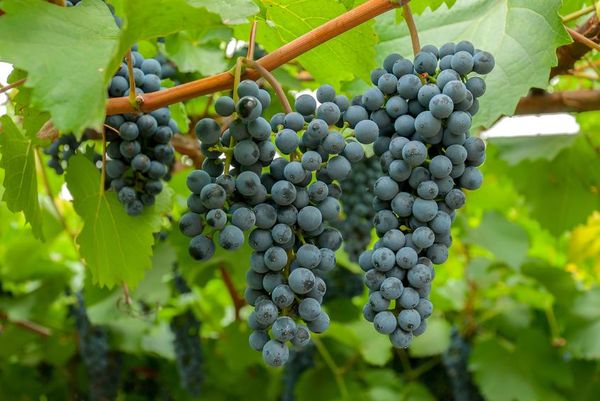
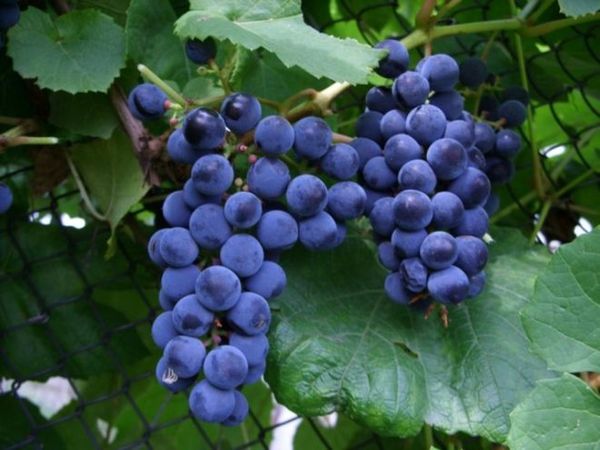
- Taiga. The clusters weigh up to 400 g. The berries are dark blue, almost black. Ripening takes 3 months. Taiga grapes have a pleasant taste. Winter hardiness down to -32°C;
- Pink Pearl grapes. The weight of one bunch is about 500 g. Color - pink. Ripening - early. Frost resistance - up to -30 °C;
- Marinovsky grapes. One bunch weighs approximately 300–500 g. The berries are dark blue, almost black. They have a pleasant taste and are cold-resistant to -30°C.
- Magarach. The cluster grows to 200–500 g. The berries are dark blue and have a muscat flavor. It tolerates temperatures down to -18°C;
- Severny Plechistik is a mid-season grape variety. It is sometimes considered a table grape. A single vine weighs approximately 350 g. The berries are dark blue with a patina, and the taste is juicy and sweet.
- Moskovsky Resilience grape variety. The clusters are large and light green. It can withstand even severe frosts. The flavor is pleasant. It should be noted that some experts classify Moskovsky Resilience as a table grape.
- A grape variety called Pervenets Magarach. Grown in Ukraine. Ripens in the second half of September. Withstands temperatures down to -25°C;
- Khasansky Sweet grape variety. Bunches are medium in weight and size. Highly cold-resistant (-22–25°C). Excellent taste.
All of these are frost-resistant varieties of industrial grapes. In addition to industrial varieties, table grapes also have excellent cold tolerance.
Canteens
Table varieties of this crop with high frost resistance include:
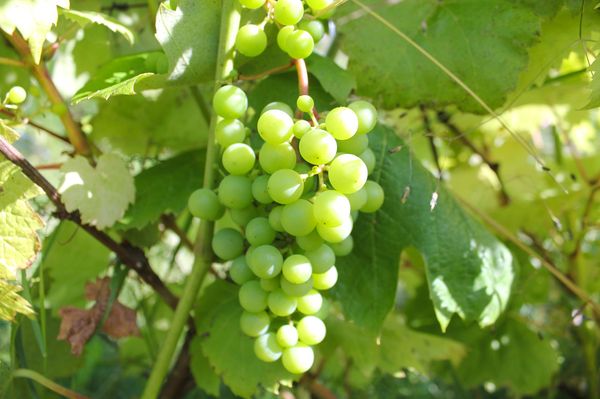
- Supaga grapes. Bred in Latvia. Planted for beauty and harvest. A single bunch weighs approximately 400 g. The berries are green with an amber tint. Supaga grapes can withstand temperatures as low as -25°C.
- Frumoasa Albă grapes. Quite large bunches weighing about 600 g. The berries are yellow-green and have a pleasant taste with a muscat tint;
- Svetlana grapes. One of the largest—a single bunch can weigh almost 1 kg. The berries are light green. This mid-season variety has a subtle muscat flavor. Svetlana grapes can withstand temperatures as low as -25°C.
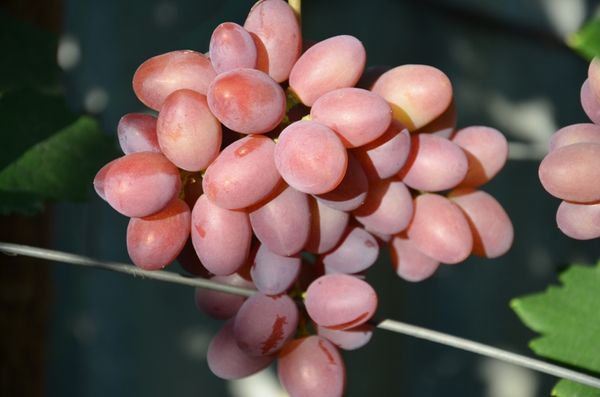
- The Parisianka grape variety. The fruit can be harvested in early August. Full ripeness occurs within 2 weeks. It is also a fairly large variety. A single "branch" can weigh approximately 700–900 g. The berries are pink. Excellent cold tolerance and are an early ripening variety.
- Ontario grape. The plant produces small clusters of fruit, weighing around 200 g. The berries' skins are white-green, and as they ripen, they acquire a golden hue. The flavor is pleasant;
- Skhodnensky. Distinguishing features are very sweet fruits with a strawberry aroma. The clusters are dark blue and quite large. Excellent frost resistance;
- Prima grape variety. Frequently grown in Ukraine. Highly cold-resistant. Excellent yield. Bunches are attractive and transport well. Depending on the subvariety, the berries are green-yellow, pink, or dark blue. The plant tolerates temperatures down to -25°C.
- Vanyusha is a grape variety characterized by rapid growth. A single bunch can weigh up to 1–1.5 kg. The berries are large and have an attractive yellow-green color. As they ripen, their color changes to amber-yellow with a characteristic pink tint. The fruits have a pleasant flavor with subtle notes of Muscat and a slight acidity.
- Simone grape variety. An early ripening variety. The bunches are large and blue. Tolerates temperatures down to -25°C;
- Lyubava grape variety. Early ripening. Green berries. Large bunches. Good cold resistance.
The above list of grape varieties requires no cover. However, to achieve excellent yields from these plants, it's important to understand the specifics of growing cold-hardy varieties.
Growing frost-resistant varieties
The agricultural practices for growing open-grown grapes are almost identical to those for other varieties of this crop. The key to rapid plant development is choosing the right time and location for planting.
It's important to periodically spray plants against parasites and pathogens. This is done regardless of the variety's resistance to disease.
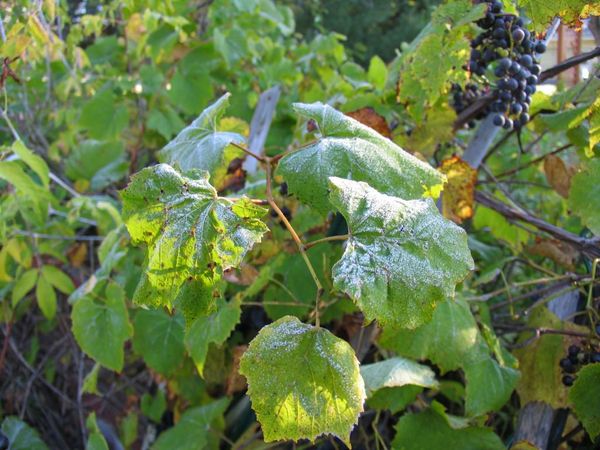
To ensure abundant fruiting over several years, it's essential to properly prepare plants for winter. For cold-hardy varieties, this procedure is especially important during the first few years of life. Young seedlings are not as resilient to low temperatures as mature plants.
Young plantings should be acclimated to frost gradually, otherwise they may freeze and die. During the first three years, plants should be properly covered. With each subsequent winter, less covering material should be applied. Furthermore, covering should be delayed progressively each year. At the same time, the damage caused to the vines by low temperatures should be assessed. This will allow for proper coordination of actions in subsequent years, thereby minimizing the damage caused by cold weather to young plantings.
Once the plantings have established themselves and formed healthy, strong vines, they can be left uncovered for the winter. However, if winter temperatures frequently drop below the maximum permissible level, covering them is still necessary.
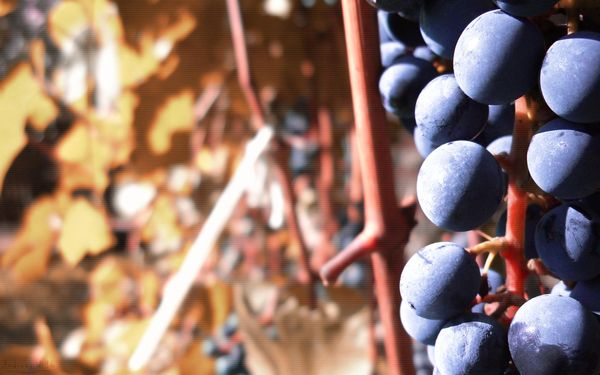
Frost-hardy varieties are now widely grown in Ukraine, Russia (Taiga, Siberia), and elsewhere. However, to obtain a good harvest, the plants require proper care, especially if they grow around an arch. You can read about caring for these varieties in the book "Russian Winter-Hardy Grapes."
As you can now see, thanks to the efforts of breeders, there are now many hardy varieties. Therefore, gardeners from virtually any climate zone (except those with extreme natural conditions) can find exactly what they need.
Video: Growing and Caring for Grapes
This video will teach you how to properly grow and care for grapes.