
A detailed description and cultivation guidelines for the Lydia grape variety.
Content
History of appearance
This grape variety was brought to Europe from North America immediately after its discovery. Unlike most European varieties, Lydia was resistant to diseases such as phylloxera and powdery mildew. Because of this, popular grape varieties of the time were grafted onto its root system, thereby preserving a large number of sought-after varieties.
Description and characteristics of Lydia grapes
This variety is so popular that it can easily be called a "folk" plant. Lydia shrubs are grown not only in garden plots but also in parks and squares.
Botanical portrait
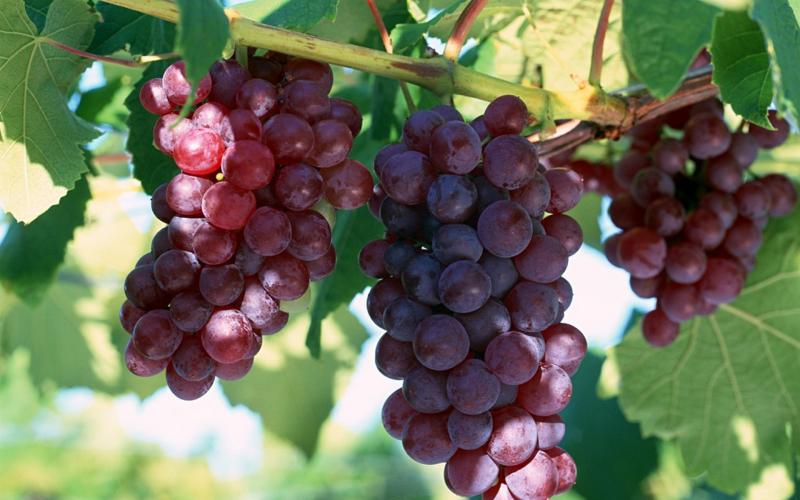
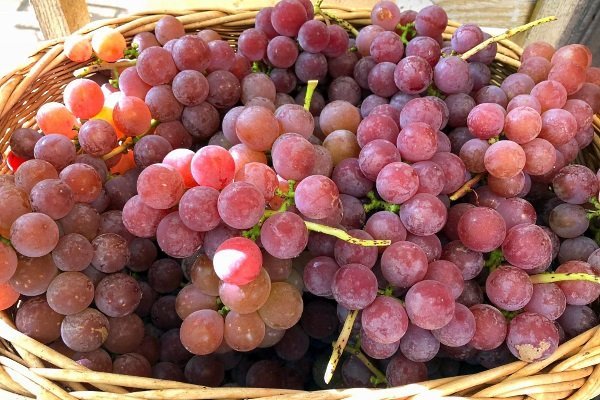
The medium-sized grapevines are densely covered with large, green foliage, divided into three or five sections. Eighty percent of the shoots bear fruit, and the plant produces flowers of both sexes. Lydia grape clusters are often divided into several sections, are round, and weigh 100-150 g. The fruits are covered with a dense skin of a blue-pink or reddish hue, reach 15 mm in diameter, and weigh about 4 g. The fleshy pulp has a juicy, slightly tart flavor and a strawberry aroma.
Productivity and fruiting
The small size of the berries allows gardeners to harvest a high yield – up to 40 kg per bush. This is due to the rapid ripening of the vines, allowing six full-sized clusters to ripen on a single shoot, resulting in a harvest of up to 120 centners per hectare. Lydia's bush does not require regular pruning, as it can support the entire crop.
The fruits ripen over a period of 150-160 days, making this variety a late-ripening crop. The berries on the sunny side ripen first, followed by the rest.
Application of fruits
The grape's table qualities are used to make desserts such as jellies, marmalades, preserves, and marmalades, and the berries are also eaten fresh. The high concentration of trace elements is beneficial for those who are physically active. A sugar content of up to 19% allows Lydia grapes to be used for juice and wine production. However, due to the high pectin content of the pulp, the production of wine from this variety was officially banned at the end of the last century, despite the beneficial effects of other trace elements in the berry.

Drought resistance, frost resistance
Unlike most heat-loving grape varieties, Lydia is highly winter-hardy. Despite this, agricultural experts recommend covering the bushes during the winter, especially if the plant is still young. Covering is also necessary in temperate and cold climates.
Grapes require regular, abundant watering. A lack of moisture can lead to a significant reduction in fruit size and a change in flavor—the berries lose sugar content and become sour.
Video "Table and technical grapes Lydia"
This video presents the main characteristics of the variety.
Advantages and disadvantages of the variety
Like all fruit crops, growing Lydia grapes has its positive and negative sides.
- high productivity;
- resistance to winter frosts (the plant requires only a little shelter in areas with moderate and cold climates);
- ability to self-pollinate;
- disease resistance;
- high safety during transportation;
- long-term storage;
- ability to tolerate an abundance of moisture;
- use of shrubs for decorative purposes.
- requires timely pinching and trimming;
- prone to diseases such as gray mold and anthracnose;
- if the harvest is not collected on time, it falls off;
- contains harmful elements, due to which industrial cultivation of the variety is prohibited.
Growing Lydia grapes
This plant is not particularly difficult to plant or care for, but proper cultivation at all stages of growth will reward gardeners with a bountiful harvest of delicious berries.
Landing rules
When choosing a site for planting seedlings, pay attention to the soil—it must be fertile. For this, choose a site with black soil or loam. The site should be sunny and protected from cold northern winds.
Planting is best done in the spring. During the following warm days, the plant will take root and become resistant to possible winter frosts. The following season, the grapes will produce their first fruits. Space the planting holes approximately 80 cm apart. Fertilize the soil beforehand, and ensure drainage at the bottom of the holes using crushed stone or other materials.
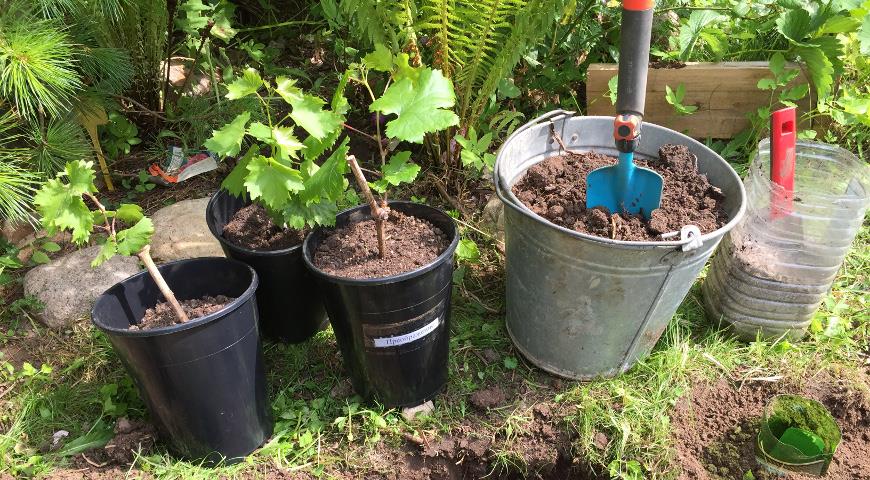
In southern regions, grapevines are planted in the fall. Even with mild frosts, young plants will not be harmed by the drop in temperature. Only seedlings with a developed root system are selected and soaked for two days. Plant deeply, leaving up to two buds visible. After planting, the trunk circle is thoroughly watered and mulched.
Watering and fertilizing
Water moderately, ensuring that the water does not stagnate. During fruit formation, water the plant generously, but in late summer and early fall, minimize the amount of water, eventually stopping watering altogether.
Ash is used as an annual fertilizer. A year after planting, humus is added.

Loosening and rolling
The soil around the trunk is dug up to a radius of no more than half a meter. This circle is loosened every two weeks. Once a year (at the beginning of the season), the vine is rolled. This procedure involves removing surface roots located at a depth of up to 25 cm with pruning shears. This promotes good growth and increased yield, regardless of the challenging growing conditions.
Formation
Proper pruning improves yield and gives the plant the desired shape. Up to eight buds are removed during pruning. And at the end of June, unnecessary shoots are removed both inside and along the outer edges of the bush, and pruning is performed.
Preparing vines for winter
Although Lydia can withstand temperatures as low as -26°C, the vines need to be covered, especially in the first few years after planting. To do this, lay the shoots on the ground and cover them with fallen leaves and soil, or use a non-woven covering material.
Diseases and pests, methods of control and prevention
Unfortunately, certain diseases have a detrimental effect on Lydia grapes. Let's take a closer look at some of them:
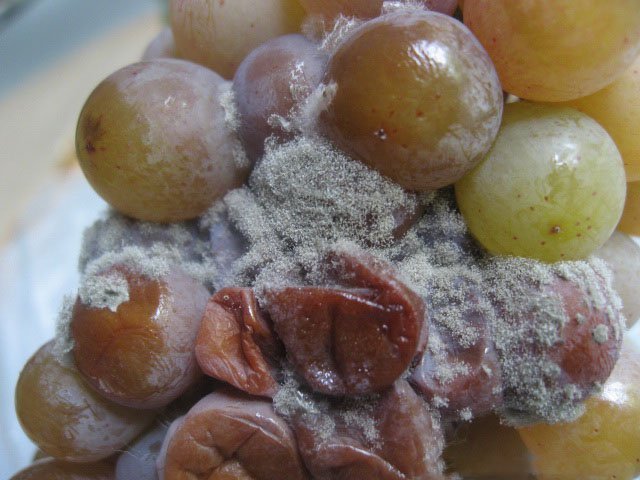
- Gray mold appears as a coating on the berries, which soon rot. Preventative measures include heavy pruning, and treatment involves spraying the plant with a soda solution.
- Lime chlorosis manifests itself as yellowing leaves and shoot drying. To prevent the disease, select rootstocks based on their carbonate content. Treatment is with Antichlorozin spray.
- The appearance of brown spots and dark edges on the foliage indicates anthracnose. To prevent this, regularly remove any remaining vegetation, and treat the problem by spraying with Horus or Ridomil.
-
- Gray fruit rot
-
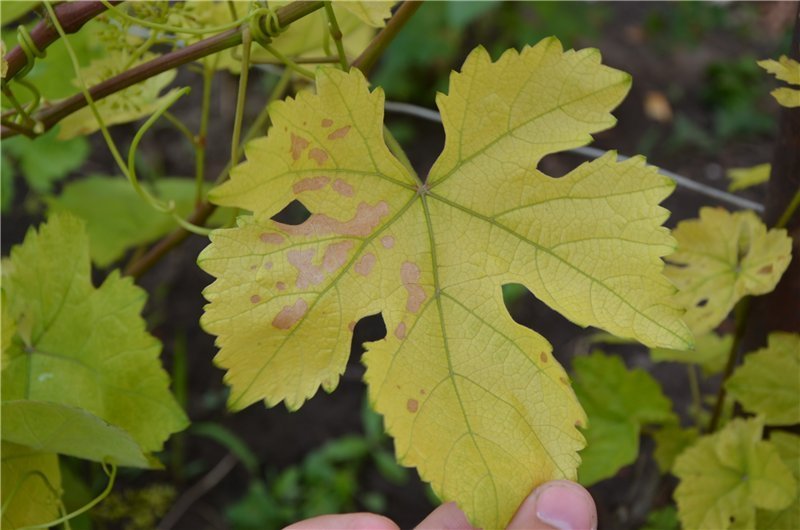
- Lime chlorosis
-
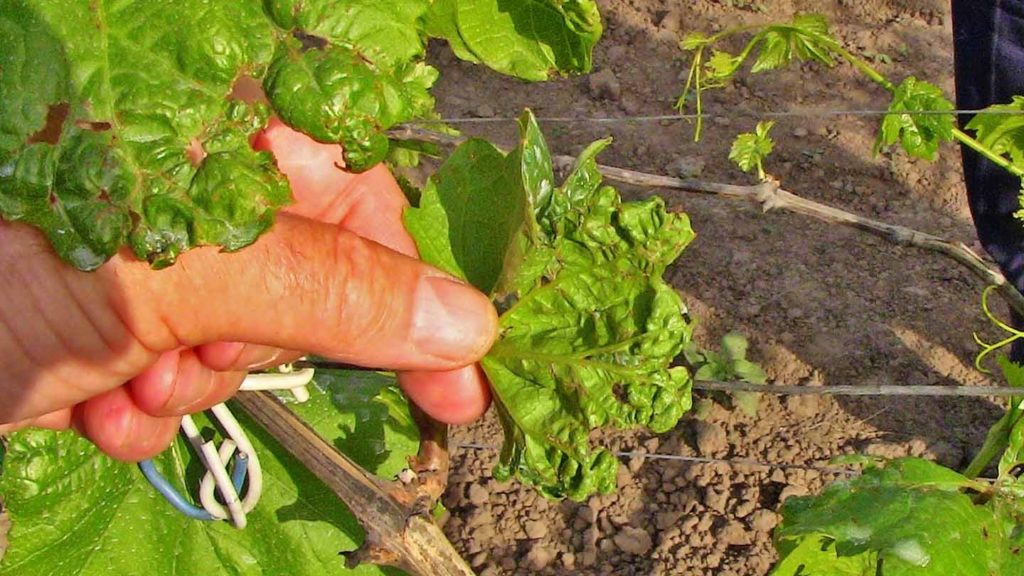
- Anthracnose
The main pests of Lydia are leaf rollers and spider mites. Good ventilation will prevent caterpillars, and regular weeding will prevent spider mites from appearing on the grape leaves. If any of these problems appear, use insecticides, such as "DNOC."
Birds are very fond of eating the fruits of this variety. To protect the harvest, they use devices placed on the bunches, thereby preserving the berries.
In addition, recently old computer disks have been hung on fruit trees and bushes, which also deter grape thieves.
Reviews from summer residents
One of the first plants my husband and I planted at our dacha 10 years ago was the Lydia grape. I fertilized and covered it the first few years, but now I forget about it completely, only watering it in hot weather. Yet, every year we enjoy a bountiful harvest. We preserve compotes, make wine, and want to try other varieties.
I'm very pleased with this grape variety. I don't remember how long ago I planted it, but I prune it regularly and water it in hot weather. The plant shades the gazebo, which becomes cozy on a hot summer day. In the fall, I have nowhere to put the harvest: I give it to neighbors and friends.
This grape variety's minimal maintenance makes it popular among amateur gardeners. Its decorative qualities allow it to create shade in a desirable spot in the garden.
When making Lydia wine, remember that not only Europe but also America has abandoned this practice. While the body neutralizes harmful substances identified in laboratories around the world, in large quantities they can be harmful to your health.