
Description and cultivation of the table grape variety Codryanka
Content
Description and characteristics
A description of this variety should begin with a discussion of its key characteristics. This early-ripening crop produces fruit in 108–118 days. It produces high yields even in poor weather conditions, beginning to bear fruit in the second or third year. The shoot maturity rate is 80–90%. The bush can withstand temperatures as low as -23°C.
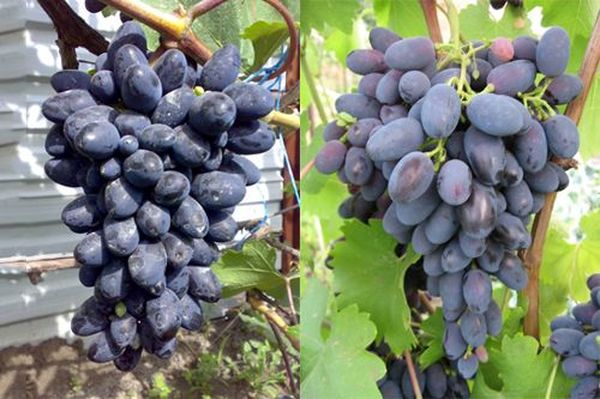
It tolerates spring frosts and summer heat better than other varieties. It has strong immunity to diseases such as gray mold and mildew. Despite its sweetness, the berries are rarely attacked by wasps. It requires little special care—familiarity with some growing techniques is sufficient. A healthy seedling takes root well in a new location. It can be used as a scion for other varieties.
The Codryanka grape is a tall, strong and spreading bush. The average weight of a bunch is 500–600 g, but there are also specimens weighing 1.5 kg. The clusters are firmly attached to the vine, holding well even when fully ripe. The berries are large, each weighing no more than 8 g. The average size of a grape is 3.1 x 1.9 cm. The shape of the fruit is ovoid or elongated. The skin is dark purple and has a protective waxy coating called pruin.
The berries are moderately densely packed in the bunch, peeling easily, and the thick skin is imperceptible when eaten. The pulp is fleshy and rich in juice. There are also a few seeds, which separate easily from the pulp. The fruit contains up to 19% sugar, with an acidity of up to 8 g/l.
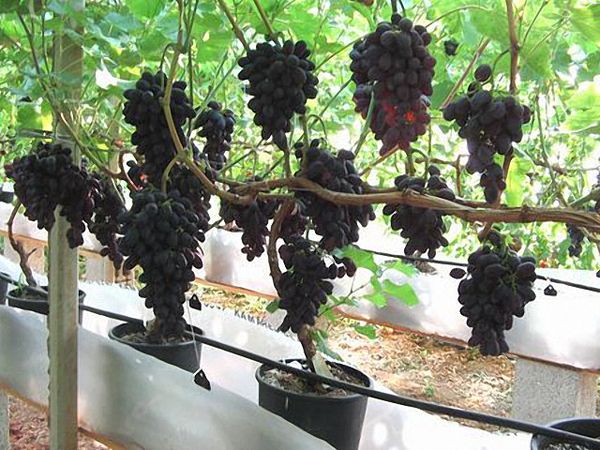
There's also a hybrid variety of unknown origin called Kodryanka Belaya (in Volgograd, it's called Zolushka). It's similar in appearance to the Biruintsa variety. The hybrid ripens in 130–140 days, with bunches weighing approximately 600–800 g, and each berry weighing up to 12 g. Kodryanka is a versatile grape: it can be eaten fresh and used to make wine.
Features of cultivation
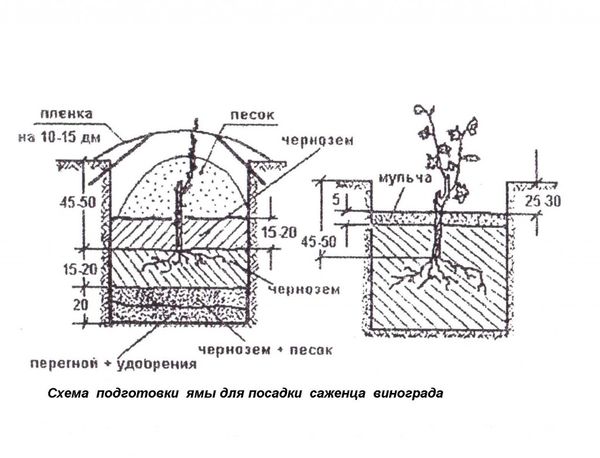
For planting, choose a site with light, breathable soil without a high water table. The variety grows well in rocky and sandy soils. Plant one-year-old seedlings in early spring or mid-autumn.
Maintain a distance of up to 2 m between bushes and up to 3 m between rows.
Proper care for the remarkable Codryanka grapevine involves regular, abundant watering, mulching in the fall and spring, covering the bush for the winter (especially important for seedlings), as well as pruning and preventative spraying twice a season (before flowering and after fruit set). Fruit-bearing bushes are fertilized three times: before flowering, two weeks after flowering, and during berry formation.
Due to its tendency to pea-like growth, Codryanka grapes are typically treated with the phytohormone gibberellin. This is important for gardeners growing the crop for subsequent sale. In other cases, treatment is unnecessary, as the small fruits are not prone to cracking or rotting.
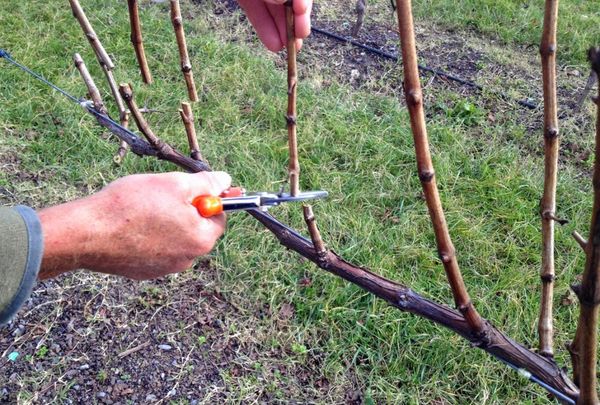
There are some peculiarities to cultivating this variety in the Moscow region. Short pruning is recommended—no more than three buds. It's recommended to leave up to four buds on the top. If there are more, the berries risk becoming very small and susceptible to fungal attack. It's common to form a cordon around the bush.
There are many varieties of this type of pruning, including the mixed cordon Ombrella, cordon Silvosa, Roya, and Guyot. In practice, shaping the crop using a slanted cordon has proven effective. This type of pruning makes the plants healthier and accelerates their fruiting process. A slanted cordon consists of a single branch along which the berries are evenly distributed.
Advantages and disadvantages
These grapes are prized for their beneficial and medicinal properties. The fruit contains vitamins B, C, and P.
The skin and pulp of the berries are rich in pectin and carotenes. Regular consumption of the fruit helps strengthen the immune system and detoxify the body. Other advantages of the variety include high disease resistance, excellent frost resistance, and the attractive appearance of the bunches and berries. The harvest has a long shelf life without losing its appearance or flavor. Yields are harvested regularly and are not affected by adverse weather conditions. The grapes are well suited for long-distance transportation.
A drawback of this variety is its tendency to pea-like growth. When growing fruit for commercial use, a preventative treatment with gibberellin is applied. This also helps produce large, seedless grapes. Small berries are sweeter, so gardeners avoid this treatment when growing the crop for home use.
Video: Planting Grapevines with Cuttings
This video will show you how to plant grapes using cuttings.