
The best varieties and cultivation features of Kishmish grapes
Content
History of appearance
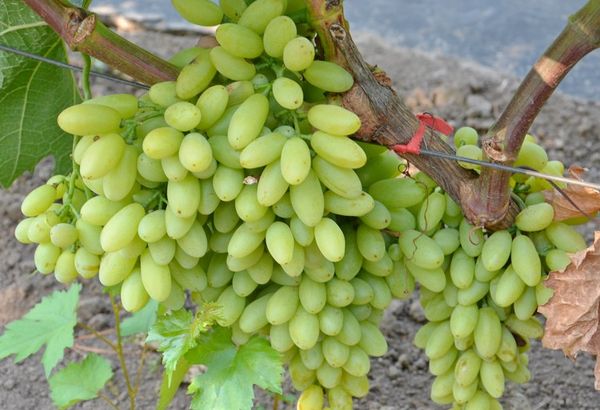
Scientists cannot pinpoint the exact date of this grape's origin. It is believed that the plant arose as a result of a natural mutation. And thanks to the painstaking work of breeders, seedless varieties have emerged, including green, pink, and white Kishmish grapes.
The best varieties
Moldavian
This variety takes a long time to ripen—150–160 days. Fruit appears three years after planting. September–October is the perfect time to enjoy Kishmish Moldavsky grapes. The fruits are sweet, seedless, and have an exquisite flavor.
This variety is highly productive. A single bush can yield up to 50 kg of fruit. Moldavskiy tolerates transportation well and can be stored for up to six months. However, the variety does have some drawbacks: in addition to its slow ripening time, it is highly susceptible to disease and does not tolerate frost well.
Radiant
This is a high-yielding variety with large to medium-sized berries. It's called "Radiant" because when the grapes are ripe, rays of sunlight filter through, creating a "radiant" effect. The conical clusters can reach up to 40 cm in length and weigh almost 1 kg. The fragrant, bright pink berries with firm flesh have a subtle muscat flavor. This variety not only produces a high yield but also transports well and stores well. 'Radiant' requires careful care, as it is unstable to some diseases.
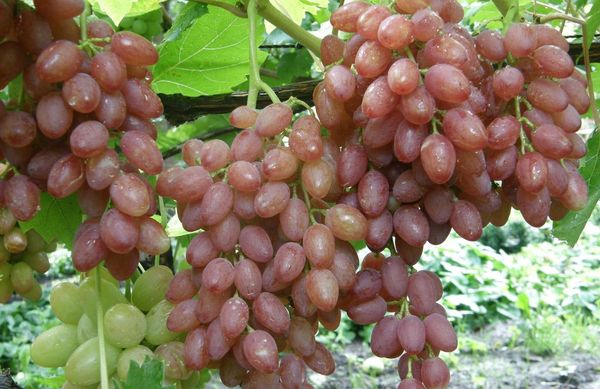
This grapevine requires abundant watering. Sometimes up to nine buckets of water are needed per vine. One of the advantages of this variety is its early ripening (125–130 days). Its disadvantages include low frost resistance. Plants are planted in spring or fall, 2.5 meters apart, as the vine prefers open space. To protect against cold, cover the vines with sawdust and sometimes peat.
Hungarian
The Hungarian variety is particularly popular here. There's hardly a person who wouldn't enjoy these juicy, fleshy fruits. This green grape is considered early and has a delicate Muscat flavor. Hungarian grapes boast high yields. If left on the vine for too long, the bunches will be small, and seeds may appear in the berries.
Find
This variety is frost-resistant, withstanding temperatures as low as -23°C. It was created by crossing the Talisman and Radiant grapes. In mid-August and early September, massive bunches of dense, sweet, pink flesh with a Muscat aroma can be harvested. The variety ripens in 116–125 days (average), has a high yield, and is resistant to many diseases, including fungal ones.
Improved Russian Ball
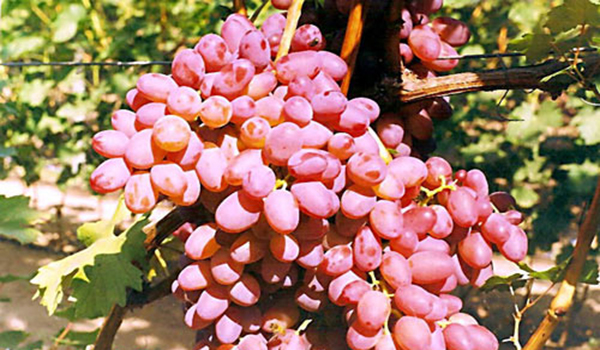
This variety was bred in Russia. The Rusbol Improved variety has a large bush and large clusters (over 1.5 kg). Berries weighing 2–2.5 g contain 20–22% sugar. The first fruits are harvested in the second year after planting. The variety is resistant to mildew, tolerates severe frosts, and withstands transportation well.
Reliance Pink Seedless
This grape came to us from the USA. The vine is tall, with clusters weighing between 100 and 300 grams. The pink berries are pleasant to the taste and exude a labrusca aroma. The sugar content reaches 24%. The grapes are easy-to-grow and frost-resistant, but high humidity is detrimental to the harvest.
Jupiter
Once again, we have an American guest. A medium-sized bush produces clusters weighing half a kilogram. The large oval berries are a rich pink, and when fully ripe, can reach a deep blue. The fruit has a mild muscat flavor. The first fruits usually appear 1–2 years after planting. This variety has moderate resistance to fungal diseases, so gardeners will need to take care to protect the grapes from infection.
Novocherkassky
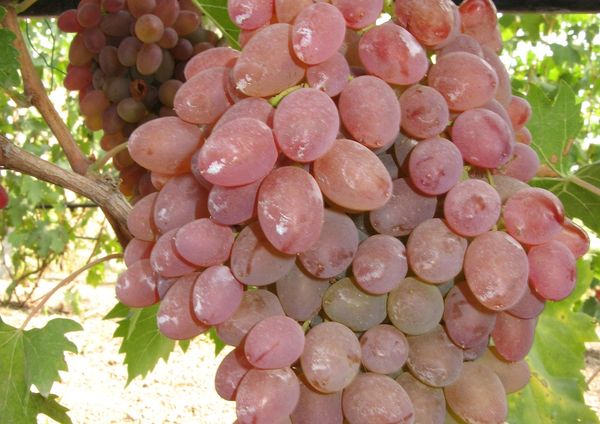
This variety produces consistent yields, tolerates severe frosts, and is highly resistant to fungal diseases. However, despite all its advantages, the plant requires some care: staking and winter shelter. The bush begins to bear fruit in the second or third year after planting.
Features of cultivation
Growing this wonderful variety in their vineyards is the dream of most gardeners, as all varieties are seedless. Kishmish requires the same care as other grape varieties, including pruning, watering, fertilizing, and pest control. During the winter, sultanas need to be kept insulated, and the vines should be treated with chemicals in the spring.
Plant the bushes 2 meters apart. Prune the vines during the first year after planting, removing all weak shoots. To avoid potassium deficiency, ensure the bush isn't overloaded. Water the bushes generously throughout the summer. Reduce watering by half a couple of weeks before berry harvest.
Advantages and disadvantages
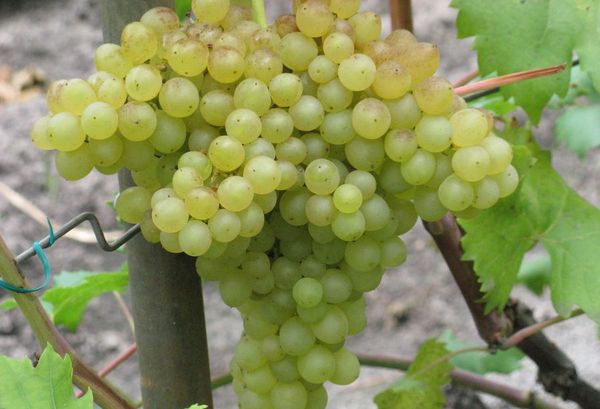
Kishmish grape varieties offer many beneficial properties, but also have a number of disadvantages. The advantages include:
- quickly saturate;
- help strengthen the immune system;
- remove toxins;
- prevent the development of thrombophlebitis;
- provide a noticeable rejuvenating effect;
- increase hemoglobin levels;
- reduce the risk of atherosclerosis.
This is far from a complete list of the beneficial properties of the Kishmish grape variety. However, it's important to note some contraindications. This product should not be consumed by those suffering from:
- pancreatitis;
- stomach ulcers;
- gallbladder disease.
Kishmish is rich in sugars, so it is better for diabetics to refrain from eating it.
These grapes also have a negative effect on tooth enamel, so you should rinse your mouth with clean water after eating them.
Video “Kishmish grapes”
This video will show you how to properly grow Kishmish grapes.