
Secrets to growing high-yielding Isabella grapes
Content
History and distinctive characteristics of the variety
The Isabella grape is the result of independent cross-pollination of Vitis Vinifera and Vitis Lambrusca varieties. The first mention of this fruit and berry crop dates back to 1816. It is believed that the plant was discovered by American breeder William Price during a walk in the Gibbs family gardens. The grape was named Isabella after the wife of the garden's owner.
This fruit and berry crop appeared in Russian gardens in the mid-20th century. The plant was characterized by high frost resistance and rapid adaptability to various climatic zones.
Isabella is a late-ripening variety. The fruit is harvested no earlier than September, and the entire harvest process can last until the first ten days of October.
Description of the bush, vine, bunches and berries
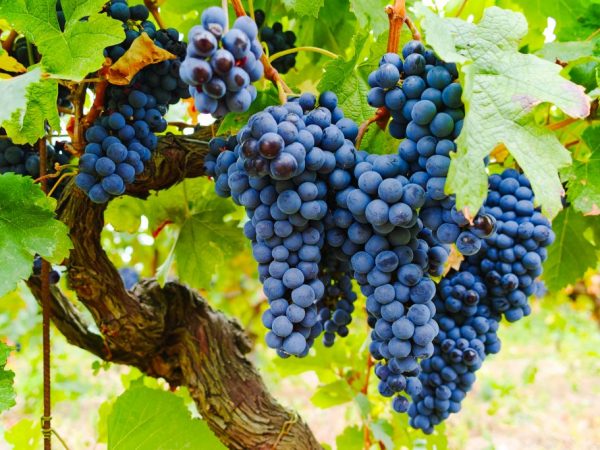
The Isabella vine is vigorous and fast-growing. This medium-sized bush requires additional support. It can be widely used in garden design for arbours and arches.
The shoots are greenish with a light crimson tint. The leaves are characteristically three-lobed and richly green. The underside of the leaf blade is grayish-pubescent.
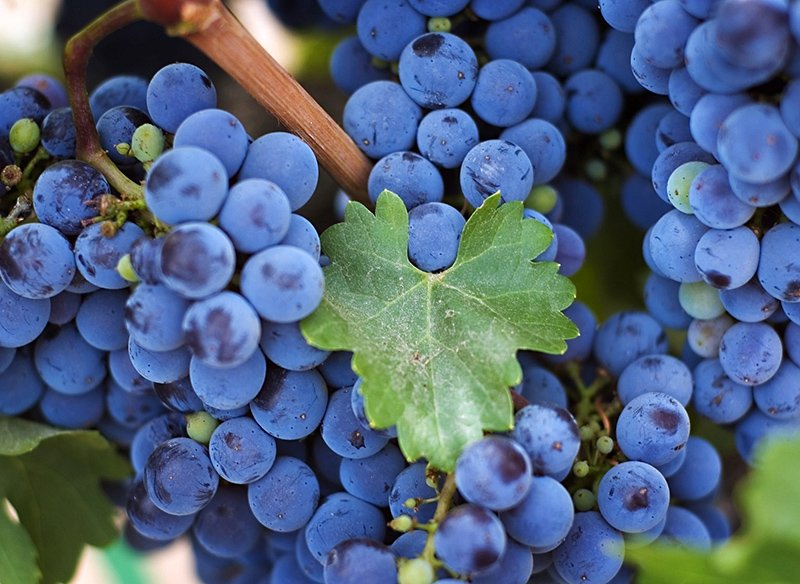
The clusters are cylindrical or conical. The weight of a single bunch of grapes ranges from 130 to 250 g. Clusters can weigh up to 2.5 kg. The round berries are covered with a dark blue skin. They have a rich bluish bloom.
Taste characteristics and yield
The pulp of the berries is juicy, sweet and aromatic. The Isabella variety has a distinctive aftertaste: from bitter-sour to tart-sweet. The average yield of one adult vine is 50-60 kg.
Useful properties and uses of fruits
Rich in antioxidants, tannins, vitamins and minerals, the Isabella variety is used to prevent and treat eye, thyroid, heart and vascular pathologies, as well as to restore nervous system function.
This table grape variety is used to make juices, beverages, and homemade wines. The juicy and aromatic berries can be eaten fresh.

Advantages and disadvantages of Isabella grapes
Let's look at the main advantages and disadvantages of the Isabella grape variety to get a complete understanding of this crop.
- fast adaptation and good survival rate;
- stable fruiting and high yield;
- interesting taste and aftertaste;
- wide use of the crop;
- resistance to diseases and pests;
- high decorative qualities.
- late fruiting;
- deterioration in the taste of homemade wine based on Isabella berries.
Video "Isabella Tabletop Grape"
This video provides a description of the variety and a list of its advantages.
Recommendations for planting and growing
Any cultivated plant requires the gardener's attention and time. After all, following certain agricultural practices is the key to a successful harvest.
Planting times vary by region
For southern regions with a predominantly subtropical climate, autumn planting is suitable. The optimal time is the first month of autumn. It's advisable to follow weather forecasts. If the autumn is cold, rainy, and prone to early frosts, it's best to postpone planting until spring.
For regions with a temperate climate, spring planting is suitable. If you plant a seedling outdoors in the fall, the chances of it taking root and adapting are practically zero.
How to choose seedlings correctly
The next step is selecting planting material. Experienced winegrowers report that one-year-old Isabella seedlings have a high survival rate. High-quality planting material must meet the following criteria:
- cutting length – from 20 to 35 cm;
- root system – fibrous type, without signs of rot, with 3-4 shoots 10-15 cm long;
- bark – clean, uniform, without traces of rot, insect stains or various mechanical damage;
- kidneys – from 3 to 5 pieces;
- The cut area is whitish at the root shoots and light green at the petiole.
Isabella thrives in slightly acidic and fertile soils. It doesn't like highly acidic or alkaline areas. Areas with a shallow water table should also be avoided. The chosen garden site should be sunny but protected from wind and drafts.
Watering mode
Young seedlings are watered frequently and thoroughly – twice a week with 1-2 buckets of water. If there is abundant natural precipitation, the soil watering intensity may need to be adjusted. Mature grapevines can be watered once a week.
Grapes thrive in moist soil. However, excess moisture and poor drainage can lead to root rot.
Fertilization
Does Isabella need fertilizing? This bush, prone to vigorous growth and active fruiting, requires additional nutrition. Therefore, Isabella grapes are fertilized three times per season:
- in spring, during the stage of active sap flow – nitrogen-containing preparations (ammonium nitrate, urea or ammonium sulfate);
- in summer, during the formation of ovaries – phosphorus and potassium additives;
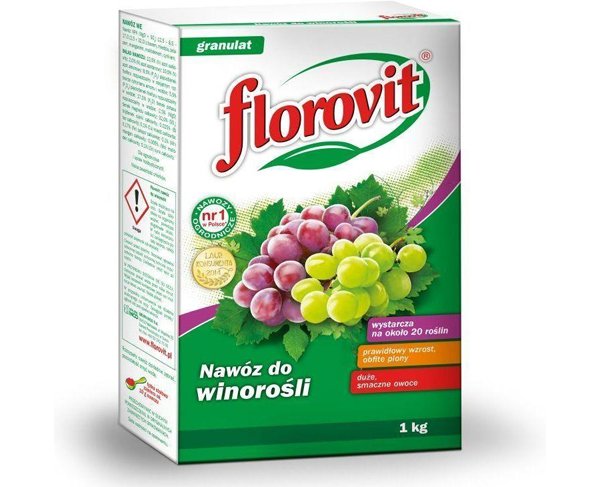
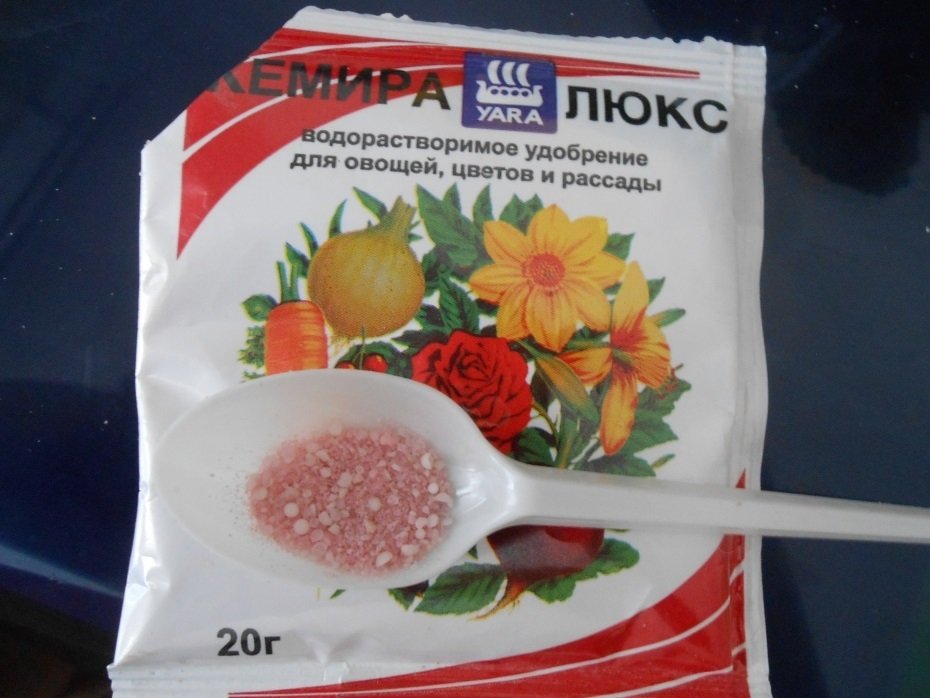
- in the fall, after harvesting – complex mineral fertilizers “Florovit”, “Ecoplant”, “Novofert”, “Kemira Lux”, etc.
-
- Florovit
-

- Novofert
-
- Kemira Lux
Pruning rules
The Isabella variety is a vigorous fruit and berry cultivar. Without pruning, yield declines. The fruit loses both marketability and flavor.
Grapevines are pruned in the second half of October. All fruiting shoots are shortened to 10–12 buds. Woody vines are cut back by two-thirds, and seasonal growth by one-third. Broken, damaged, and dried shoots are removed.
Do I need to cover it for the winter?
Preparing the vineyard for the coming cold weather begins immediately after the harvest. The first step is to perform a pre-winter moisture-replenishing irrigation.
The pruned vines are removed from their supports and carefully bent to the ground. The branches are bundled into trenches and secured with metal staples. The vines are then covered with dry fallen leaves, river sand, peat, and spruce branches. Covering the fruit tree with agrofibre or any other non-woven fabric will help protect it from frost.
Grapes grown in southern regions require no additional winter protection. The plant tolerates mild and warm winters well.
Common diseases and pests of the variety
Isabella has a high immunity to most fungal and bacterial infections. Unfortunately, however, the plant often suffers from anthracnose, the first signs of which are dark brown spots on leaves and shoots. To save the vineyard, use products such as Abiga-Peak, Topaz, Ridomil Gold, and Skor.
Periodic spraying of the vineyard with a 1% solution of copper sulfate is one of the mandatory preventive measures for the development of anthracnose.
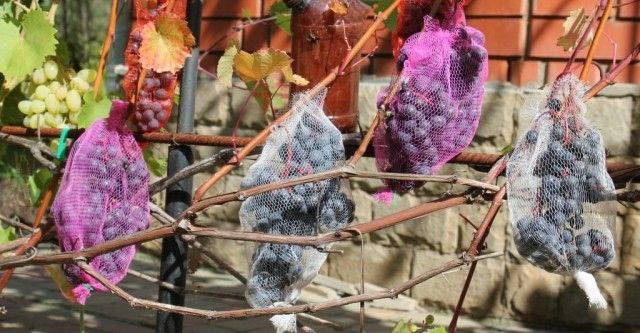
The main pests of this variety are wasps and birds. To preserve the harvest, experienced winegrowers recommend placing mesh bags over the bunches.
Reviews from winegrowers
"I've been growing grapes for over 10 years. Over this long period, I've had the opportunity to become familiar with many grape varieties, but my favorite is Isabella. High yields, unique flavor characteristics, and amazing wine are the main advantages of this fruit crop."
"Isabella thrives, rarely gets sick, and requires virtually no attention from the gardener. The only drawback is its tendency to grow quickly, so frequent pruning and thinning is necessary."
Isabella grapes are ideal for both experienced and novice winegrowers. With minimal effort and time, you can harvest a bountiful harvest of juicy berries.