
The best grape varieties for white and red wine
Content
The best varieties of red grapes
Red wine grapes are more popular among winegrowers. They are easier to care for, and the red wine they produce is more in demand. Popular red wine grape varieties include:
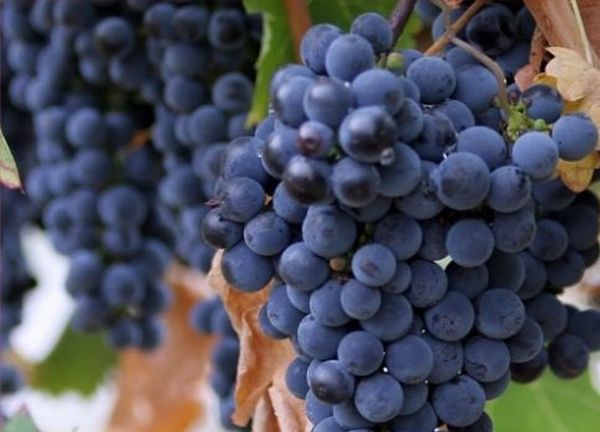
- Mukuzani grapes. Frost-resistant, resistant to pests and wasps. One bush yields up to 50 liters of wine. Sugar content is approximately 22–23%. The harvest is in early August;
- Regent grapes. Originally from Germany, where they are used to produce organic wine. The flavor is sweet, with a slight herbal aftertaste. The sugar content is high. The variety ripens in late August – early September.
- Rubin Golodrigi grapes. These have round, sweet berries with a nightshade aroma. Up to 150 centners of harvest are collected from one hectare. Rarely gets sick and is not afraid of insects;
- Gurzufsky Pink grapes. They have a distinct Muscat flavor. Up to 150 centners of fruit are harvested per hectare, ripening in mid-August. This variety is easy to grow and tolerates frost well, but it's still worth covering.
- Black Pearl grapes. They have a strong muscat aroma and produce fruit well. The berries are large and juicy with a high sugar content. The fruits ripen in mid-September;
- Magic grape. Ripens in September. It is distinguished by a large yield (145 centners per hectare). The bunches are large. The fruits have a delicate honey-muscat flavor;
- Sangiovese is a grape variety. It is most widely planted in Italy, where 11% of all wines are made from this variety. It has a large number of varieties and produces average yields.
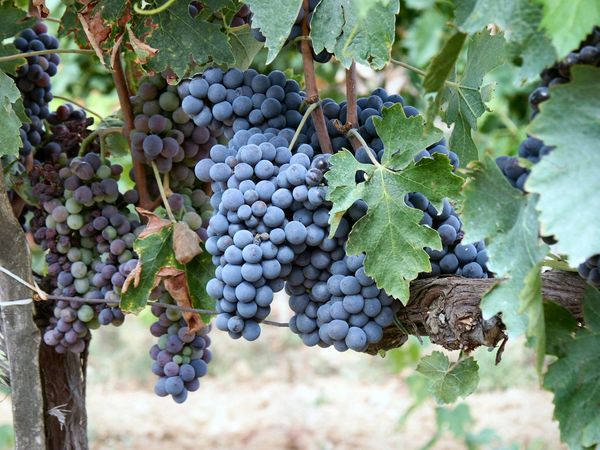
- Golubok grapes. The clusters are small. The Golubok grape variety produces medium-sized berries with a strong waxy coating. The yield is average. Harvesting time depends on the type of wine being made (for table wines, in late September, and fortified and dessert wines, in early October). A wine-making grape by nature, it can also be served as a table grape.
- Crimson grapes. Seedless. Up to 180 centners of harvest can be obtained from one hectare. This variety is resistant to diseases and insects, and is very popular with birds. This grape wine variety is very popular;
- Black Magic grapes. For a wine grape, the clusters are very large, the berries are fleshy. Sugar content is average. The harvest ripens in September. It has a black color;
- Odessa Black. Resistant to parasites, wasps, and other pests. It produces large clusters with very small fruits. It is used for making wine and juice. Odessa Black ripens in mid-October;
- Malbec. Developed at the beginning of the last century, it gained its greatest popularity in France. Malbec is very heat-loving;
- Montepulciano. Very popular in Italy, with over 35,000 hectares devoted to it. Unpretentious, it produces large, juicy berries;
- Grenache. Most popular in Spain. It is one of the oldest varieties. It is used to produce the highest quality drinks. It has several varieties.
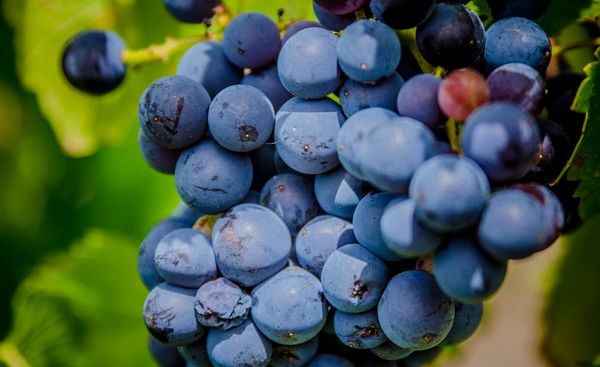
- Tsimlyansky Black. Common in the Don region. It is used to make both regular and sparkling wine. This black grape is undemanding and tolerates frost well;
- Bako Black. Developed by French-American breeders. Frost-hardy (down to -27°C). The fruits are very small, sweet, and juicy;
- Mars. Seedless, very juicy, produces a large harvest. Used as an arbor crop;
- Marquette. The patent for this variety was only granted in 2005. It is considered one of the newest and most promising. It produces a large yield and is frost- and pest-resistant.
- Medina. It has increased resistance to all pathogenic bacteria and is resistant to insects and wasps. It ripens by mid-September. If over-ripened, the sugar content increases significantly. Medina is used to make sweet wines and juices. The berries are pearl-like;
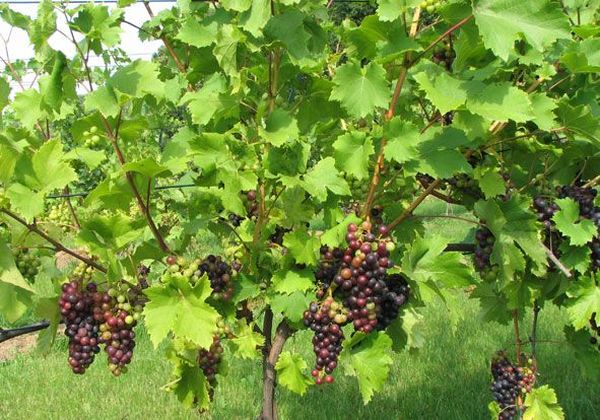
- Alminsky. Developed in Ukraine in 2007, it has high disease resistance and is very frost-hardy, and can be grown in northern regions. It produces a good harvest. The fruits are large and round.
- Black Doctor. Most popular in Crimea. Late-ripening, ripens in late October. Moderate disease resistance. Large yield;
- Doina. Late-ripening (ripens in mid-October). The yield is very high (200 centners per hectare). The fruits are sweet and juicy;
- Krasnostop Zolotovsky grape. Common in the Krasnodar and Rostov regions. Productivity is low (only 60 centners per hectare). Clusters and berries are small. Very sweet. Perfect for winemaking.
- In Memory of Golodriga. Bred in Ukraine in 2008. It is used to make regular and sparkling wine, juice, and even jam. Sweet;
- Neretinsky grape. Very frost-resistant (down to -35°C). Unpretentious. The berries are juicy (up to 70% juice), sweet (up to 23% sugar), and have a blue bloom;
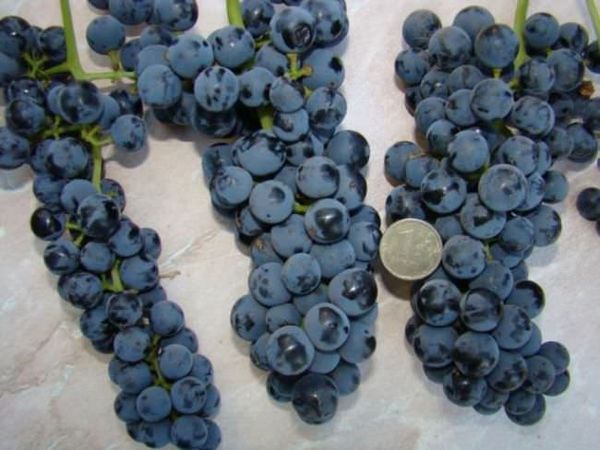
- Frontenac grape. It's relatively young (just over 20 years old). It ripens in October; the fruits are small, round, but juicy and sweet. It's frost-resistant down to -34°C. With proper care, it can be grown even in colder regions.
- Cabernet Cortis grape. Unpretentious and rarely prone to disease, the berries are medium-sized and round. Wines made from this variety are highly prized. The flavor of these drinks is very similar to that of Cabernet Sauvignon.
This list presents the best and most important grape varieties for winemaking. These wine-making grapes allow you to not only enjoy the flavor of the berries but also enjoy this wonderful beverage year-round.
The best varieties of white grapes
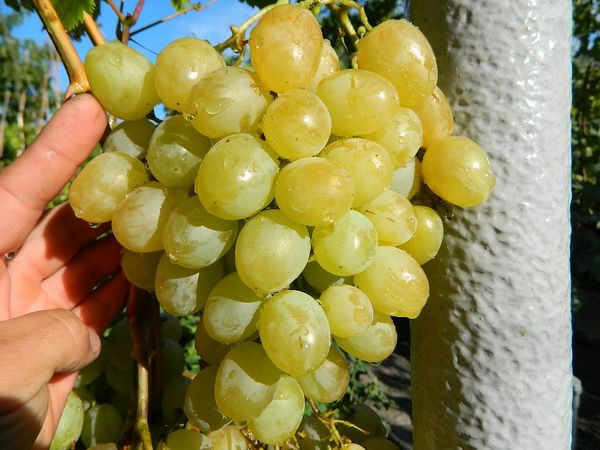
White wine grape varieties are easy to grow and produce a rich, juicy drink. They make a wonderful addition to any holiday table. The main grape varieties used to make white wine are:
- Sponsor grapes. An exquisite white variety. Unpretentious. Ripens in mid-August. Bunches weigh up to 1 kg. The berries are large, have a Muscat flavor, and citrus notes.
- Viorica grape. Sweet, with a Muscat aroma. Low yield, susceptible to diseases and insects. Average frost resistance. Ripens in mid-September;
- Marshal Foch grape. Prefers sandy soils. Ripens early in the fall. Resistant to pests and frost. Wines made from it have a "Burgundy" character.
- Aligote grape. Popular in California and France. It thrives in full sun and becomes susceptible to disease with constant watering. The berries are small and round;
- Pinot Grigio. Originally from Burgundy (France), the most delicious wines are made in Italy. It takes on a vibrant pink color when ripe. There are many varieties, including Pinot Gris;
- Kokur. Yield depends on weather conditions (100 to 180 centners are harvested per hectare). The variety's origins are unknown, but it most likely originated on the shores of the Black Sea. It thrives in full sun and does not tolerate frost well. It has several varieties;
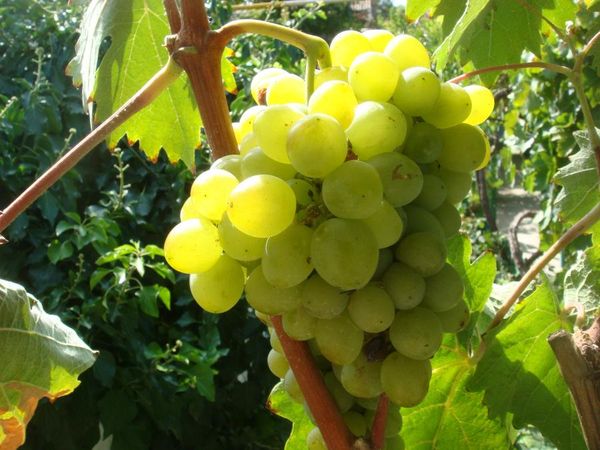
- Solaris. Very sweet (if picked on time, in late August, the sugar content reaches 20%; if over-harvested and picked in October, the figure reaches 30%). It is very popular with wasps and birds, which can destroy half the harvest;
- Dublyansky. Highly frost-resistant (down to -34°C). The flavor is exquisite with honey-muscat notes. The fruits have a pink tint;
- Muscat Golodrigi grapes. Disease-resistant and frost-resistant, they produce a large harvest. The berries are sweet and juicy. The average bunch weight is 300 g. They are resistant to mildew, gray mold, oidium, and other pathogens.
Many people wonder: which grape variety is best for white wine? It all depends on the region where it's grown, the weather conditions, and the winemaker's taste preferences. Kokur is perfect for those living in hot, dry climates. Dublyansky or Muscat Golodrigi, however, can be grown in central Russia, but they require proper care. Then, they will delight you with excellent drinks and fresh berries.
Video: "Mistakes of Beginner Winegrowers"
This video will tell you about the most common mistakes novice winegrowers make.