
30 Best Table, Technical, and All-Purpose Black Grape Varieties
Content
The benefits and harms of black grapes
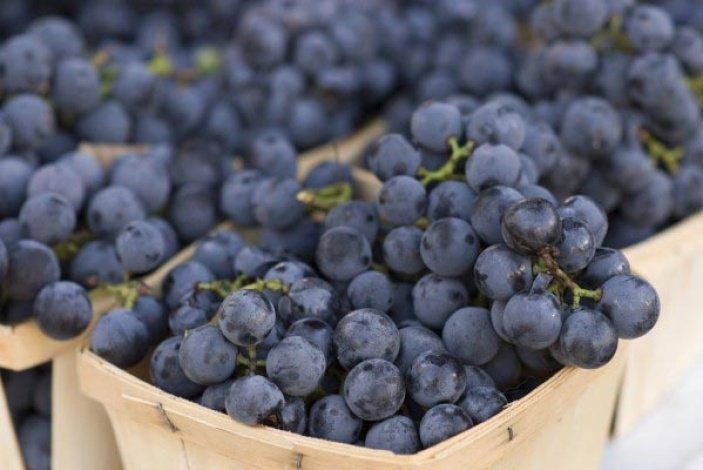
Black varieties are subspecies of dark blue species, sometimes with telling names: Black Prince, Black Orchid, etc. By following proper agricultural practices, it is possible to grow a crop with a host of beneficial properties, allowing doctors to recommend the product for certain illnesses and for preventative purposes.
Benefits of black grapes:
- improves perception of information during memorization and learning;
- pleasant taste reduces anxiety during stress;
- reduces the risk of dementia in the elderly;
- stabilizes heart function, reduces blood pressure;
- improves the structure of the retina;
- normalizes the functioning of the endocrine system (recommended for menstrual cycle disorders);
- thins mucus, relieves irritation and burning in the throat;
- strengthens in small portions, weakens in large ones.
Nutritionists recommend including grapes in the diet of those wishing to lose weight as a low-calorie food that reduces appetite.
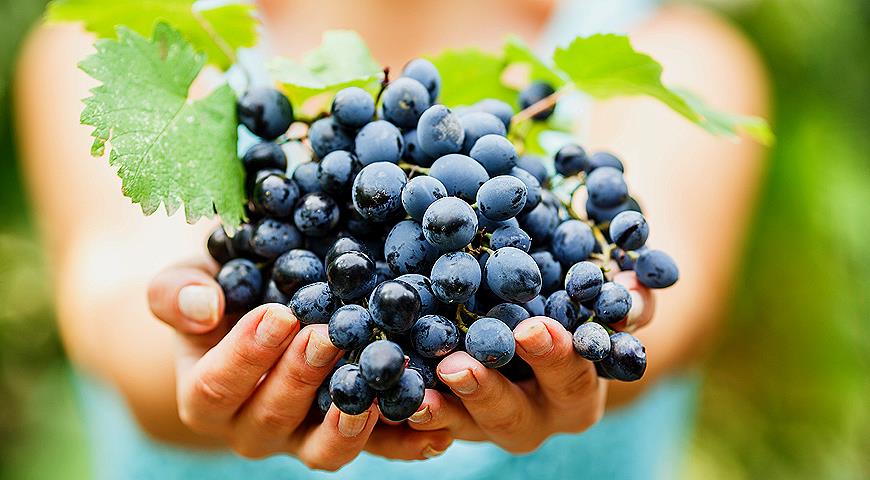
Eating black grapes isn't always beneficial, especially in large quantities. Most varieties are high in calories and contain a lot of sugar and coloring pigment. Excessive consumption of the product causes harm, in particular:
- glucose concentration increases;
- appetite increases, which leads to overeating, which is dangerous for people with excess weight;
- allergic reactions occur, such as dermatitis or urticaria;
- teeth are suffering;
- the effectiveness of anticoagulants is reduced due to vitamin K;
- gastrointestinal diseases (gastritis, ulcers) worsen;
- may cause intestinal upset when combined with milk, mineral water and fatty foods.
Let's list the main contraindications:
- During pregnancy, it is better to avoid black grapes altogether or consume them in small doses.
- It is harmful for people with diabetes, acute gastrointestinal diseases, ulcers and gastritis, as it contains a high concentration of glucose.
- Not recommended for children under one year of age.
Video "The Best Wine Grape Varieties"
This video features the ten best grape varieties for making wine.
The best black table grape varieties
Although white and red grape varieties are more widespread, black grapes are in no way inferior. The cultivation principles are the same, and the selection is diverse.
Most have similar parameters. The general description is as follows:
- tall bushes;
- flowers of both sexes, i.e. the plant is self-pollinating;
- the clusters are massive, the density of berries is loose or medium;
- the geometry of the bunches is cylindrical-conical or cone-like;
- the berries are massive, round or oval, with a strong, thick core, fleshy, and crunchy;
- the skin is medium or thin, almost not felt when eaten, does not crack;
- the strong shell does not attract wasps that can spoil the appearance;
- mid-early ripening period;
- sugar level from 16 to 20%, acidity 5–9 g/l;
- the harvest can remain on the branches for more than a month, maintaining an attractive appearance and taste;
- average frost resistance: from –20 to –23 °C;
- maturation and rooting of cuttings are normal;
- absence of peas;
- resistance to grape diseases at the level of 3–3.5 points;
- the taste is traditional (sweet and sour), but pleasantly balanced, tasting score is at the level of 8.4–8.5 points;
- attractive presentation;
- tolerates transportation well;
- Good shelf life, can be stored for 3-4 months.
Academician Avidzba
To create the crop bred in Ukraine, the Podarok Zaporozhye and Richelieu varieties were used.
Parameters:
- brushes weighing about 1 kg;
- fruits are blue-black, elongated-oval;
- ripens in 100–115 days;
- 22-25 tons are harvested per hectare of plantings;
- withstands frosts down to –24 °C.
Cons:
- attracts wasps;
- the primary brush on the shoot has smaller berries than the subsequent ones, therefore it is advisable to cut off the first inflorescence;
- failures in self-pollination occur.
Athos
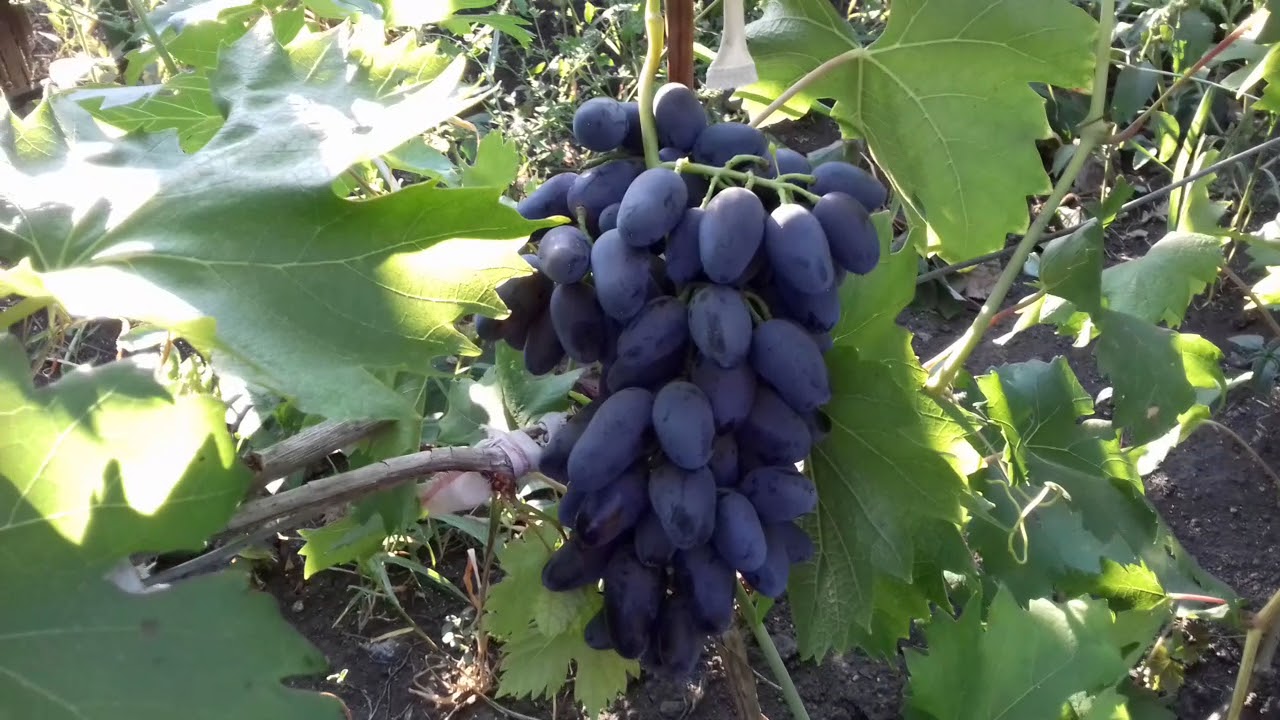
This is a medium-height hybrid from inbreeding Talisman and Kodryanka.
Parameters:
- brushes weigh 600-750 g;
- the berries are dark blue, elongated-ovoid, weighing 10-12 g, the seeds have a small beak;
- ripens in 95–102 days;
- variety immune to fungi.
Cons:
- susceptible to mildew;
- not the most refined taste.
Viking
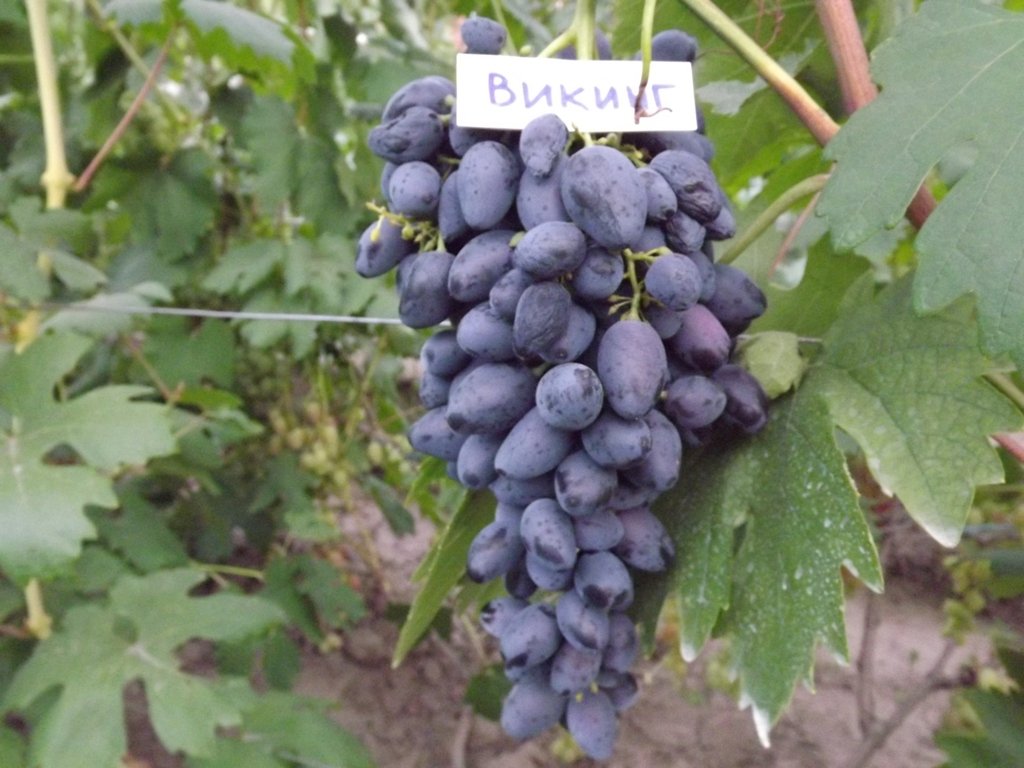
The variety's parents are Kodryanka and Vostorg Krasny. Parameters:
- brushes 600–800 g, under favorable conditions – up to 1 kg;
- berries are dark blue with a waxy coating, ovoid, weight 9–13 g;
- flavor with hints of prunes;
- The maturation period is 100-115 days.
Cons:
- low yield (relative to the size of the planting);
- excess moisture leads to cracking;
- tendency to become fat.
Black delight
The variety appeared as a result of combining three species: Zarya Severa, Dolores, and Russkiy Ranniy.
Parameters:
- the weight of the brushes is 500-800 g, individual ones – up to 2.5 kg;
- berries are dark blue, weight 7-8 g;
- maturation takes 115-125 days;
- fruitfulness 80%;
- resistant to cold down to –25 °C;
- A bisexual variety that matches the flowering period is suitable for pollination.
Cons:
- susceptible to gray mold;
- requires careful care; pollination decreases when the leaves become leafy.
Black Delight is not recommended for beginners. It requires a large area for feeding, careful pruning, and control over the fruit load on the branches.
Gala
The result of hybridization of Kodryanka and Podarok Zaporizhzhia.
Parameters:
- bunches from 500 g to 1.5 kg;
- berries are dark blue, weight 6–10 g;
- The growing season lasts 110-115 days.
However, the variety requires control over overload, otherwise ripening slows down and the sourness increases.
Fun
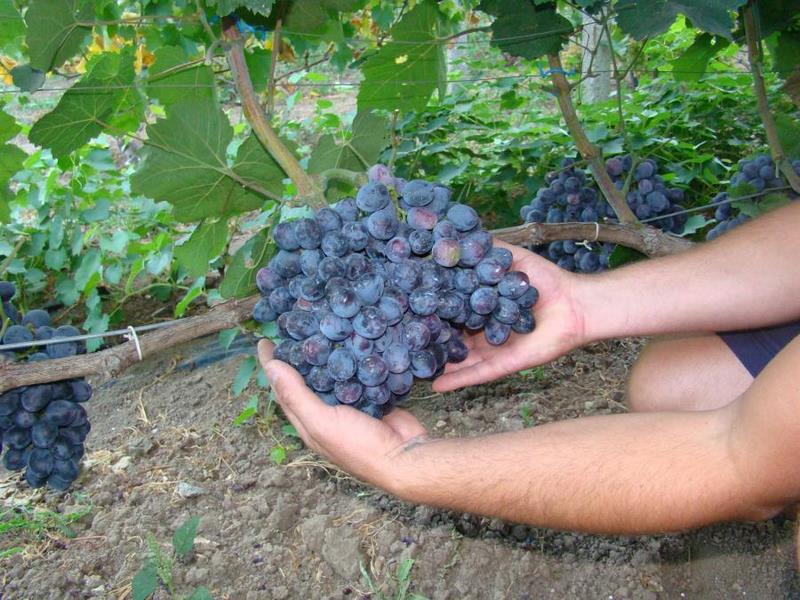
The parents are the varieties Laura and Kodryanka (Zabava was bred as a full-fledged replacement for the latter).
Parameters:
- brushes of 600–1500 g;
- the berries are dark blue with a thick bloom, egg-shaped, weighing 7–12 g, containing 3–4 seeds;
- the taste is balanced (according to reviews – “marmalade”);
- early, ripens in 100–110 days;
- supported by most rootstocks.
However, this variety requires control over the fruit load on the vine. To improve flavor, prune weak shoots and side shoots, and pinch the tips of fruit-bearing branches before flowering. It's also important to ensure the shoots aren't overloaded with excessive blooms and thin the crown to allow sunlight to reach the ripening fruit.
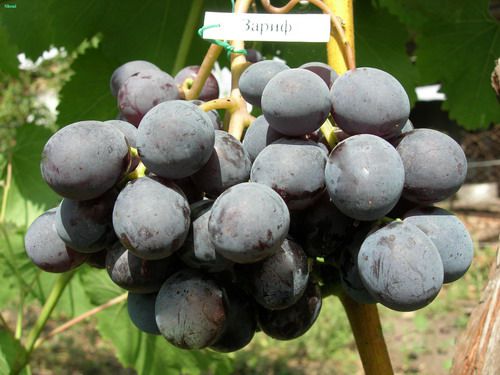
Zarif
Created by Tajik breeders on the basis of Chaush Black and Zhemchug Saba. Medium-sized.
Parameters:
- brushes of the truncated cone shape, weight 500–800 g;
- berries are dark purple, egg-shaped, medium-sized, weighing 4–5 g;
- the taste is harmonious, with a hint of nutmeg;
- the growing season lasts 100–110 days;
- resists anthracnose;
- Responsive to feeding in large doses.
When pruning, keep in mind that overly thick and old vines produce less fruit. One downside is that this variety is heat-loving—it can withstand temperatures as low as -20°C.
Codryanka
The parents are Moldova and Marshal'skiy. It is one of the top 10 most sought-after and easy-to-care-for hybrids.
Parameters:
- brushes weighing 450–600 g, some specimens reach 1.3–1.6 kg;
- berries are dark purple, weight 6–8 g;
- vegetation period lasts 110–120 days;
- yield 80%;
- withstands frost down to –24 °C.
The variety is delicious at low sugar levels (11–13%), as acidity decreases quickly. Cons: pea-like fruit is possible.
Kuban
Bred on the basis of Moldova and Cardinal.
Parameters:
- bunches weighing 600–900 g, sometimes up to 1.5 kg;
- berries are dark blue, ovoid, weight 6–12 g;
- mid-early, ripening time is 115–135 days;
- fruitfulness reaches 65–70%.
Cons:
- there are peas;
- needs protection from sunburn.
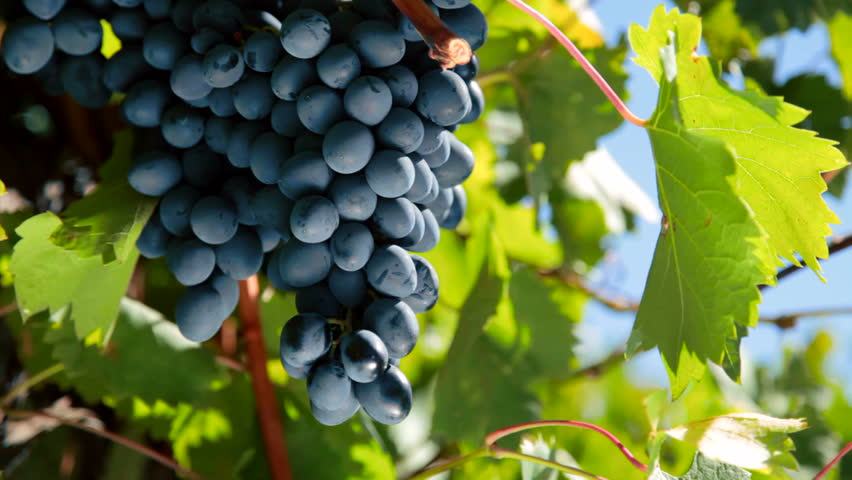
Moldova
Created by combining the hybrids Villar Blanc and Guzal Kara.
Parameters:
- brushes 400–600 g, some up to 1 kg;
- ink-colored berries with a waxy coating, weight 5–6 g;
- tasting score 9.5 points;
- late-ripening, the growing season is 3–3.5 months;
- fruitfulness 70-80%.
Disadvantages: does not resist lime chlorosis and phomopsis.
Nadezhda AZOS
It appeared through hybridization of Moldova and Cardinal.
Parameters:
- brushes 600–900 g;
- berries are purple, weighing 5–9 g and larger;
- vegetation: 120-130 days;
- fruitfulness reaches 85–90%;
- Increased resistance to powdery mildew.
Cons:
- poor rooting of cuttings;
- when the branches are overloaded, the brushes shrink;
- the need to regulate the number of inflorescences.
Autumn black
A cross between Alphonse Lavallee and Pierrelli. There are medium-sized and tall autumn varieties.
Parameters:
- brushes 500–700 g;
- fruits are black with a pruinose bloom, elongated, weight 6–9 g;
- late, ripening lasts 140–150 days;
- fruitfulness at the level of 75-80%.
Disadvantage: excessive moisture causes cracking and increases the risk of gray mold.
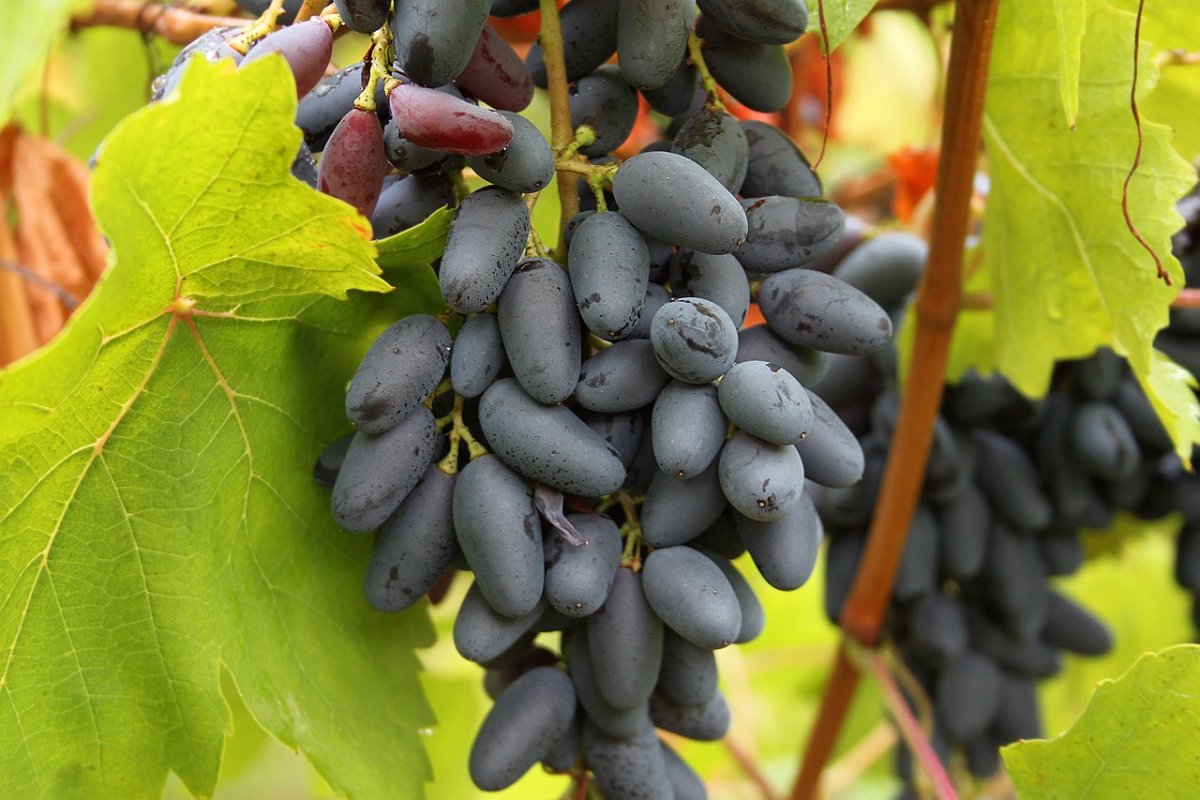
In memory of Negrul
Parents: Datier de Saint-Vallier and Corna Nyagra.
Parameters:
- the bunch is massive, 20x12 cm, weight 500–700 g;
- fruits are dark purple, with a waxy coating, long with a pointed tip, weighing 5–9 g;
- vegetation period 145-160 days;
- sugar level – 14%, can reach 16–17%;
- fruitfulness 66-76%;
- withstands cold down to –25 °C;
- immune to most diseases.
Cons:
- it is necessary to regulate the workload of branches;
- fragile comb.
Rochefort
Created on the basis of Talisman, Cardinal and a set of pollen.
Parameters:
- medium-sized brushes, 300–400 g (sometimes up to 1 kg);
- berries are dark blue, weighing 6–8 g (the largest – 18 g);
- vegetation period: 97–107 days;
- sugar level 14.8 g;
- thermophilic, does not like frosts below -18 °C.
Disadvantages: no immunity to powdery mildew.
Sphinx
Created by hybridizing Strashensky and Timur, the plant's buds open slightly later than other varieties, making it less susceptible to late frosts.
Parameters:
- brushes up to 1 kg;
- berries weighing 6–9 g.
- very early, vegetation takes 100-105 days;
- almost does not form stepsons.
Cons:
- cracks due to excess moisture;
- attracts wasps.
Black emerald
Bred in the USA. A fast-growing, high-yielding variety.
Parameters:
- the bunches are dense, 2-3 pieces of half a kilo each are formed on a shoot;
- fruits are coal-colored, elongated, weighing up to 5 g, without seeds;
- the taste is sweet with a nutmeg hint;
- early, ripens in less than 110 days.
Effect
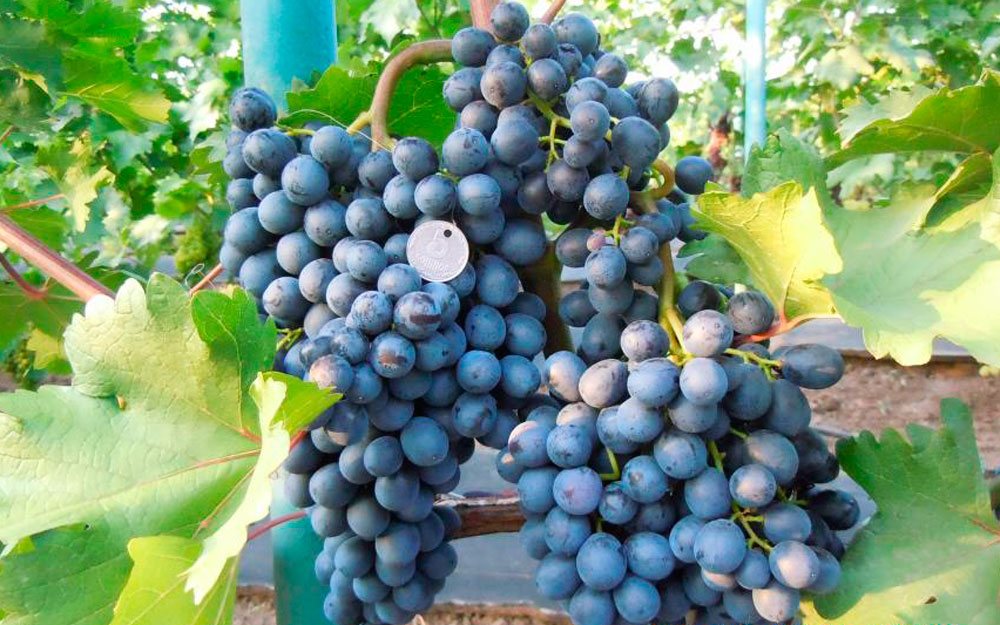
The parent varieties are Talisman and XVII-10-26 (an ultra-early red Muscat). Bred by a private breeder, no serious study has been conducted. It was intended to promote viticulture in the northern regions, but has received many positive reviews from winegrowers in the south.
Parameters:
- the bunches are beautiful, 500–800 g, sometimes up to 2 kg;
- berries are red-violet, small, weighing 6–9 g;
- The growing season lasts 100–115 days.
- resistant to mildew, oidium and grey mould;
- frost-resistant, withstands temperatures down to -24 °C, however, in the central and northern regions the bushes need to be covered.
Disadvantages: due to the small size of the berries, the marketable appearance is poor.
If you keep the harvest until September, the fruits turn black and become sweeter.
The best black wine grape varieties
They are used for the production of dry, semi-dry and dessert wines.
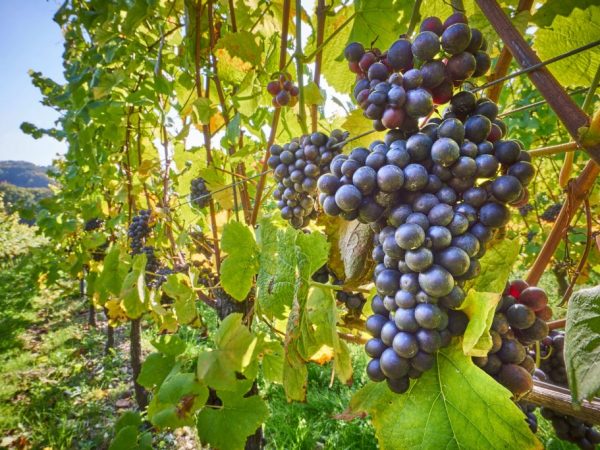
Augusta
Made on the basis of the Kazachka and CB 12-309 varieties.
Parameters:
- small brushes, 110-120 g;
- the berries are dark blue with a pruinose layering, small, weighing 1.3–1.7 g;
- Muscat taste, wine tasting score 7.5 points;
- vegetation: 126–129 days;
- sugar level reaches 23-24%;
- cold resistance up to –25 °C.
- resists oidium by 1.5 points, mildew by 2.5, phylloxera by 3.5;
- Other rootstocks are suitable, but Kober 5BB or 101-14 are desirable.
Cons:
- a large number of stepsons;
- requires abundant watering.
Alievsky
Parents: Viorica and Startovy. Grown for red wine production.
Parameters:
- medium brushes, 130 g;
- the berries are blue-black, odorless, the skin is strong;
- vegetation period takes 130-133 days;
- yield 130 c/ha;
- productivity reaches 85%;
- withstands cold down to –28 °C.
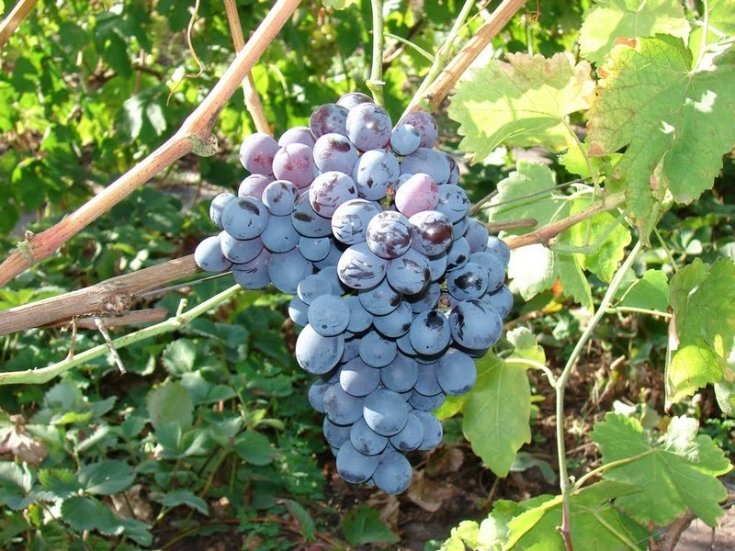
Alpha
Obtained in the USA, parents – V.labrusca and V.riparia.
Parameters:
- medium-sized bunches, 120–220 g;
- the berries are black with a red-violet tint, with a layer of wax, the skin is strong, and smells like strawberries;
- taste with a noticeable sourish aftertaste,
- ripen within 140–145 days;
- yield 150–180 c/ha;
- sugar content 15–16%; acids 10–11 g/l.
- serves as a rootstock for crops with low frost resistance.
Cons:
- susceptible to spots and pests;
- sour.
Taiga
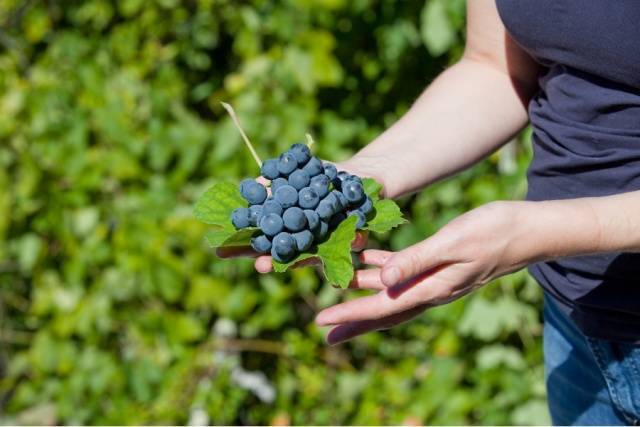
Female-type inflorescences. Recommended for cultivation in northern regions.
Parameters:
- bunches are small or medium, weight up to 250 g;
- the berries are dark blue, weighing 2.54 g, with a nutmeg aroma and labrusca flavor, and contain a lot of pectin;
- vegetation period lasts 130–134 days;
- sugar content 17–24%;
- resistance to cold down to -35 degrees;
- high-yielding.
Cons:
- occasionally attacked by mildew;
- a pollinator variety is required, preferably Alpha;
- Oversaturation with brushes reduces sweetness.
Black finger
Made in America. Parameters:
- the weight of the bunches is about 1 kg, sometimes up to 2 kg;
- the fruits are very elongated, shaped like human fingers, weighing 10–12 g;
- the taste is unusually sweet;
- matures in 120–128 days.
- The yield is stable.
Odessa early
Table variety. Parameters:
- bunches are medium-sized, sometimes with branches, weight 300 g;
- the berries are light green, sometimes with a yellow tint, round;
- taste with a hint of muscat, tasting score 7.5–7.8 points.
- vegetation period 110–112 days;
- The yield is moderately high, but not stable enough, fruitfulness is 60-65%.
- minor flower shedding and pea formation.
Cons:
- highly susceptible to grey mould, mildew, oidium, and leaf roller;
- Winter hardiness is low, down to -18 °C, but since the side shoots bear fruit well, the harvest is partially restored.
Don Muscat
Belongs to the early species. Parameters:
- the clusters are medium-sized, quite dense;
- the berries are black, small and medium-sized;
- the juice is colored;
- high-yielding;
- sugar content 30%, acid – 6.7 g/l;
- compatible with common rootstocks.
Cons:
- needs prevention from fungal diseases;
- poor frost resistance.
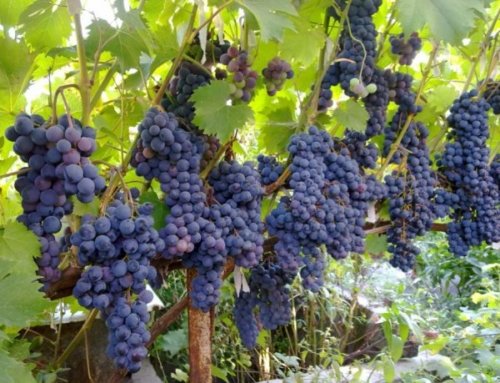
Livadia Black
Mid-early and mid-height hybrid. Parameters:
- medium-sized bunches, 200–250 g;
- berries are black, weight 1.5–2 g;
- traditional taste with a hint of muscat;
- Vegetation period lasts: 128–138 days.
The best black all-purpose grape varieties
They are used in the creation of a variety of products and taste pleasant when fresh.
Isabel
Developed by hybridizing Labrusca and Vinifera. Parameters:
- brushes weighing 140 g, with branches;
- the berries are dark blue, the skin is strong;
- the pulp is slimy and smells like strawberries;
- ripening period 150–180 days;
- sugar content 17%;
- yield 75 c/ha;
- recommended for areas with low calcification;
- ripens without problems in rainy climates.
Even old branches produce fruitful shoots, which ensures good harvests even when the main buds freeze.
Cons:
- sensitive to drought (the bush stops growing, leaves fall off);
- when there is a lot of foliage, it is attacked by mildew.
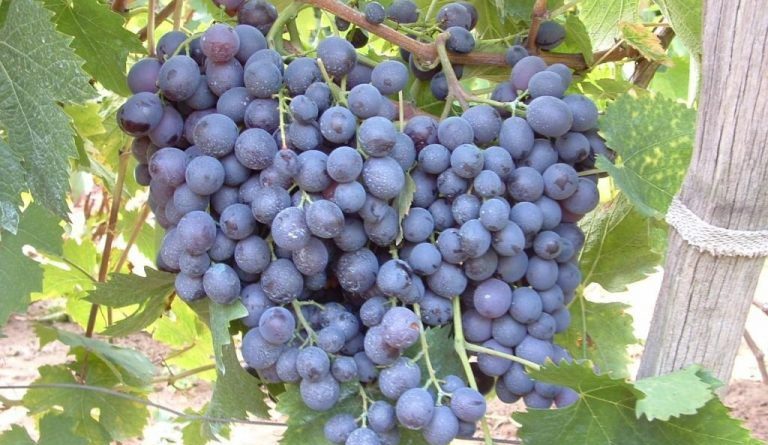
Muscat of Hamburg
Parents: Frankenthal and Muscat of Alexandria. The variety was bred in the UK for greenhouses.
Parameters:
- branched brushes, weight 170-270 g.
- berries are purple-blue with a waxy coating, weight 3-4 g;
- tasting score 9 points;
- maturation period: 150 days;
- sugar content 17–23%;
- fruitfulness 67%;
- yields are excellent but inconsistent;
- immune to leaf roller;
- It thrives on southwestern slopes with loam, sandy loam and sandy soils.
Cons:
- thermophilic, can withstand cold down to -18 °C;
- not protected from disease;
- peas are possible.
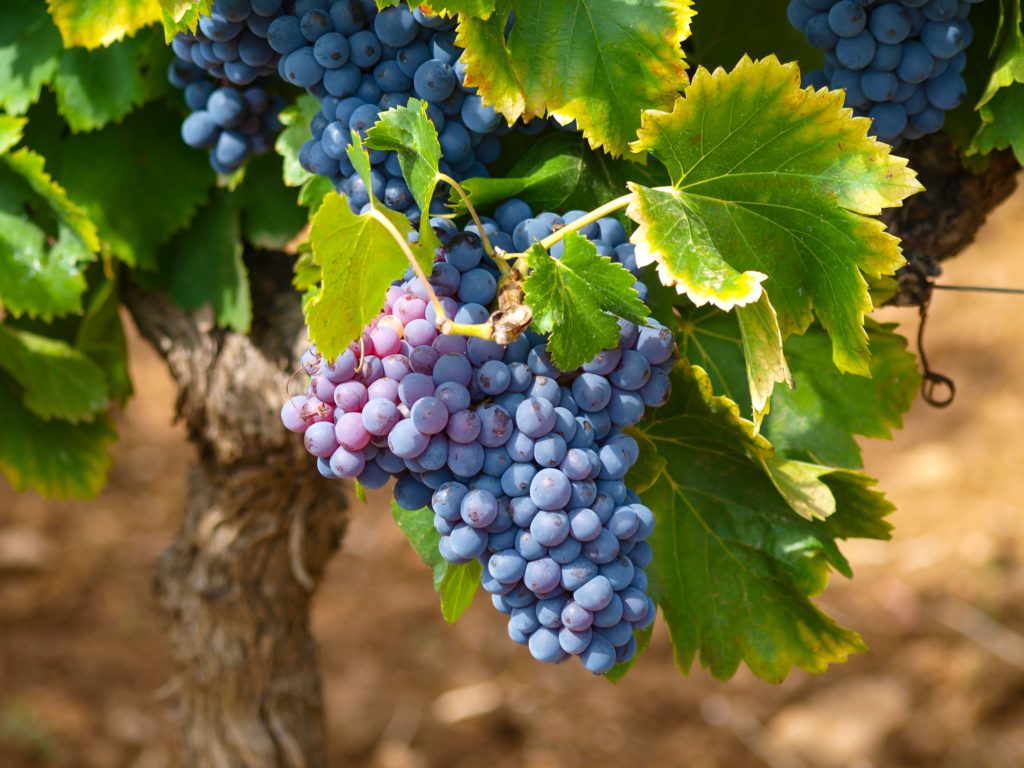
Zilga
Developed by crossing Smuglyanka with pollen from Dvietes zila and Yubileiny Novgorod. Parameters:
- brushes cylindrical, weight 330–400 g, sometimes with branches;
- the berries are dark blue, massive, weigh 4.4 g, the pulp is slightly slimy, reminiscent of Isabella;
- vegetation period: 99–107 days;
- sugar content 18-22%;
- cold-resistant up to –25 °C;
- tolerant of popular rootstocks.
One of the downsides is the low tasting score of 7.1 points.
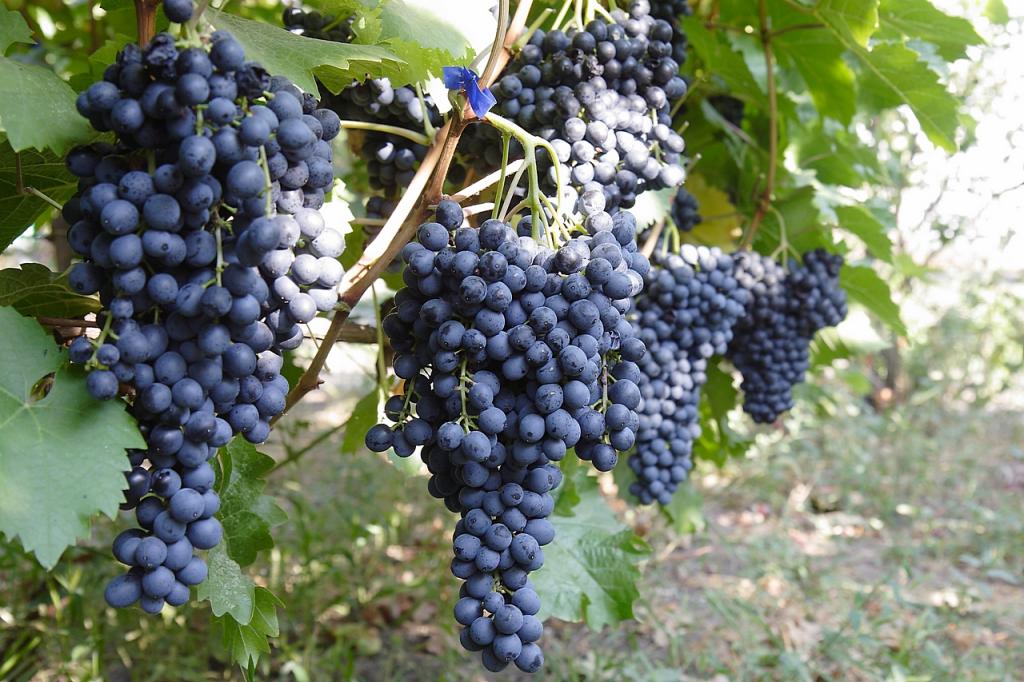
Krasen
A hybrid obtained by crossing the Antey Magarachsky and Sverhanniy Bessmennyy Magarach varieties. It is used in the production of environmentally friendly table and dessert wines, such as Cahors, and is suitable for fresh eating (it has no seeds).
Parameters:
- genetically immune to diseases;
- not afraid of drought;
- yield up to 180 c/ha;
- Sugar content: 30%.
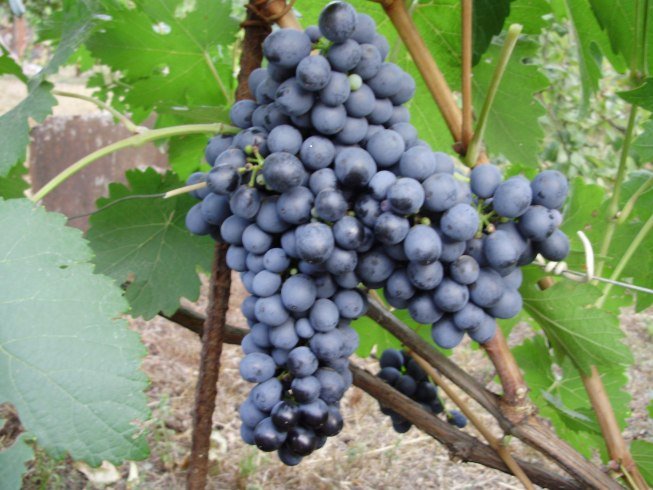
Ruby Magaracha
A hybrid of Cabernet Sauvignon and Saperavi (hybrid no. 56). One of the most popular in Crimea.
Parameters:
- the clusters are medium-sized, branched, weight 135 g;
- the berries are dark blue with a bloom, medium-sized, the skin is thick, contains 2-3 seeds;
- light juice;
- taste with a hint of burnt smoke;
- ripening period 166–170 days;
- fruitfulness 80-90%;
- high-yielding;
- drought-resistant.
Disadvantages:
- weak immunity to powdery mildew;
- attacked by spider mites;
- poor winter hardiness
-
- Ruby Magaracha
-
- Krasen
-
- Zilga
-
- Muscat of Hamburg
-
- Isabel
By planting the right grape variety in your garden, you can enjoy its fruits for years to come, making compotes and juices. The flavor profile of the best varieties can conquer even the most discerning gourmet.