
Description of the table grape variety Arcadia and the features of its cultivation
Content
History and description of Arcadia grapes
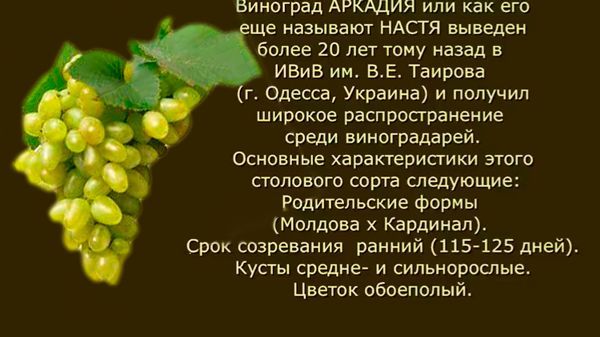
The Arcadia grape (also known as Nastya) is the result of cross-pollination between the Cardinal and Moldova varieties. The hybrid has inherited the best qualities of its parents and has become one of the five most widely consumed grape varieties.
Bushes and bunches
Arcadia is a medium-sized fruit and berry crop. A distinctive feature of this variety is that approximately 50–70% of its shoots are fruit-bearing. Since the flowers are bisexual, the plant does not require additional pollinators. On the contrary, Arcadia is often used to pollinate other grape varieties.
The shoots are mostly erect. In a favorable microclimate, the vine grows up to 2 meters. Extensive interlacing is not typical of this fruit and berry crop. The leaves are broad, five-lobed, and slightly pubescent on the underside.
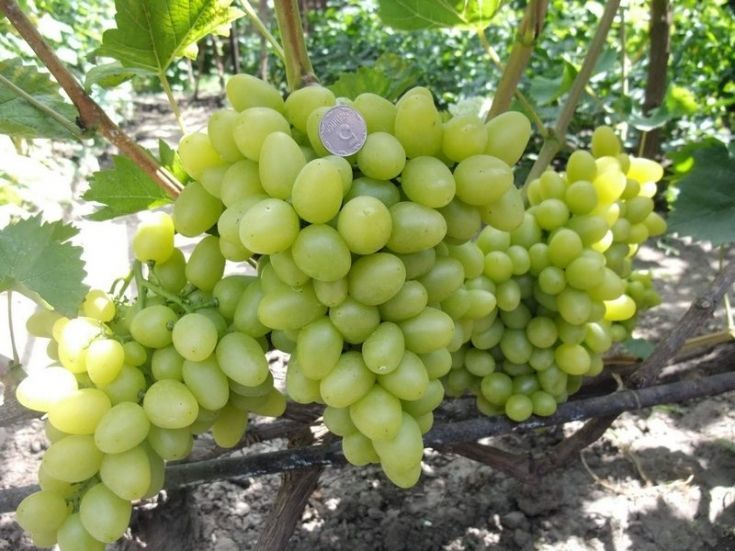
The grape clusters of this variety have a characteristic cylindrical-conical shape. The average weight of a ripe, harvestable bunch of grapes is 700 g. In reality, the clusters are significantly larger and heavier, reaching 2–3 kg.
Characteristics of berries
Ripe Arcadia grapes have a beautiful amber skin. Depending on the amount of sunlight, the skin can be yellow or light green. The pulp is juicy, sweet, and slightly tart. It has a slight muscat aftertaste. The berries are large, elongated, ovoid. Fruit weight at harvest maturity ranges from 10 to 15 g.
Productivity and application
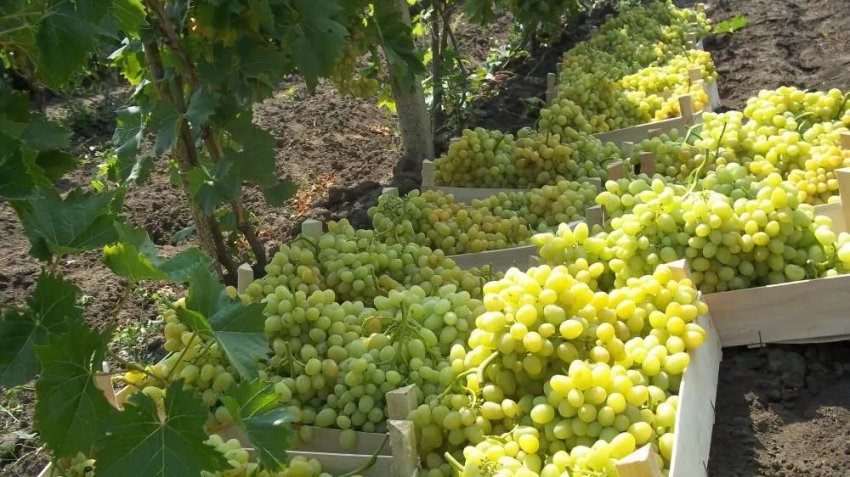
Arcadia is an early-ripening variety. According to the description, the ripening period is 110–120 days. A mature vine yields 20 to 50 kg of juicy berries. However, experienced winegrowers advise against overloading the vines.
The berries are eaten fresh or processed into juices, fruit drinks, and wines. Arcadia can also be used in the confectionery industry.
Winter hardiness and drought resistance
The variety's drought tolerance is relatively low. The plant tolerates neither too much nor too little moisture well. If watering is not properly maintained, the fruit will pea and crack.
Regarding frost resistance, Arcadia grapes are frost-resistant. When protected, the vine can withstand temperatures as low as -26°C.
Advantages and disadvantages of the variety
To understand the popularity of Arcadia grapes, one must carefully examine its advantages and disadvantages.
- no need for additional pollination;
- early ripening;
- high yield;
- amazing product qualities;
- interesting taste;
- versatility of application;
- long shelf life and high transportability;
- excellent winter hardiness;
- unpretentiousness in cultivation.
- tendency to overload the vine;
- low immunity to powdery mildew;
- high probability of pea-shaped and cracking fruits under unfavorable weather conditions.
Video: "A Detailed Description of the Arcadia Grape"
This video presents descriptive characteristics of the plant and berries.
Basic agrotechnical measures
Next, we will consider the main agricultural practices, the observance of which will increase yields and improve the crop's resistance to diseases and pests.
Selecting a seedling
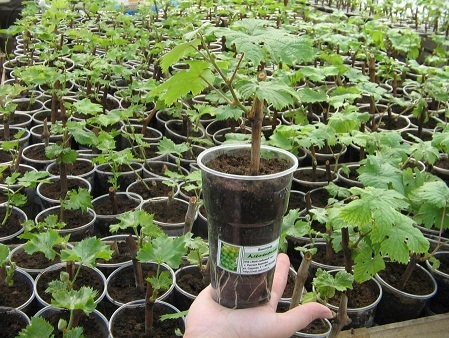
The first rule of a successful gardener is planting high-quality seedlings. For this reason, it's best to purchase seedlings from specialized nurseries. An ideal cutting has a healthy appearance, several root branches, two or three buds, and a couple of developed leaves.
Landing rules
The optimal time for rooting cuttings is mid-spring. Arcadia prefers full sun and avoids drafts. When choosing a planting site, consider these criteria. The soil should be light and fertile.
The bottom of the planting hole must be lined with drainage material. The cutting is rooted next to the installed trellis. The root collar should not be buried deep. The recommended height from the ground surface to the root collar is 5 cm.
Caring for young and mature vines
Watering should be moderate and regular. Please note that overwatering the plant is not recommended, as this can cause rot on the root shoots and root collar. This variety prefers root watering.
In the fall, when plants begin preparing for winter, watering is essential. Abundant soil moisture acts as a natural barrier against root system freezing.
To improve fruit production, organic matter and potassium-phosphorus fertilizers are used. Nitrogen-containing preparations are used in minimal quantities. This type of feeding is carried out in early spring.
Excess nitrogen in the soil is the main reason for fruit cracking.
The next stage of care is pruning the vines. Bush shaping involves removing old and damaged shoots. Fruit-bearing branches are cut back by half. After pruning, 35 to 55 buds remain on the vine.
Preparing for winter
As noted above, the variety is highly winter-hardy, so Arcadia grown in southern and central regions does not require winter cover. However, in northern regions and areas with unstable climates, it is better to insulate the plant.
First, the vines are pruned, then gathered into bundles and bent to the ground. The top of the bush is covered with pine branches or any non-woven covering material.
-
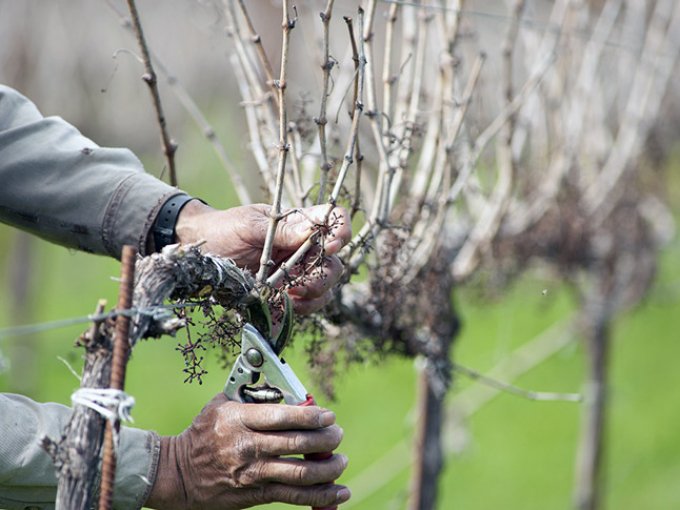
- Pruning grapes
-
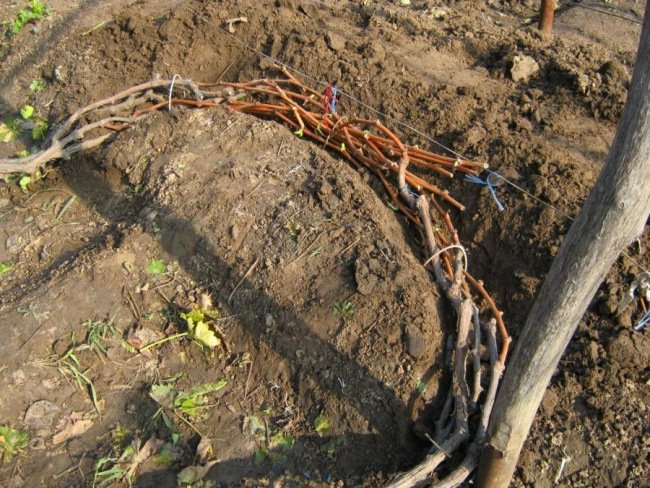
- Laying grape vines
-
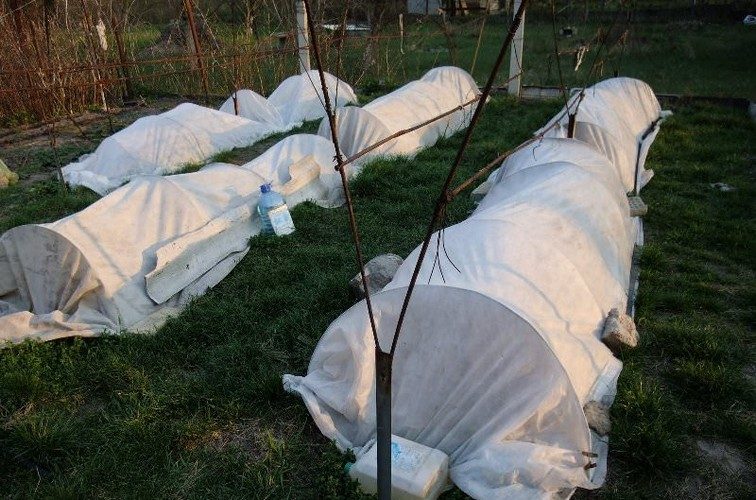
- Insulation with agrofibre
Disease and pest prevention
The variety's main drawback is its high susceptibility to powdery mildew. Ridomil Gold is used for prevention and treatment. The first spraying is done in the spring, as soon as three leaves have formed.
The plant suffers from infestations of flea beetles, weevils, leaf rollers, and phylloxera. To protect grapes from pests, insecticides such as Actellic, Aktara, Zolon, and Decis Expert are used.
Reviews from winegrowers
"I've been growing viticulture for over 10 years. One of my favorite varieties is Arcadia. It requires minimal care, but produces a bountiful harvest of juicy berries every year."
"A few years ago, we planted a 'Arcadia' grape seedling at our dacha. The plant took root successfully and grew vigorously. Every year, we harvest a good crop, which we use to make compotes and fruit drinks for the winter."
Even a novice amateur gardener can manage planting and growing Arcadia grapes. Following the cultivation practices described in this article will ensure consistently vigorous fruiting and high yields.