
Description of the high-yielding pumpkin variety Volzhskaya Seraya
Among the wide variety of pumpkins, with their astonishing size, shape, and skin color, the Volga Gray pumpkin surprises with its modest, somewhat unusual color—it's actually gray on the outside. Its fruit is versatile; its delicious, surprisingly healthy flesh is used to prepare many dishes for both humans (first courses, main courses, and desserts) and pets.
Content
Description and characteristics
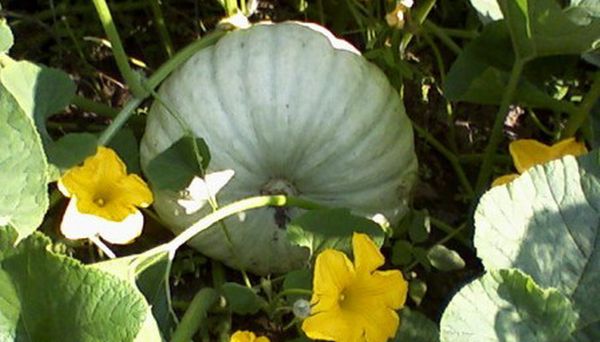
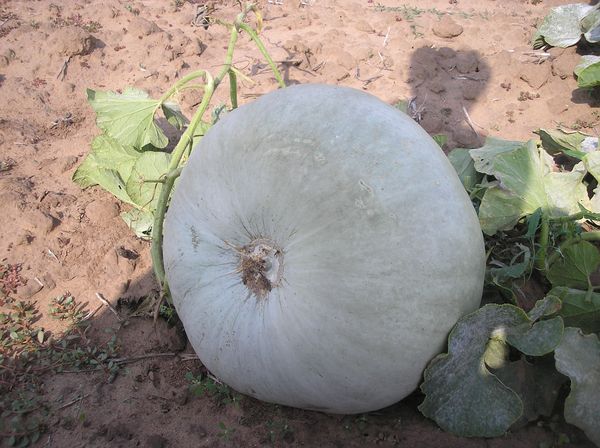
The Gray Volga pumpkin is very popular with gardeners. The description of this mid-season variety emphasizes the large size of the fruit. With proper care and suitable conditions, pumpkins can grow up to 20 kg in weight, although they most often weigh around 10 kg. These large, round pumpkins, slightly flattened at the top and bottom, are covered in a dense, very strong gray skin. It is smooth and elastic, with an even gray color and no patterns.
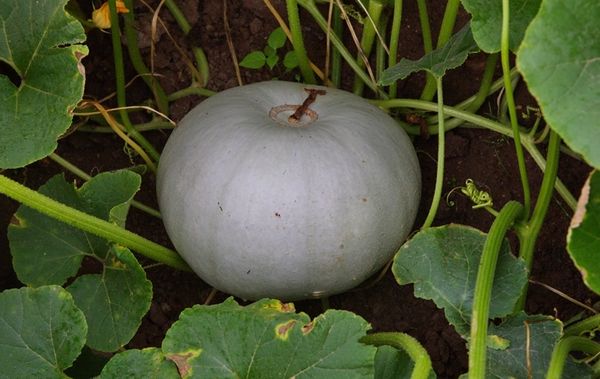
Thanks to this skin, the fruits are easy to transport, have a long shelf life, and don't rot in the garden even when lying on damp soil. Sometimes the skin is barely marked with small segments, as if a slight division into lobes has been outlined. The flesh is creamy or orange-yellow, at least 4.5 cm thick. The seeds are medium-sized, round, and also tasty and healthy.
Volzhskaya is often grown from seedlings in the south, where the long summer allows for leisurely growing. It's sown directly from seeds in the garden and ripens perfectly before the first frost, which takes 3.5 to 4 months. The variety's characteristics indicate that it tolerates periods of drought well, but it can be affected by powdery mildew and fusarium wilt, although its resistance to these diseases is moderate.
Vegetables of this variety prefer a sunny location but can ripen beautifully in partial shade. They require little effort to grow and consistently yield excellent fruit, which is often used in dietary and baby food.
Features of agricultural technology
Like all sweet pumpkins, the Volzhskaya Seraya variety prefers non-acidic, fairly light, and very fertile soil. It grows best in sandy loam and loamy soils with good fertilizer. Fertilize generously before planting—the greedy plant will extract many nutrients from the soil, meaning the flesh of the fruit will be beneficial. It is said that pumpkins grow best in a compost heap, but after harvesting large vegetables, the former compost heap will become impoverished soil.
In autumn or early spring, add manure or humus, compost, wood ash, and complex mineral fertilizers to a sunny, level (or slightly sloping) plot of land for tilling. Prepared seeds are planted no deeper than 5–10 cm after the soil at that depth has warmed to 12–15 degrees Celsius. If the seeds are sown in unheated soil, they will not grow and will simply rot after a few cool days.
First, the seeds are kept in a warm room for a while and disinfected with a solution of potassium permanganate. Many gardeners soak them in warm water to speed up germination, discarding any that float to the surface.
It's best to avoid tall, upright plants near pumpkins, as they can easily climb up them. Place the holes 60–80 cm apart, and plant 2–3 seeds in each. Once the seedlings emerge, only the strongest one is left if all sprout. The same method is used to start seedlings in a warm room or greenhouse, and transplant them into the garden when the plants are at least one month old.
Seedlings are typically prepared in late March or early April, ready to be planted in the garden once the weather is fully warm. Pumpkins need warm water, especially during flowering and fruit set. Watering is then gradually reduced, and once the fruit ripens, it's stopped completely.
Young plants respond well to feeding with herbal mash and mullein infusion. As the fruit ripens, it's best to feed with phosphorus and potassium fertilizers, but avoid overdoing it with nitrogen. From the moment the seedlings are planted (or sprouts emerge in open ground), the soil around the plants can be periodically sprinkled with wood ash – this both nourishes and protects against pests and pathogens. Fertilize the plants no more frequently than every two weeks.
Pumpkins must be trained and not allowed to grow uncontrollably. Otherwise (especially with nitrogen fertilizers), they will produce too many tops and leaves, but the fruits will be small and numerous, and the plant will not be able to produce them all to maturity. Plants are trained into two or three vines, leaving no more than two fruits on each.
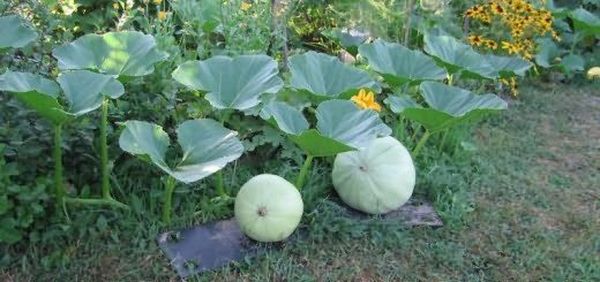
If you want to grow very large fruits, you should leave only one at a time. To do this, leave one shoot on each side of the main shoot after 3-4 leaves have formed, and remove the rest. After this, remove all the side shoots on these three vines as soon as they appear.
After the ovaries grow to 5 cm in diameter, 3-6 of the healthiest, smoothest, and most beautiful ones are selected, and the rest are ruthlessly removed. Each shoot should be pinched back 2-3 leaves after the fruit has formed. This will allow the plant to focus all its energy on ripening large fruits. Harvest before frost.
Video "All About Growing Pumpkins"
This video will tell you all the details about growing pumpkins.