
Classification and review of the best pumpkin varieties
It's eaten raw, boiled, baked, used for decoration, and as animal feed. And it's no wonder, given the incredible number of pumpkin varieties. They differ in size, skin and flesh color, flavor, cultivation purposes, and climate requirements. There are about 100 varieties. The entire pumpkin family (including melons, watermelons, and cucumbers) comprises over 120 genera.
Content
How are varieties classified?
Any classification must be based on some kind of algorithm. Pumpkin varieties are usually divided into table and fodder varieties. However, this classification is not entirely accurate, as fodder varieties intended for animals can have a refined, sweet flavor. Consequently, fodder pumpkins are sometimes edible for more than just animals.
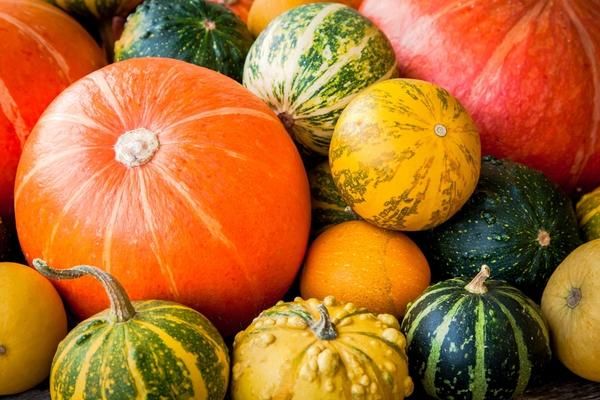
Like all other plants, pumpkins can be divided into groups based on ripening time: early varieties (early ripening), mid-early, mid-season, mid-late, and late. However, even here, it's impossible to fully characterize the variety, since the classification is based on a single criterion.
The basic classification can be considered as follows: hard-skinned pumpkin varieties, large-fruited, nutmeg, and ornamental varieties.
These classifications exist for a reason. Choosing the right variety is crucial for vegetable growers, as each has different climate and care requirements. The right choice will ensure successful results.
That's why we've described the best pumpkin varieties below, dividing them into basic groups.
Hard-shelled
Clearly, these varieties got their name from the hard skin of their ripe fruits. This early-ripening group of small-sized varieties with tasty seeds also includes most bush varieties.
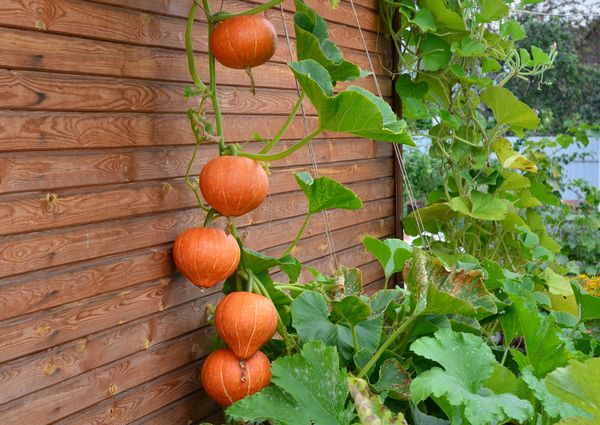
The characteristics of these varieties are as follows: ribbed stalk, hairy stem, pentagonal leaves, large seeds with a clearly defined border.
The best varieties of hard-rind pumpkin are presented below.
Smile is a compact plant with a ripening period of 85 days. The ripe fruit is bright orange with distinctive stripes. This variety produces a good harvest, with 15–16 fruits per plant. The flesh is not juicy, but it is aromatic. The shelf life is 3–4 months.
Orange Honey F1 is a mid-season variety. The pumpkin is flattened, yellow-orange, with straight green stripes and a small seed chamber. The flesh is juicy, honey-flavored, and rich in nutrients. Like all hybrids, this one is resistant to fungal and bacterial diseases. It also has a long shelf life and is easy to transport.
The Honey Pumpkin variety is recognizable by its unusual cylindrical shape. Its fruits can reach 4–4.5 kg in weight. The flesh is sunny in color and has a honey aroma. It can be stored for a long time, while remaining just as tasty and sweet.
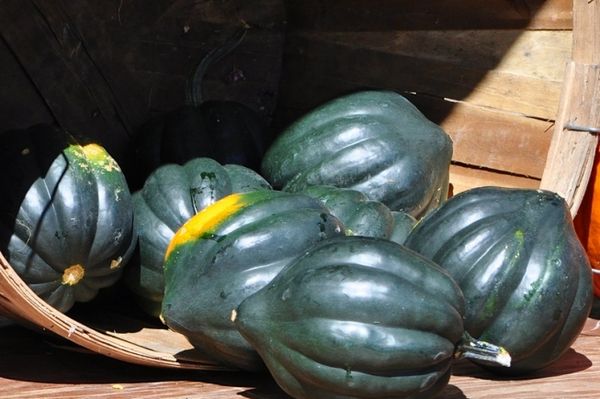
Acorn is an early variety that has both long-vine and bush varieties. The fruit is very oddly shaped, resembling an acorn. The green, black, yellow, or white skin is segmented. The flesh is light yellow and not sweet.
The Plyushka pumpkin is an early-ripening, short-vine variety. The flattened fruit has segmented skin and white stripes. The flesh is bright orange with a high sugar content. It's best grown from seedlings, especially for Siberia.
The Malyshka pumpkin matures in up to 80 days. It has a compact, bushy habit. The fruits are flattened and have dark green skin. It can be grown both from seedlings and by sowing seeds directly into the ground.
Large-fruited
Vegetable growers often select varieties and species based on the weight and size of their ripened fruits. Large-fruited pumpkin varieties are particularly suitable for this purpose.
The Kroshka pumpkin is a strange name for such a large plant, as 3 kg is hardly "kroshka." This is a mid-season, long-vine variety. The Kroshka pumpkin produces light gray, flattened fruits. The flesh contrasts with the skin—bright yellow, not very juicy.
The Stofuntovaya pumpkin is an old variety, once popular in the Leningrad region. It's a late-ripening plant with a very symmetrical shape and twining stems. The fruits are glossy and segmented. They can be yellow, orange, white, or pinkish. They can weigh up to 9 kg. The flesh is not as sweet as honey varieties, and is white or yellow.
The Sdobnaya Pyshka pumpkin is a mid-early variety. Seeds are planted in May at a spacing of 100 x 70 cm. It prefers sunny, windless locations. It stands out for its beautiful turquoise skin and rounded shape. It has a very sweet taste, so it is most often eaten raw.
The Nutty pumpkin is an early-ripening variety with numerous seeds in its flesh. It has small vines and orange flesh. It responds well to organic fertilizers. It keeps well in dry, ventilated conditions.
The description of the Konfetka pumpkin variety should begin with the fact that it's perfectly suited to any climate, even the Siberian cold. The fruits are "as if they were painted": spherical, tangerine-colored, with a firm, attractive stem, and subtle segments. They thrive with the addition of organic fertilizers.
The Zorka pumpkin is a mid-season variety (105–110 days). The fruit is flattened and has an unusual coloring. The surface is orange-gray, sometimes black, with pink flecks and a noticeable reticulation. The seed chamber is small. The plant is resistant to powdery mildew and is ideal for the northwest.
The Cinderella pumpkin is a mid-season, vigorous plant. The skin is smooth and slightly segmented. These pumpkins are considered large-fruited, as mature fruits weigh up to ten kilograms. The flesh is creamy and non-stringy. Seed sowing for seedlings begins in April, and for outdoor cultivation in May.
Nutmeg
These are the juiciest, sweetest, most sugary varieties, often with a nutty flavor.
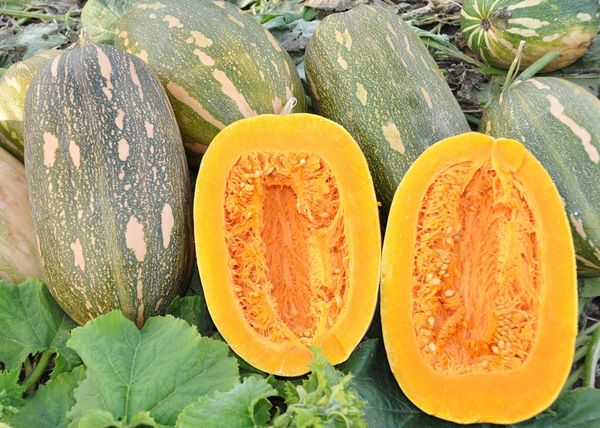
Melon is a mid-early, high-yielding variety. The plant spreads widely. The banana-colored fruits are spherical and flattened, with a melon flavor. Average weight is 25–30 kg. The plant is easy to grow and has a good shelf life.
Vitaminnaya is a large, late-ripening plant weighing 5–7 kg. The fruit is elliptical, orange with wide green stripes. The pulp contains a large amount of carotene, making this variety recommended for baby food and dietary nutrition.
This plant is planted in warm soil, with the seeds planted 10 cm deep. Young shoots are pinched off their side shoots, the soil is loosened, and they are fertilized with mineral fertilizers.
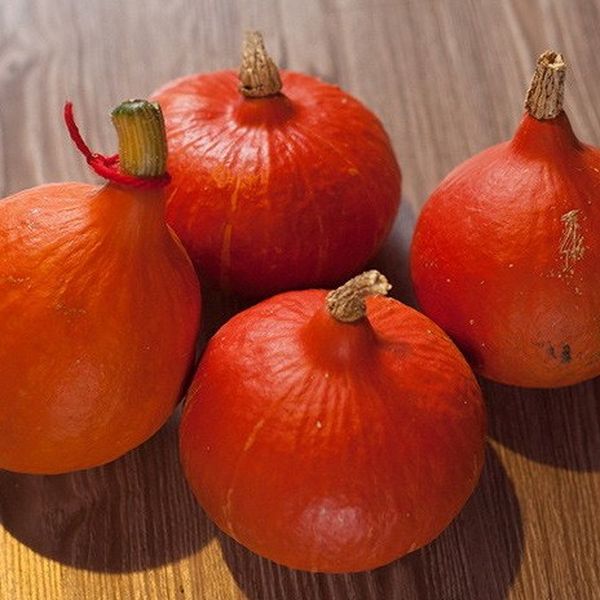
Hokkaido pumpkin is a pear-shaped pumpkin of Japanese origin. Its yellow-orange or red fruits are small, weighing between 0.7 and 2.5 kg. They are sweet, with hints of chestnut.
Butternut squash is a member of the squash family. Its fruit is elongated, like a zucchini. The skin is smooth and yellow. Inside, the flesh is a rich orange and fibrous. The plant has a small seed chamber.
Decorative
This variety has become increasingly popular recently. These pumpkins are used as interior decoration.
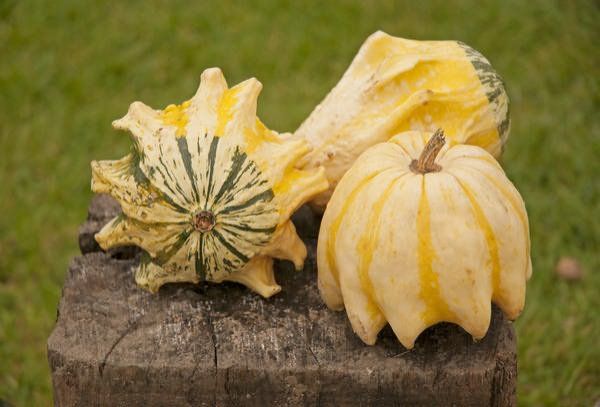
Decorative pumpkins also have their own classification:
- Star-shaped;
- Warty;
- Pear-shaped;
- Tangerine.
The bottle gourd has become our most popular. Its scientific name is Lagenaria. It does indeed resemble a bottle. The plant is endowed with medicinal properties, but it is most often used to make utensils.
Video: Choosing a Pumpkin Variety
This video will show you the most popular varieties of pumpkins that are most often planted in gardens.