
Growing the cold-resistant pumpkin variety Rossiyanka
Description of the variety
The "Rossiyanka" pumpkin variety was first described by the All-Russian Research Institute of Vegetable Growing and Seed Crops (VNIISSOK) around the 1920s. It is an early-ripening and frost-resistant variety. Thanks to these qualities, plants of this variety can grow even in northern latitudes. Even an inexperienced gardener can grow and care for its fruit. Furthermore, this variety is resistant to many diseases, undemanding of germination conditions, and reliably produces a rich and large harvest.
Main characteristics
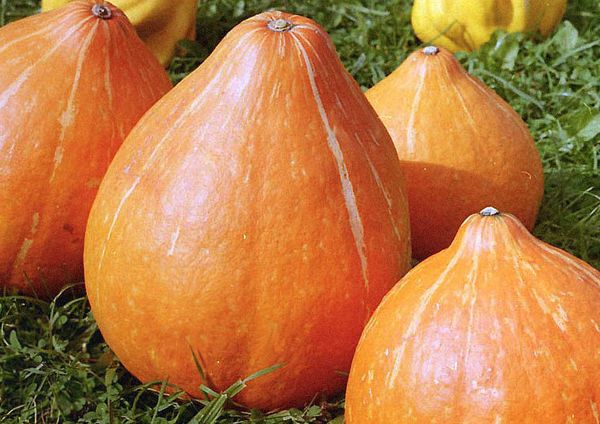
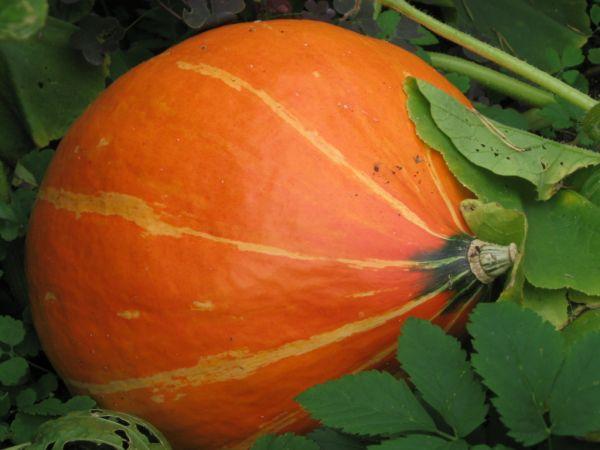
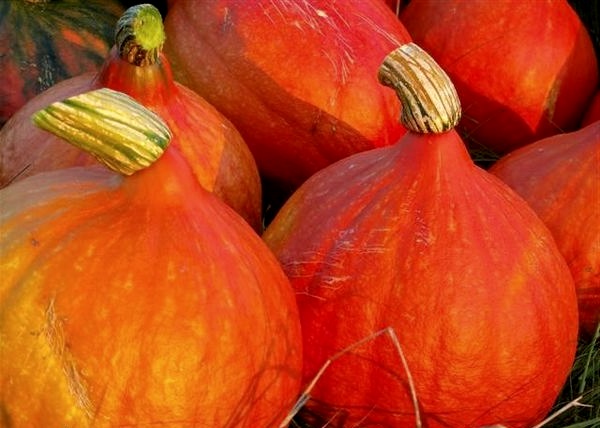
The pumpkin variety called "Rossiyanka" is a high-yielding variety for universal use. The fruits have excellent flavor and excellent commercial qualities. The average weight of a harvested pumpkin ranges from two to four kilograms. The fruit itself is slightly elongated and round, deep orange in color. The skin is smooth. The flesh is a rich orange, juicy and sweet in consistency, with a pleasant melon aroma.
One hectare of this variety yields approximately 22 kilograms. The complete development cycle from seed to seed takes approximately 90–110 days. The plant itself grows quite small, somewhat loopy. It is best grown in open ground.
Care Features
This pumpkin variety thrives in well-aerated soils, such as sandy loam or sandy soil. The crop is planted from seeds or seedlings. This variety is planted in late May, after any sudden cold snaps have passed. The harvest takes approximately 100 days.
A few days before planting, it is recommended to prepare the soil - dig it thoroughly, water it, and add nitrogen fertilizer.
Subsequently, it's essential to apply fertilizer—both organic (like compost) and mineral (like ammonium nitrate, potassium salt, and superphosphate). Generally, seedling care follows a standard pattern: intensive watering, protection with various fertilizers, weeding, and pinching lateral shoots and axillary buds away from the main stem.
Pumpkins grow best in temperatures ranging from 22 to 28 degrees Celsius. Lower temperatures slow growth. A typical watering rate is 3 to 4 liters per plant. During the fruiting period, increase the watering rate.
As August approaches, it's recommended to reduce primary watering to allow the already ripened fruits to develop a firm skin and accumulate the necessary sugars. The crop is sown in a 60 x 60 cm pattern. The seeds are not planted deeply—approximately 3–5 cm.
Video "Pumpkin Russian"
In this video, you will hear a description of the Rossiyanka pumpkin variety.