
Secrets of preparing and planting pumpkin seedlings in open ground
Content
How to grow seedlings
To ensure pumpkin seedlings thrive, it's best to grow them in spacious containers—plastic cups or peat pots. Sow pumpkin seeds approximately 30 days before you plan to plant them outdoors. Place the seeds 3 cm deep in the soil, and cover the containers with protective material until the seedlings emerge.
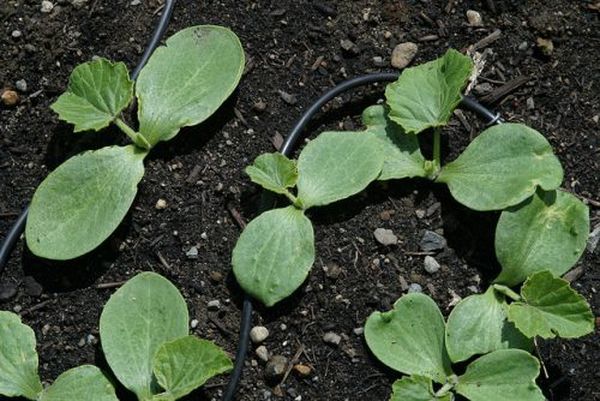
Remember, like most melons, it tolerates transplanting very sensitively, so try to choose containers from which the seedlings can be removed along with the root ball without damaging the root system. Pumpkin seedlings need to be watered regularly, and the cups are best placed in a warm, sunny spot. You can transplant the seedlings into the garden bed as soon as the sprouts have a couple of true leaves.
How to prepare for transplantation
To help pumpkins adapt to new conditions more quickly, begin hardening off the young plants about seven days before transplanting. Reduce the temperature to 12–15°C (55–59°F). You can also move the seedlings outdoors. This will help the plants become stronger and more resilient.
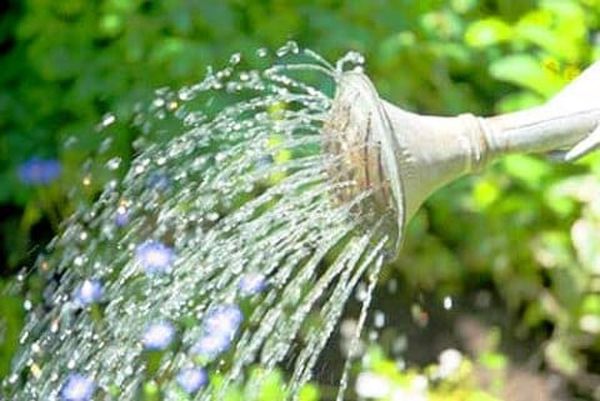
Water the seedlings generously the day before planting to make it easier to remove the root ball from the container. It's also important to pay attention to the seedling roots—they should completely occupy the cup.
How to choose the time for planting
Planting pumpkin seedlings, whether in a garden bed or in open ground, is a task that shouldn't be rushed, as you could ruin the entire seedling. Pumpkins thrive at an average temperature of 15 degrees Celsius, so it's best to wait until the weather becomes consistently warm. Typically, pumpkins are planted outdoors in late spring or early summer, when night frosts are unlikely to return. Before planting, it's important to ensure that both the air and the soil have warmed up, otherwise growth will be stunted. It's often recommended to plant in the evening, as this allows the plants to adapt better.
We select a location and the required soil composition
Before planting pumpkins, be sure to choose a site. Pumpkin grows best in a sunny spot. The soil in the chosen bed should be nutritious, well-drained, neutral in pH, and loose.
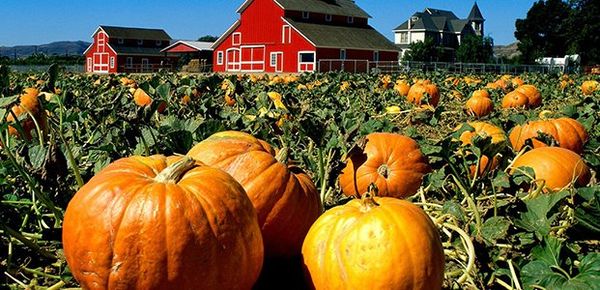
If planting your pumpkin seedlings outdoors is only possible in heavy soil, create raised beds for the planted plants – this will allow the soil to warm up better.
Secrets of planting
Before planting pumpkins in their permanent location, be sure to fertilize the seedlings—this will help them acclimate to the new conditions more quickly. Transplanting is the best method for planting pumpkin seedlings, as this minimizes damage to the root system. The seedlings are planted to the standard depth—up to the cotyledon leaves. You can provide some shade for the first few weeks to allow them to fully adapt. To avoid damaging the young shoots during planting, avoid touching the stems and handle the plants only by the cotyledon leaves.
Subsequent care of seedlings
Growing pumpkins won't be particularly difficult. All you need to do is remove weeds from the beds, water, and loosen the soil. However, watering should begin once a sufficiently large ovary has formed, otherwise the plant will overexert itself in foliage.
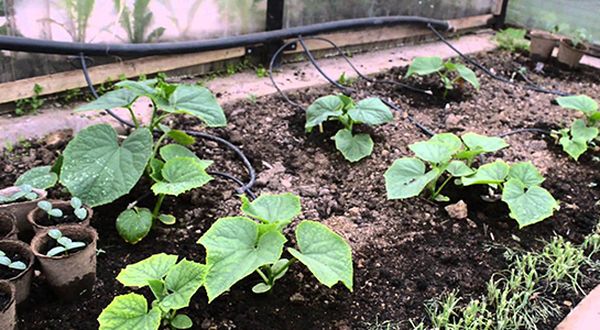
You can pinch the shoots once enough ovaries have formed, which will encourage the fruits to grow faster and be larger. Growing from seedlings allows you to speed up the process and get your favorite vegetables earlier than expected. Now you can enjoy delicious porridge or simply bake pumpkin in the oven at the very beginning of fall!
Video: Planting Pumpkins in Open Ground
This video will show you how to properly plant pumpkins in open ground.