
Planting and caring for pumpkins in open ground
Content
Planting dates
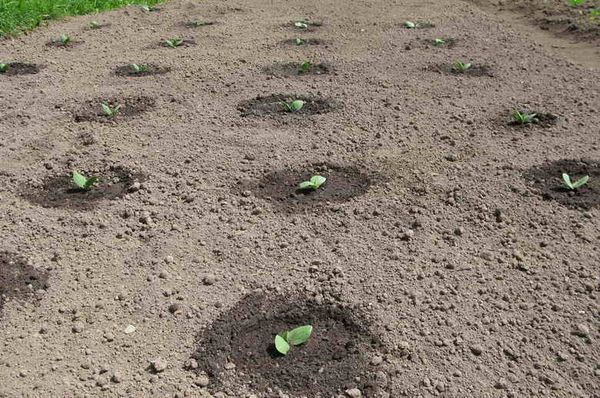
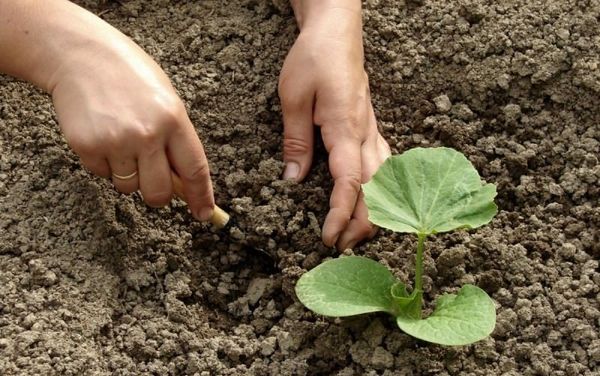
The first question you need to figure out is: when to plant pumpkin in open ground? The planting time for pumpkins, like all melon crops, falls at the end of spring (at the same time, sowing of all related crops begins). Therefore, seedlings should be planted in the ground in late May or early June. At 25 degrees Celsius, the plant will thrive, but at 14 degrees Celsius, growth will stop, and sowing will be wasted. Remember, if you want an early harvest, sow the seeds for seedlings 25 days in advance.
Choosing a location
It's clear that pumpkins will grow well in the South. But in any case, place the seedlings in a sunny spot. It's best to plant pumpkins next to onions, cabbage, carrots, beets, and legumes. Avoid areas previously occupied by potatoes, sunflowers, cucumbers, squash, and melons. Neighborhood plays a crucial role. Some plants can harm pumpkins, and some can be harmed by pumpkins themselves. So, it's not surprising to ask: what can you plant next to pumpkins?
You can plant leeks, beans, peas, or spinach nearby. It's not recommended to plant near potatoes and radishes. It's best to avoid beets, carrots, and garlic.
What's the reason for this? All melons absorb a lot of nutrients from the soil, preventing their neighbors from fully developing. Can pumpkins be planted next to corn? Yes, you can!
It's best to plant pumpkins in a non-windy location, but if you don't have one, you can plant corn nearby to create a kind of windbreak.
Interestingly, pumpkins should not be planted after pumpkins. This is due to soilborne diseases, the pathogens of which can survive and harm new related plants.
Soil preparation
This plant isn't picky about soil. But even good soil still requires cultivation in the fall. Dig over the soil and mix it with organic fertilizers—potassium and phosphorus. In the spring, after the snow melts, loosen the soil and clear the area of weeds. Before sowing the pumpkin, dig over the soil again thoroughly and apply nitrogen fertilizer.
Make raised beds. Standard dimensions are up to 1.5 m wide, at least 20 cm high, and half a meter apart. Sowing can be done in various ways, but wide rows are the most popular. The planting pattern for pumpkins in open ground varies depending on the variety. For example, bush pumpkins are typically planted 70 x 70 cm, while long-vine pumpkins are planted 210 x 180 cm. The question of "how far apart should I plant pumpkins?" will no longer leave you stumped.
How to choose a planting method
If speed of fruiting is a priority for you, you'll need to consider your pumpkin planting method and subsequent care. Planting is typically done either with seeds in open ground or with seeds for seedlings. The latter method is suitable for those concerned about how to grow pumpkins to get fruit faster.
Features of planting seeds
How to properly plant pumpkin seeds? First, you need to get good seeds. However, it's important to remember that not all varieties are suitable for sowing in open ground. For example, the nutmeg pumpkin variety, which includes all honey pumpkins, is not suitable for sowing. Seeds of this variety may simply fail to germinate. It's important to check the freshness and germination rate of the seeds. You can do this by performing a test sowing on a damp piece of cheesecloth.
Once the seeds have been tested, it's time to prepare them. Heat them at 60 degrees Celsius for about 2 hours, then soak them in a potassium permanganate solution. After this, the seeds are ready to be planted.
Features of planting seedlings
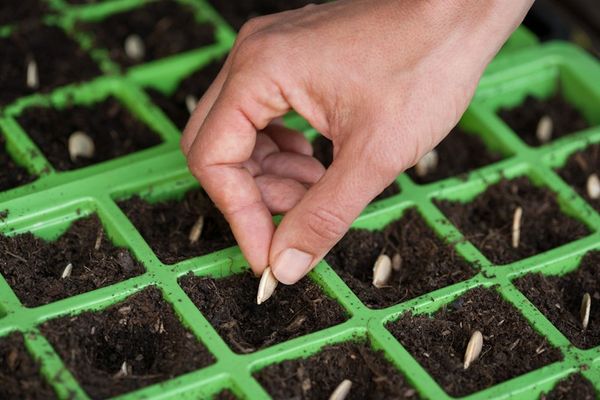
If you're growing seeds for seedlings, all the above-described seed preparation guidelines apply. Prepare a deep tray with sawdust: pour boiling water over the wood and cover with cheesecloth. Place the seeds in it. Then cover with sawdust again and cover with plastic wrap. This will create a greenhouse. Sprouts will begin to appear as early as the third day. The seedlings, grown within 25 days, should then be transplanted into open ground.
Further care
Planting pumpkins outdoors requires ongoing care. Like other melons, caring for them involves a number of steps:
- weed removal;
- phased feeding: the first - with the appearance of the first leaves, the second - after the formation of ovaries;
- regular watering (especially during the flowering stage);
- pinching long-stemmed varieties (there should be no more than 3 fruits on a shoot).
Now, the question of how to properly plant pumpkins outdoors will no longer worry young vegetable growers. After all, it turns out it's not difficult or time-consuming. Planting and caring for pumpkins outdoors can become not only a simple task but also a favorite hobby.
Pumpkin is renowned not only for its exquisite taste but also for its rare, yet essential, vitamin T. Any homemaker who has grown this vegetable knows that a couple of these fruits can feed a large family, as they can be used to make not only pumpkin porridge, but also jam, marmalade, puree, pies, and side dishes.
Video: Planting Pumpkins in Open Ground
In this video, you will hear useful tips for planting pumpkins in open ground.