
Growing the Amazing Butternut Squash
Content
Description and characteristics
A universal description for any butternut squash variety is its wonderfully sweet flavor. According to chemical analysis of the pulp, the sugar content in the fruit can exceed 14%, making this variety the sweetest among its peers. Furthermore, members of this species boast numerous health benefits. Those watching their weight will appreciate the low calorie content. And those who are health-conscious will appreciate the high amount of nutrients contained in the fruit's pulp.
These include vitamins K, E, and B vitamins, as well as a carotene content significantly higher than that found in carrots. Regarding its appearance, the pumpkin's shape and color can vary greatly depending on the variety. However, its size is always small, and its weight rarely exceeds 8 kg. The main advantages of this variety are drought resistance, transportability, and excellent culinary qualities.
Main varieties
Let's take a closer look at some varieties. In our region, the most well-known butternut squash varieties include Butternut (also known as Squash), Prikubanskaya, and Muscade Agro. Butternut pumpkins are native to Mexico. This species has a round or cylindrical shape, and the fruit is covered in bright orange skin with a few stripes. Growing Butternut pumpkins in southern climates produces fruits weighing up to 7 kg.
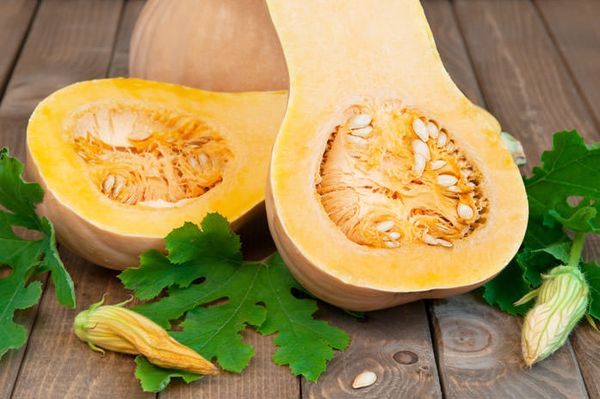
The flesh of this variety is very sweet and juicy, ranging in color from canary yellow to cream. Of course, as the most striking member of the species, the flesh has that unique muscat flavor. The Prikubansky variety produces smaller fruits than the Squash variety, but they are no less sweet. Fruits typically weigh no more than 2-3 kg and are 20-25 cm long. The variety description notes a pear-like shape covered with a dense, pale yellow skin.
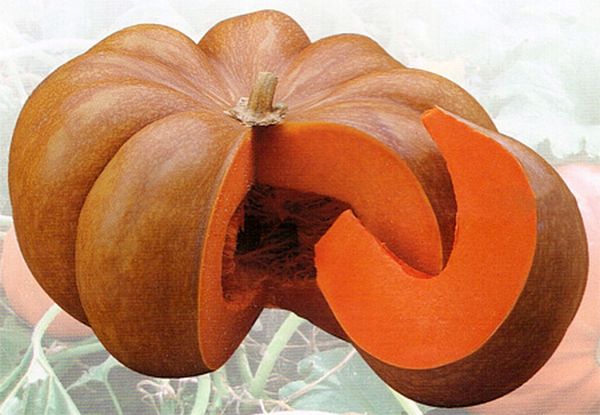
Muscadet Agro is a relatively new pumpkin variety in home gardens. This variety is distinguished by its classic flattened spherical shape with a distinct texture. Its skin is dark green, and the flesh is orange, dense, and crisp.
Features of cultivation
Pumpkins originated in the arid southern climate, so they thrive in tropical, subtropical, and subequatorial climates. In these climates, they can be grown outdoors. However, given the right conditions, they can even be grown in the northern regions of the country.
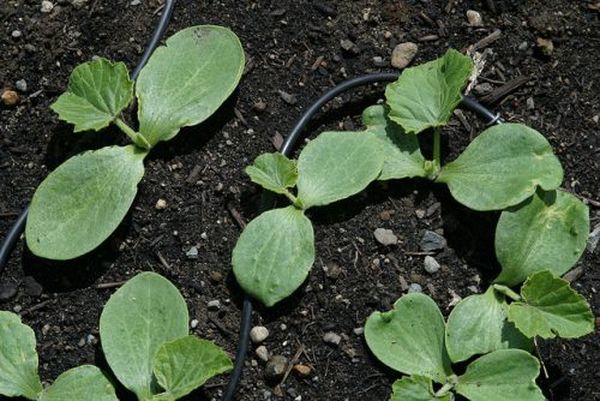
Regardless of regional temperatures, experienced farmers recommend growing pumpkins from seedlings. This is because the first few days are crucial for the pumpkin to develop its desired flavor, and adverse weather conditions should be avoided as much as possible. The seedlings are grown according to standard agricultural practices – in clay pots a month before transplanting into open ground. The soil in the garden should be fertilized with mineral fertilizer and ensure its temperature is at least 18 degrees Celsius (usually late May to early June). A dry, wind-protected, and well-lit location is recommended for planting pumpkins.
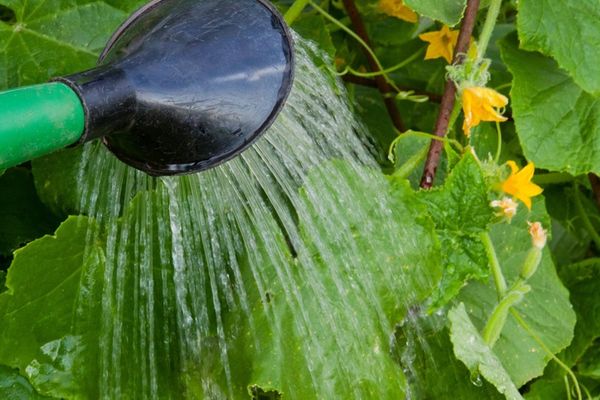
Pumpkin seedlings should be planted in holes no deeper than 5 cm. Space the plants at least 70 cm apart, as pumpkins produce large, heavy fruits. It's recommended to water the future pumpkin once a week until fruit set, then every two weeks thereafter. Regardless of its origin, pumpkins thrive on moisture, but don't overwater them—overwatering will cause the fruits to crack, so use no more than 6 liters of water.
A gardener's most important task before the vines appear is weed removal. Once the vines have formed, this won't be necessary. Also, avoid moving any nodes or vines that have formed, especially during flowering. Disturbing the pumpkin's delicate plant system can cause the flowers to fall off and the fruit to stop forming. Also, remember to pinch out the ovaries and regularly fertilize the plants. For example, you can apply a mixture of ash and potassium sulfate to the open ground.
If you decide to grow the Squash variety, pay attention to the soil. Butternut doesn't like highly acidic soils, but prefers light soils. It's best to choose a site with low humidity and good access to light. The growing season lasts about 130 days. The pear-shaped Prikubanskaya pumpkin ripens by the middle of the third month after planting outdoors, and the Muscadet Agro variety is ready to bear fruit in just 70 days.
Harvesting and storage
Harvesting in southern latitudes can begin in mid-August. To do this, separate the fruit from the stalk with pruning shears and then carefully dry it in a warm place for 14 days.
If you picked unripe fruits before the frost, simply place them in a dark, warm place where they will finish ripening.
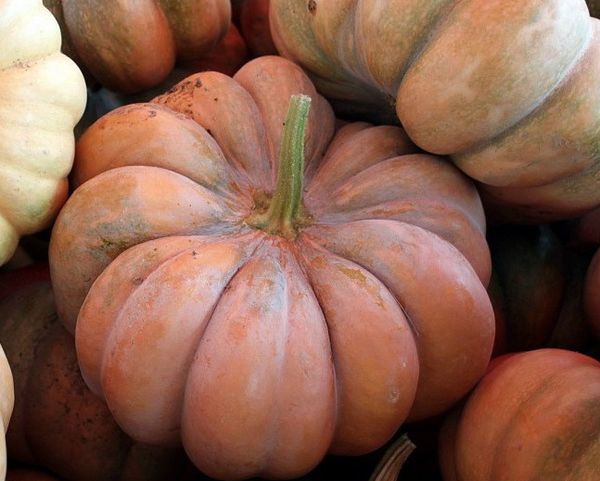
Muscat pumpkin, or rather some of its varieties, can be stored for many months. The fruits are also easy to transport and retain their original flavor for a long time. Muscat pumpkin is a true "miracle monster" among pumpkins. However, with proper care, a harvest will undoubtedly transform from myth to reality.
Video: Growing Pumpkins
In this video you will hear useful tips on growing pumpkins.