
Characteristics and cultivation of the mid-late Marble pumpkin
Content
Description and characteristics
Descriptions of the Marble variety usually begin with its flavor. Indeed, this variety is distinguished by its exceptional sweetness and refreshing aroma. According to chemical analysis, the fruit's sugar content reaches up to 13%. The flesh is slightly crumbly, yellow-orange, and the rind is soft and easy to cut.
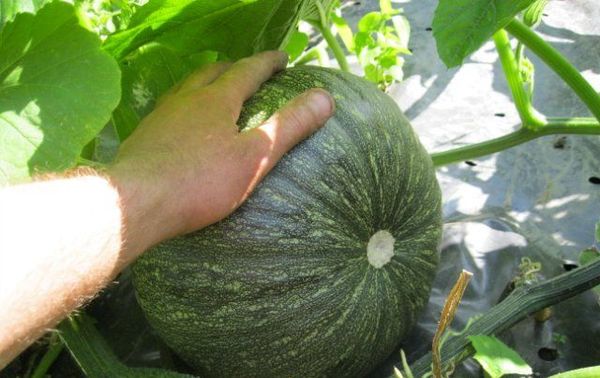
The variety gets its name from the color of its fruit. A ripe pumpkin is dark gray, sometimes shading to deep green. Furthermore, the bumpy surface is dotted with pale gray veins and spots, further enhancing the pumpkin's resemblance to a valuable rock. The fruit is small, weighing no more than 5 kg.
When it comes to micronutrient content, marbled pumpkin is on par with its fellow pumpkins. The fruit contains vitamins A, B, and E, carotene, potassium, magnesium, and other essential nutrients.
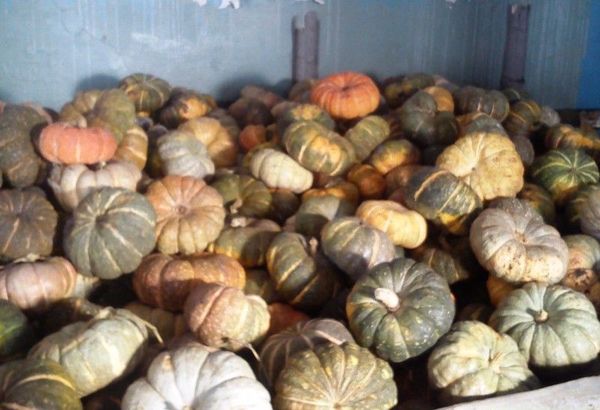
Marble pumpkin tolerates transportation well and has a long shelf life (up to 1 year). The variety completes its full growing season in 130–140 days.
Landing
It is best to plant Marble Pumpkin in regions with a southern climate, since the sweetness of the variety directly depends on the amount of light and heat.
Gardeners recommend preparing the soil for the future plant first. This should be done in the fall, fertilizing the soil with humus and normalizing the soil's acidity. If the soil is too acidic (which the Marble variety dislikes), wood ash should also be added to the soil.
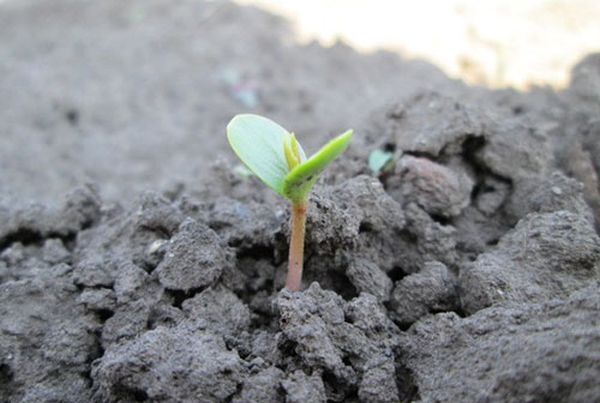
Just before planting, it is recommended to apply potassium fertilizers and dig the area thoroughly.
This pumpkin variety can be planted directly into the ground without seedlings. However, the seeds should be prepared before planting. To do this, heat them for 10 hours at a high temperature (35 to 40 degrees Celsius), then soak them in a solution of wood ash and hot water for 12 hours. Use 2 tablespoons of ash per 1 liter of water.
After this, it's time to plant the seeds. First, make sure the soil has warmed to at least 13 degrees Celsius (55 degrees Fahrenheit). The optimal temperature for planting is considered to be 14 degrees Celsius (55 degrees Fahrenheit). The area where you plan to plant the seeds should be well-lit and away from drafts.
Dig holes 30 cm in diameter, spaced half a meter apart, and fill each with hot water (at least 50 degrees Celsius). Once the soil has absorbed the water and warmed up, you can plant the seeds 2-3 at a time, burying them 5-6 cm deep. Then, fill the hole with a mixture of mineral fertilizer and compost.
To prevent night frosts and improve seed germination, it is recommended to cover the future plants with plastic film. Remove the film when the seedlings have developed 1-2 leaves.
Growing
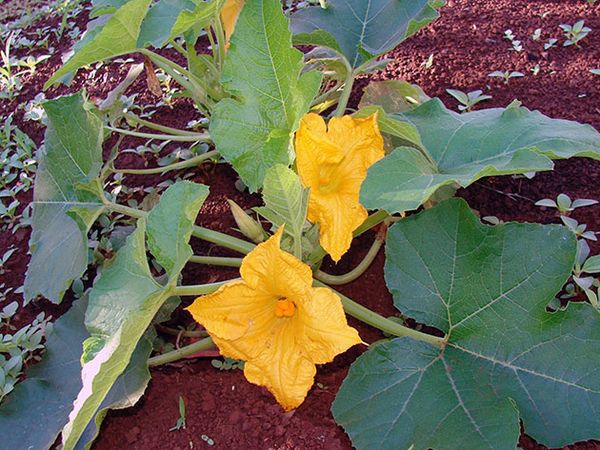
The main rules for growing are timely watering, weeding and fertilizing the crop.
After planting and until sprouts appear, water the pumpkin daily. This should be done carefully, under the stem. After sprouting, water less frequently, but generously—at least 5 liters per plant. Pumpkins generally dislike drought, so it's important to carefully monitor their moisture supply.
To ensure better water access to the roots, it's advisable to loosen the soil before each watering. This should be done shallowly (up to 12 cm) and without disturbing the roots.
In addition to providing moisture, weeding is essential for weed control and to oxygenate the roots. The first weeding should begin after 2-3 leaves appear on the seedlings, removing weak plants and leaving the strong ones. It's important to remove weeds after each weeding. Once the pumpkins have matured, they won't be a problem, but before that, they can cause poor growth and improper pollination.
Fertilizing can begin three weeks after the seed is planted, using chicken manure or dung. Mineral fertilizers can be applied once or twice throughout the growing season.
In general, Marbled Pumpkin doesn't require any care beyond what's listed. The only thing it may need is additional pollination.
Some amateur gardeners grow marbled pumpkins at home. They do this using seedlings. To ensure sufficient space for such a large plant, a large container is needed. Generally, the planting and care procedures for indoor pumpkins are the same as for pumpkins grown in a garden plot. The only difference is that artificial pollination is more likely to be necessary than in a garden plot.
If you follow all the planting and care instructions, your garden will grow one of the sweetest and most delicious varieties, a table decoration – the Marbled Pumpkin.
Video: "Pumpkin without watering or weeding"
This video will show you how to grow pumpkins without watering or weeding.