
Description and varieties of the Royal Honey Pumpkin
Content
Description of the variety
The characteristics of honey pumpkins, of which there are several varieties, attract both young and experienced vegetable growers. Their distinctive features include a tart, honey-like flavor unlike any other, large size, and early maturity. Interestingly, honey pumpkins are not a separate species, grouping pumpkins with the same varietal characteristics. The only common denominator among them is their honey flavor and cultivation method; otherwise, the fruits are distinct.
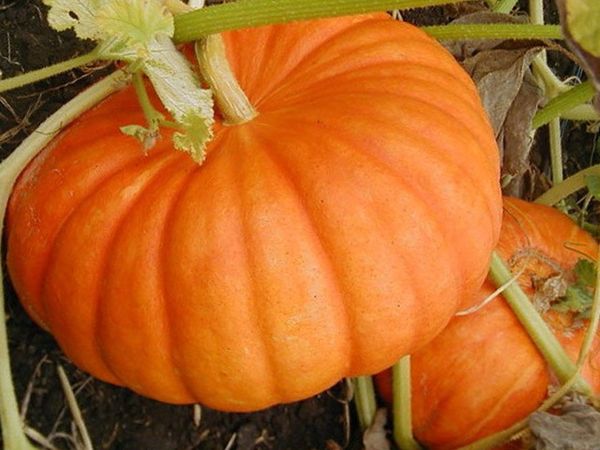
Traditionally, cultivation begins with the selection of seeds. A secret from experienced gardeners: although pumpkin seeds can be stored for quite a long time, it's best to use freshly picked ones. If you're planting a hybrid, you should buy seeds the same year you plan to plant them. This way, you won't have to worry. Then comes the seedling-growing stage: the seeds should be planted in pots if frosts are expected to last, or in open ground if the spring is warm.
Next comes the time to plant the seedlings in open ground (try to avoid clay soil). Prepare a hole measuring 40x40x40 cm, and mix the topsoil with organic fertilizer. If the plant must be grown in clay soil, fertilize it with phosphate and potassium fertilizers, ammonium nitrate, and ash. If the soil is sandy, compost, superphosphate, and ash are suitable.
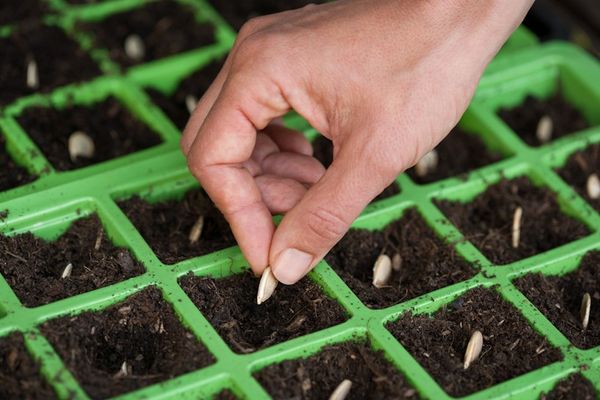
Pumpkin seedlings are planted at the beginning of May, and in the ground at the end of May.
Honey squash "Kroshka" (incidentally, the only bush squash among all honey squash) and Honey squash "Orange" are particularly sensitive to changes in location. Therefore, try to transfer the plant from its seedling cups along with the soil. There is no specific planting scheme for melons; it all depends on the size of the plot and the gardener's preferences. However, most often, plants are spaced 60–100 cm apart.
This pumpkin, like all its relatives, is not picky about feeding. It's enough to stock up on cow manure diluted with water and feed the plant several times: before the leaves appear, during flowering, and 2-3 more times thereafter. The most difficult thing that awaits vegetable growers when growing pumpkins is shaping the bushes. To ensure large and tasty fruits, no more than three fruits should remain on a shoot. Before flowering, the soil in which the plant is located should always be moist, so ensure regular watering during the early stages of development. After flowering, water the plant as it dries out.
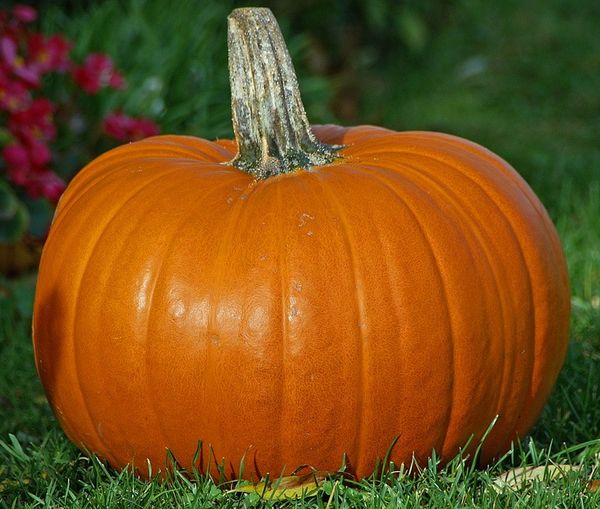
Honey pumpkins vary in size. For example, the Honey Fairytale pumpkin can weigh up to 4.5 kg, while the Honey Dessert pumpkin can reach 10 kg. Too much isn't always a good thing, so to reduce the development time and prevent rot on larger pumpkins, place a thin plywood block on the ground.
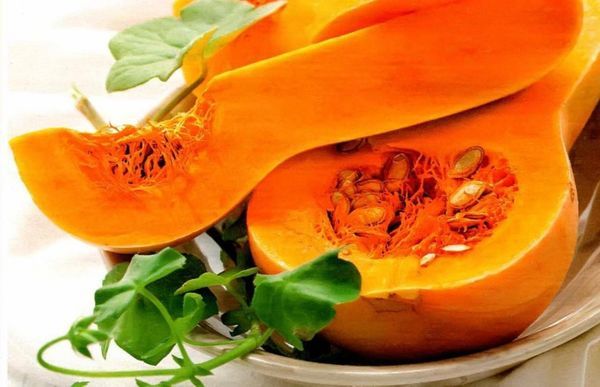
There are no other honey pumpkins as large as the Honey Dessert. For example, the Honey Guitar pumpkin produces 2-3 fruits per vine, weighing 3-4 kg. It is elongated in shape, 70 cm long. The skin is thin and soft, and the flesh is yellow-orange, sweet, and juicy. It can be stored for a very long time without losing its flavor.
The Honey Princess pumpkin is a mid-season, high-yielding variety. The bright orange fruit has a rounded, flattened shape and segmented skin. It is surprisingly resistant to common melon diseases.
Advantages and disadvantages
Pros:
- characteristic honey flavor;
- standard size (3-4 kg);
- simple rules of cultivation;
- long shelf life;
- the juiciest and sweetest pulp of all varieties;
Cons:
- mainly long-vine varieties;
- do not tolerate direct sunlight well.
Video "Honey Princess Pumpkin Variety"
In this video you will hear a description of the Honey Princess pumpkin.