
Bush pumpkin varieties overview and benefits
Content
Features of the bush variety
Growing this melon is easy and inexpensive. However, the only problem growers may encounter is the plant's tendency to creep and spread. However, breeding technologies are advancing, and a solution to this problem has long been found—bush pumpkin varieties have been developed.
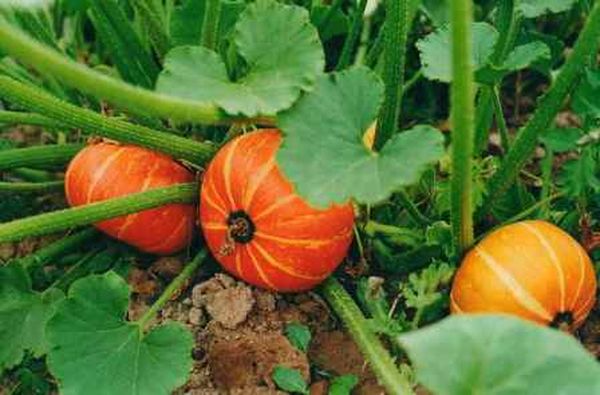
The main advantage of this pumpkin variety over long-vine varieties is its early maturity. The crop is ready for harvesting within three months of emergence. Care consists only of weeding, tilling, watering, and, occasionally, pinching out side shoots. It's ideal for small plots, as the fruits grow at the base, unlike regular pumpkins. Bushes of long-vine crops need to be formed separately: shoots should be shortened, vines should be trimmed.
Bush pumpkins weigh between 0.5 and 3 kg. A single bush can produce 5–15 pumpkins. The planting pattern for this crop is 60 x 60 cm or 70 x 70 cm.
Bush pumpkin varieties
Pumpkin varieties, including bush varieties, are usually divided into early-ripening and mid-ripening.
The well-known bush pumpkin, Gribovskaya, is an early-ripening variety. It undoubtedly holds the record for ripening, taking up to 80 days. Its fruits are elongated, with a very smooth, almost glossy, bright orange skin. Gribovskaya pumpkins are renowned for their abundant yield: up to 8 kg can be harvested from a 1 m x 1 m plot. Winter hardiness and transportability are also excellent.
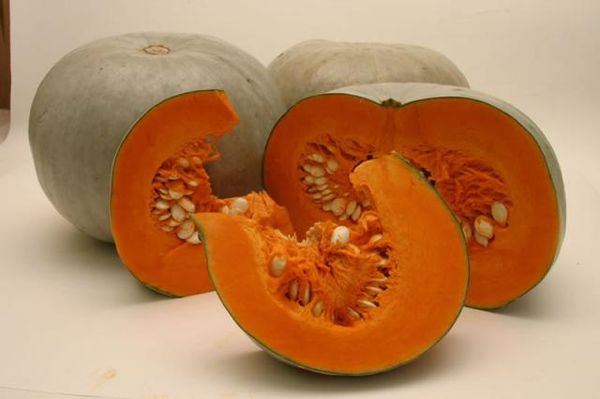
Dachnaya (an early-ripening variety) is known for its cold hardiness. It emerges in 80 days and produces ovoid yellow fruits with green speckles.
Another early-ripening pumpkin is the Golden Bush Pumpkin. It's unusual for its large fruits, sometimes even weighing 5 kilograms. The plant got its name for a reason: in the sun, the dazzling orange skin truly appears golden. Its flesh, however, is yellow, crisp, but not very sweet.
The Orange Summer pumpkin is considered a super-early variety. It's a hybrid with reddish, round fruits. Two to three are planted in clusters. This variety is ideal for culinary use, as it's incredibly sweet and aromatic.
The Prikornevaya variety has few vines, resulting in a very compact growth. The fruits are flattened, with a fairly large seed chamber and very juicy, bright orange flesh.
Few people have heard of the early-ripening bush variety Lel, as it's relatively young. Its leaves and stems are covered with spines and thorns. Interestingly, the plant's value lies not in its pulp, but in its seeds. They contain a huge amount of fat, making them widely used in medicine.
Mid-season pumpkin varieties are no less popular. Barnaulskaya Kustovaya ripens in 105 days and stores for a very long time without losing its flavor. Valok ripens in 120 days from germination. The bush is quite small, but the fruits can reach 8 kilograms. The Crocus variety ripens in 120 days and looks like something out of a picture. The fruits are perfectly round and a pleasant tangerine color.
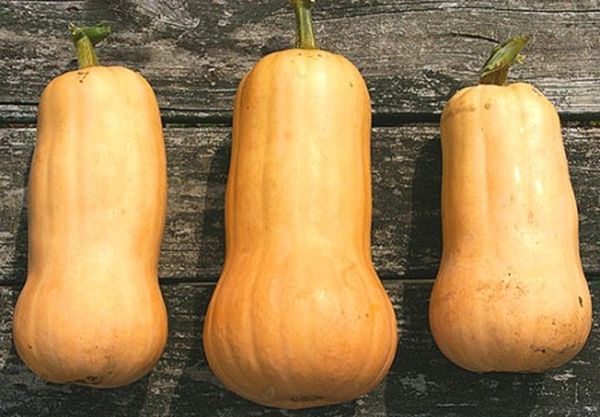
Ornamental vegetables have recently become popular in the Moscow region, including the mid-late green pumpkin. This plant produces dark green, turban-shaped fruits. They are not only decorative but also healthy, often recommended for dietary use.
There are countless varieties of pumpkin, but there are those that have been tested and recommended by experienced gardeners time and again.
Smile
This pumpkin has earned its popularity due to its early maturity. The harvest can be completed in just 85 days. The fruits are bright orange, smooth, and segmented. They weigh an average of 1–2 kg. The flesh is sweet and juicy, with a pleasant melon aroma. The advantage of the Smile variety is that it easily survives spring frosts.
Medicinal
An early-ripening, temperature-resistant, and compact vegetable. It takes 105 days from germination to fully ripen. The fruits are round but flattened, dark green with a gray tint, and weigh up to 5 kg. They transport well and have a long shelf life.
Pearl
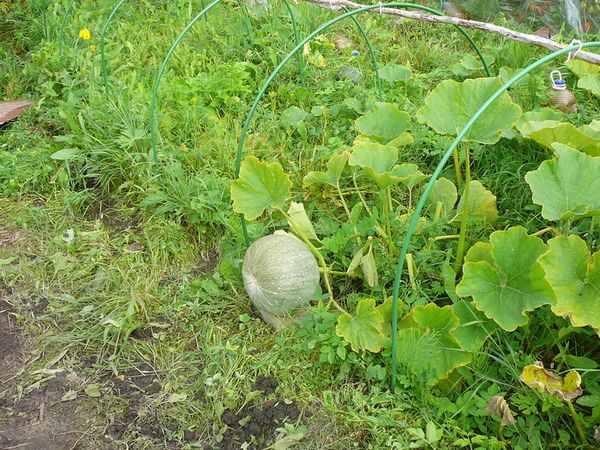
It grows outdoors for about 110 days. The yield is competitive – 15 kg per square meter. It is distinguished by its elongated shape and yellow-orange color. The fruits reach 7.5 kg. The flesh is reddish, tender, and sweet.
Bush orange
The Orange Bush Pumpkin ripens in just 100 days. This Russian-bred plant is easy to grow and compact. The skin is characteristically thin, and the fruit itself is round or cylindrical.
Hundred-pound
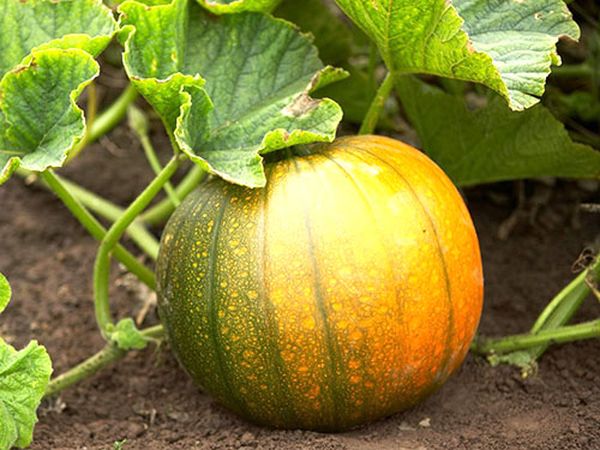
Remarkably resistant to bacterial diseases, powdery mildew, and root rot. The fruits are spherical with a segmented surface. The flesh is loose, creamy yellow, and not very sweet.
Amazon
A mid-early, surprisingly compact pumpkin. The fruits are flattened, dark orange, and weigh 1–2 kg. The pumpkin is orange inside and very sweet.
Rouge Vif Detamp
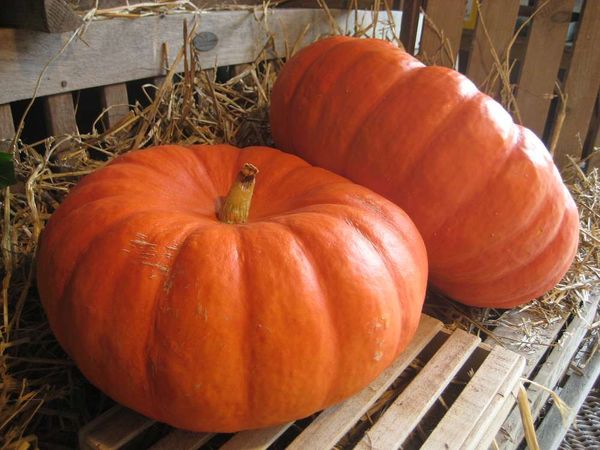
A mid-season variety, beloved for its long shelf life and disease resistance. The fruits are red-orange, flattened, and segmented.
Pros and cons
Advantages of bush pumpkin varieties:
- convenient cultivation in a small area;
- early maturity;
- cold resistance;
- high transportability;
- productivity;
- disease resistance;
Cons:
- often hard skin;
- Not all varieties of bush pumpkin are sweet.
Video: Growing and Pruning Pumpkins
This video will show you how to grow and pinch pumpkins in your garden.