
Description and cultivation of the sweet pumpkin Konfetka
Content
Description of the variety
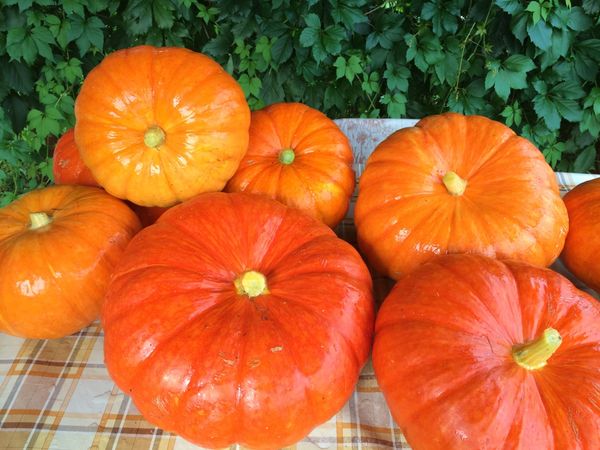
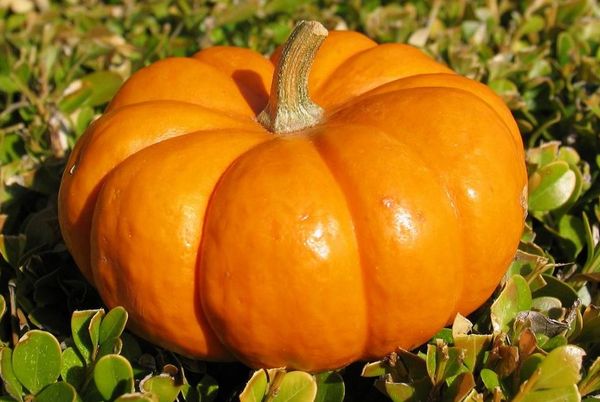
This plant is quite heat-loving. Its vines typically reach a length of about 1.5 meters. Each vine typically produces about six fruits. This is a large-fruited variety. When grown in the central part of the world and properly cared for, specimens weighing up to 50 kg can be harvested. The fruits are round and have a characteristic deep orange color.
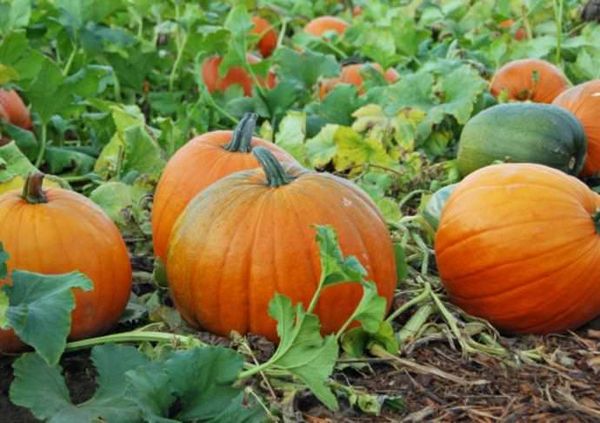
They are also segmented. The pumpkin is covered with a dense rind. Inside is the pulp, which is characterized by a high sugar content (about 7-8%). Ripe pulp contains a lot of carotene and ascorbic acid. The seed cavity is medium-sized. Also inside the vegetable are large seeds, covered with a protective shell. Like the pulp, they are quite tasty when eaten.
Main characteristics
Experts classify the Konfetka pumpkin variety as a large-fruited, mid-season table variety. Its advantages include high cold resistance and high yield. The variety is suitable for table use and is versatile.
Housewives love to use the juicy, tasty, and healthy pulp for first courses, hot appetizers, side dishes, jams, baking, and as a raw material for juices and dried fruits. Pumpkin is a dietary product. Doctors recommend it for patients with various diagnoses. The longer the fruits of this crop are stored, the softer, sweeter, and more delicious they will be when eaten. This variety is zoned and is ideal for growing in the central part of the Russian Far East, where a full summer allows up to 10 vegetables to ripen on a single plant. When grown in the northwest, where summers are quite rainy, one can harvest 1-3 pumpkins from each bush.
Planting and care
Start by choosing a site and suitable soil. The site should be spacious and well-drained. Pumpkins prefer light or medium loamy soil. When planting seedlings, maintain a distance of at least 90 cm between plants. If you can't grow pumpkins in the right soil, you'll have to create raised beds. This will also help eliminate weeds.
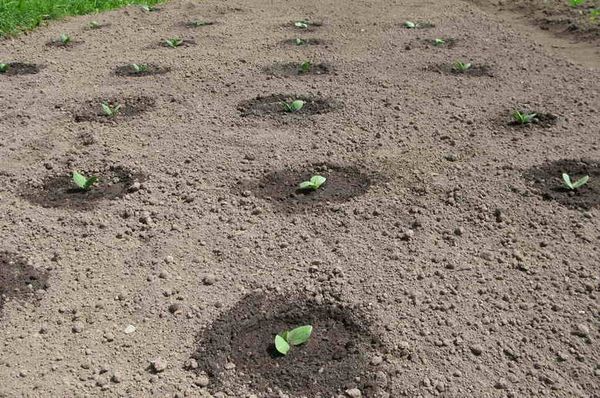
Before planting, the soil should be tilled and organic fertilizers such as manure or well-rotted compost should be added. Apply 7 kg of fertilizer per square meter. If the planting soil is very depleted, it's best to add 2 cups of ash and 50 grams of superphosphate to each hole.
Planting can be done with seeds or seedlings, depending on the climate in your region. If the air and soil warm up quickly, use seeds. When spring arrives slowly, it's recommended to plant seedlings indoors or in a greenhouse. After germination and disinfection, soak the seeds, then place 3-4 seeds per prepared hole at least 8 cm deep. Use disposable cups, plastic bottles, or cardboard boxes to grow seedlings.
The container height, regardless of the option you choose, should be no more than 8 cm. The seeds are soaked in water and placed in a warm place. The optimal soil mixture is a mixture of turf, peat, and humus in a 1:1:2 ratio. Pots containing seedlings must be hardened off before planting them outdoors. Before planting, the holes must be moistened.
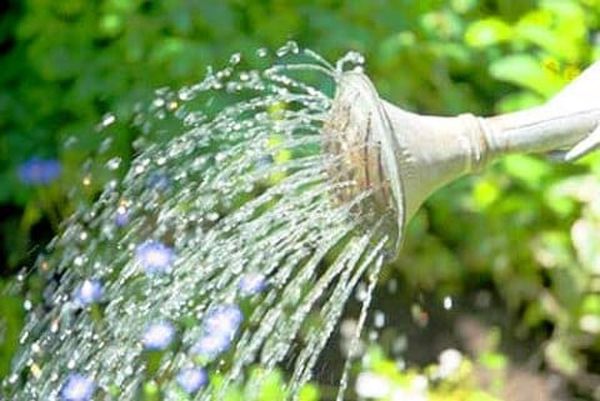
As for care, the Konfetka f1 pumpkin variety requires regular watering, loosening the soil, and fertilizing. However, these procedures should only be carried out until the pumpkin's leaves close. It's best to begin these procedures 10 days after planting in its permanent location. The plant responds well to mineral and organic fertilizers. Chicken manure, soaked in warm water and infused, is commonly used.
Afterwards, add water at a ratio of 1:20 and mix thoroughly. Cow manure diluted at a ratio of 1:10 is also popular. Watering is essential before applying fertilizer, otherwise the roots can be severely burned. Ammonium nitrate is an excellent mineral fertilizer. When preparing the solution, use no more than one matchbox of ammonium nitrate per bucket of water. Regular watering, loosening, and weeding will allow every gardener to reap a bountiful harvest of their favorite vegetables. It's also important to pinch off the main stem, 3-4 fruit buds away.
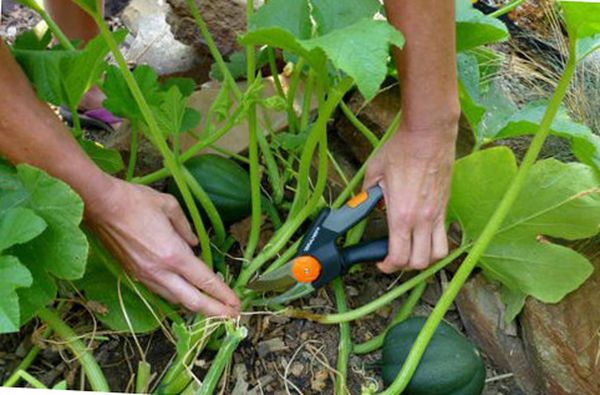
From the last one, you need to count 5 leaves. From the 5th leaf, pinch off after the second ovary has formed.
To obtain additional roots that will provide reliable support for the plant, it is recommended to sprinkle the shoots with soil.
Harvesting and storage
Harvest times for this crop can vary depending on the climate of the growing region. However, typically, it takes 115 to 138 days from the emergence of mass shoots to harvest. The harvest must be completed before the first frost and only in dry weather. Pumpkins should be harvested with the stems intact.
Select firm, whole, and undamaged pumpkins for storage. They should be placed on a soft surface in a single layer, preventing the vegetables from touching. Store in a well-ventilated area with a temperature of 8–10°C and a humidity level of 70–80%. Pumpkins can also be stored in the refrigerator. The shelf life of pumpkins stored indoors is 8–10 months.
Video: "Review of the Konfetka Pumpkin Variety"
In this video, you will hear a description of the Konfetka and Red Baroness pumpkin varieties.