
How soon does pumpkin ripen and when to harvest it?
Content
Ripening time
Like most other fruit-bearing plants, pumpkins are divided into three types: early-ripening, mid-season, and late-ripening varieties. Of course, the optimal harvest time is primarily determined by the specific variety you plant.
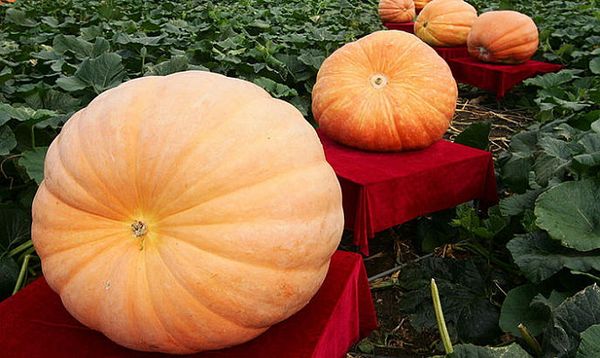
Early maturing
Early ripening varieties require approximately 3.5 months to fully ripen: due to various factors, this period can vary from 94 to 104 days. Harvesting of such varieties is recommended in August (from the second half to the end). They are distinguished by their thin skin and tenderness. Once picked, these varieties can be stored for about a month.
Mid-season
Mid-season varieties require approximately 4 months (110 to 120 days) to mature. In this case, it's best to begin harvesting the pumpkins in mid-September, and before frost—otherwise, the harvest will deteriorate and rot quickly. Generally, these varieties have a longer shelf life than early-season varieties.
Late-ripening
Late-ripening (or hard-skinned) varieties reach maturity in about 200 days, but like mid-season varieties, they should be harvested before frost, around mid- to late September. This means you'll have to pick unripe fruit, but that's okay – they can ripen even after picking: depending on the time of harvest, this can take anywhere from 20 to 60 days. If stored properly, they'll continue to gain sweetness and nutrients. They often have delicious flesh and a pleasant aroma. They can often be eaten raw. They have a rich color. These varieties can be stored for up to six months.
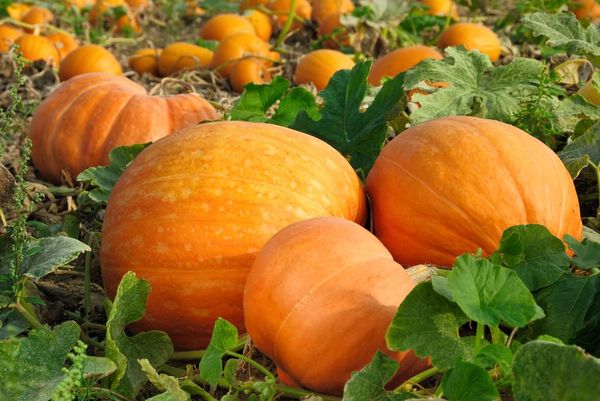
How to determine the ripeness of a fruit
There are characteristic signs that will easily help you determine the ripeness of the fruit.
First, some of the plant's leaves should be faded, yellowed, and dried out; there should also be dry patches on the vine. Second, the stem should be free of green or juicy areas; it should be firm and completely dry. A ripe pumpkin has a bright, rich color: yellow, orange, or grayish-green, depending on the variety. Of course, the variety's characteristics must be taken into account here: some remain white or gray even when fully ripe. Finally, the pumpkin's skin should be firm and fairly hard, producing a dull sound when tapped.
Seed packets often include harvest dates, which makes the task easier; however, this date may fluctuate slightly depending on the weather.
When and how to clean
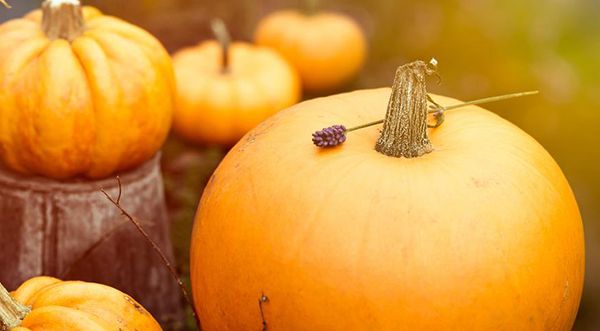
Pumpkins are best harvested in dry, frost-free weather; if it rains, the fruit will need to be thoroughly dried. For large fields, it's best to use a pumpkin harvester. If you're harvesting by hand, keep in mind that the pumpkins should be cut with 4-5 cm of the stem attached. If the pumpkin is cut without the stem, bacteria will enter the stem, causing it to rot quickly and potentially contaminating other pumpkins. Use a sharp knife or pruning shears to avoid fraying the stem, and don't break them off by hand. Don't drop the pumpkins, as impacts can cause internal rot.
All pumpkins intended for storage must be intact, without dents or scratches. It is better to send damaged fruits for processing, making pumpkin juice from them, drying them, or using them for canning.
Pumpkin Storage Video
This video will show you how to properly store pumpkins.