
How to Grow Butternut Squash
Content
Description and characteristics
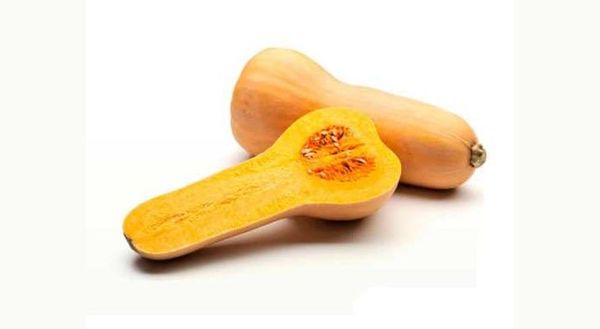
Butternut pumpkin (also known as butternut or nutmeg pumpkin) is described as a winter variety with a long shelf life. This variety was developed by breeders by crossing wild African pumpkins with butternut squash. The average weight of a fully ripened pumpkin ranges from 1 to 1.2 kg. Butternut squash has an interesting pear-shaped form. The seeds are relatively few, located in the expanded part of the fruit.
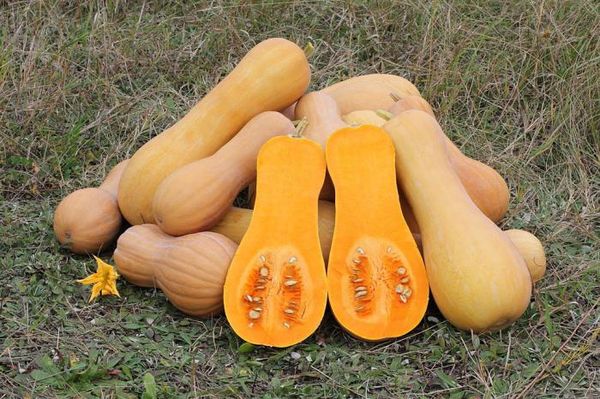
The fruit's flesh is reliably protected from various external damage by a thick skin, which is a beautiful yellow-orange hue. The oily flesh is characterized by a pleasant, slightly sweet flavor with a hint of nutmeg.
Pumpkin is an essential food product in the menu of a person leading a healthy lifestyle. If you're trying to lose weight or lower your cholesterol, be sure to include this vegetable in your diet. Nutritionists note that pumpkin contains a lot of protein, antioxidants, fiber, and a whole host of vitamins and minerals. Butternut squash is rich in various bioactive plant compounds, including lutein and beta-carotene.
As mentioned earlier, this vegetable is widely used in cooking. Butternut can be eaten not only raw but also used in various sauces, first and second courses. Just think of the aromatic and incredibly delicious pumpkin soup!
Eating butternut squash strengthens the immune system, fights various viral and bacterial infections, has a beneficial effect on the digestive system, and significantly reduces the risk of cardiovascular disease. This vegetable is indispensable for those experiencing signs of premenstrual syndrome, and its nutritional value also supports women's health during pregnancy.
Features of cultivation
We've already covered the description and characteristics of the butternut variety. Let's explore the growing aspects of this vegetable crop.
Butternut squash is an early-ripening variety. It takes no more than three months from planting seedlings in open ground to harvesting. It's best to plant seedlings in loamy soil. Choose a sunny spot in the garden. Try to avoid uneven ground, as water can stagnate in depressions. The optimal time for planting seedlings is early summer, after ground frost has passed. It's recommended to maintain a distance of 0.6 m between beds, as climbing vegetables require ample space to climb.
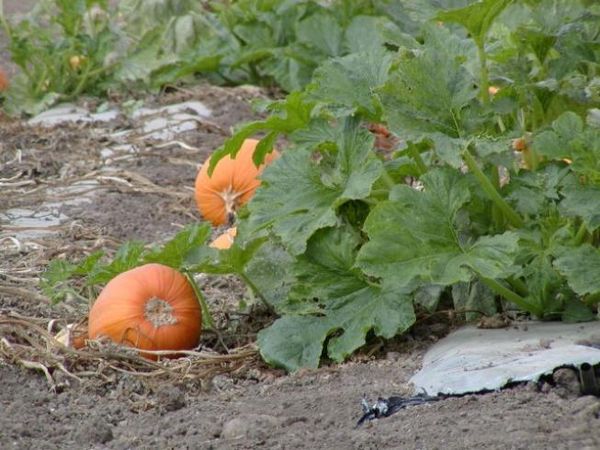
Caring for pumpkins doesn't require much time or effort: generous watering, regular soil loosening, weeding, periodic hilling, and pinching back the vines around the second leaf. Also, don't forget to fertilize the plants before and during flowering.
A windless, sunny day is recommended for harvesting. Harvest the fruit with a 3-4 cm stem. Butternut squash stores well for a long time. Key storage conditions include keeping the skin intact, keeping the stem attached, and storing it in a cool, dark place. After a short period of storage, butternut squash becomes even more flavorful and aromatic.
Video: "The Health Benefits of Pumpkin"
In this video, an expert will explain why pumpkin is good for your health.