
Spring primroses at the dacha: the intricacies of growing wood anemone
Content
Botanical description of the wood anemone
Wood anemone (Anemone nemorosa) is a herbaceous perennial plant in the Ranunculaceae family. In the wild, these small, delicate flowers can be found in the European part of Russia, the forest-steppe region of Ukraine, Western Europe, and the temperate zone of the Northern Hemisphere. The plant is critically endangered. To prevent its complete extinction, it has been listed in the Red Data Book of Russia.
The plant is also known by other common names, the most common being buttercup, fern, canapella, and hen-blind. Wood anemone grows to 15–25 cm. The plant has a thick, cylindrical rhizome. The perennial root system tends to grow vigorously and form dense, greenish thickets. The leaf blade is divided into three parts.
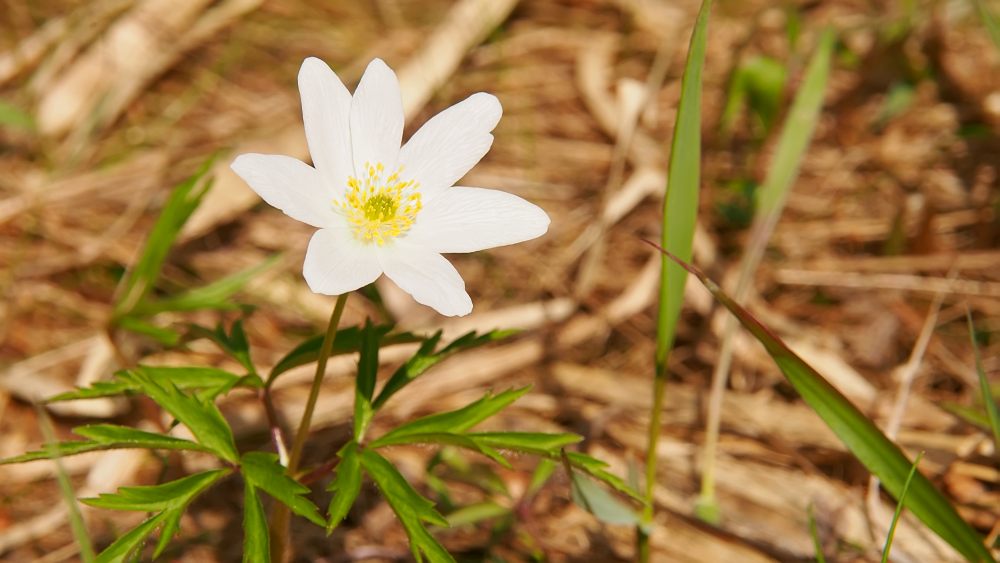
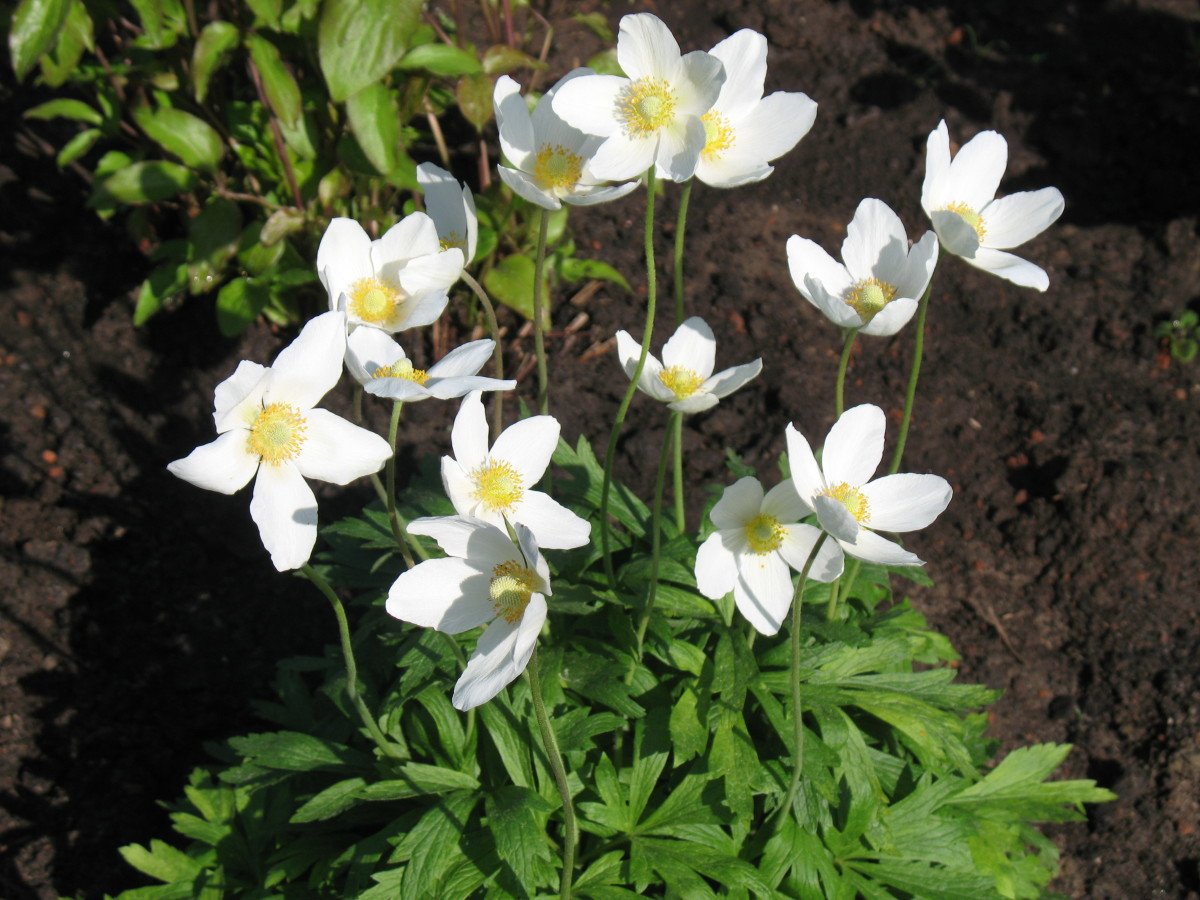
The stem of the wood anemone is slender and elongated. A single flower forms on a single stem. This perennial plant typically produces small inflorescences. The diameter of the open bud ranges from 2 to 6 cm. A single flower has 6 to 8 ovoid petals. The flowers of wild wood anemone are predominantly pure white. Rare specimens in pale pink, purple, blue, and lilac colors are found in horticulture.
Even the slightest breeze causes the delicate petals of the primrose to sway. This is where the name of this herbaceous perennial—anemone—came from.
Video: "Introducing the Wood Anemone"
This video shows how the flower grows in its natural environment.
Interesting varieties of Anemone nemorosa
There are approximately 150 varieties of Anemone nemorosa in the wild. Only a few are used in home gardening:
- Vestal is a densely double, late-blooming variety. The petals are snow-white, with a pompom-like center.
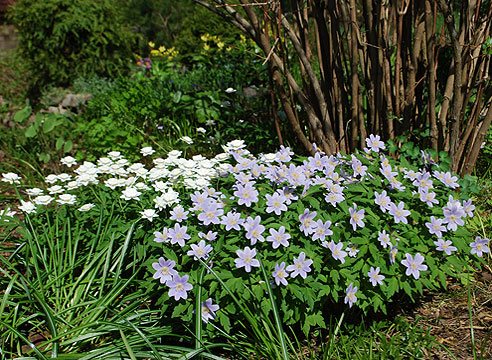
- Robinsoniana is a popular gardening variety. This perennial features large, single flowers. The petals range from bright purple to soft lilac.
- Royal Blue is an eye-catching, delicate flower with petals painted in a bright blue-blue hue.
- Blue Beauty is distinguished by large, simple buds. The variety's color ranges from soft blue to deep blue. The leaves have a bronze sheen.
In addition to the varieties listed, such varieties of anemone as buttercup and Udi are of particular interest to gardeners.
-
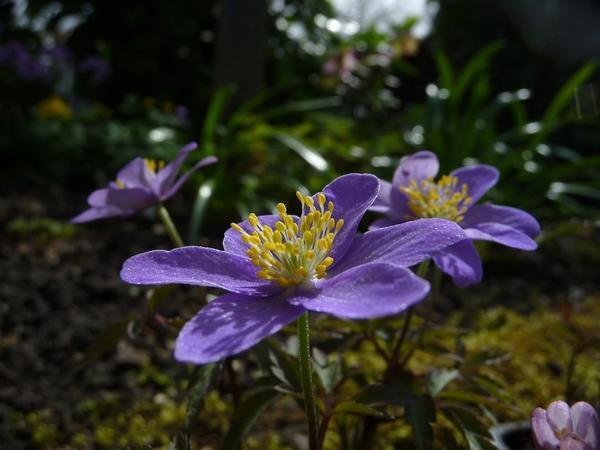
- Blue Beauty
-
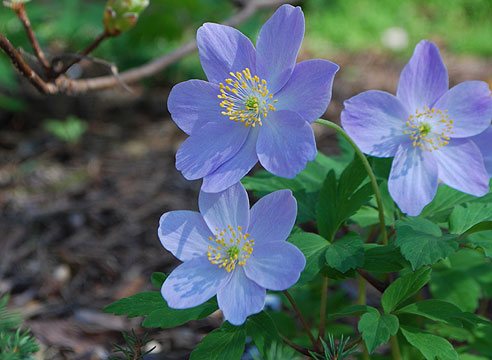
- Royal Blue
-
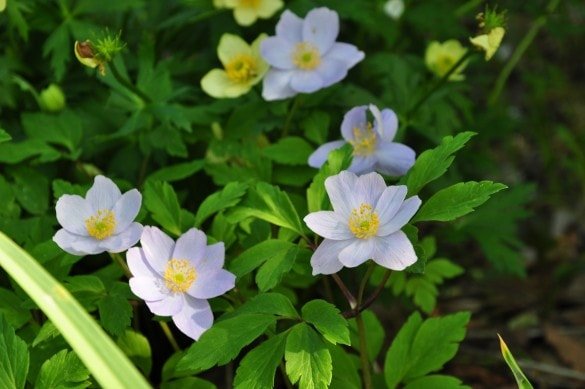
- Robinsoniana
-
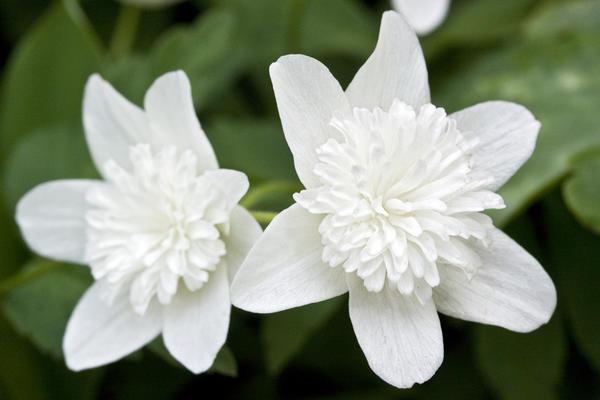
- Vestal
Features of planting and growing flowers
Simple agricultural measures described below will help preserve the flower in nature.
Choosing a location for growing
Anemone nemorosa, as the wood anemone is often called, is quite demanding when it comes to its growing environment. A sheltered area protected from strong winds and drafts is ideal for planting and growing the flower. This perennial doesn't like full sun, so the location should be in partial shade.
Growing among herbs, this delicate and fragile flower requires a light, loose, well-drained and nutritious environment. The best option is leaf mold or loam mixed with peat. Coarse river sand can increase the airiness of the soil. Dolomite flour and wood ash can help reduce acidity, which negatively impacts the development and flowering of herbaceous plants.
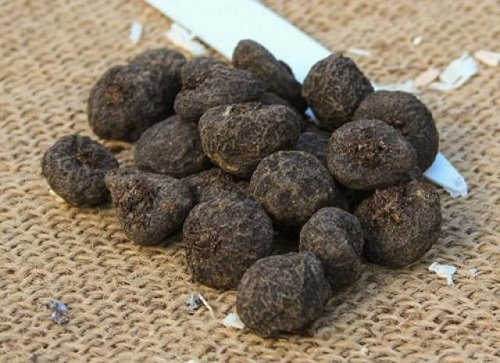
Preparing anemone tubers
The easiest way to grow wood anemone is by planting tubers. Before planting, soak the tubers in warm water for several hours. The moistened planting material is then buried in a sand and peat mixture to a maximum depth of 50 mm.
Some gardeners use growth biostimulants such as Epin or Kornevin instead of water. The tubers soaked in the biostimulant are wrapped in plastic and left for 4-6 hours. This improves the viability of the planting material and promotes a higher germination rate.
Planting in open ground
Anemones can be propagated by seed. However, sowing the seeds and caring for the seedlings takes a considerable amount of time.
Before planting tubers in open ground, it's important to properly prepare the area. First, remove all vegetation, then scrape off the top layer of soil. Fertilize the area designated for anemone planting with a mixture of humus and wood ash.
When planted in open ground, cover the tubers with soil and compact them gently. Don't forget to water the planted anemones generously.
Watering and fertilizing
Further care for primroses doesn't require much time or effort. Any novice amateur gardener can handle this task. So, how do you care for wood anemone?
Watering anemones depends on the season and weather conditions. In spring, plants are watered once every 6-7 days. In summer, if the weather is dry and hot, watering frequency is increased. If there is heavy rainfall, however, watering the delicate flowers is unnecessary. Excess soil moisture can lead to root rot.
Fragile flowers require nutrients. Therefore, during flowering, wood anemone is fed with liquid organic fertilizers. It's worth noting that the plant does not respond well to fresh manure. Every fall, the perennial is fertilized with complex mineral fertilizers.
Preparing for winter
The description of the wood anemone notes that the plant can withstand temperatures as low as -30°C. However, this herbaceous perennial does not tolerate sudden temperature fluctuations, which are particularly common in central Russia.
Mulching will help prevent primroses from freezing. For example, areas of the garden containing anemones can be covered with dry fallen leaves, spruce branches, hay, straw, well-rotted compost, or peat mixed with river sand.
Pest and disease control
A unique feature of this herbaceous crop is its high resistance to most bacterial and fungal diseases. However, not everything is perfect. The plant often suffers from nematode and slug infestations. Following the above-described agricultural practices will help prevent pests.
If insect infestation cannot be avoided, use Fitoverm 2%. Slugs are removed by hand. Mechanical methods of pest control are sometimes equally effective.
Anemone nemorosa in landscape design
These delicate flowers are often used in landscape design. However, the plant is impressive not only when in bloom. Its rich, green, carved leaves are eye-catching.
Anemone nemorosa is used to decorate rockeries and alpine gardens. The flower looks attractive in group plantings. It can also be used to decorate the trunks of fruit trees and evergreen shrubs.
Anemone is planted along garden paths and in small flower beds.
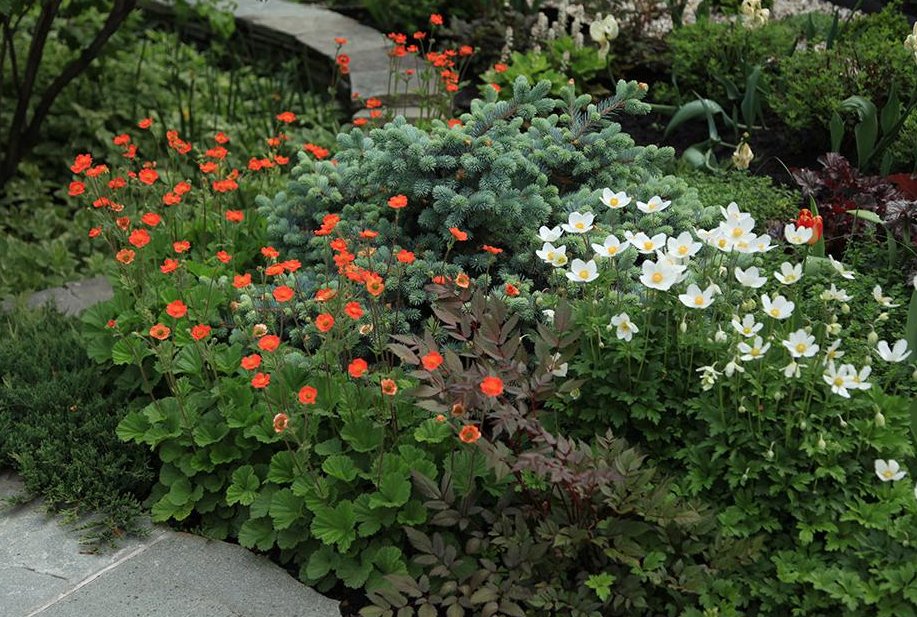
Single plantings are distinguished by their delicacy and refinement. Composite plantings offer a more multifaceted and interesting look. Choosing the right "neighbors" is crucial. Wood anemone pairs harmoniously with ferns, primroses, corydalis, lungwort, liverwort, marsh marigold, snowdrops, and most bulbous plants.
Reviews from gardeners
"A few years ago, we bought a plot of land near a forest belt. It was home to small, snow-white flowers that we recognized as wood anemone. We decided to keep the plant and haven't regretted it. Every spring, our plot becomes like a beautiful carpet of delicate blooms."
"I've been growing anemones for many years. My favorite variety is the oak anemone. When planted in the right location, the plant quickly takes root and grows well. It requires minimal care, but blooms profusely and vigorously."
The wood anemone, listed in the Red Book of most regions of Russia, is gradually disappearing. Botanists and ordinary gardeners are calling for the plant's protection from extinction. Proper planting and proper care are the key to its survival.