
Choosing flowering perennial shrubs for your garden: 23 varieties with photos
Content
- 1 How to choose the right flowering shrub for your garden
- 2 Video: "Flowering Shrubs for the Garden"
- 3 Flowering perennials for the garden
- 3.1 Euonymus
- 3.2 Hawthorn
- 3.3 Brugmansia
- 3.4 Buddleia
- 3.5 Elder
- 3.6 Weigela
- 3.7 Heather
- 3.8 Wisteria
- 3.9 Hydrangea
- 3.10 Deutzia
- 3.11 Tree peony
- 3.12 Jasmine
- 3.13 Honeysuckle
- 3.14 Viburnum
- 3.15 Kerria japonica
- 3.16 Clematis
- 3.17 Mahonia aquifolium
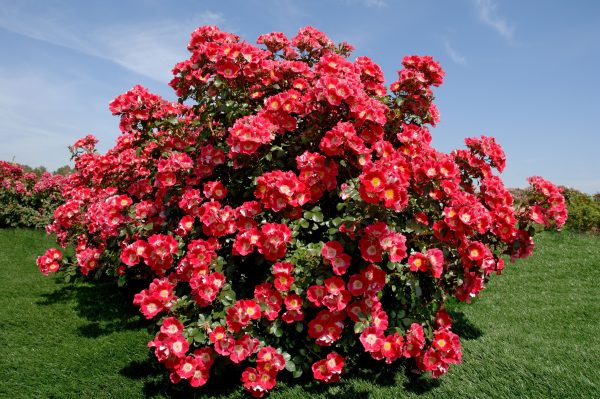
- 3.18 Park rose
- 3.19 Rhododendron
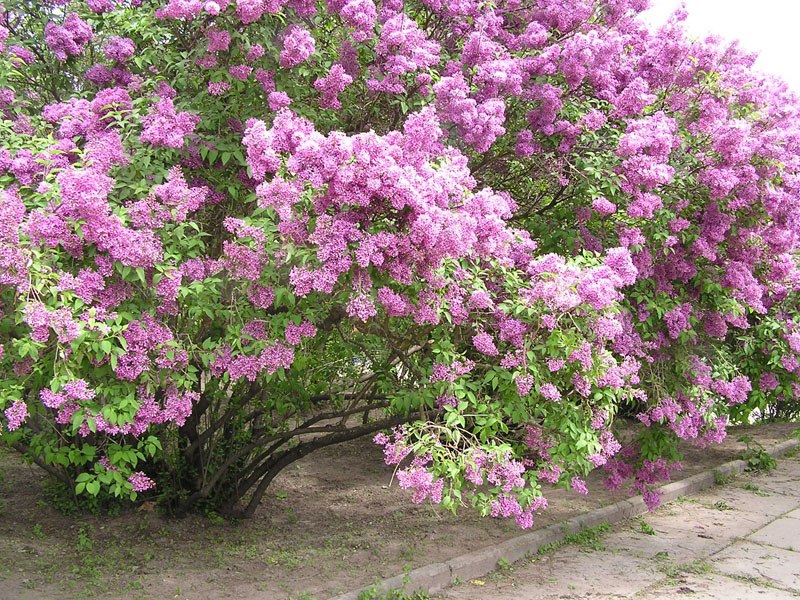
- 3.20 Lilac
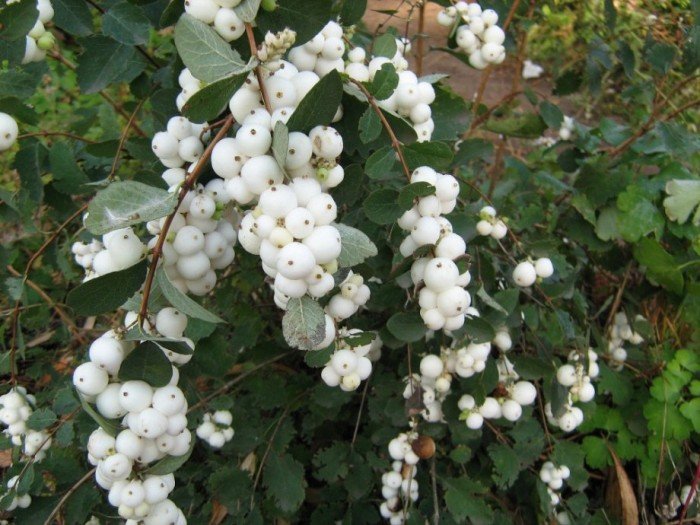
- 3.21 Snowberry
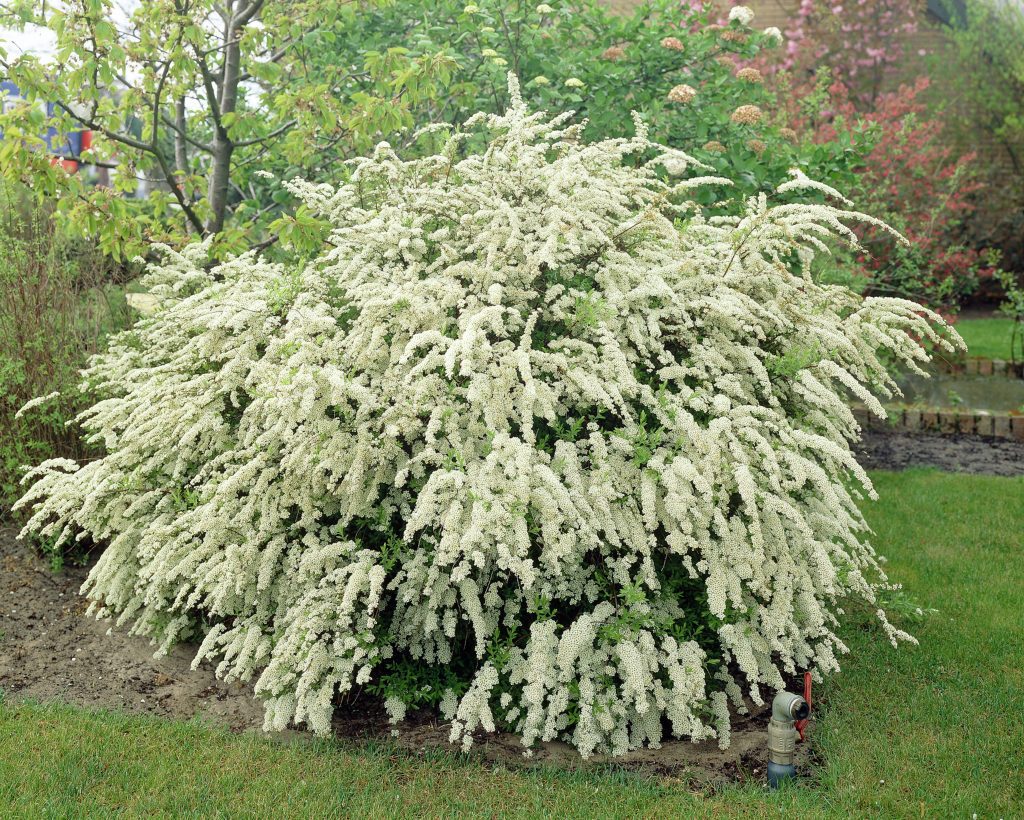
- 3.22 Spirea
- 3.23 Rose hip
- 4 Using flowering perennials in landscape design
How to choose the right flowering shrub for your garden
The choice of planting should be based on the local climate and the characteristics of the garden plot. Let's look at the main factors to consider when choosing garden plants.
- Cold tolerance. Some flowers thrive only in warmer climates, while others can withstand Siberian frosts. However, even when choosing a variety with suitable frost resistance, be sure to check whether the plant requires shelter when cold weather sets in.
- Maintenance requirements. Gardeners who spend the entire season in their garden find it easier to maintain their plants than those who only visit on weekends. In the latter case, they choose perennials that require minimal maintenance—just watering and fertilizing them regularly.
- Pruning and removal of flower stalks is necessary. Labor costs can be significantly reduced by choosing the right crop.
- Soil requirements. Some varieties require only fertile soil, others at least sandy or clayey soil, and still others will even root on rocks.
- Flowering period. It's desirable for the shrub to delight with its flowering appearance for as long as possible.
- Lifespan. When choosing a perennial plant, find out whether it requires frequent repotting and how long it lives in the local climate.
- External dimensions. The plant's root system and crown should fit within the allocated space without growing to unnatural proportions when mature.
Video: "Flowering Shrubs for the Garden"
This video features the most beautiful flowering shrub-type perennials.
Flowering perennials for the garden
It is not necessary to give preference to one culture. Good results are achieved by organizing mixed plantings, creating hedges from different crops, and organizing color compositions that replace each other throughout the summer.
Euonymus
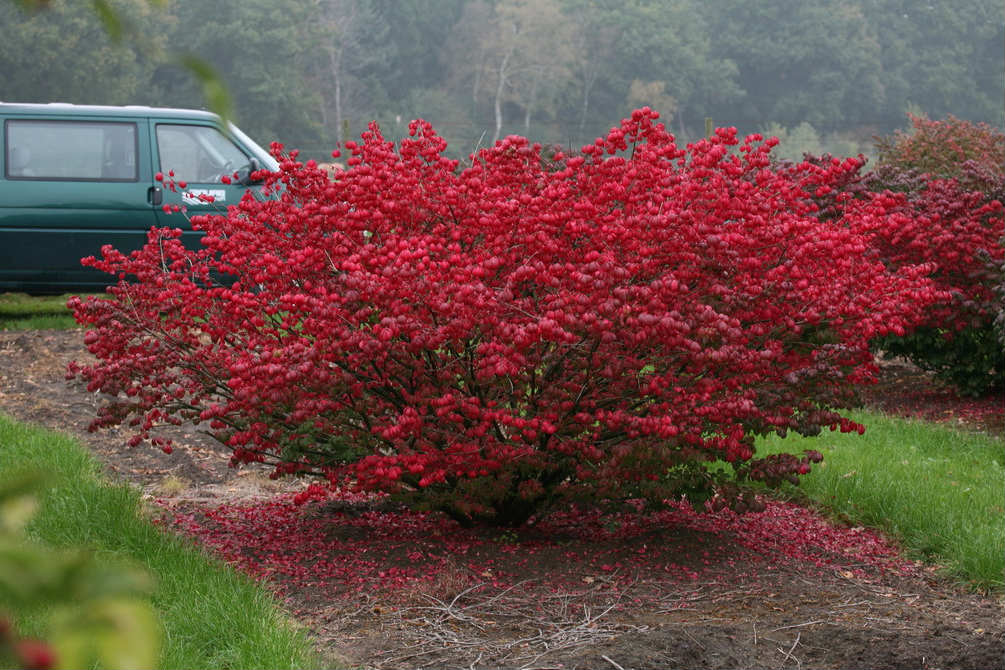
This is a low-growing (up to 60 cm) wild shrub imported from China. A large number of cultivars share variegated leaves (pale or bright green, with yellow or white edges). It is grown as a bush or vine-like on an arbor or wall, with twine used to guide its growth.
It's frost-resistant and takes root easily, as long as the soil is sufficiently moist. It looks good planted as a single specimen or in a flowerbed.
Hawthorn
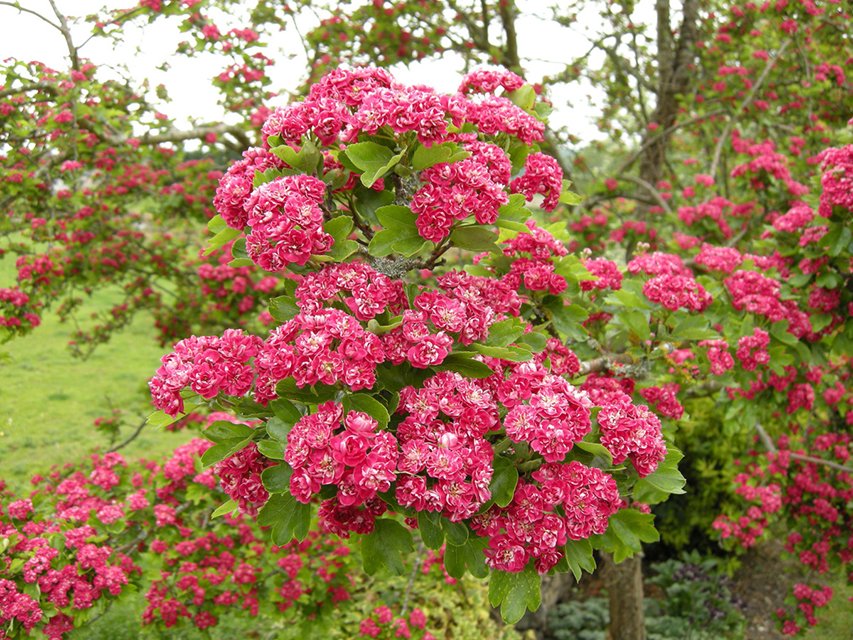
Popular with landscape designers, this plant is not only beautiful but also produces healthy berries. Hybrids with white and pink flowers are found, and there are plants with single and double corollas.
It blooms throughout June, and in autumn the bushes are covered with dark red fruits. It can be planted singly or in groups, and does not conflict with other crops or crowd out shorter herbaceous plants. Sunny areas with loose soil are ideal. It is easy to care for.
Brugmansia
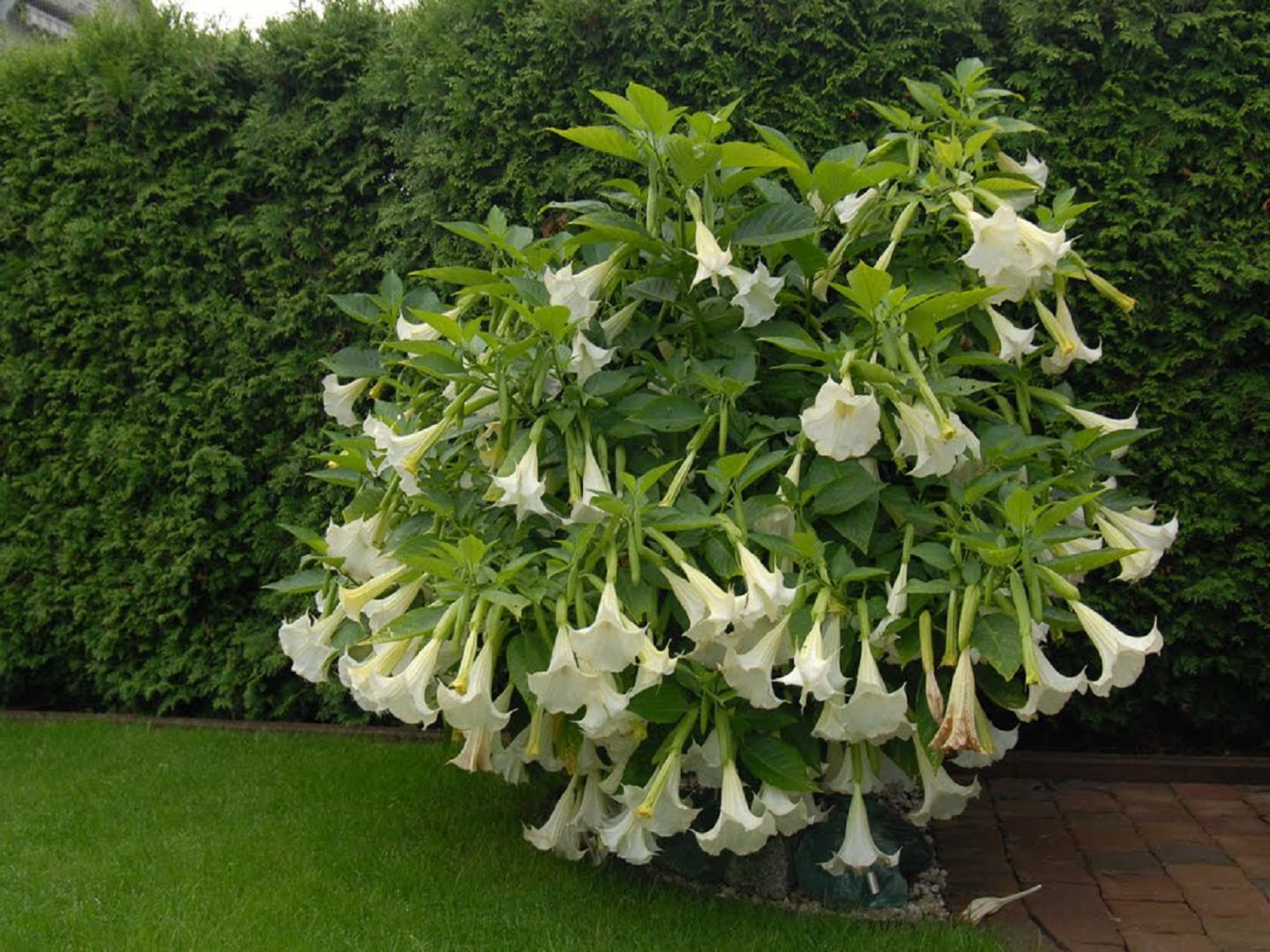
A member of the Solanaceae family, it grows as a vine, capable of reaching a height of 5 meters. Its inflorescences are massive, up to 50 cm long, and shaped like pointed bells.
It thrives on moisture, requiring frequent and generous watering of the root system and misting of the foliage with warm water. Brugmansia should be planted in partial shade, protected from wind and drafts. During the flowering season, support the branches to prevent them from bending toward the ground. From the moment of flowering and throughout the summer, it requires fertilizing with a complex fertilizer.
Buddleia
Gardeners nicknamed this plant "summer lilac" for the similarity of its inflorescences. The slightly elongated flowers come in blue, lilac, and pink and have a pleasant fragrance. They reach a height of 1.5-3 meters and bloom from midsummer to late September. They look beautiful planted alone or in combination with cinquefoil and low-growing rose bushes.
Buddleia is best grown in large tubs, making it a beautiful addition to an outdoor patio or garden path. In flowerbeds, it's often planted in the background. For outdoor planting, a sunny, well-drained, fertile soil site, sheltered from the wind, is ideal.
Elder
Black elderberry fruits are edible and used in folk medicine. Their main drawback is their height (3 to 10 m), but gardeners can tame their vigorous growth with proper pruning. Elderberries, with their lush, dense crowns, are a beautiful addition to any garden. Flowering occurs in May and June.
Some species have a pleasant scent, while others are used to repel insects and rodents. Juice, wine, and jam are made from the berries and flowers.
Elderberry can be trained as a shrub or a tree. It tolerates shade and is easy to grow.
Weigela
It looks beautiful during and after flowering. Some varieties are classified as ornamental, such as:
- Nana Variegata (leaves with a beautiful golden border);
- Nana Purpurea (dark, red-brown foliage).
Flowering begins in May. The pink, bell-shaped inflorescences bloom in waves throughout the month. Some varieties bloom twice a year, such as Weigela middendorfiana, while others continue to bloom until August.
Resistant to cold winters, the plant grows upright and is often used as a hedge.
-
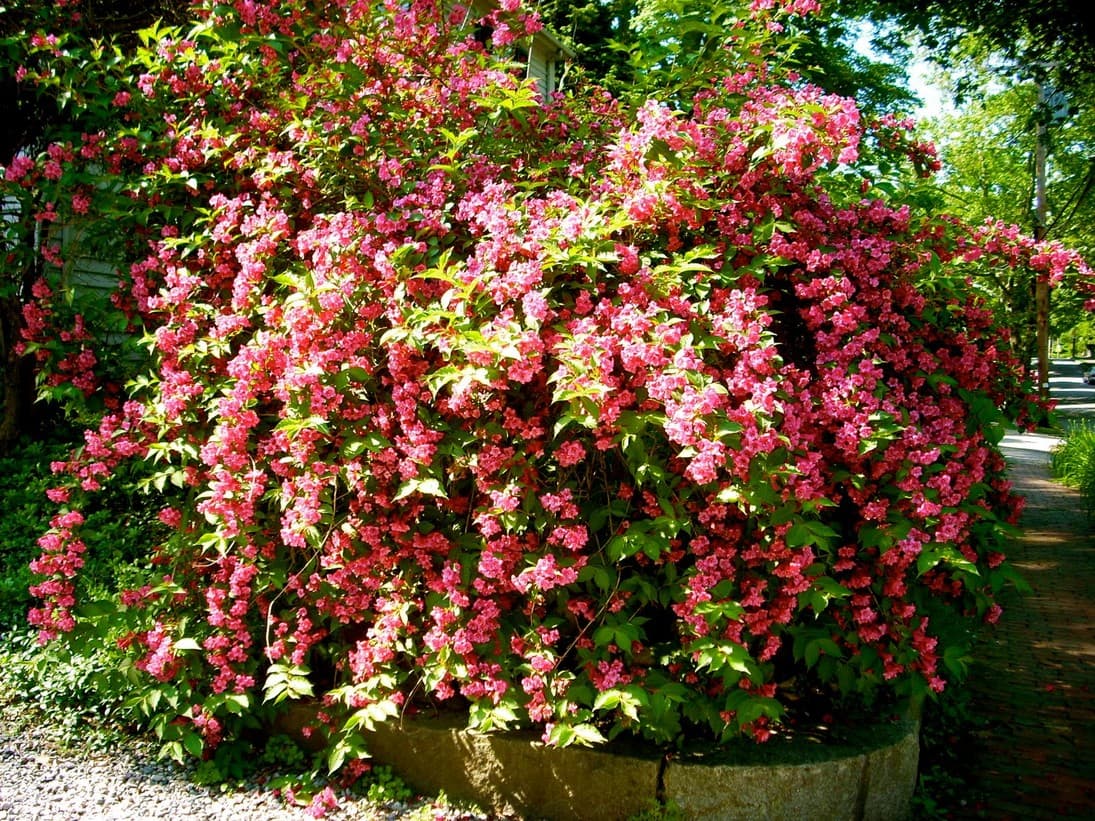
- Weigela
-
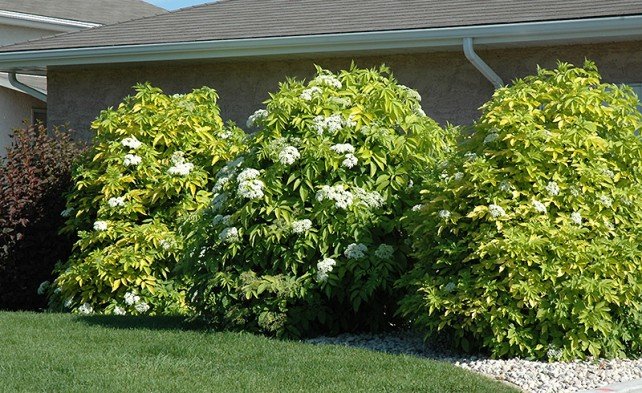
- Elder
-
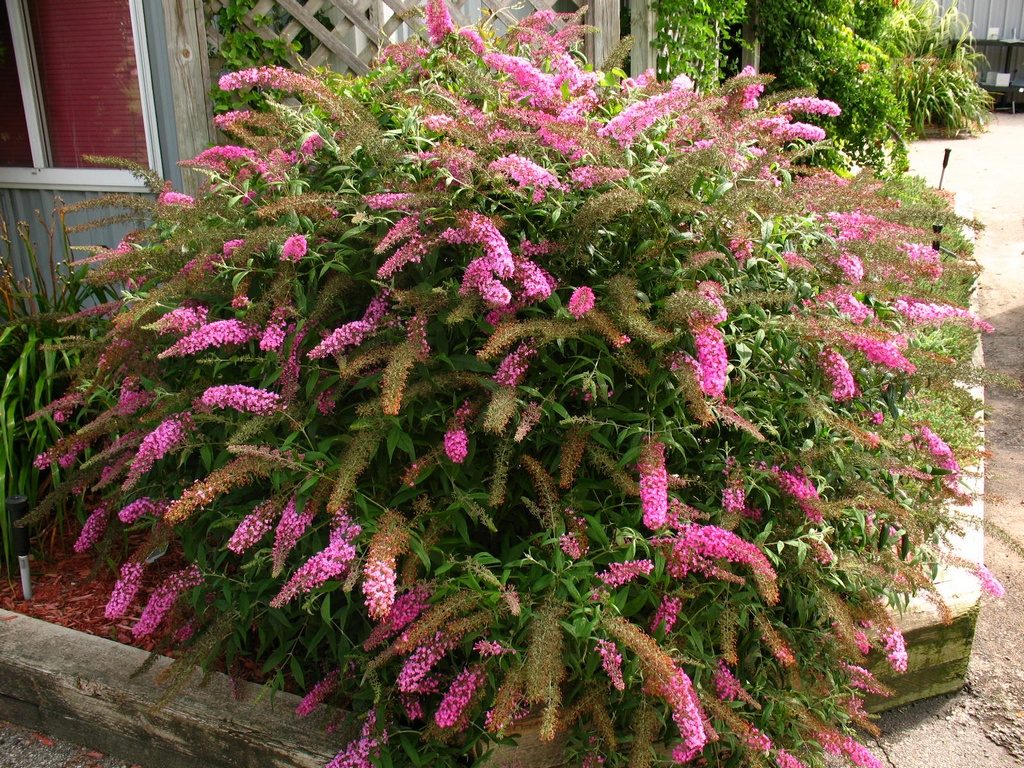
- Buddleia
Heather
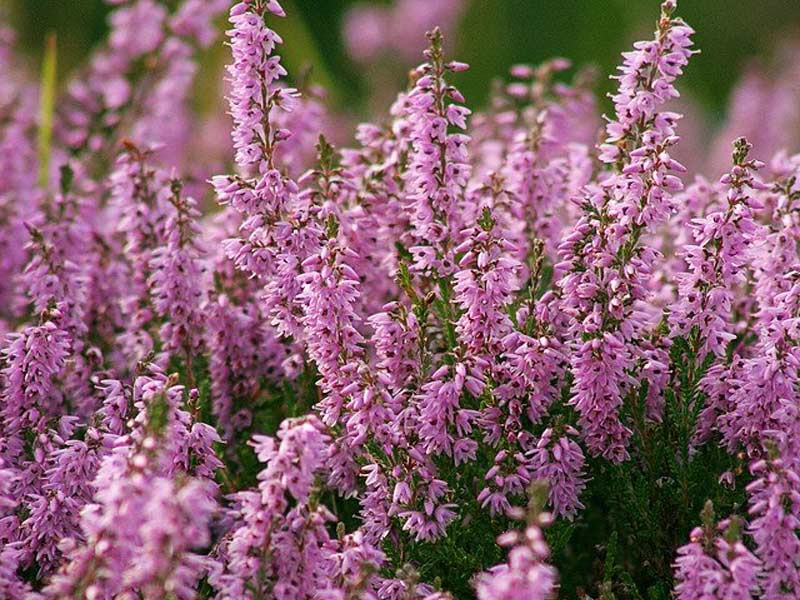
It blooms from autumn, decorating the garden with flowers until winter. It's recommended to plant varieties with blue and lilac flowers, which contrast beautifully with the first snowfall. There are also varieties with white and yellow flowers.
Wisteria
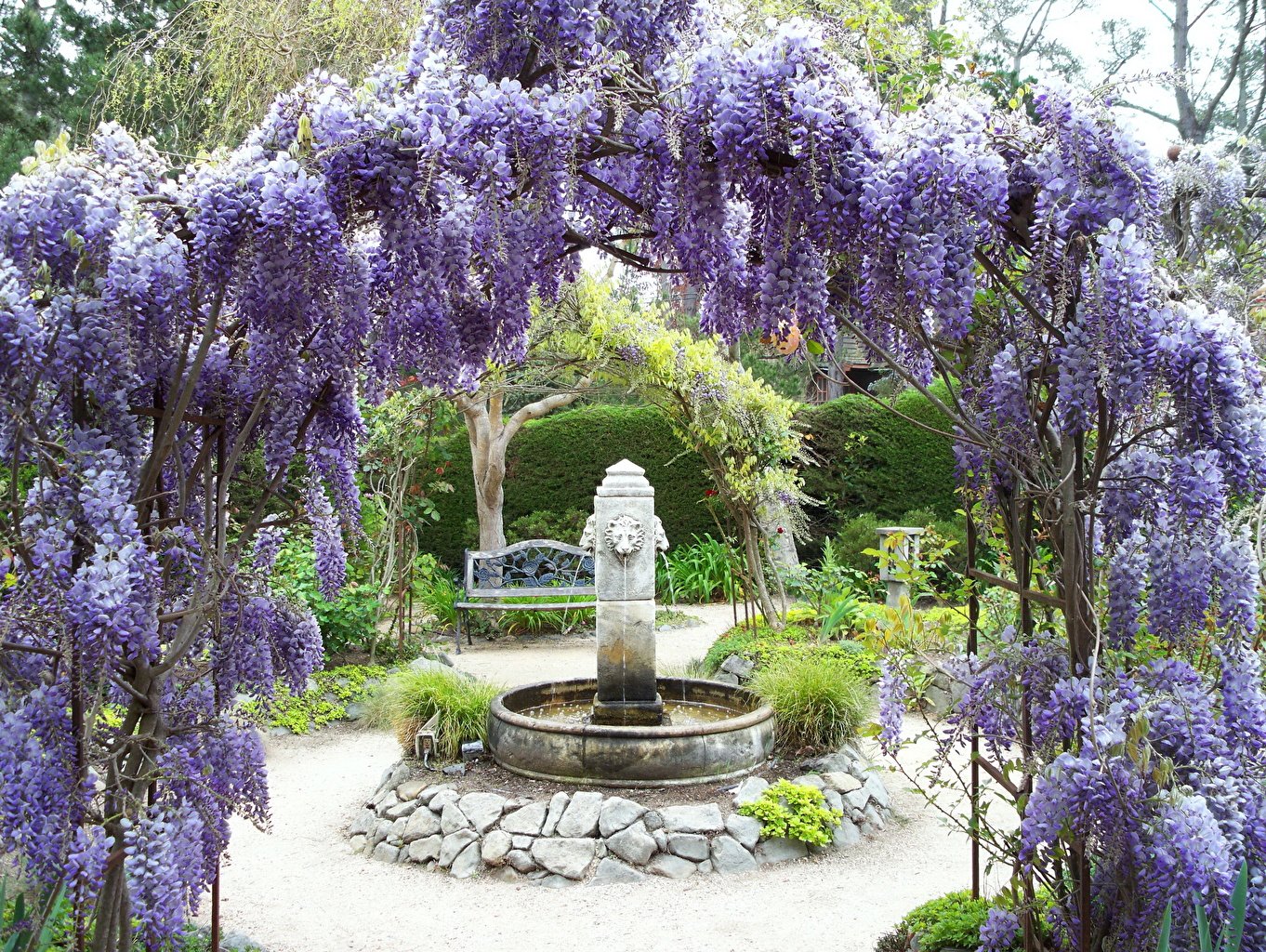
It begins blooming in early summer, holding sparse purple flower clusters throughout the season. It has a strong, fragrant aroma and is most often found as a climbing vine. It thrives in warm conditions and is common in the south. It grows in the north, but requires winter protection.
Hydrangea
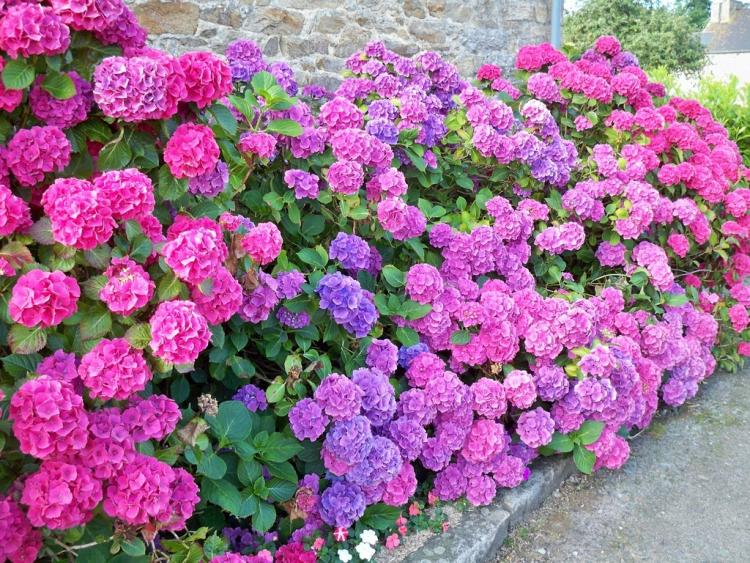
Unpretentious, it thrives where other plants die. It loves shade, tolerates moist soil, and is frost-hardy. It blooms with massive "balls" of white, lilac, pink, blue, and purple flowers. It's resilient and lasts a long time in a vase of water, even when cut. The flowering season begins in midsummer and lasts until September; some hybrids (like "Freudenstein") last until early November. It looks beautiful even when dried.
Unpretentious, it thrives in acidic soils. Hydrangea can be planted alone or in combination with:
- rhododendrons;
- clematis;
- lilies;
- roses;
- species of fern.
Low varieties grow up to 50–70 cm, high ones – up to one and a half meters.
Deutzia
Characterized by long and abundant flowering (1 to 2 months), it thrives in partial shade, sheltered from the wind. Inflorescences appear in June, forming dense clusters of white-pink, purple, or pure white (depending on the variety). It tolerates frost well; at temperatures below -25°C, it is advisable to press the bush branches to the ground to prevent the buds from freezing.
The following varieties are used in landscape design:
- upright – suitable for forming hedges and borders;
- spreading - like individual plants in a garden or alpine slide.
It requires a lot of space – leave a gap of 25 cm between individual seedlings in the flowerbed.
Tree peony
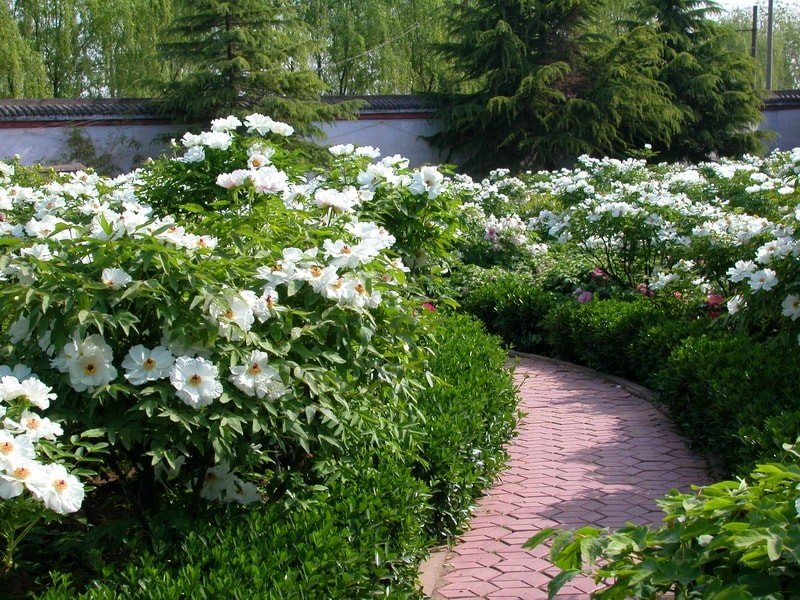
It grows as a shrub. Flowering begins in early May. The height of the bushes ranges from 1.5 to 2 m.
Jasmine
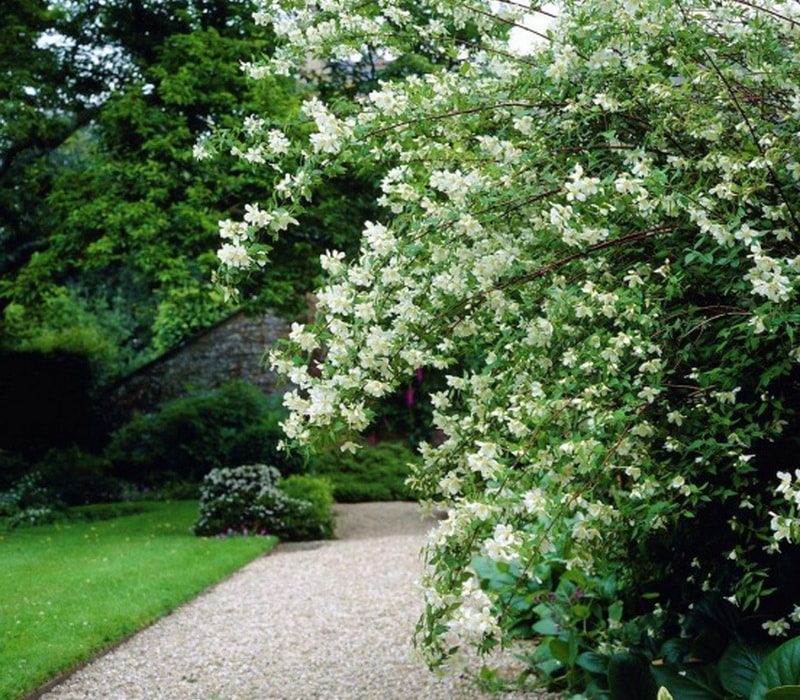
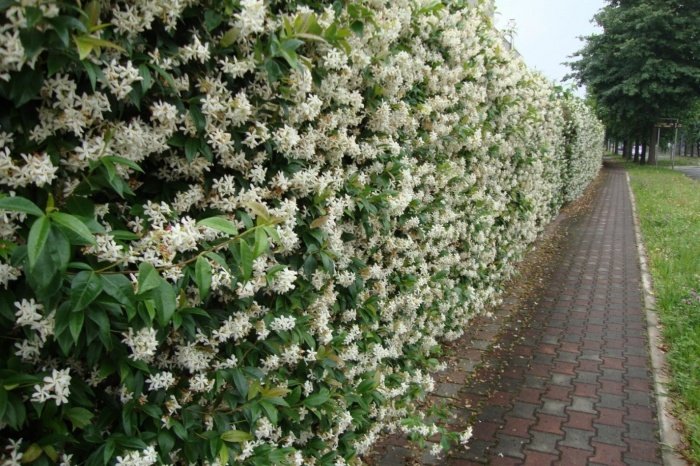
Also known as mock orange, this is one of the most sought-after flowering garden plants. Various varieties and hybrids differ in size, shape, color, and fragrance. The most recognizable jasmine in the country is the white-flowered jasmine. It is frost-resistant and resistant to many diseases.
It's easy to grow and thrives in both shade and sun. It requires regular watering but is sensitive to excessive moisture around the trunk. The flowering season varies by species, typically beginning in May and continuing until early summer. You can plant different varieties with alternating blooms, spanning summer and early fall.
-
- Jasmine
-
- Tree peony
-
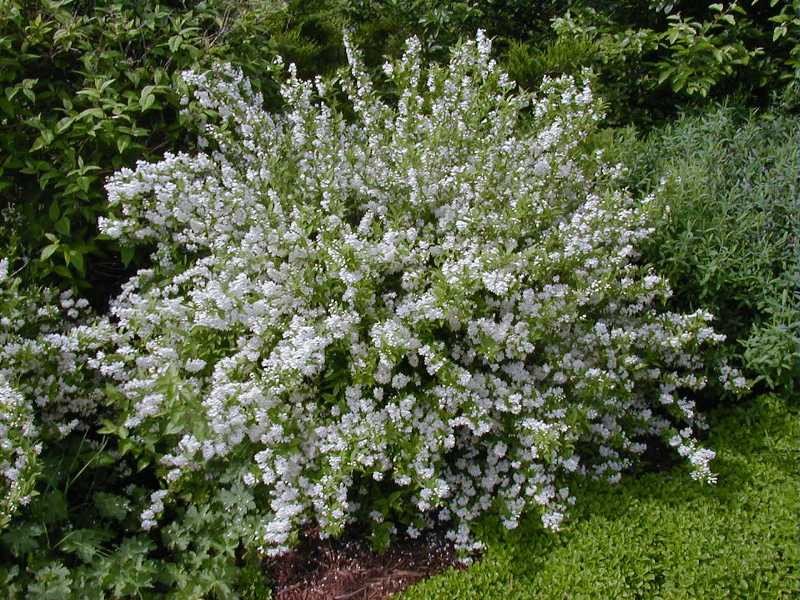
- Deutzia
Honeysuckle
Traditionally grown in gardens, the plant is popular for its decorative appearance and low maintenance. Honeysuckle bushes thrive in our climate:
- real;
- Tatar;
- honeysuckle.
In the garden, it thrives in sun and shade, in any soil. It grows from 1.5 to 3 meters tall, with dense foliage. Young leaves and shoots are blue. By June, the bushes are covered with fragrant white, yellow, and pink flowers. After wilting, red or orange edible berries appear.
Viburnum
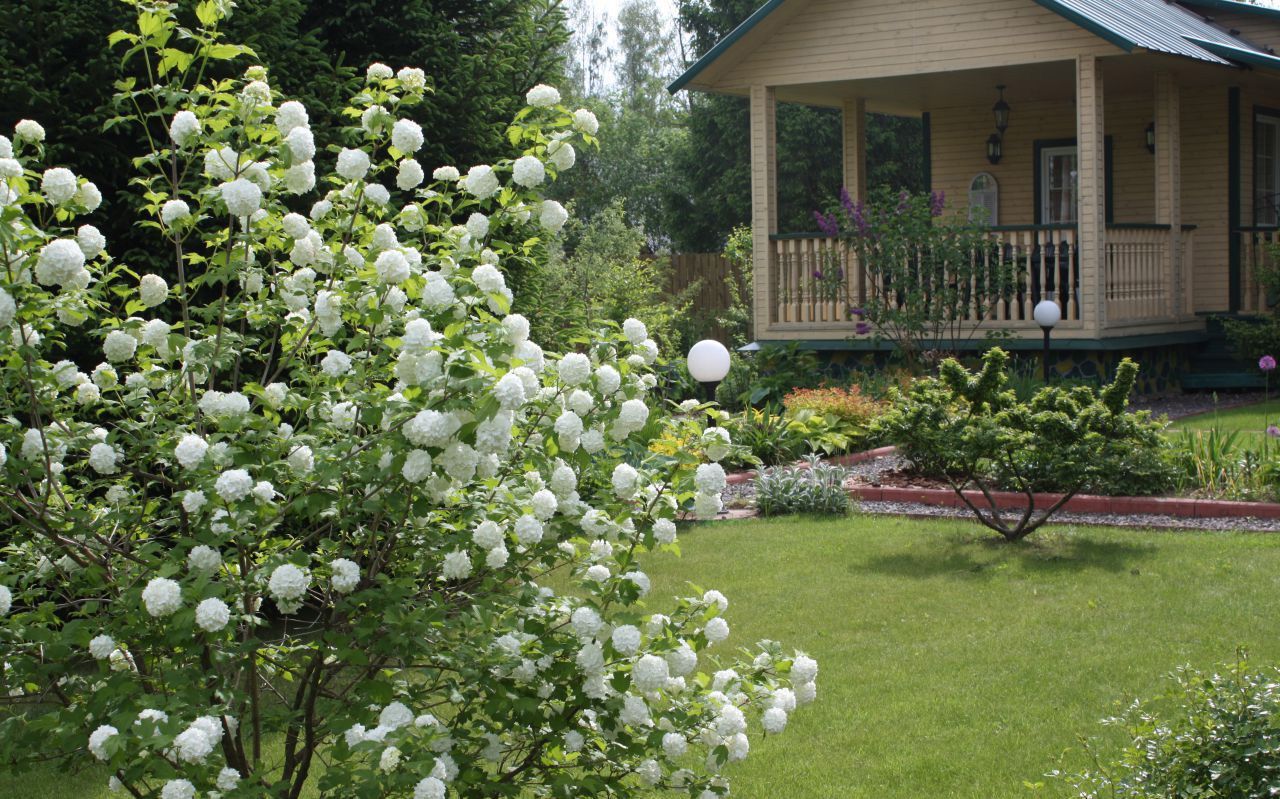
It is renowned for its fruit and decorative foliage. The flowers are massive, white, and spherical, and the berries are used in folk medicine. The leaves change color throughout the season, from dark green to gold and red. Bright red berries appear in late summer.
There are approximately 200 subspecies of this plant, including evergreen varieties. Common viburnum and buldonezh are widely grown in Russia. It is cold-hardy, undemanding, and looks beautiful year-round. It prefers shade and requires moderate watering. The flowering period lasts about three weeks from May to June.
Kerria japonica
It blooms from spring to summer (for about two months). The flowers are yellow, resembling massive buttercups. It is cold-resistant, and even if damaged by low temperatures, it recovers with the arrival of warmer temperatures. This undemanding plant thrives in poor soil, in full sun or partial shade.
Clematis
A popular plant for open ground and greenhouses, it comes in both vine and shrub varieties, varying in size and color. The most popular colors are pink, white, crimson, lilac, purple, and black.
The lower part is woody and survives winter well, while the upper part dies back annually. The plant can attach itself to the branches of surrounding trees and shrubs, grasping any supports with its cuttings. It pairs well with roses that bloom at the same time, as well as hydrangeas, buddleias, and barberries. The fragrant aromas fill the air all season long.
Mahonia aquifolium
It's cold-tolerant and blooms in early spring. The flowers are yellow and scented with lily-of-the-valley. The fruits are edible fresh, in wine, or in decoctions.
Afraid of direct sunlight, grows well in shaded areas.
-
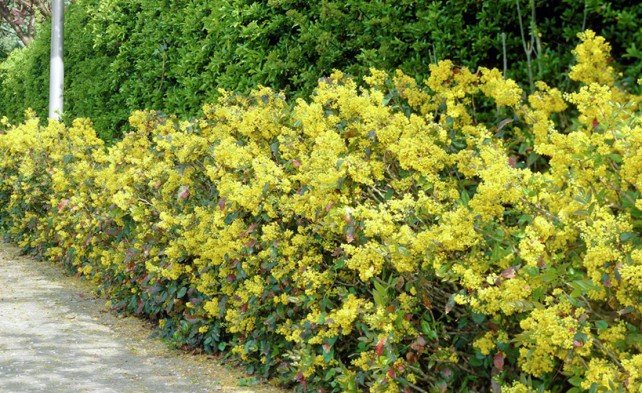
- Mahonia aquifolium
-
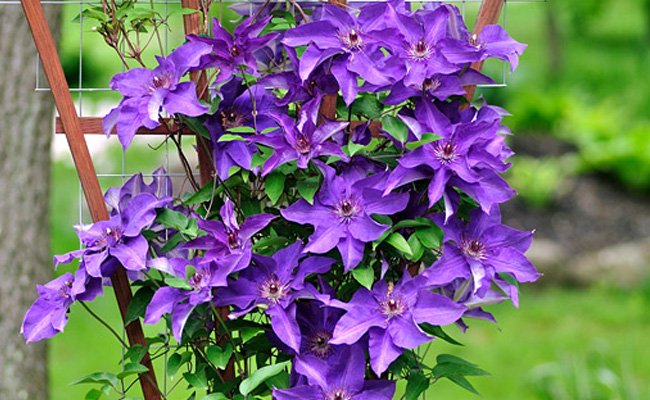
- Clematis
-
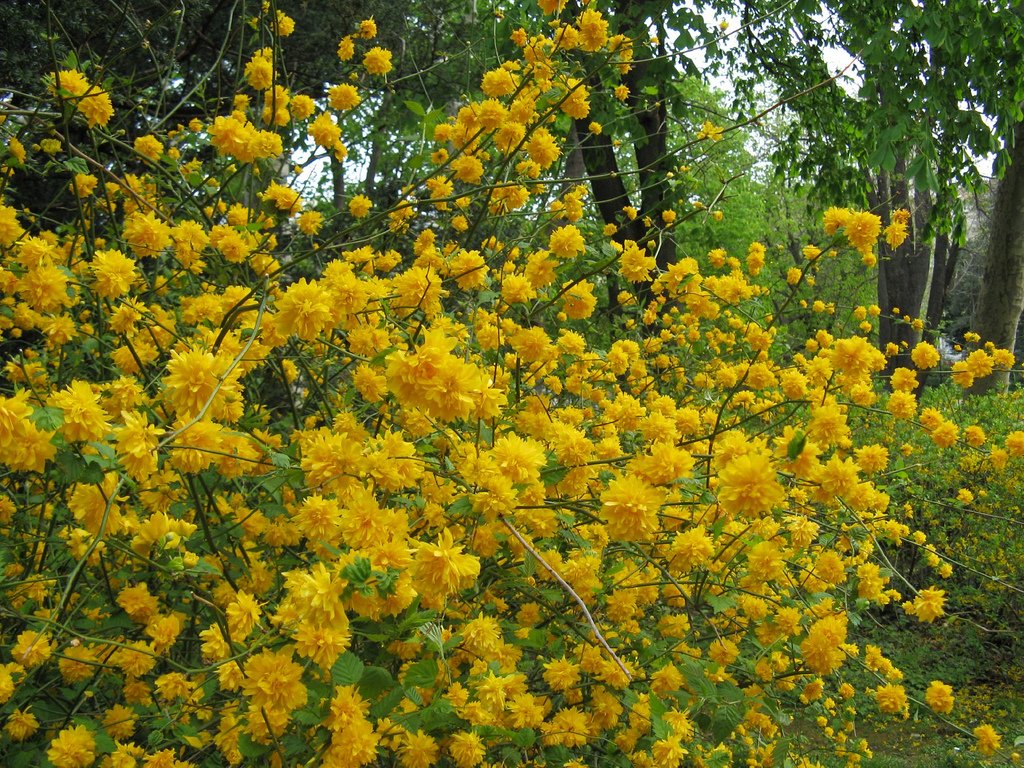
- Kerria japonica
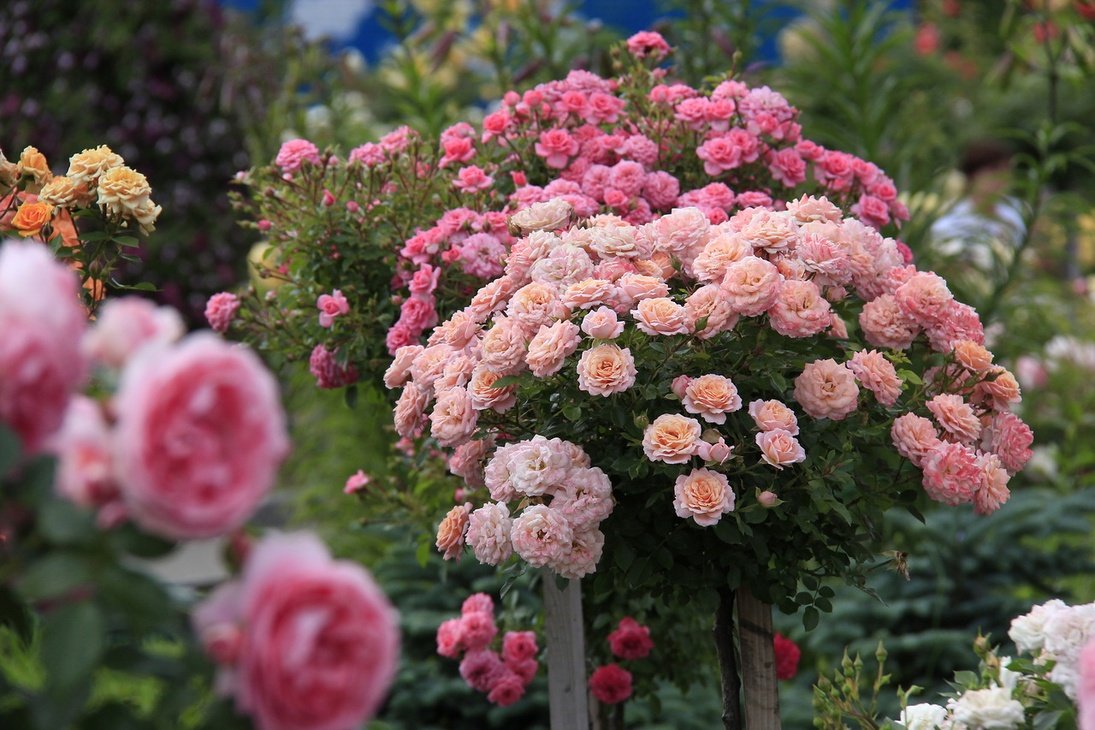
Park rose
A favorite plant among Russian gardeners, it begins blooming in early summer and lasts a month or longer, depending on the variety. The following varieties make excellent garden decorations:
- climbing;
- standard;
- bush;
- hybrid tea;
- ground cover;
- miniature.
They create a beautiful picture, growing at the edge of the lawn and in the center of the lawn, next to coniferous plants, against the background of stones, wrought iron arbors or wooden arches.
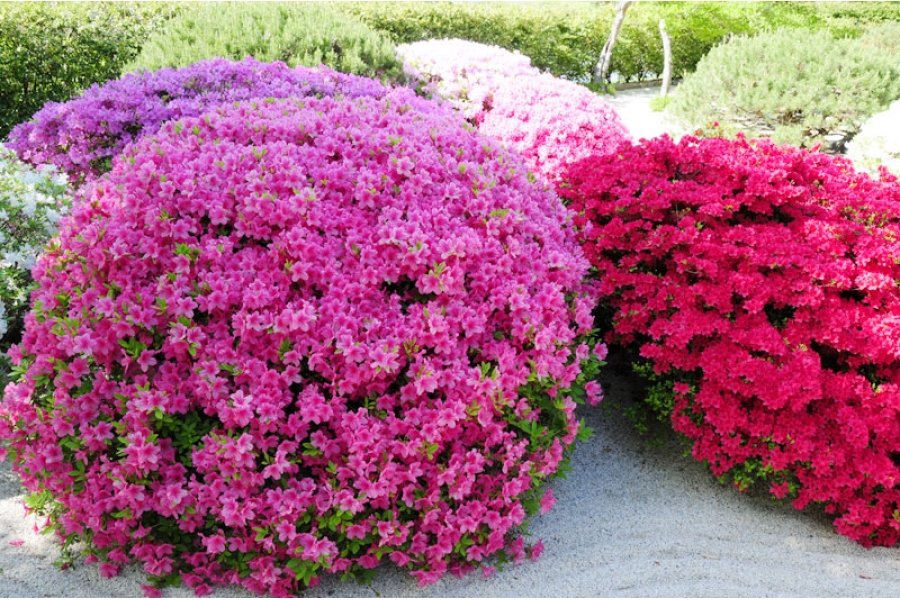
Rhododendron
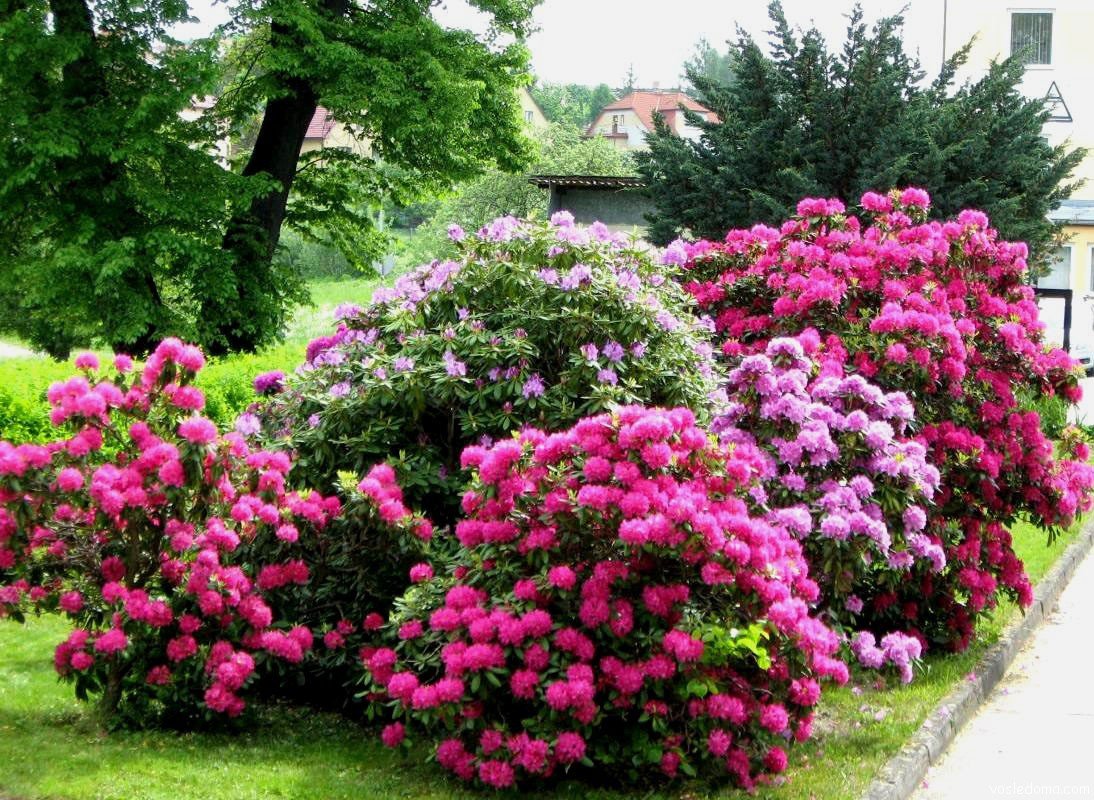
A southern flowering plant, heat-loving, common in the Krasnodar region. In spring, it blooms with pink, lilac, purple, and red clusters.
Lilac
It has a pleasant scent. It grows to 2, 3, and more meters. All varieties are winter-hardy and easy to grow. They prefer sunny spots and partial shade. They require space when planting. Flowering begins in May, and some varieties continue until June.
Snowberry
White and pink varieties are used as ornamental plants. In regions with cold winters, white-fruited varieties thrive.
It tolerates not only cold but also heat well, and thrives in challenging soils. It requires full sun and does not tolerate shade. It is short, but reaches a width of 2.5 m, which limits planting space.
Spirea
A beautiful and undemanding plant. Different varieties bloom in spring and summer, and can be combined so that one blooms immediately after the other. Vagnutta and Pink Ice have decorative foliage.
Low-growing, slow-growing. The blooms are dense and lush, and the plant bends toward the ground under the weight of its branches, covered with white or lilac-pink (Japanese spirea) flowers. Both plants are honey-producing and undemanding of soil, but they tolerate sunlight differently, either in abundance or insufficient.
-
- Spirea
-
- Snowberry
-
- Lilac
Rose hip
An attractive and useful species, it decorates the garden from spring to late summer with pink or red flowers. It can be used as a thorny fence. The inflorescences of some varieties (there are dozens of species) resemble roses – double flowers 8 cm in diameter. They emit a sweet, spicy scent and range in color from white to pink. The leaves are massive and wrinkled, and the fruits are red with a juicy orange center and numerous seeds.
Unpretentious, it branches easily, forming a lush crown. It prefers sun or partial shade. It does not tolerate stagnant water or highly acidic soil.
Using flowering perennials in landscape design
Low-maintenance perennial shrubs can replace traditional flowers in gardens, which require annual replanting and extensive labor. Climbing shrubs are used to decorate walls, arbors, and fences.
-
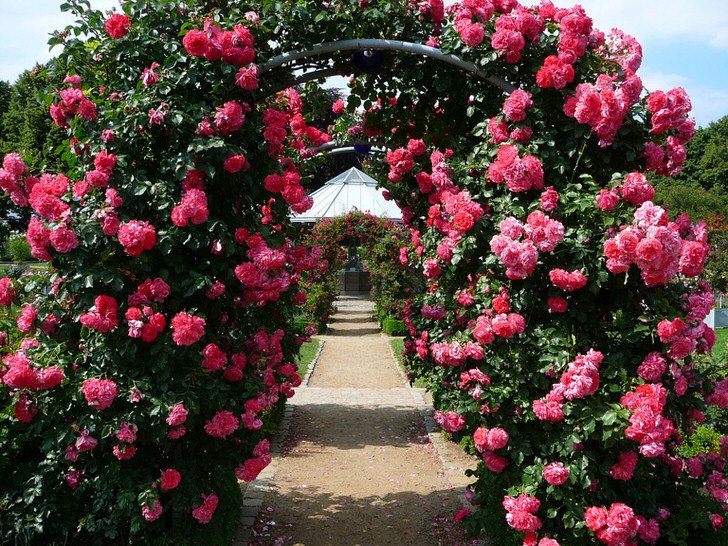
- Decorating arches
-
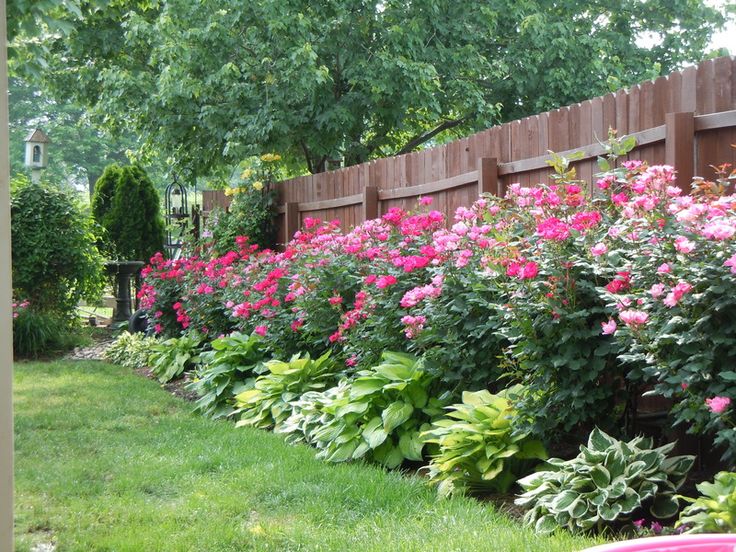
- Hedge
-
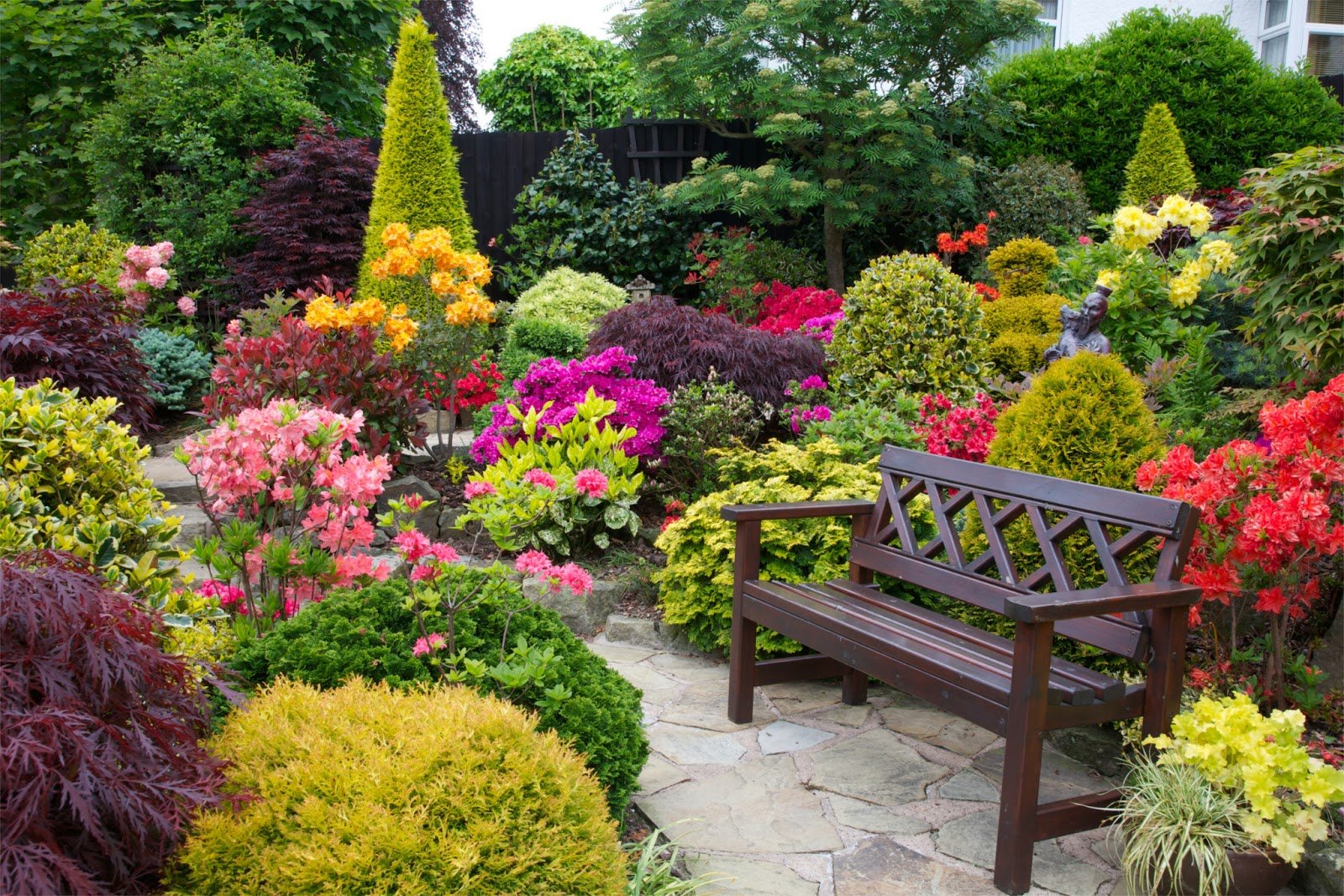
- Landscaping of the recreation area
-
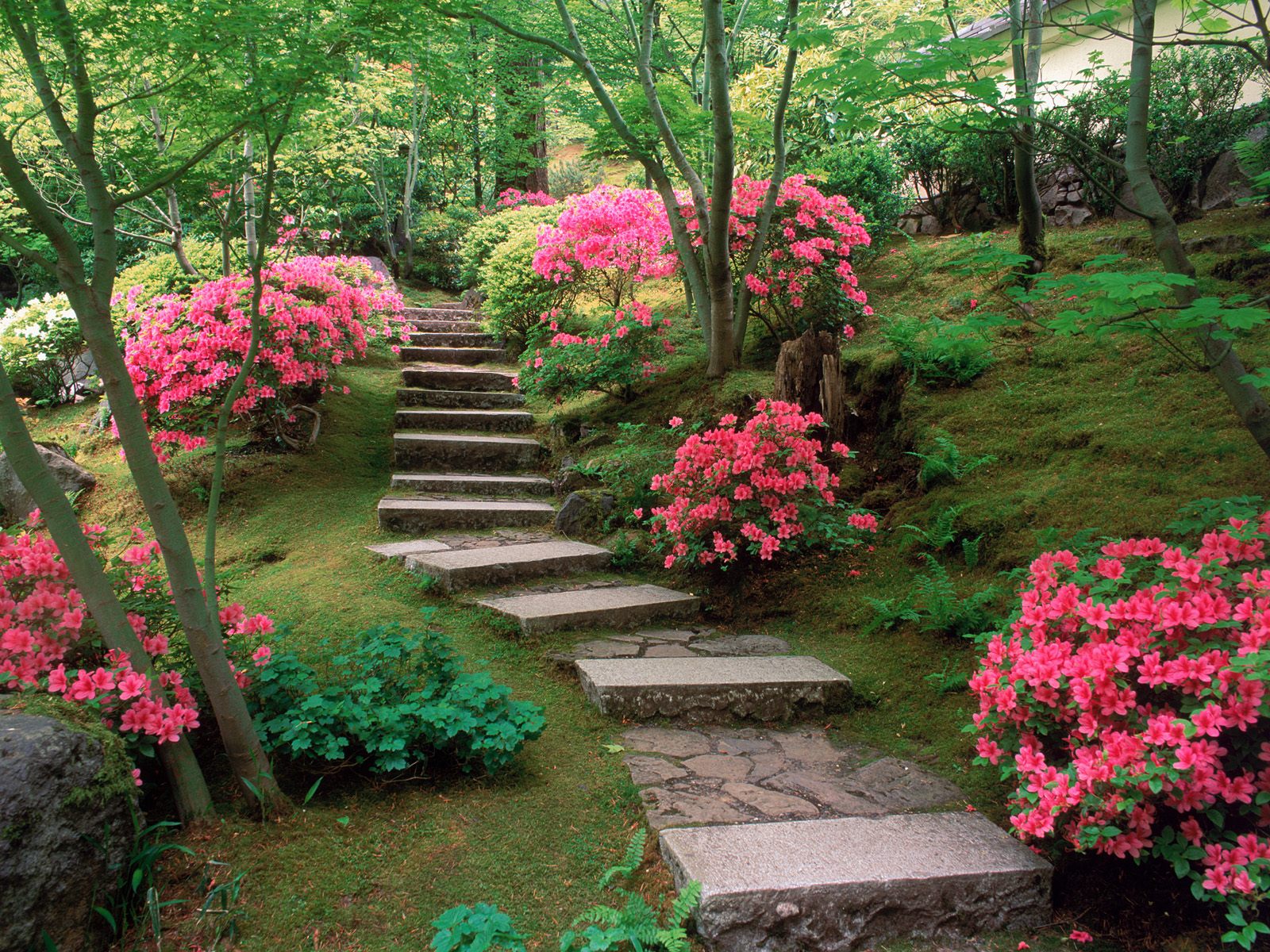
- Garden path design
-
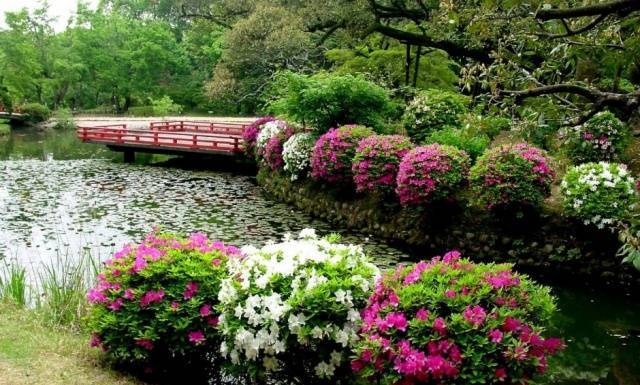
- Pond decoration
-
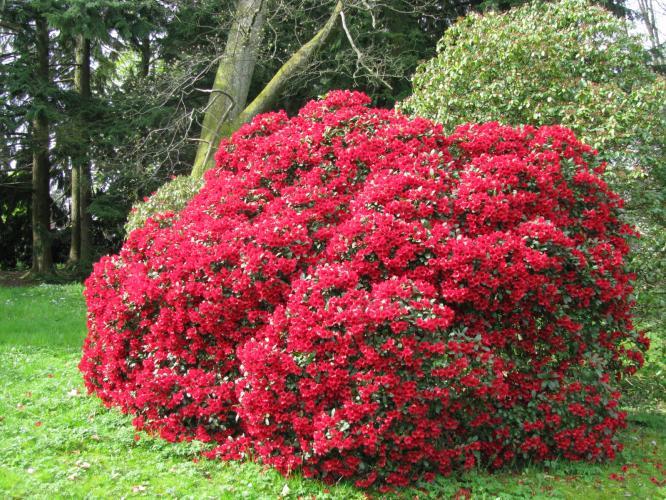
- Solitary plantings
The list of noteworthy garden perennials is not limited to those described in this article. There are many options that, by choosing them, can transform a plot without major financial investments or labor-intensive maintenance.