
How to grow Spiraea vanhouttei in your garden
Content
Description of Spiraea vanhouttei
Spiraea Vanhouttei (Latin: Spiraea Vanhouttei) is a striking representative of the ornamental deciduous shrubs of the Rosaceae family. The "parents" of this hybrid are the varieties Spiraea triloba and Spiraea cantonica. In 1868, the plant was classified as a cultivated subspecies.
Meadowsweet, as spirea is often called, is a spreading, medium-sized shrub. A mature bush averages 2 meters in height. The diameter and shape of the crown depend on the pruning method chosen by the gardener or landscape designer. The shoots are arching, drooping toward the ground.
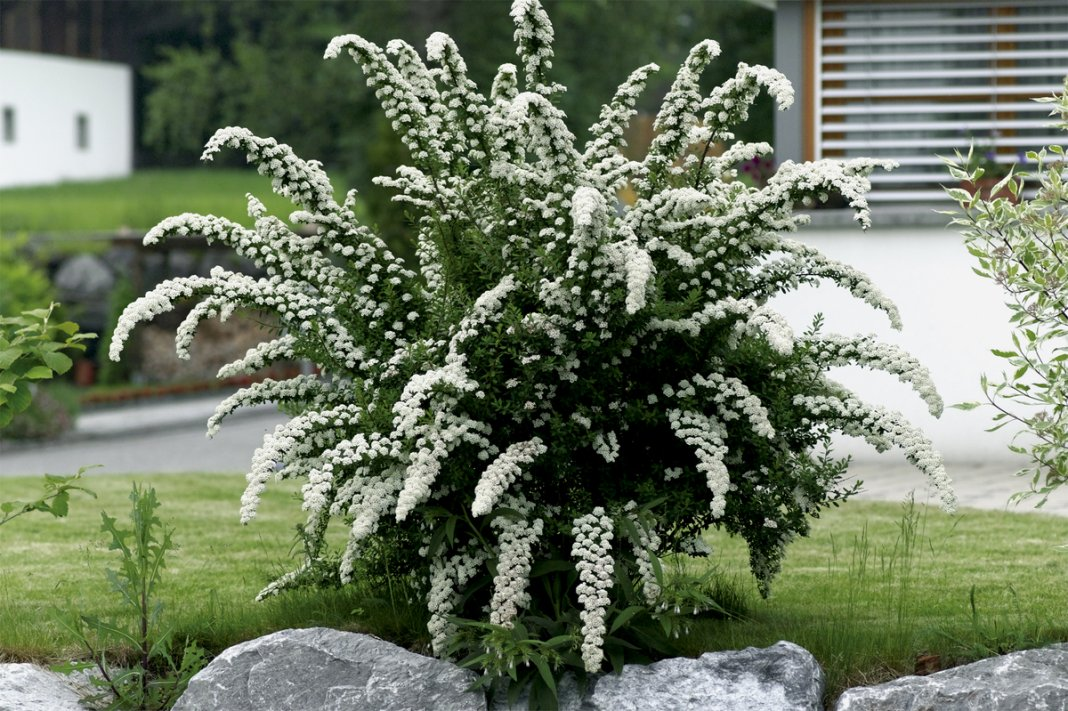
The leaves are characteristically obovate in shape. Serrations are clearly visible along the edges. The outer surface of the leaflet is dark green, while the inner surface is a dull marsh color.
Spiraea vanhouttei is highly decorative during flowering. The bush blooms twice per season. The first bloom lasts from mid-May to early July, and the second begins in mid-August. The flowers are gathered in spherical inflorescences. The number of inflorescences is so large that it seems as if the bush is completely covered with delicate and fragrant buds.
Interesting varieties with photos
The following varieties of Spiraea Vanhouttei are especially popular among gardeners and landscape designers.
Gold Fontaine
A light-loving and low-maintenance ornamental shrub, 'Gold Fountain' spirea is distinguished by its leaf color—a rich yellow-green hue. Peak flowering occurs in mid-May. Its high ornamental qualities make it suitable for both solitary and compositional plantings.
Snow White
Developed by Canadian breeders, the Snow White variety is used for mixed borders and low-growing hedges. The average height of the bush is only 1.5 m, with a crown diameter of no more than 1.8 m.
White Bride
The White Bride spirea is ideal for creating a hedge. A mature bush grows to a height of no more than 2 meters. It is undemanding in terms of growing conditions and care. As autumn approaches, the leaves acquire a beautiful yellowish hue.
Renaissance
Gardeners in Siberia and the Urals have highly praised the Renaissance meadowsweet. This ornamental plant tolerates even extreme temperature drops and can overwinter without additional winter protection.
Pink Ice
The Pink Ice variety is distinguished by its unusual leaf coloring: creamy white and greenish surfaces are tinged with beige. Young foliage is a delicate pink. The shrub blooms with snow-white buds.
-
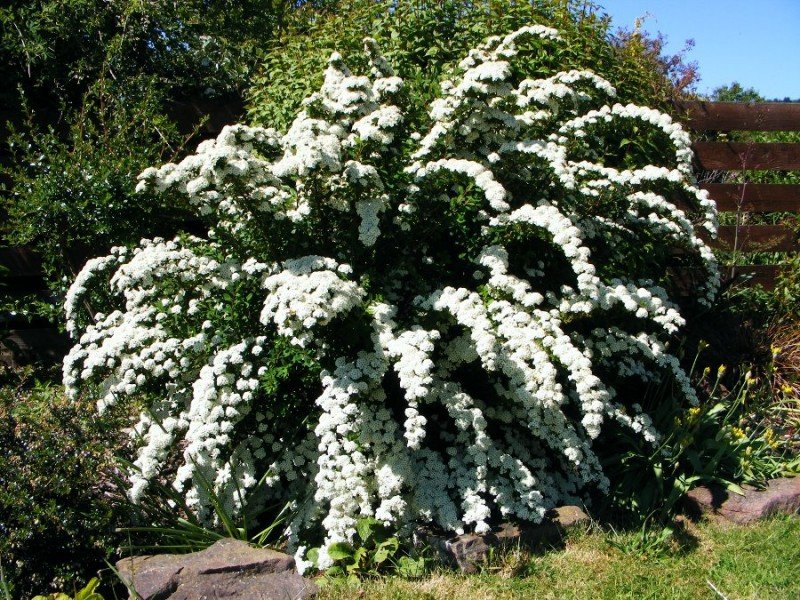
- White Bride
-
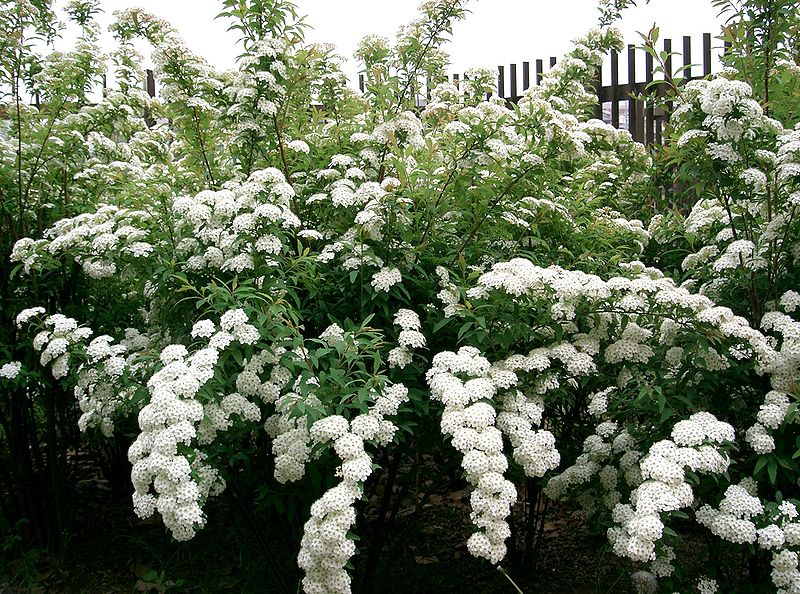
- Snow White
-
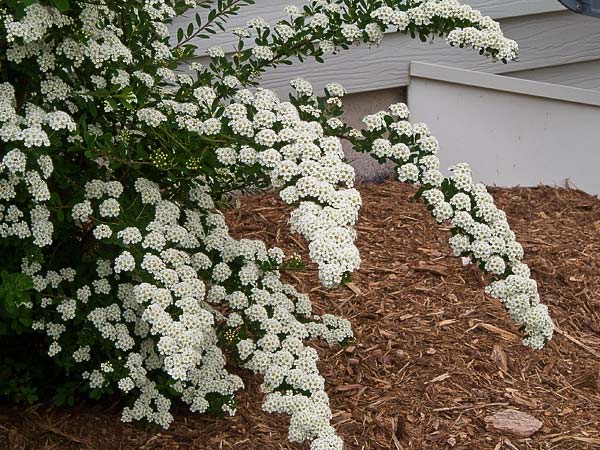
- Renaissance
-
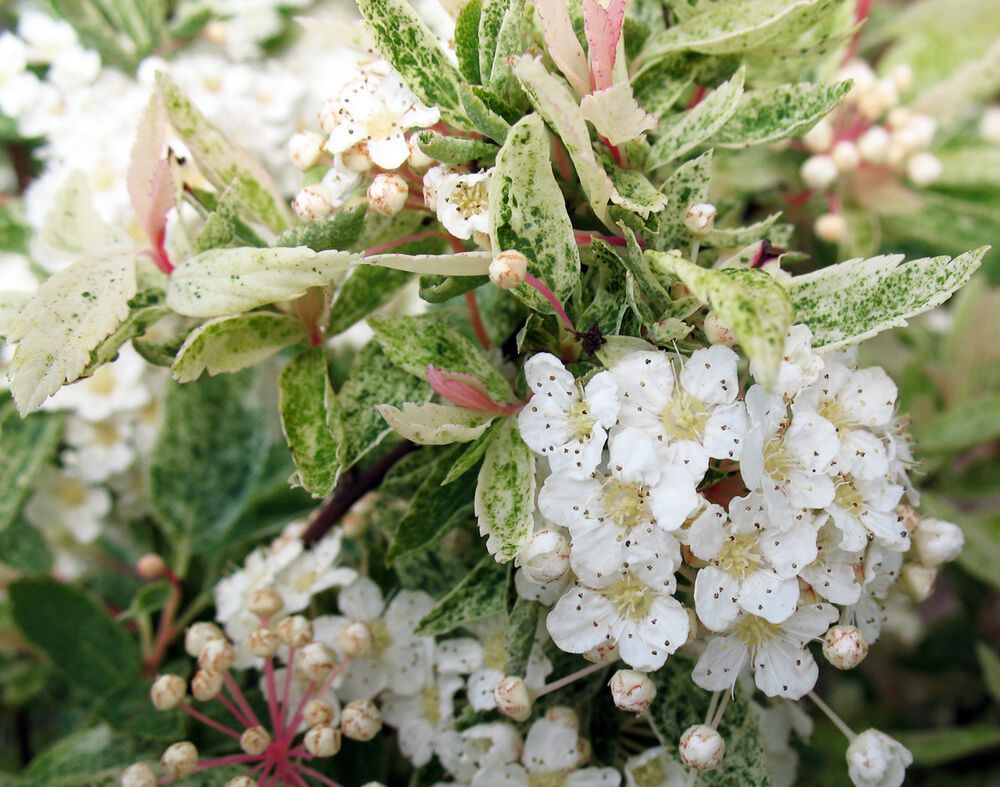
- Pink Ice
-
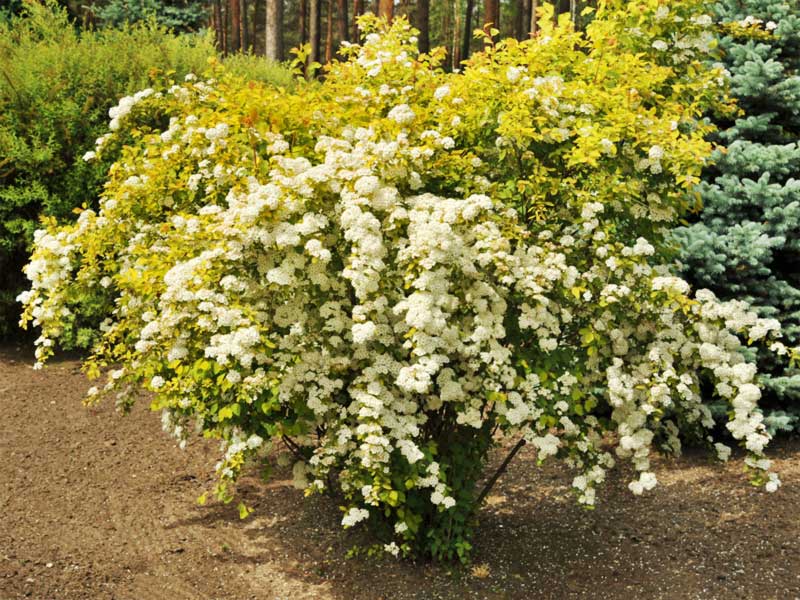
- Gold Fountain
Video: Growing Spiraea Vanhouttei
In this video, experts discuss the specifics of planting and caring for ornamental shrubs.
The intricacies of growing ornamental shrubs
Choosing the right planting location is the key to successful meadowsweet cultivation. The duration and intensity of flowering depend on the amount of sunlight it receives, so Vanhoutte's spirea seedlings should be planted in a sunny location.
Preparation of planting material and site
High-quality planting material can be purchased from garden nurseries. The plant should be inspected for mechanical damage to the shoots, signs of insect infestation, and signs of disease. The cut shoot should be light green, and the root shoot should be milky white.
Before planting, remove dry and damaged roots. The seedling's root is first dipped in a container of water, then in a clay slurry with a rooting biostimulant added. Products such as "Kornevin," "Heteroauxin," or "Epin" can be used.
The planting area is cleared of weeds and other vegetation beforehand. Soil disinfection is performed with a weak solution of potassium permanganate. If the soil is depleted, it is recommended to improve its fertility. For example, a soil mixture of leaf mold, turf, peat, and humus can be used. All components are taken in equal quantities, to which are added wood ash (no more than 1 kg) and superphosphates (20-30 g).
Planting recommendations
Spiraea vanhouttei can be planted outdoors in spring and fall. Experienced gardeners say fall planting is best, as the seedlings have time to harden over the winter.
Planting holes for seedlings are prepared in advance. The bottom is lined with drainage material, then a nutritious soil mixture is added. When planting, care is taken to ensure that root shoots are not damaged or broken.

How to propagate
Seed propagation of Spiraea vanhouttei is extremely rare. Most often, the plant is propagated by division or cuttings.
After flowering, cuttings are taken. The average cutting is 15 cm long and should have several leaves and healthy buds. The cuttings are buried in nutrient-rich substrate, covered with a glass dome, and placed in a greenhouse. The plants are periodically ventilated and watered. The cuttings are planted in the ground the following spring.
The process for propagating by division is quite simple. After the bush has finished flowering, it should be carefully dug up. The root system is cleared of clods of soil and divided into several equal parts. The roots are inspected for signs of rot or other damage. Damaged or rotten roots should be trimmed back to living tissue.
Watering and fertilizing
Spiraea vanhouttei is highly drought-resistant. The plant requires frequent and abundant watering only during hot and dry periods. Keep the top layer of soil dry. Excessive soil moisture will cause the plant to lose its decorative appeal.
Unlike other flowering plants, meadowsweet doesn't require frequent fertilizing. This deciduous shrub is fertilized once per season. Add mineral complex fertilizers or superphosphate to pre-moistened soil.
Pruning after flowering
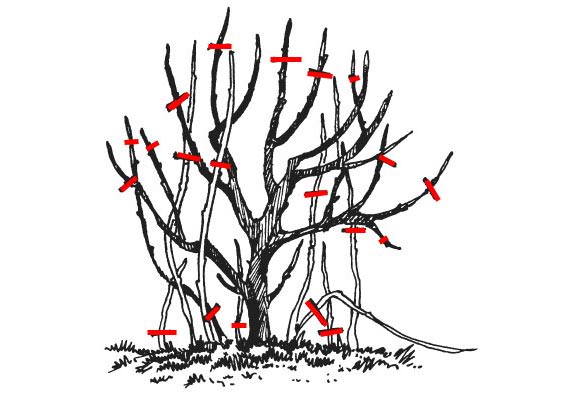
The next stage of care is pruning the shrub. Crown shaping is done after flowering. The plant can be shaped into a ball, rectangle, triangle, or other shapes.
Sanitary pruning is performed in the fall. At this stage, dry branches and shoots damaged by weather or insects are removed.
Do I need to cover it for the winter?
Spiraea vanhouttei is a winter-hardy ornamental shrub. It has been known to withstand temperatures as low as -40°C. This suggests that Spiraea vanhouttei is suitable for cultivation in the northern and central regions of Russia.
It's best to cover seedlings planted in the fall for the winter. Young plants that haven't yet adapted to their new environment may not be able to withstand severe frosts.
Major diseases and pests
Spiraea Vanhouttei is characterized by its high resistance to various diseases. The plant can be affected by leaf spot and rot if watering is not properly maintained or if there are excess nutrients in the soil. Signs of improper care include leaf spots, darkening of the bark, and wilting of young shoots. Fungicides such as Fundazol, Fital, Flint Star, and Horus are used for treatment.
The ornamental shrub attracts spider mites and aphids, for the removal of which the preparations "Aktara", "Aktellik", "Calypso" and "Vermitek" are used.
Spiraea vanhouttei in landscape design
Landscape designers and gardeners actively use the spectacular shrub Spiraea vanhouttei for landscaping. The plant is used not only in home gardening but also in urban landscapes. The most common use is as a hedge.
Low-growing meadowsweet is used in rockeries, alpine gardens, and mixed borders. Medium-sized shrubs serve as zoning elements. Spiraea vanhoutteii can be planted alone or in combination with other plants. Ideal "neighbors" include barberry, forsythia, rhododendron, dogwood, smoke tree, thuja, spruce, juniper, cypress, and pine. This attractive shrub looks stunning against the backdrop of natural and artificial ponds, fountains, and flower beds.
-
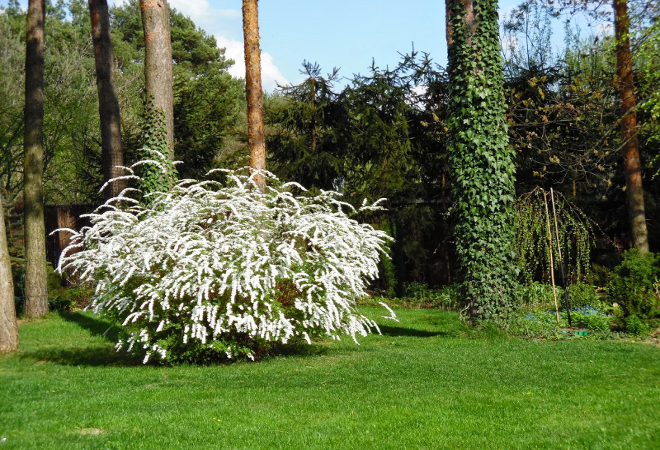
- Solitaire cultivation
-
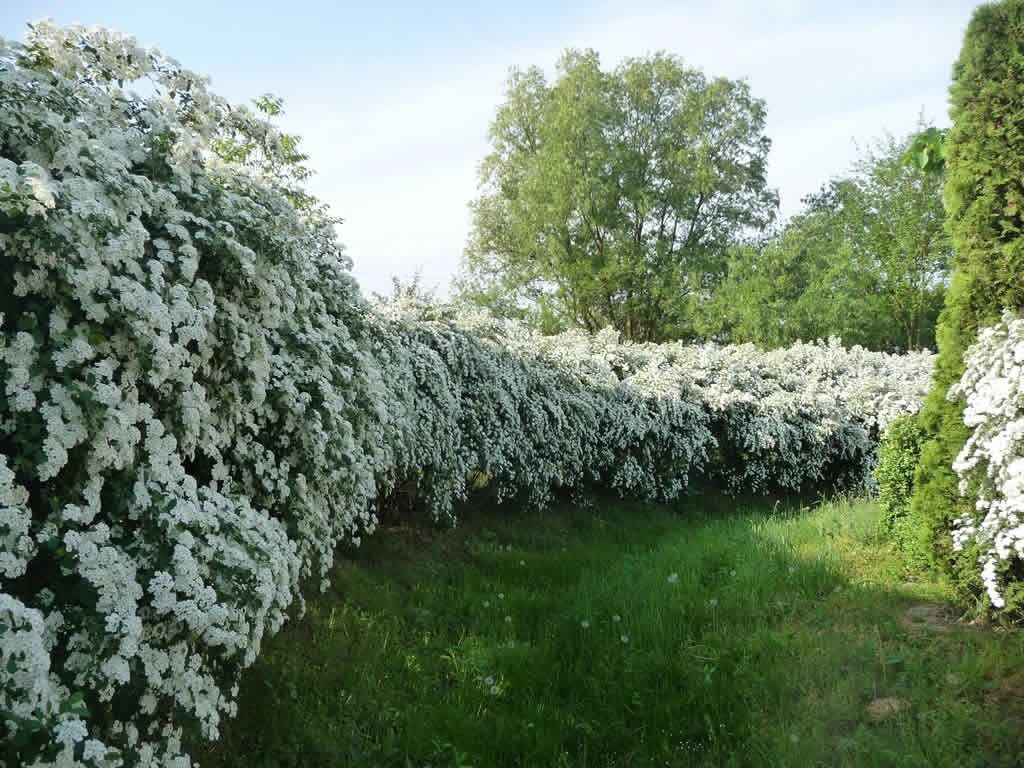
- Hedge
-
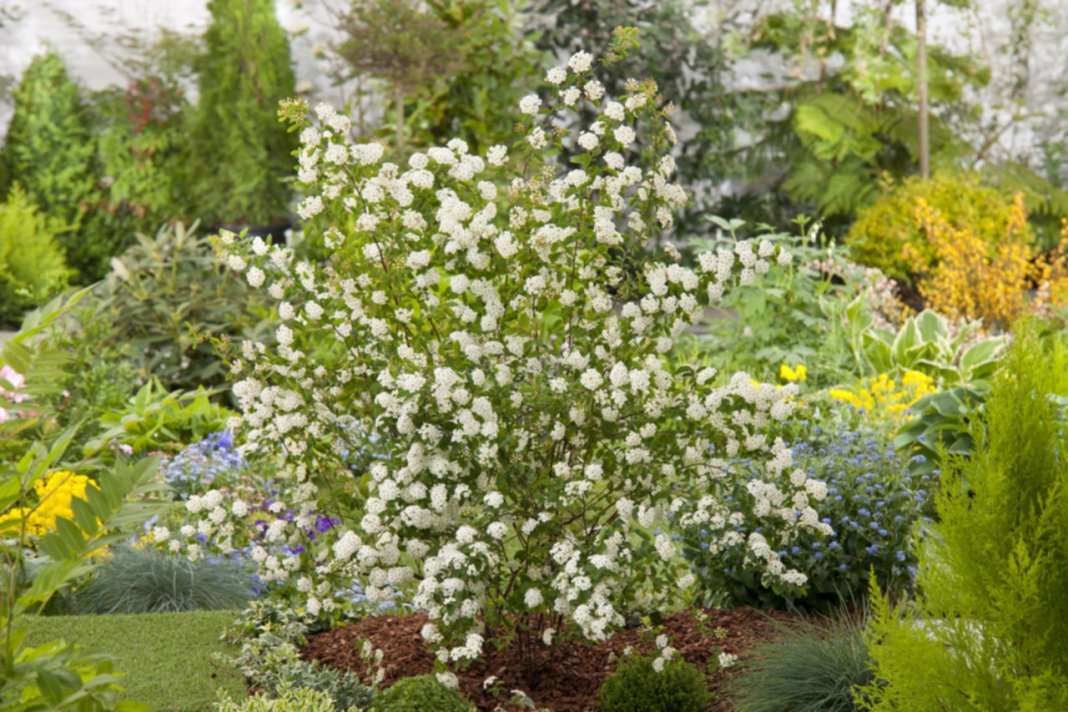
- Composite planting
The ornamental shrub Spiraea vanhouttei is an ideal choice for landscaping a city park or home garden. This easy-to-grow plant delights with abundant and long-lasting blooms.