
Common weeds in the garden and vegetable patch
Content
- 1 Classification of weeds in the garden
- 2 The harm and benefits of weeds
- 3 Common weeds in the garden and vegetable garden
- 3.1 Ambrosia artemifolia
- 3.2 Field thistle
- 3.3 Ground ivy, or catnip
- 3.4 Veronica filamentosa
- 3.5 Field bindweed, or birch
- 3.6 Galinsoga tetraradiata
- 3.7 Bird's knotweed, or knotweed
- 3.8 Barnyard grass, or barnyard grass
- 3.9 Common wood sorrel, or hare's cabbage
- 3.10 Clover
- 3.11 Goat's-beard
- 3.12 Commelina vulgaris
- 3.13 Nettle
- 3.14 Creeping buttercup
- 3.15 Poppy seed
- 3.16 White goosefoot, or quinoa
- 3.17 Canadian fleabane
- 3.18 Chickweed, or chickweed
- 3.19 Euphorbia squatis
- 3.20 Moss
- 3.21 Bluegrass
- 3.22 Dandelion
- 3.23 Field sow thistle
- 3.24 Shepherd's purse
- 3.25 Cleavers
- 3.26 Plantain
- 3.27 Common wormwood
- 3.28 Purslane
- 3.29 Couch grass
- 3.30 Rosichka
- 3.31 Fragrant violet
- 3.32 Thistle, or prickly burdock
- 3.33 Amaranthus retroflexus
- 3.34 Field pennycress
- 3.35 Deadnettle
- 4 Weed prevention
Classification of weeds in the garden
Uninvited guests appear in garden plots for various reasons. Seeds can be carried by the wind or introduced with organic fertilizers. Poor quality seedlings can also be a cause. Sometimes, weed seeds remain in the ground for several years before sprouting.
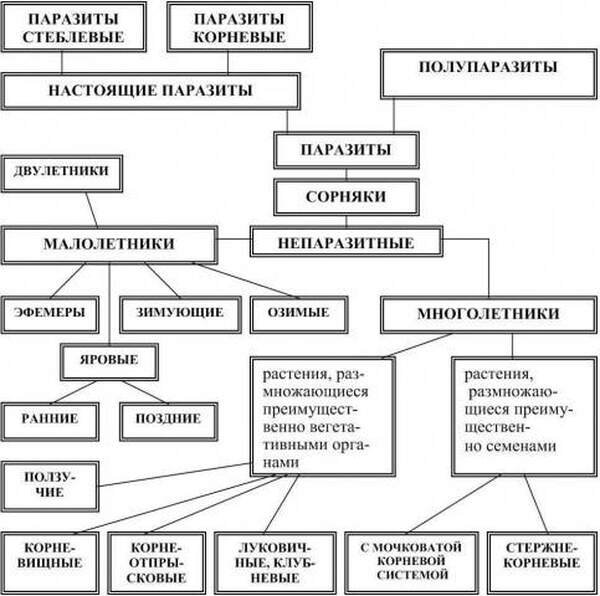
In botany, weeds are classified in several ways, one of which is based on lifespan. Weeds are classified as perennial and biennial. The latter are divided into four categories:
- spring crops are the most common annual species, found almost everywhere;
- winter crops - they can most often be seen in fields with winter crops;
- ephemeral plants – have a lifespan of only a few months;
- biennials - they are characterized by a growing season that lasts two seasons.
Another classification of weeds is by propagation method. Garden pests can reproduce by seed or vegetatively. Perennial weeds typically remain in their habitat, growing in the same place season after season.
Weeds are also divided into parasitic and non-parasitic. Parasitic weeds require a "prey" to thrive, as they lack a root system and cannot feed themselves. Non-parasitic weeds grow independently.
Video: How to Kill Weeds in Your Garden
In this video, an expert will tell you how to effectively control weeds in your garden.
The harm and benefits of weeds
As soon as we spot wild weeds, we rush to remove them before they cause damage to our garden or flowerbed. If we let the process continue and let the weeds grow, the entire plot is at risk:
- crop yields will decrease significantly;
- the toxicity of soils will increase;
- the risk of developing fungal, viral or bacterial diseases will increase;
- there will be a shortage of nutrition and moisture for green crops;
- plants will suffer from lack of sunlight;
- Possible poisoning of pets.
But not all weeds are equally harmful. Some have medicinal properties, serve as fodder, and are sometimes even edible. Some weeds also have a beneficial effect on the soil structure, loosening it with their powerful rhizomes.
Common weeds in the garden and vegetable garden
Counting the number of weed varieties is very difficult. More than 1,400 species grow in the Russian Federation alone. We'll discuss the most common pests of the central part of Russia and the Moscow region below.
Ambrosia artemifolia
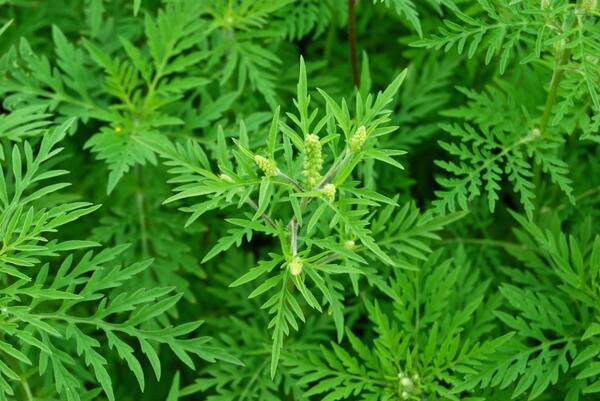
It grows up to 2.5 meters and most often settles along roadsides or near bodies of water. It is very dangerous for people prone to allergies and also negatively impacts the quality of dairy products if it is found in livestock grass.
Field thistle
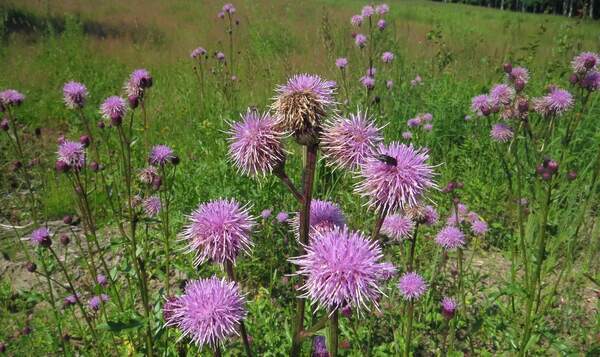
It has a powerful rhizome, 4 meters long. The plant reaches a height of about one and a half meters. It grows on the outskirts of forests and in areas with fertile soil. It is dangerous because it displaces any crop as it grows.
Ground ivy, or catnip
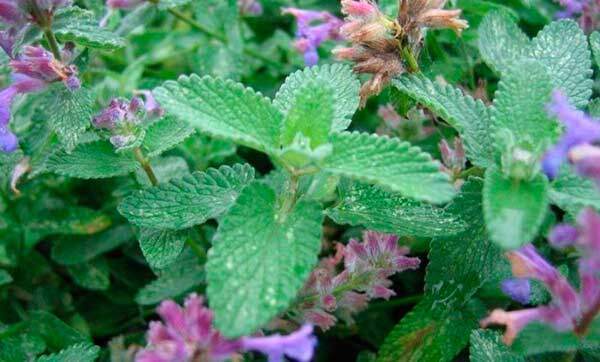
A creeping, perennial weed with sturdy shoots. It grows in dug-up areas where nothing has yet been planted, or in forests. Ground rhizome is toxic and can cause poisoning to pets.
In folk medicine, catnip is used as an antiseptic, as well as for colds and metabolic disorders.
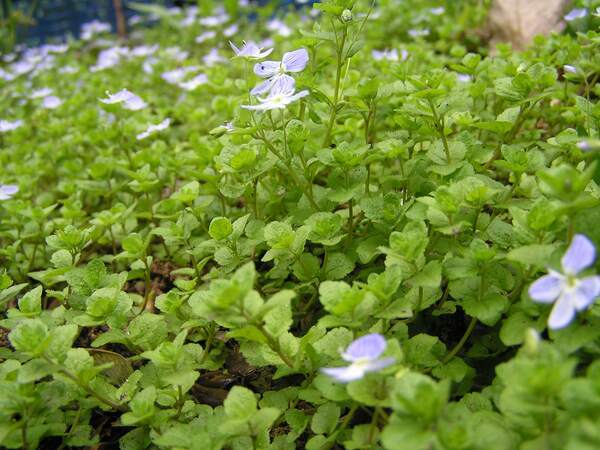
Veronica filamentosa
A very attractive perennial weed with small, snow-blue flowers. It thrives in fertile, moist soils. It grows vigorously and can cover a large area in a short period of time.
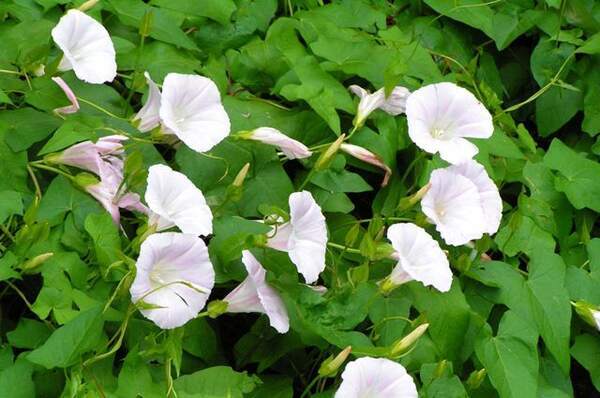
Field bindweed, or birch
A climbing weed with flexible, thin stems up to 2 meters long and a rhizome extending several meters deep. It most often attacks berry bushes (such as raspberries or currants). Its danger lies in its potential to choke the crop.
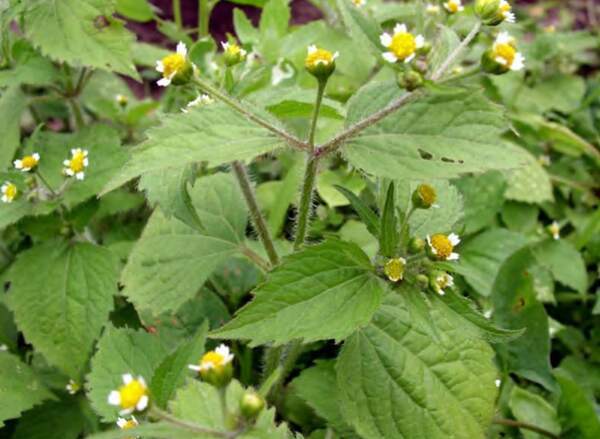
Galinsoga tetraradiata
A tenacious annual weed. It grows up to 80 cm and spreads very quickly. It thrives in well-drained soils and prefers high humidity. It most often grows adjacent to perennial crops or under trees.
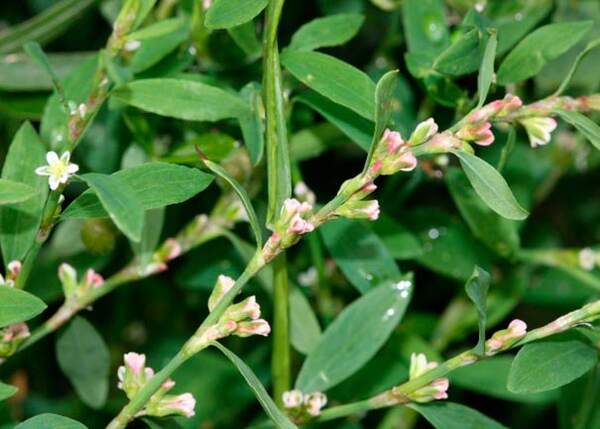
Bird's knotweed, or knotweed
This annual weed grows to form dense thickets up to one meter tall. It has medicinal properties (lowers blood pressure, combats constipation, and stops bleeding) and is a good honey plant. It is also often included in the diet of livestock.
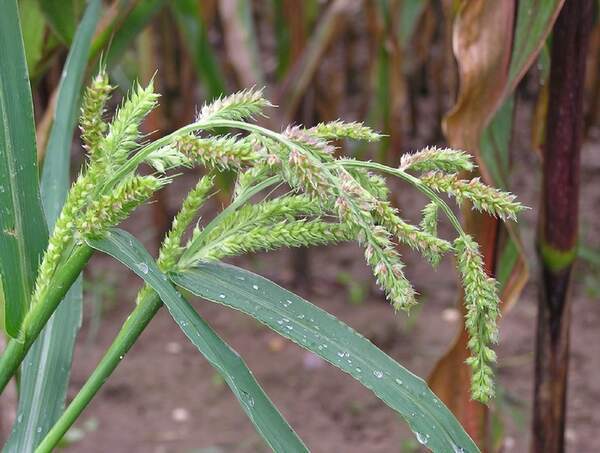
Barnyard grass, or barnyard grass
This weed grows as small bushes just over a meter tall. It is especially active after prolonged rainfall. It is harmful to sunflower crops and some root crops (such as beets and carrots).
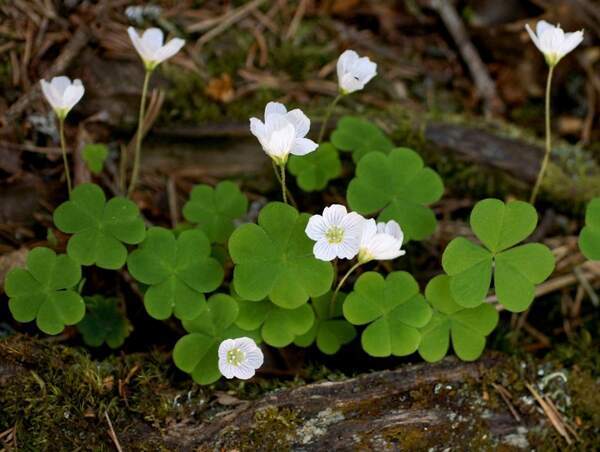
Common wood sorrel, or hare's cabbage
A very resilient weed, it grows in clumps, forming small patches. It can quickly choke out other crops. It blooms with small, snow-pink flowers.
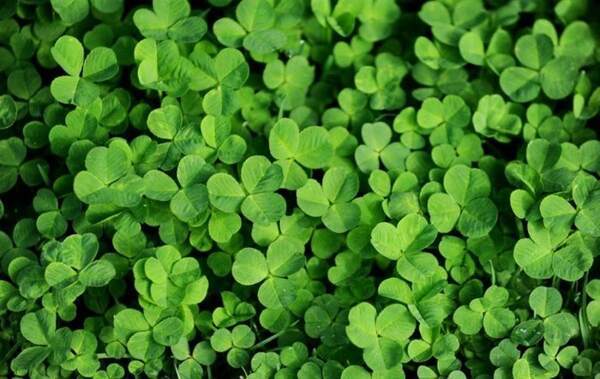
Clover
A perennial weed that prefers soils low in nitrogen. It grows up to one and a half meters and easily adapts to any climate. It has antiseptic, antipyretic, and diuretic properties.
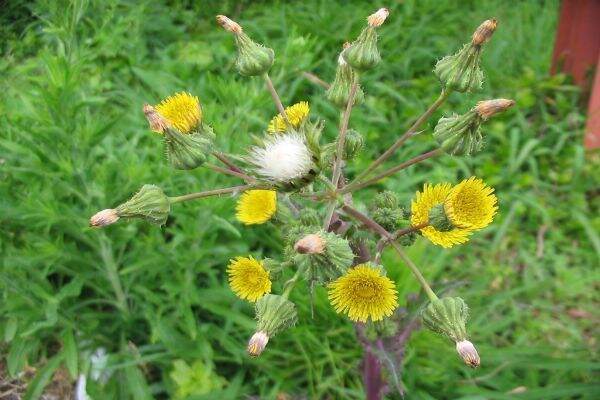
Goat's-beard
A biennial weed found along roadsides, forest edges, and meadows. A mature plant reaches no more than a meter in height. It blooms with small, bright yellow inflorescences. Goat's-beard root is used in folk medicine to treat diabetes.
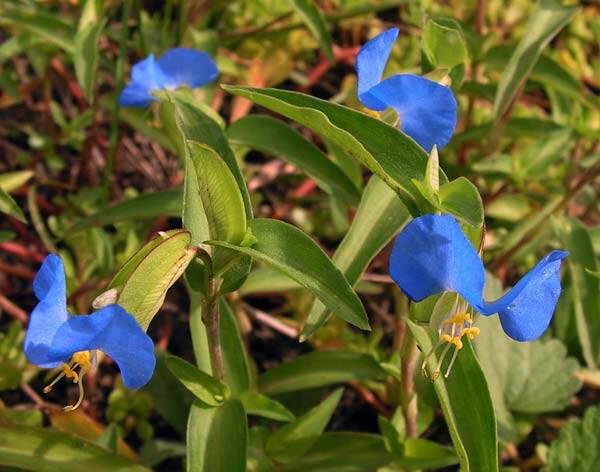
Commelina vulgaris
This annual weed is native to eastern countries (China, Japan). Commelina is a medicinal plant – it fights Staphylococcus aureus and promotes the elimination of excess fluid from the body.
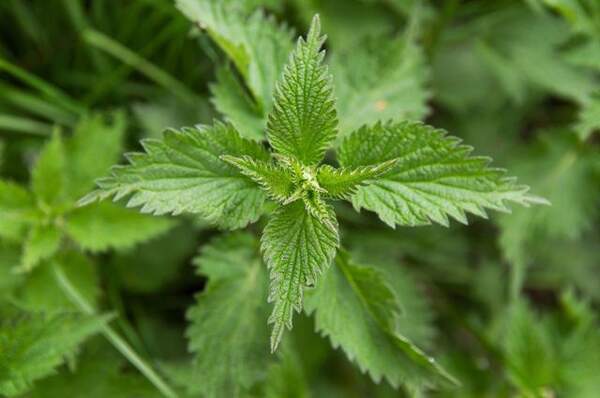
Nettle
One of the few weed species used in cooking, it grows up to two meters and is highly resistant to chemicals. It prefers moist soils with high nitrogen content.
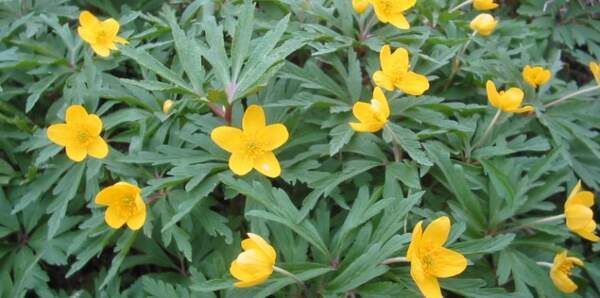
Creeping buttercup
A creeping perennial growing up to one meter tall, it blooms with tiny, bright yellow flowers. It thrives in waterlogged soils and in the shade of other crops. It grows quickly and is highly resilient to adverse conditions.
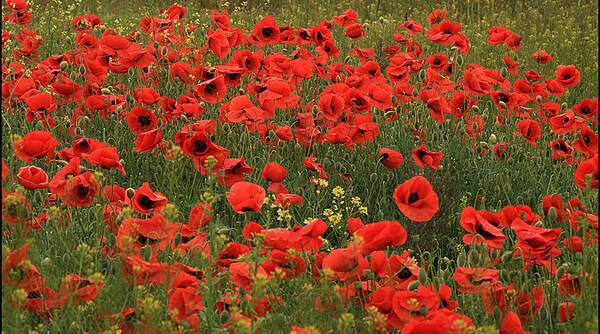
Poppy seed
An annual plant growing approximately 80 cm tall, it blooms with bright scarlet inflorescences, which later give rise to seed pods. It is most often found in plowed fields or along roadsides. It is dangerous because it suppresses crops and creates excessive shade.
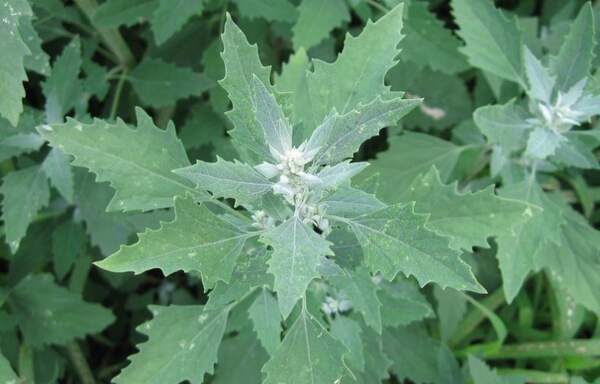
White goosefoot, or quinoa
A weed that emerges in early spring and continues to grow until the first frost. It grows up to one and a half meters tall, with a shallow root system. White goosefoot can be used in cooking or for medicinal purposes.
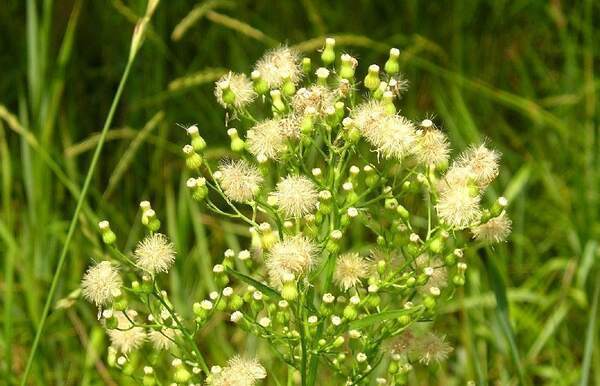
Canadian fleabane
Another name for this weed is steppe grass. It tolerates harsh winters and grows up to two meters in height. It most often appears near cotton, vegetable crops, and grains.
Canadian fleabane is rich in essential oils that help stop bleeding.
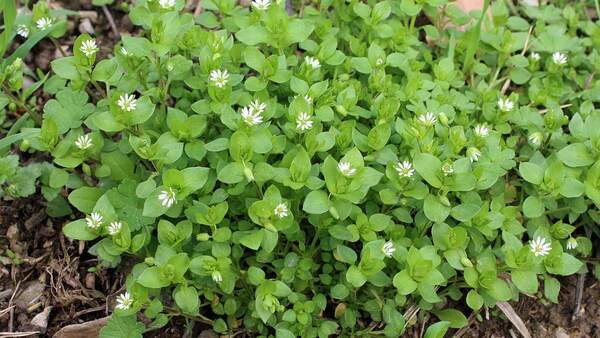
Chickweed, or chickweed
Another frost-resistant weed that tolerates subzero temperatures, it's one of the first to appear in gardens, putting carrot crops at risk. Chickweed is a good honey plant and a healthy supplement to livestock diets. It can also be added to salads.
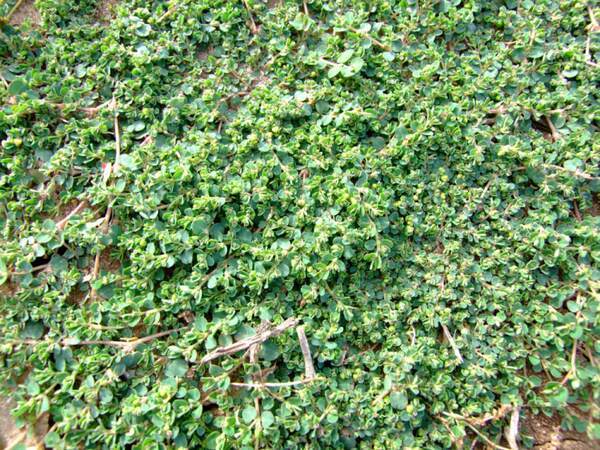
Euphorbia squatis
A difficult-to-eradicate weed with powerful stems and a developed, deep-growing rhizome. It thrives in grain fields. Euphorbia contains a toxic milky sap, which, in moderate doses, is used for gastrointestinal problems.
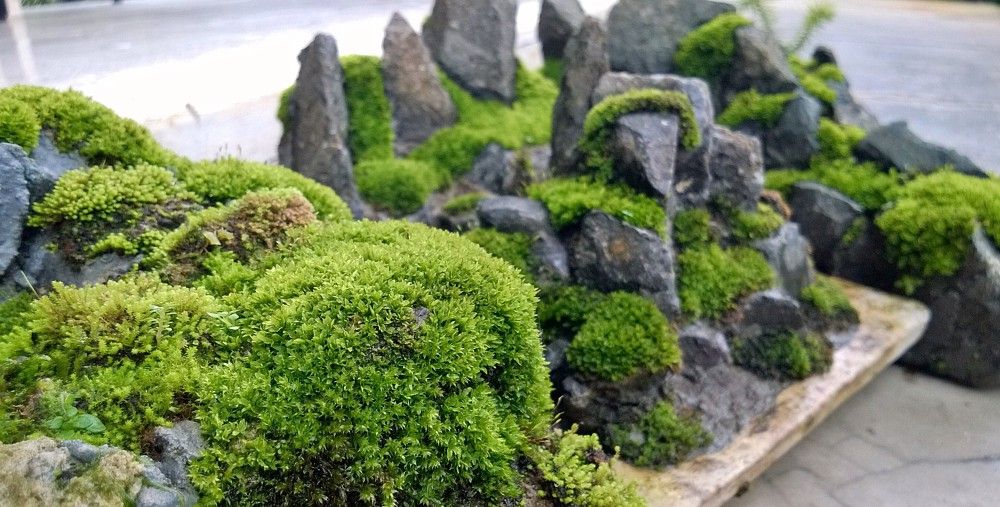
Moss
A fast-growing plant, reaching up to half a meter in height. It thrives in waterlogged areas, lowlands, and shaded locations. It is often the cause of waterlogging in fields. It is dangerous because it quickly displaces neighboring plantings.
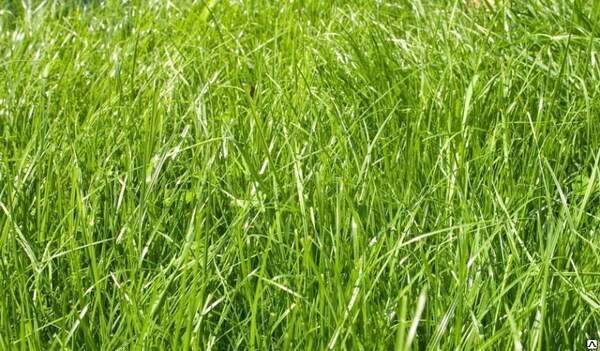
Bluegrass
An annual weed, most often found in low-lying, poorly drained soils. It's quite difficult to spot this weed when it's first growing—it only becomes visible when it's flowering. However, once you remove bluegrass from your plot, it won't return.
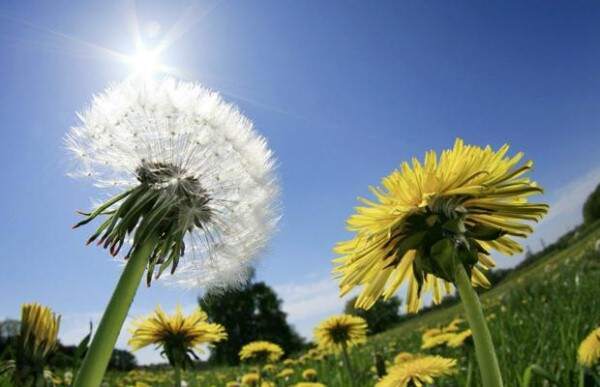
Dandelion
A plant with a highly developed rhizome, it's very difficult to eradicate with chemicals alone. It grows in empty spaces where nothing has been planted yet. Dandelion leaves are added to salads and are also used medicinally.
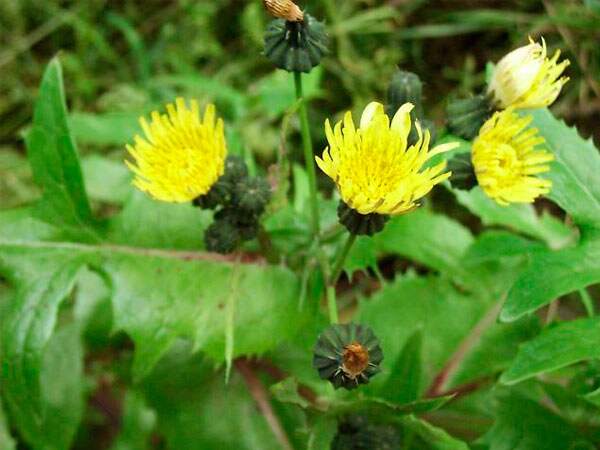
Field sow thistle
A perennial thorny weed with a strong rhizome and bright yellow flowers. It grows up to two meters. It prefers moist, nutritious soil. Sometimes it grows abundantly in marshy areas. Despite its weedy nature, it is a good honey plant.
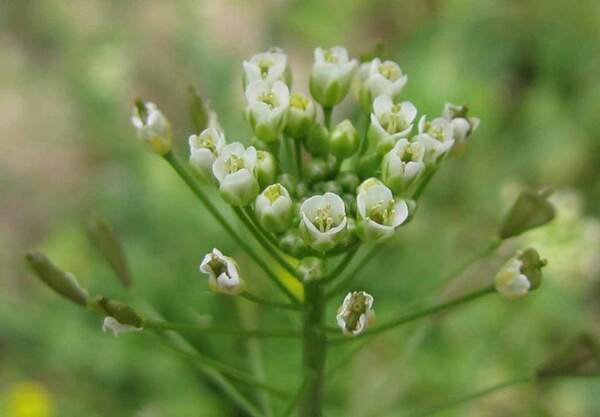
Shepherd's purse
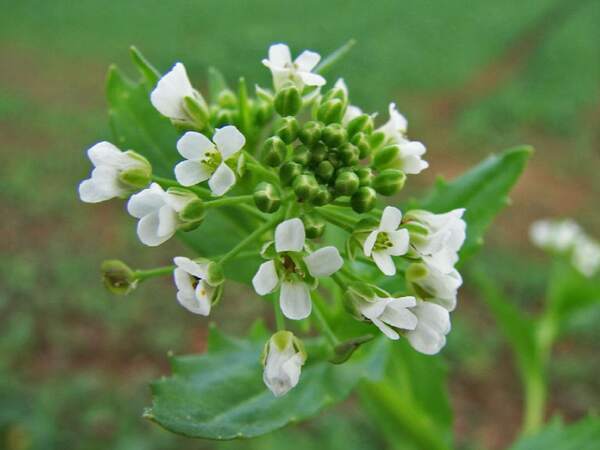
This perennial has a fairly long growing season, from mid-spring until the first frost. As it grows, it forms clumps up to 40 cm tall, blooming with small, snow-white, umbel-shaped flowers.
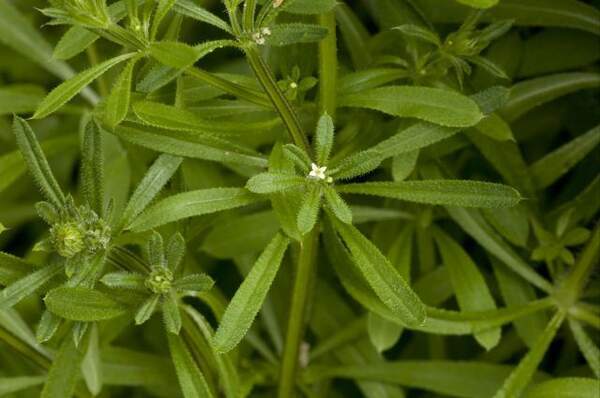
Cleavers
Weeds have shallow roots, making them easy to remove from a site. They grow up to 1 m tall and have tenacious leaves and stems. Bedstraw grows in nutrient-rich, limestone soils.
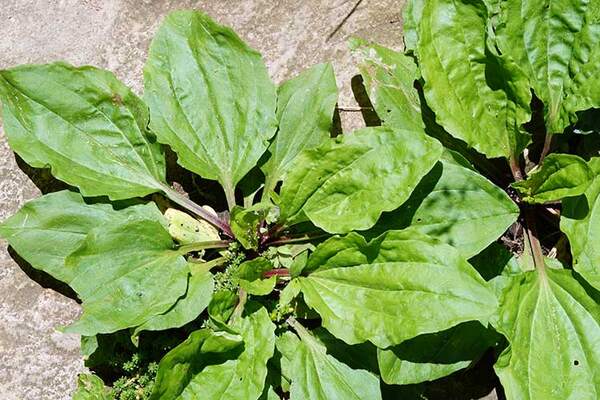
Plantain
A weed known to many for its medicinal properties (hemostatic, antiseptic). It grows in dense soils or waterlogged areas. If left unchecked, it spreads very quickly, taking over an increasingly large area. Plantain is fairly easy to eradicate.
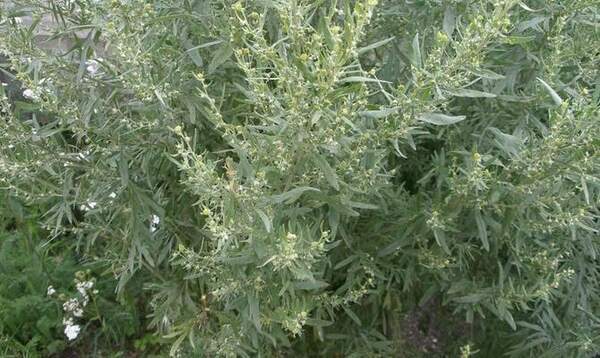
Common wormwood
A hard-to-control weed that grows in empty fields, roadsides, and near bodies of water. It grows up to 2-2.5 meters, has a distinctive spicy aroma and bitter taste, and is an essential oil-bearing plant. In folk medicine, it is used to reduce swelling, heal wounds, and relieve spasms.
Purslane
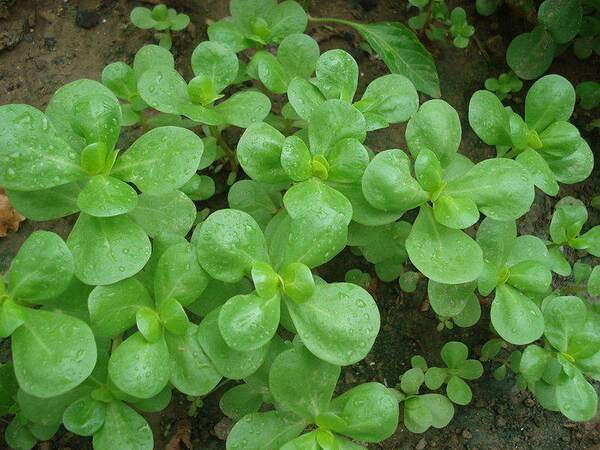
An annual groundcover plant growing up to 60 cm tall, its characteristic features include its appearance resembling a decorative "carpet" and small, fleshy, oval-shaped leaves. Purslane grows very quickly, so it should be removed as soon as it is noticed.
Couch grass
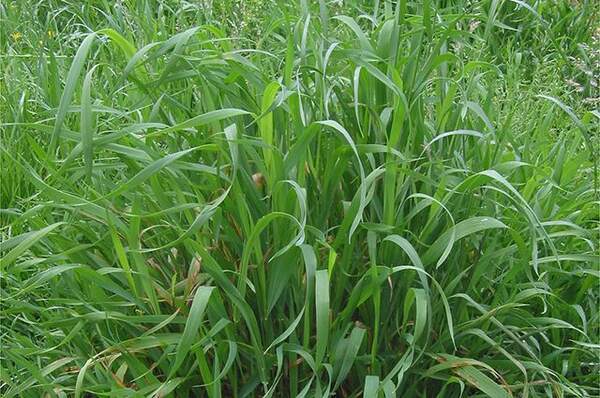
As it grows, it forms lush, herbaceous bushes with rhizomes extending 20-25 cm deep. When weeding, be sure to thoroughly remove all roots, otherwise new shoots will appear within a couple of days. Wheatgrass is used medicinally for cystitis.
Rosichka
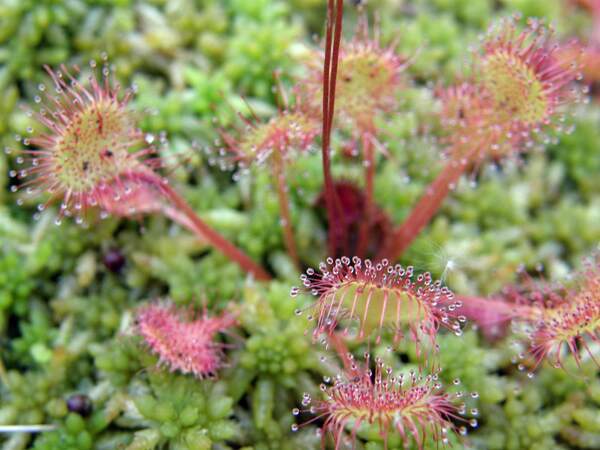
An annual weed up to 1.5 m tall. It is characterized by highly branched shoots and broad leaf blades. It grows adjacent to corn, vegetable, and garden crops, actively suppressing green spaces.
Fragrant violet
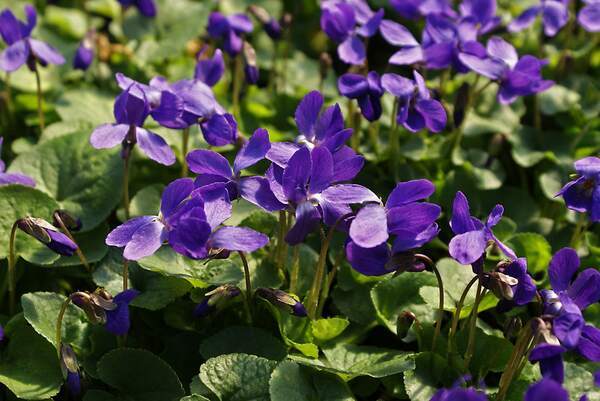
An ornamental weed with bright purple flowers. It blooms in early spring, spreading rapidly across the site. It prefers well-moistened soil and does not tolerate dry periods. In folk medicine, violets are used for insomnia, gout, and kidney stones.
Thistle, or prickly burdock
One of the few weeds capable of growing vigorously in the scorching sun. It has a strong, developed rhizome. It is dangerous because it quickly displaces other crops. It is used medicinally for allergies and dermatological problems.
-
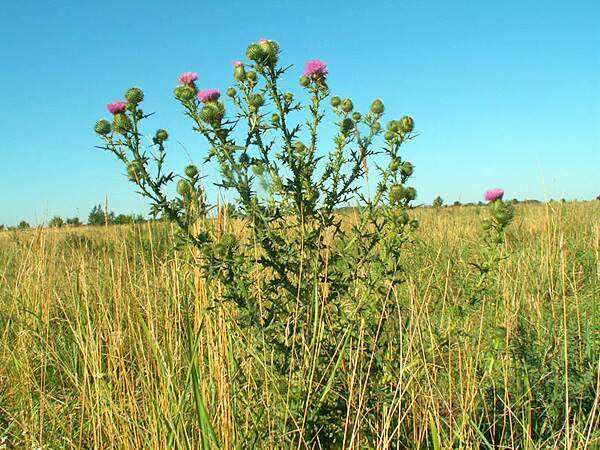
- It has a powerful, developed rhizome.
-
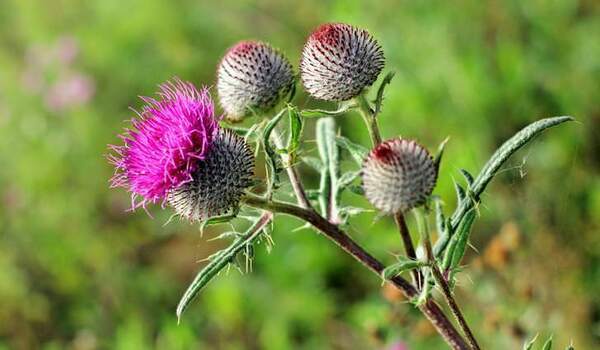
- Thistle is quickly replacing other crops.
-
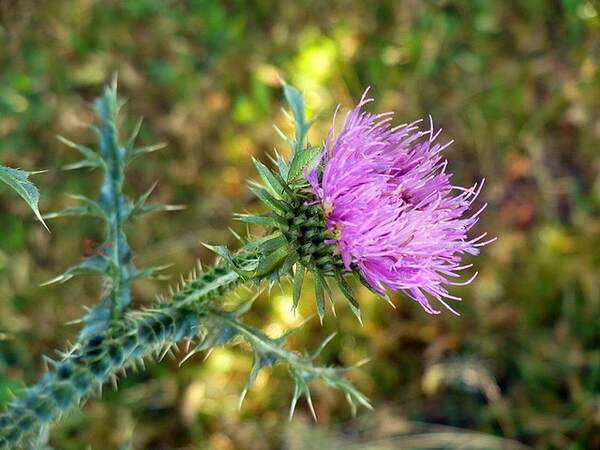
- Thistle, or prickly burdock
Amaranthus retroflexus
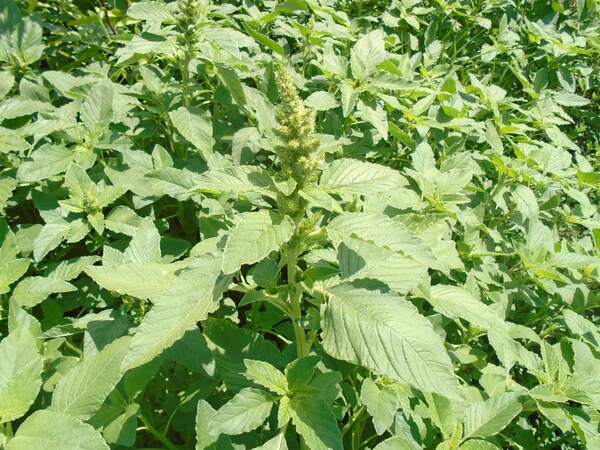
An annual weed growing up to 1.3 m tall. The leaves are added to salads, and the seeds are fed to chickens or ducks. Amaranth is also known for its medicinal properties: it reduces inflammation, stops bleeding, and disinfects.
Field pennycress
Most often found in fields sown with cereal crops, the weed grows to 0.3-0.4 m tall and blooms with small, snow-white inflorescences. In folk medicine, it is used to prevent cancer and genitourinary disorders.
Deadnettle
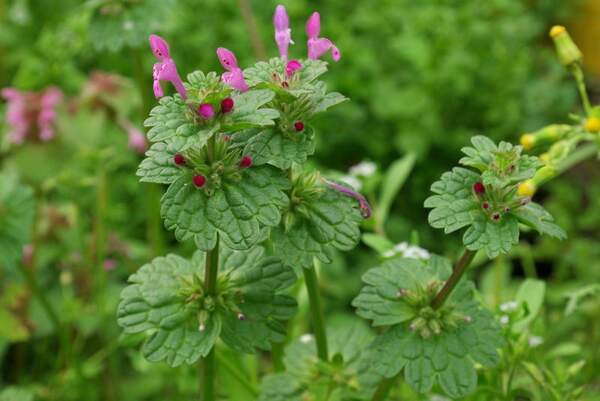
An annual herbaceous plant growing approximately 40 cm tall, it thrives in shaded areas, actively filling any available space and suffocating neighboring plantings. Deadnettle is known for its medicinal properties for liver, kidney, and respiratory ailments.
Weed prevention
Whatever the type of weed, it can be controlled with deep weeding and herbicides. However, prevention is better than cure. To reduce weed infestation in your yard, follow these simple preventative measures:
- make a compost pit where you put all the pulled out weeds;
- When digging up your garden before winter, try not to break up the clods of soil;
- Before planting, dig up the area again, removing dried rhizomes;
- If you have a seeded lawn, do not mow it too short;
- don't forget about timely feeding;
- If you see any foreign shoots, immediately pull them out by the roots.
Weeds, a problem known for centuries, still plagues modern gardeners. Knowing the appearance of different weeds will help you protect your property from unwanted pests.