
Gardener's Guide: How to Grow a Ball-Shaped Chrysanthemum in Your Garden
Content
- 1 Characteristics and description of the flower
- 2 Video: Growing Chrysanthemums
- 3 Popular species and varieties in gardening
- 4 Tips for planting spherical chrysanthemums
- 5 Features of growing spherical chrysanthemums
- 6 Pest and disease control
- 7 Spherical chrysanthemums in landscape design
- 8 Reviews from gardeners
Characteristics and description of the flower
Legends and stories typically feature other flowers with a pleasant fragrance and refined appearance. However, the chrysanthemum is one of the most ancient ornamental flowers. They are not only grown in flowerbeds but also used as a landscape design element. Today, there are approximately 700 different varieties of chrysanthemums.
Spherical or Chinese chrysanthemums come in the following varieties: low-growing (up to 30 cm), medium-growing (around 40 cm), and tall (which can exceed 60 cm). They can also be classified by flowering time: early (active in August), mid-season (blooming in September), and late (blooming in late September and early October).
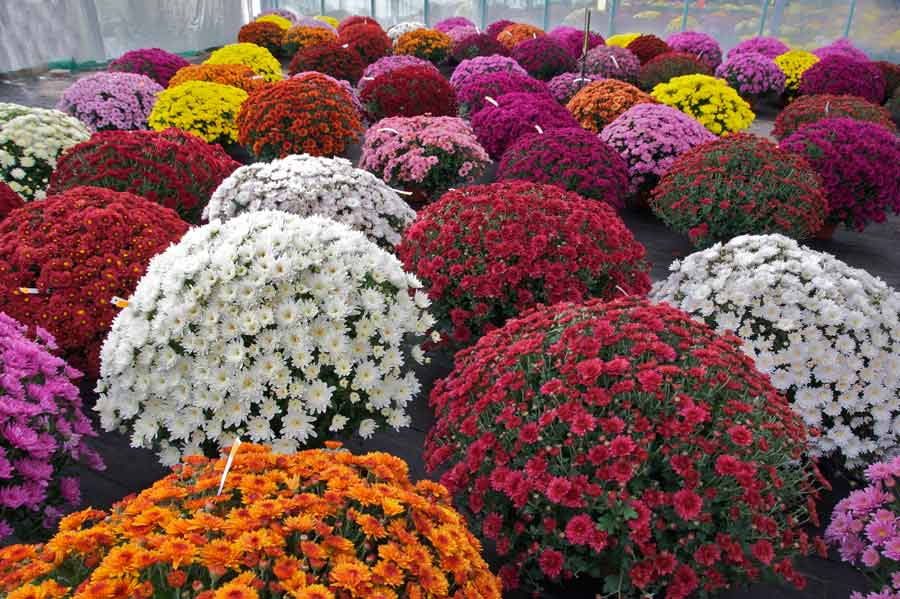
The plant's inflorescences are small-flowered. The shrub takes on its own shape as it grows, without intervention or adjustment. The stems and leaves are a rich green, with a subtle silvery sheen depending on the variety. The flower colors themselves can vary widely, with combinations of darker and lighter shades possible.
In addition to its decorative qualities, the flower has other advantages: it is easy to care for, has a long life, and blooms for a long time and abundantly. But there are also disadvantages, the most serious of which is the lack of resistance to cold.
Video: Growing Chrysanthemums
This video explains the specifics of planting and caring for the flower.
Popular species and varieties in gardening
There are many varieties and hybrids of the spherical chrysanthemum. However, the most popular varieties of the perennial Multiflora, grown in our country, are:
Brenhill Red
Rich hues, including deep red, remain the most popular chrysanthemum colors. This variety's distinctive ball-shaped flowers boast a gorgeous wine hue and a multi-layered petal structure. This early-blooming, compact bush grows up to 40 cm tall.
Branbeach Sunny
Another early-blooming variety. The plant grows to about half a meter in height. The first flowers appear as early as mid-August. The inflorescences are bright yellow, small, and clustered.
Branfontaine Salmon
One of the varieties boasts not only beautiful inflorescences but also unique leaves, intricately arranged in a green pattern. Among enthusiasts, the stems with these leaves are called "oaks." The inflorescences are a soft pink, darkening slightly toward the center of the flower.
Branbeach White
A medium-height bush with upright stems. The inflorescences are white with bright yellow centers. The snow-white buds make a beautiful combination and accent with other colors.
Branfontaine Purple
Charming, fluffy, spherical inflorescences and compact bushes with small flowers are perfect for small, cozy flowerbeds and garden areas. And the gorgeous lilac hue adds a splash of color.
With a wide variety of cultivars, you're sure to find a specimen suitable for your region and growing conditions. This can range from dwarf to taller, with a compact or lush crown.
-
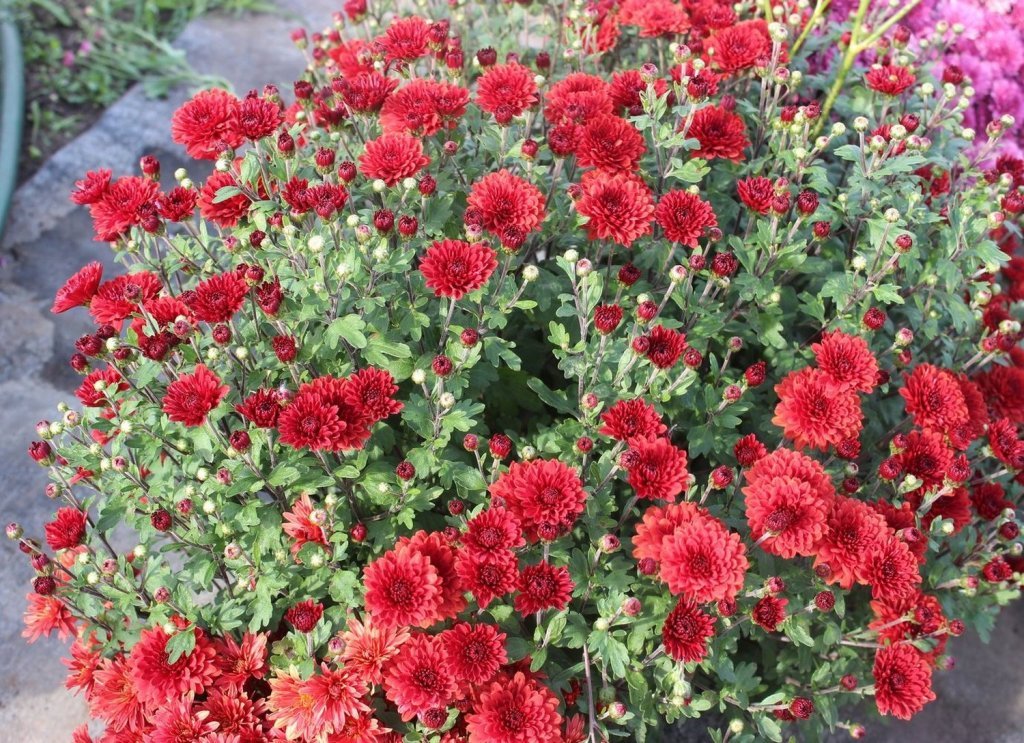
- Brenhill Red
-
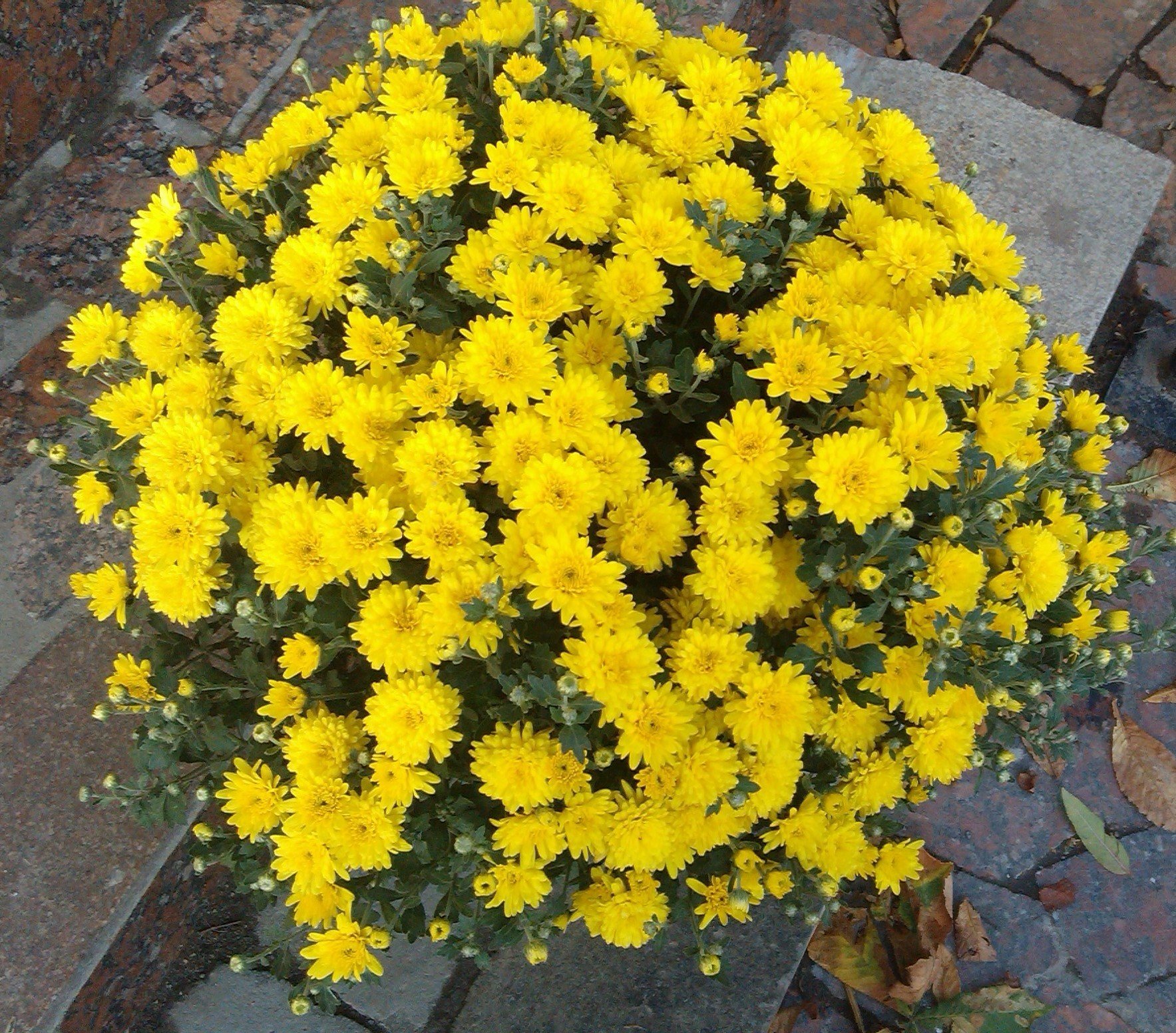
- Branbeach Sunny
-
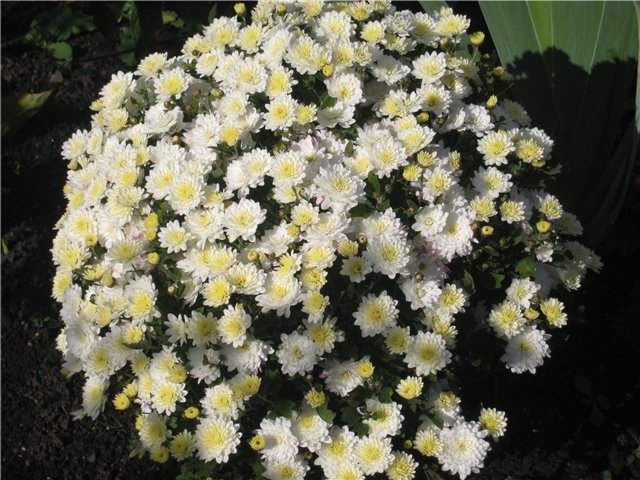
- Branbeach White
Tips for planting spherical chrysanthemums
Although the chrysanthemum is unpretentious in care, in order for the flower to grow and develop, it is necessary to follow all planting recommendations.
Optimal planting times
The optimal time for planting outdoors is mid-April. If the soil warms up later in your region, there's no need to rush planting. Remember that the plant doesn't tolerate cold and can freeze. The appearance of the first grass should be a sign to plant. The best time to plant is early morning or evening, but a sunny day is also fine.
Selecting a location and soil
Light levels play a crucial role in the development and flowering of the plant. Therefore, to prevent late and short flowering, choose a sunny location. Adequate light will also prevent the plant from growing upwards, which can lead to loss of shape.
The soil should be light, loose, and nutritious. It can be improved by adding compost or humus. However, don't overdo it with fertilizer, otherwise all the plant's energy will be spent on green growth.

Planting recommendations
Beginner gardeners and simple hobbyists should pay attention to a few details:
- It's best to purchase planting material in the spring, during the growing season. This will not only ensure the quality of the seedlings but also prevent you from purchasing non-viable specimens.
- Before purchasing, be sure to check the condition of the rhizome. It should be flexible, strong, healthy, and free of dry spots, rot, and mechanical damage.
- A drainage layer is essential in pots. The best soil for planting is a mixture of soil, sand, and peat.
- The planting container should be selected with a capacity of at least 5 liters.
- After planting, be sure to pinch the chrysanthemum and remove the growing point. Pinching won't harm the plant, but don't overdo it.
Methods of reproduction
There are several ways to propagate the spherical chrysanthemum: by seeds (direct sowing and seedlings) and by cuttings. Dividing an adult bush is considered the most effective and popular method.
Propagation by seeds is not only a longer and more difficult process, but also dangerous because the flower may lose its varietal characteristics.
Features of growing spherical chrysanthemums
After planting, the weakened plant must be shaded, otherwise the sun's rays can simply burn the cuttings. All other agricultural procedures are standard and familiar.
Watering the plant
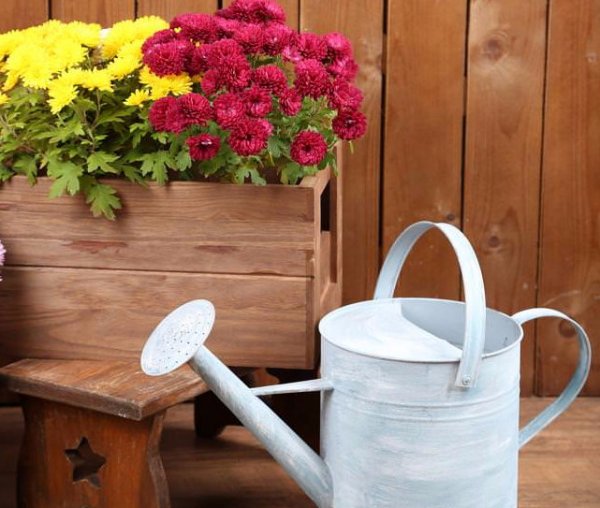
Chrysanthemums thrive on moisture, so be sure to keep the soil moist. Water should be warm, settled, or rainwater. For a softer texture, you can add a few drops of ammonia.
Top dressing and fertilization
The first fertilizer application is done at the beginning of the active growing season. Organic matter, humus, or cow manure are used for this. During bud formation, superphosphate is applied at a rate of 50 g per m².
Post-flowering care
After flowering, it is recommended to remove any remaining dry flower stalks and damaged stems. If you live in a region with warm winters, trim the stems to 10 cm and cover with mulch. They should also be well-moistened.
Preparing for winter
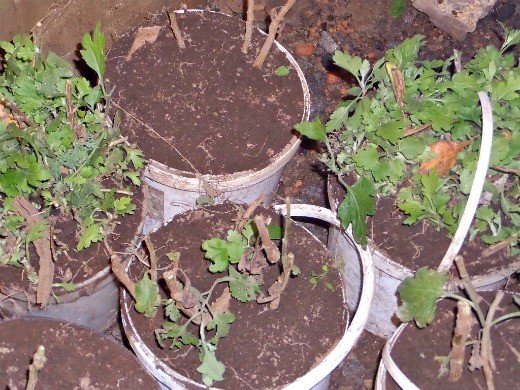
In most Russian regions, winters are cold and harsh. Therefore, to preserve the flowers, the bushes are dug up or brought indoors in their pots. The indoor temperature should be fairly cool, with temperatures not above freezing. The dug-up flowers are placed in containers with soil (soil mixed with sawdust and sand) and mulched with peat. At the end of March, the plant is moved to a warmer, brighter location to allow the bush to "wake up" before planting.
Pest and disease control
Ball chrysanthemums rarely suffer from various diseases. However, due to improper care, the plant may be affected by powdery mildew or burn (very rare). Fungicides containing copper can help combat diseases. For prevention, the plant can be sprayed with Bordeaux mixture in early summer.
Chrysanthemums are plagued by caterpillars, spider mites, and aphids. These can only be controlled with active insecticides. Otherwise, the plant may not only lose its color but also die.
Spherical chrysanthemums in landscape design
The compact, spherical shape of chrysanthemum bushes makes them ideal for borders, paths, curtain walls, and even wide arches. A great option for decorating a recreation area is planting flowers from low-growing to tall varieties, combining colors.
Chrysanthemums are often planted next to low-growing ornamental conifers. Parallel plantings or framing shorter chrysanthemums with tall conifers are also possible.
-
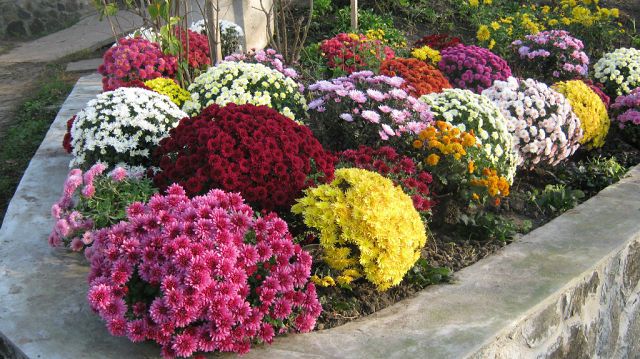
- Flower bed
-
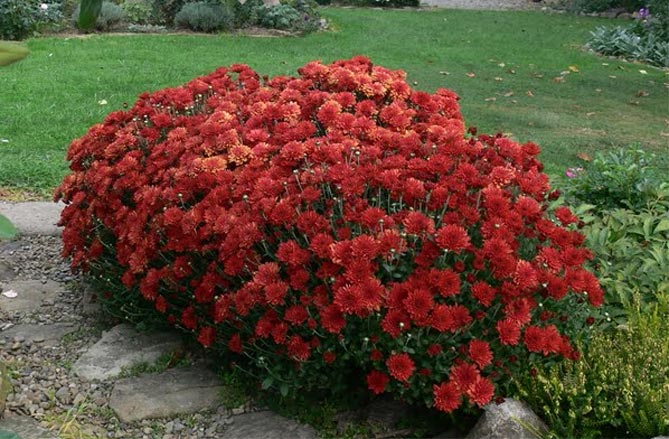
- Solitaire planting
-
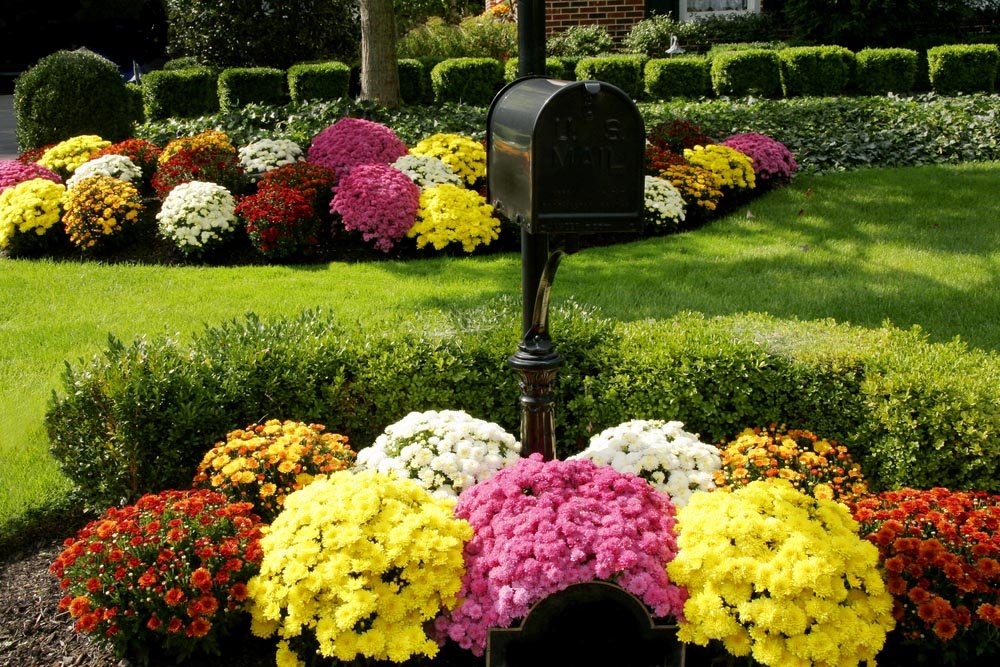
- Composite planting
-
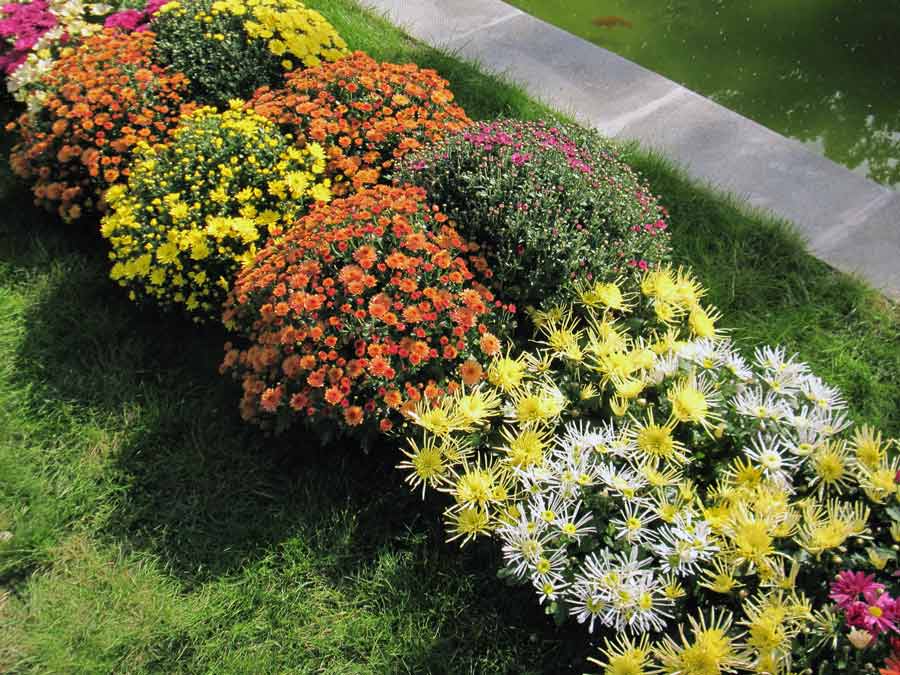
- Flower mixborder
-

- Decorating steps
-
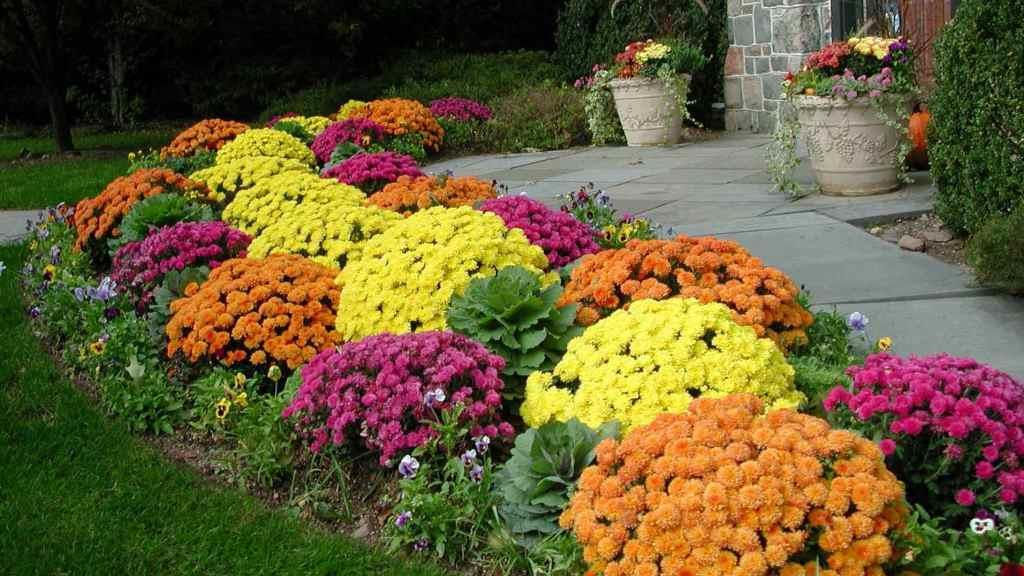
- Garden path design
Reviews from gardeners
"The climate in our region isn't particularly conducive to growing delicate plants. However, potted plants are ideal. I love chrysanthemums, but I don't have the space to grow the regular bushy varieties. But these compact, spherical bushes are just right! They're easy to care for, and the riot of color is stunning."
"You can't surprise anyone with flowers in our city. But the spherical chrysanthemums are simply magnificent. I grow varieties with different bloom times, so my garden is a vibrant display of color from late summer until almost the end of fall. The only thing is that you definitely need to treat the flowers for diseases and pests."
If you haven't yet decided how to decorate your garden, be sure to try growing garden chrysanthemums. With proper care, they'll provide a dazzling display of color and lush blooms, along with a positive mood.