
Secrets to Successfully Growing Rosarium Uetersen Climbing Roses: Photos and Reviews
Content
History and characteristics of the variety
The Rosarium Uetersen climbing rose was first introduced in 1977. The plant failed to create the expected sensation. Many gardeners considered the flower "old-fashioned," as the buds resembled Victorian-era attire. This profusely blooming shrub fell into obscurity for many years.
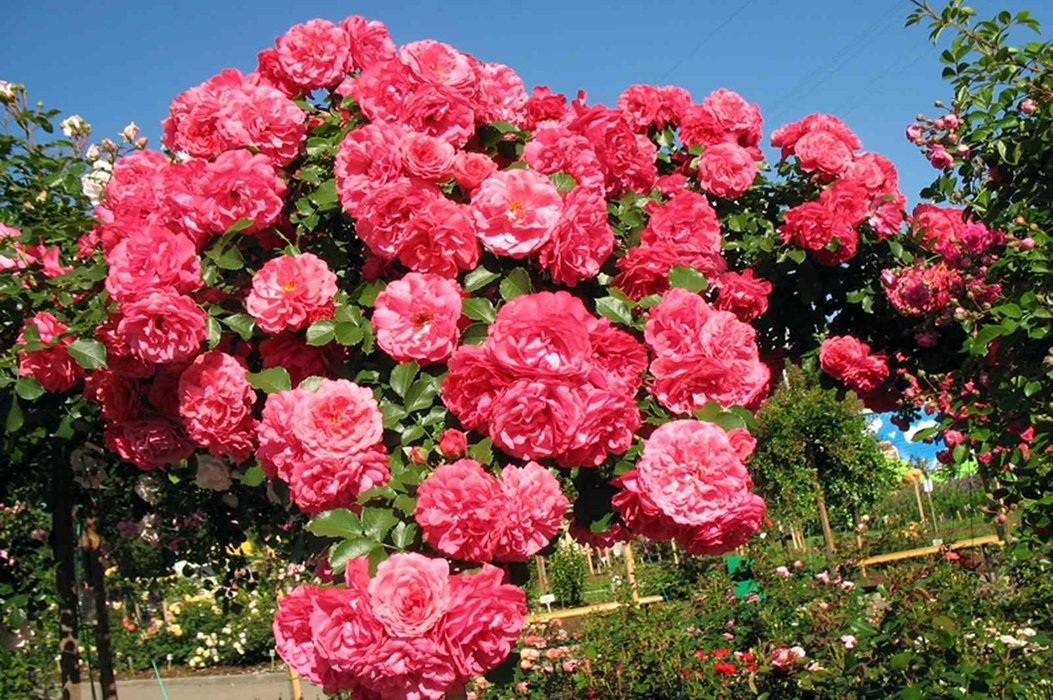
Twenty-three years later, in 2000, the Rosarium Uetersen rose reappeared in floristry and landscape design. It was then that interest in vintage styles, with which this flower harmonizes perfectly, began to resurface.
Appearance of the bush
This ornamental shrub can reach a height of 4 meters, with an average crown diameter of 1.5 meters. The size of the shrub is often determined by the crown shaping method chosen. This variety is characterized by thick and strong shoots. One of its drawbacks is its large number of thorns.
The leaves are oblong-ovate with serrated edges. They are a rich, dark green. The outer surface of the leaf blade has a glossy sheen.
Features of flowering
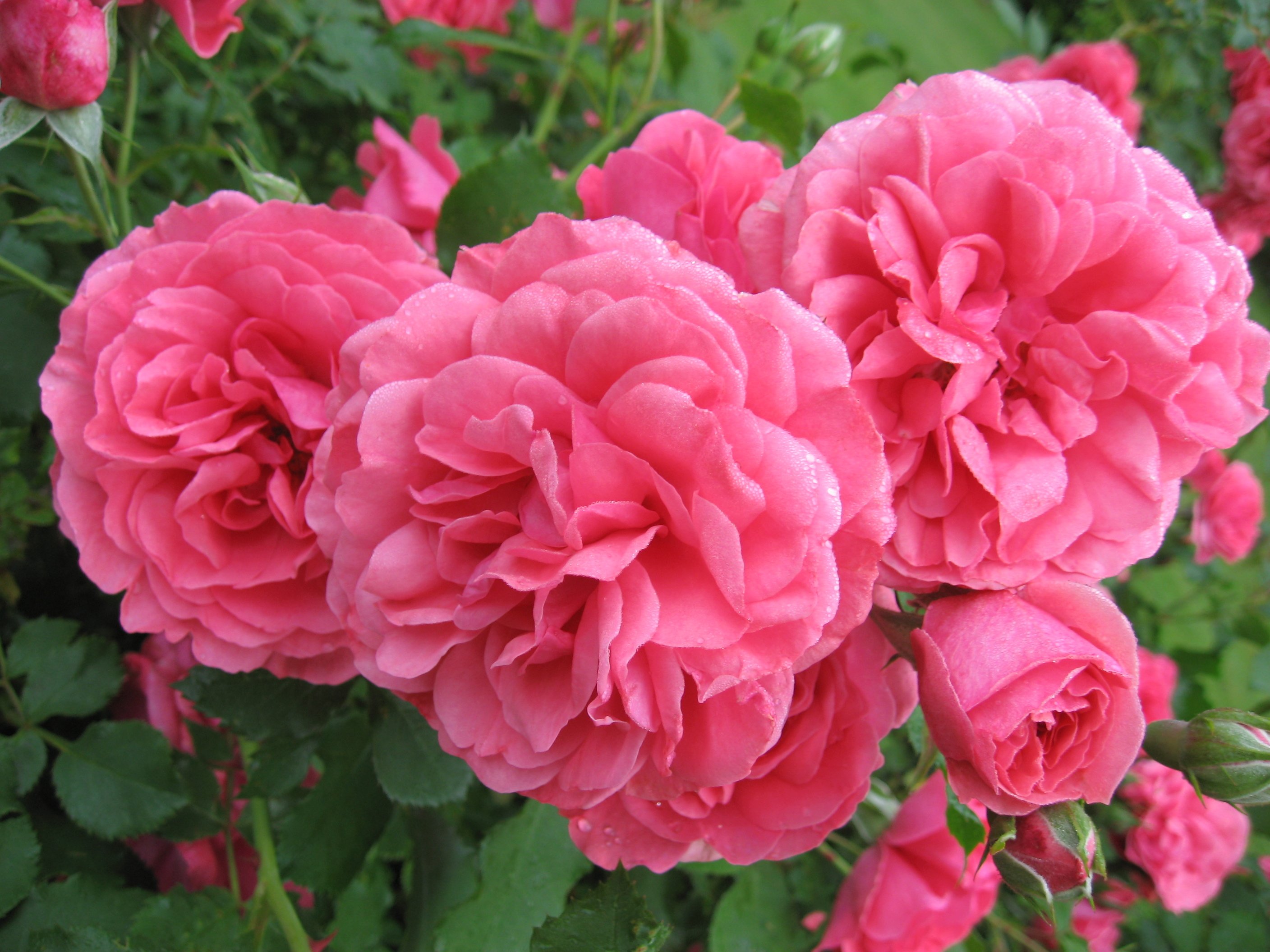
The flowering period extends into late autumn. The buds are large, densely double (up to 80 petals), gathered in large clusters. The diameter of the open bud is 10 to 12 cm. The petal color ranges from silvery pink to deep pink. During flowering, the shrub exudes a light, pleasant fragrance with notes of apple and wild rose.
Winter hardiness
Frost resistance is average. The variety description states that this ornamental plant is tolerant of temperatures down to -23°C.
Video: Description and Cultivation of the Rosarium Uetersen Rose
This video presents the varietal characteristics of the crop and the main agricultural practices.
Recommendations for growing the Rosarium Uetersen rose
Roses are often considered capricious flowers, so many beginning gardeners tend to avoid them. However, this assertion is highly questionable. For example, the climbing rose Rosarium Uetersen is considered one of the most low-maintenance.
Selecting a location and soil
Lush and long-lasting flowering is the result of a correctly chosen location for planting the shrub. The flower prefers ample sunlight. Shade or even partial shade significantly reduces the plant's decorative qualities. Furthermore, the area should be well-ventilated but protected from drafts.
This variety thrives in well-drained, moderately light, and nutrient-rich soil. The optimal soil pH is 5.6–6.5.
Landing algorithm
The success of growing climbing roses depends on the quality of the planting material. It's best to purchase high-quality seedlings from gardening stores and specialized nurseries. Suitable seedlings have at least three healthy shoots, a well-developed root system, and a dark green root collar.
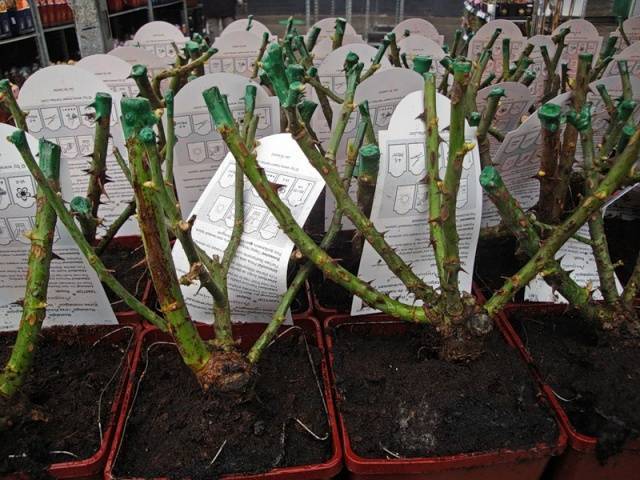
It's best to plant the seedling in the ground in early autumn—no later than mid-September. This allows the plant time to adapt to the new environment before the first frost. For more successful and rapid rooting, it's recommended to soak the rose root in a growth biostimulant such as Kornevin or Heteroauxin just before planting.
The approximate dimensions of the hole are 50 x 50 cm. The recommended spacing between holes is 1–2 m. If flowers are planted near a wall or fence, maintain a distance of 30–50 cm. The planting hole is lined with drainage material and filled with fertilized soil. The seedling is planted at an angle, with the root collar buried 3–6 cm deep.
Watering and fertilization rules
During the first year, water the plant frequently—approximately once a week. Subsequently, increase the intervals between waterings. A mature plant should be watered once every 10–14 days. The amount of water should be determined by the degree to which the top layer of soil dries out. However, it's worth noting that this variety doesn't like excess moisture in the soil.
This flowering ornamental plant requires fertilizing. You can fertilize the shrub according to the following schedule:
- first ten days of May – urea solution;
- second ten days of May – complex mineral compositions for flowering plants;
- budding period – phosphorus-containing fertilizers;
- first ten days of July – mullein diluted with water;
- first ten days of September – potassium and phosphorus preparations.
Never apply fertilizer to dry soil. This method can cause root burn. Water the shrub first, then apply fertilizer.
Shrub rationing and pruning
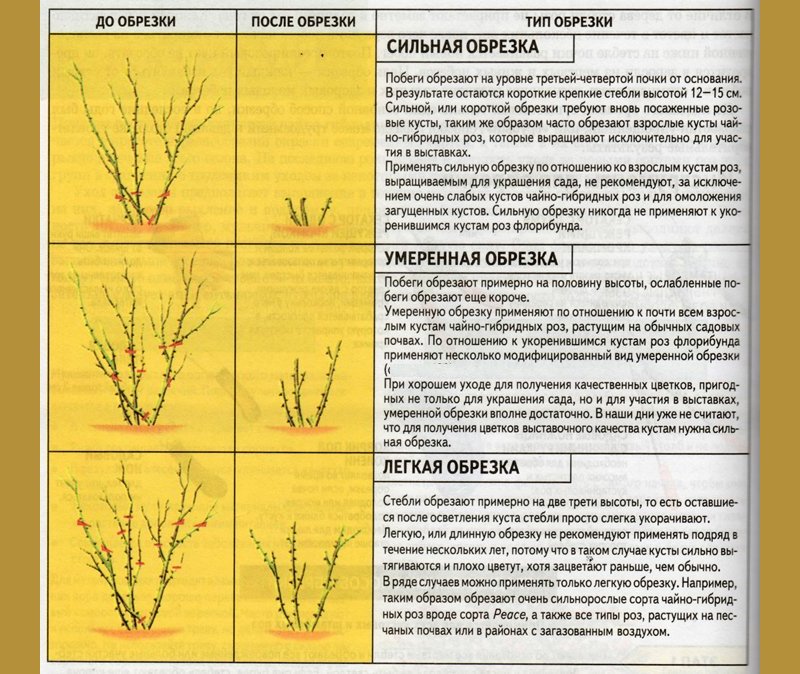
Since buds form on shoots from both the current and previous years, the shrub needs to be pruned promptly. Young branches that are not producing buds are cut off. Dry and broken branches are also essential.
There are three levels of pruning for climbing roses: heavy, moderate, and light. A description of each level is provided in the table below:
Preparing for winter
The flower requires additional protection for the winter. The root zone of the bush is generously mulched with peat, dry fallen leaves, and small spruce branches. The branches of the climbing rose are gathered into bunches, bent to the ground, and covered with pine branches. The plant can be insulated from above with burlap.
Protection from diseases and pests
Rosarium Uetersen has strong immunity to most fungal and bacterial infections that occur among other representatives of this type of ornamental crops.
Unfortunately, if agricultural practices aren't followed, the plant can be affected by rust and gray mold. To protect the shrub, use fungicides such as Topaz, Topsin-M, Flint Star, Magnicur Star, Horus, and Fundazol.
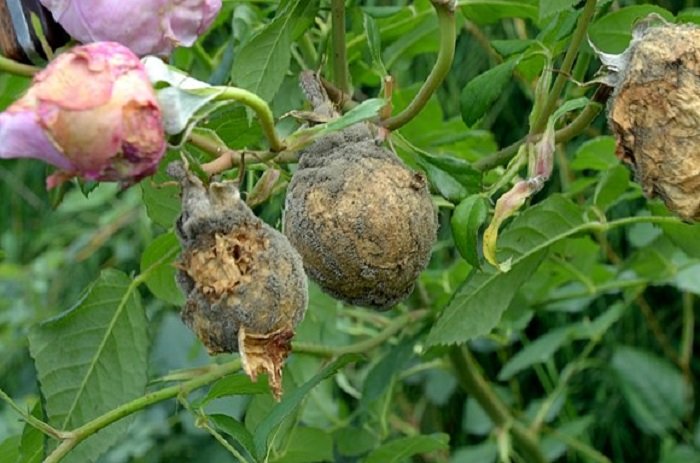
This profusely flowering shrub attracts not only humans but also insects. This variety often suffers from infestations of spider mites, rose aphids, rose leaf rollers, and thrips. Insecticides will help effectively and quickly get rid of these unwanted guests:
- against spider mites - "Aktara", "Aktellik" and "Fitoverm";
- against thrips - "Vermitek" and "Balazo";
- against rose aphids - "Engio", "Calypso" and "Confidor Maxi";
- against rose leaf rollers - "Fufanon" and "Akarin".
Periodically spraying the bush with a decoction of onion peels or an infusion of garlic will help prevent the appearance of harmful insects.
Rosarium Uetersen rose in garden design
Climbing roses are a key crop in landscape design. Thanks to their elegant and striking appearance, they are used for landscaping residential areas, beautifying city parks and squares, decorating garden features and arches, and creating various compositional objects. The flower is also widely used in floristry.
As for planting options, climbing roses can be planted individually or in a composition. Clematis, phlox, delphiniums, lavender, geraniums, and wild grapes are considered ideal companions. Rosarium Uetersen is used in vertical gardening to decorate garden arbors, arches, trellises, various fences, and even house walls. It can be used as part of a mixed border in classic, English, country, or modern styles. Grown on a trellis, the tree is planted as a solitary specimen or along garden paths.
-
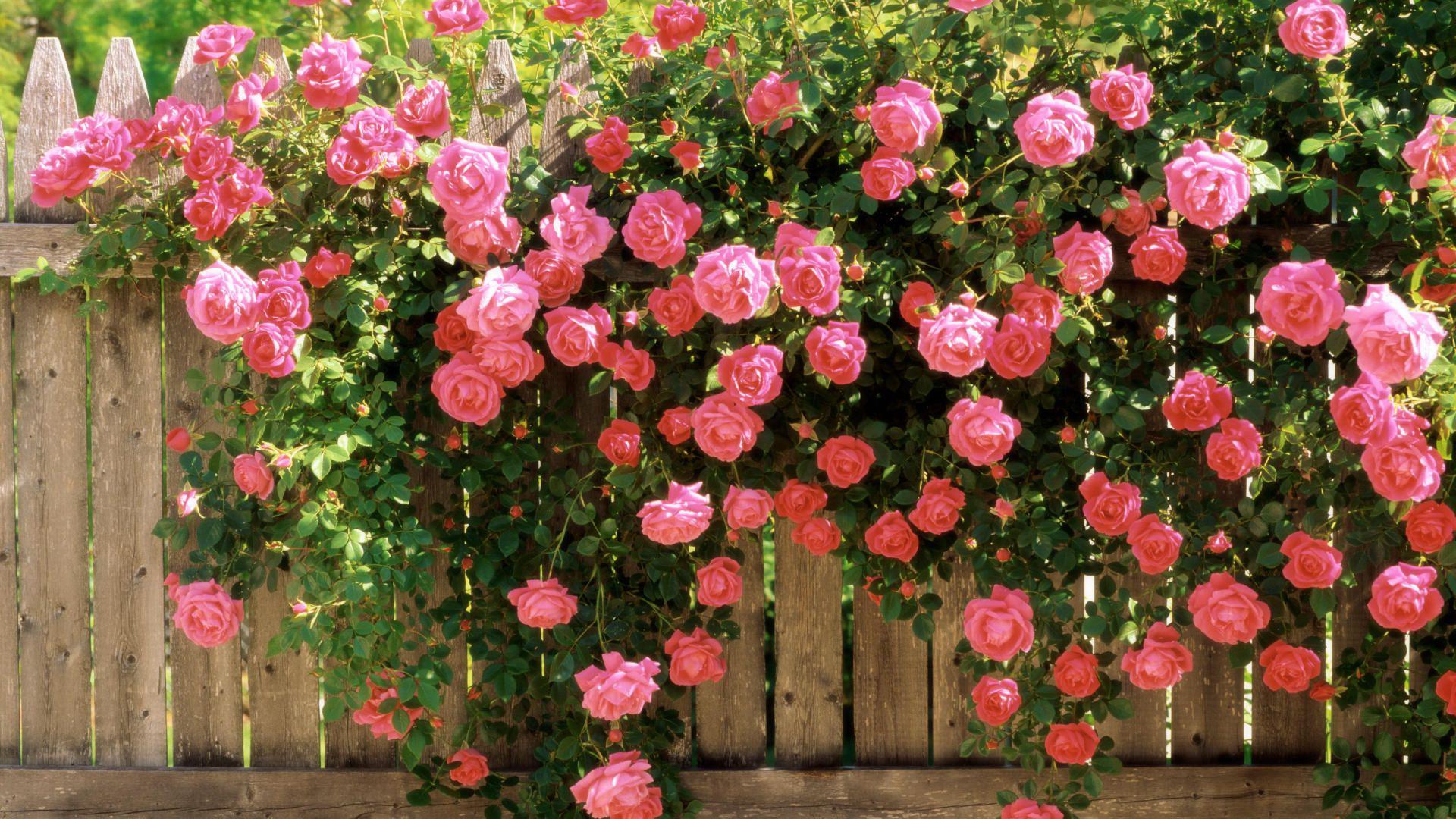
- Decorating hedges
-
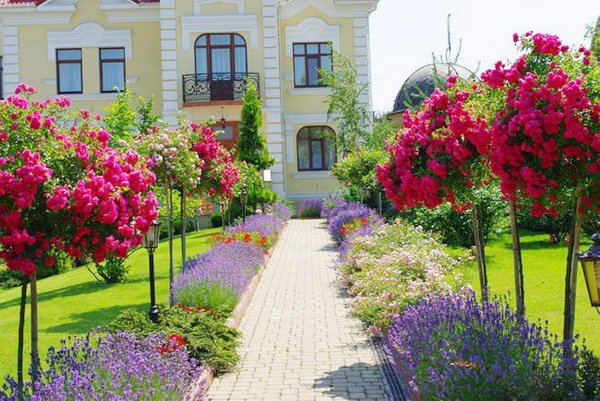
- Growing on a standard
-
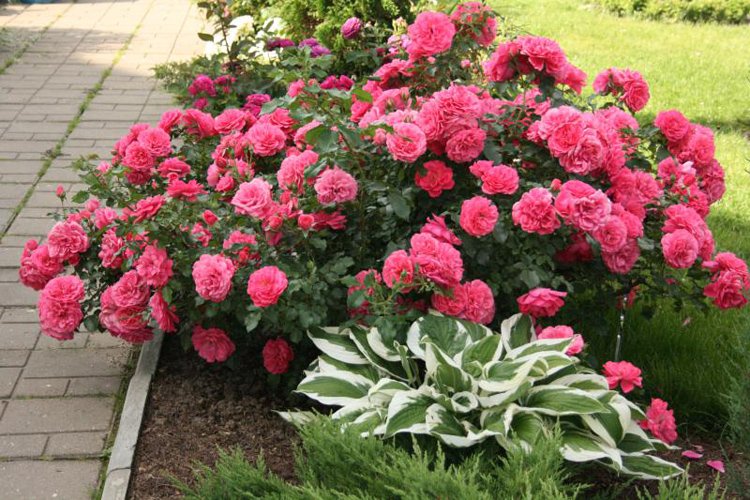
- Composite planting
-
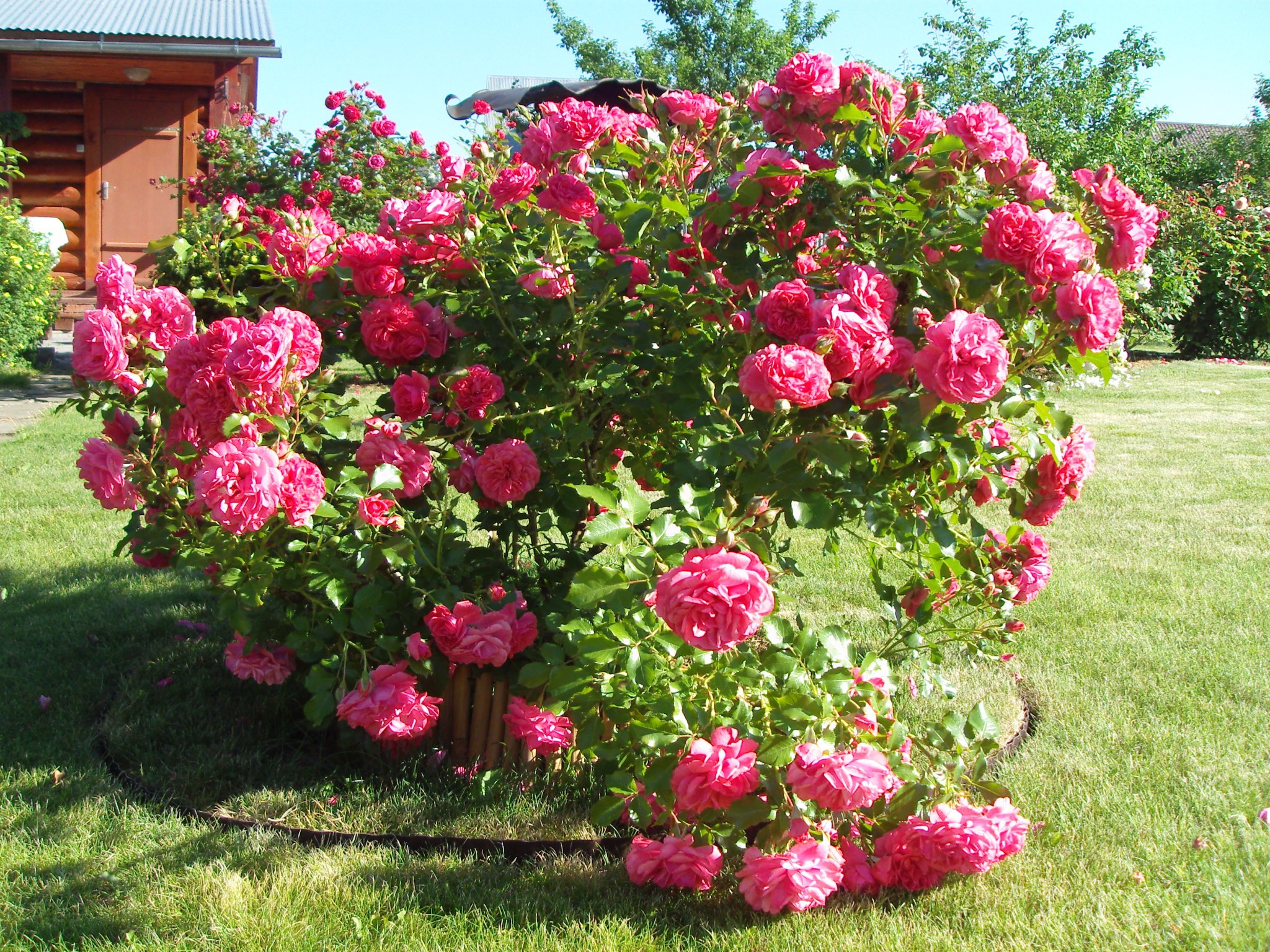
- Solitaire planting
-
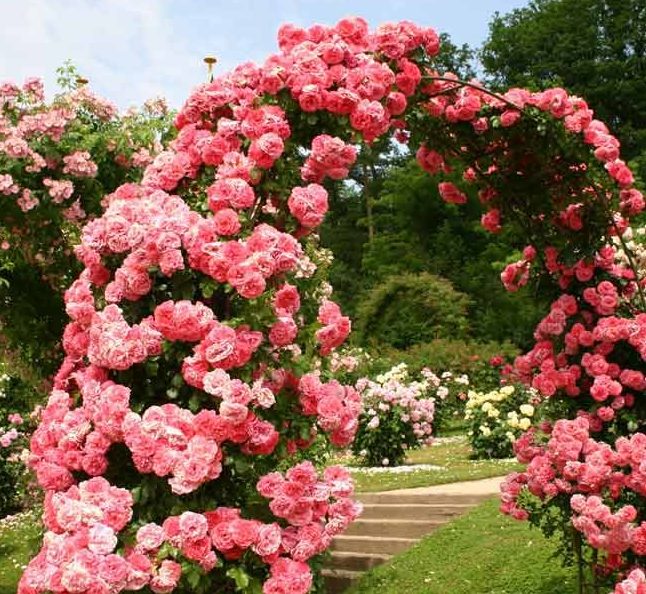
- Decorating garden arches
-
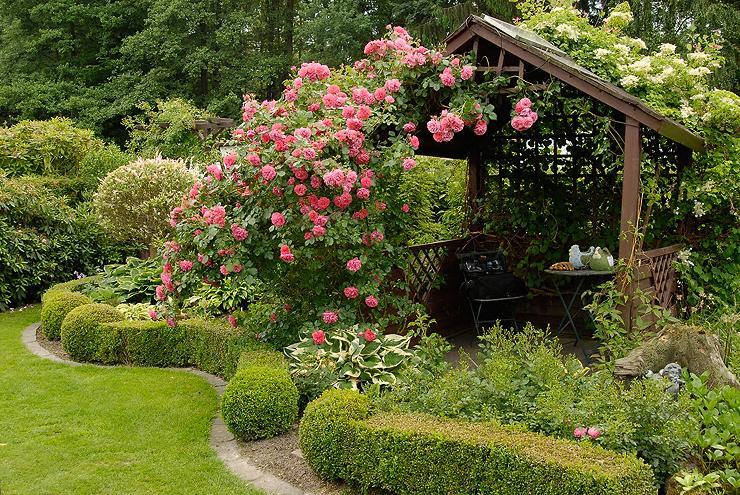
- Decorating a garden gazebo
Reviews from gardeners
"The Rosarium Uetersen variety is one of my favorites. It's easy to care for, except for frequent pruning and insect control. It blooms profusely every year."
"The South is rich in a variety of flowering plants, but the climbing rose Rosarium Uetersen deserves special attention. It's been growing in our garden for many years. With proper care, it always produces abundant blooms."
Not sure which flowering shrub to plant in your garden? Consider the profusely blooming climbing rose Rosarium Uetersen. The gardening techniques described in this article will help you grow this ornamental plant.