
Gardener's Encyclopedia: Description and Cultivation of Santana Climbing Rose
Content
History of the variety's origin
Rosa Santana was bred by the Rosen Tantau nursery, founded by renowned German breeder Matthias Tantau. The "parents" of this ornamental rose are the varieties Vishurana and Max Graf. The hybrid form is believed to have originated with the breeder Hanson Jürgen Evenson.
The flower was officially recognized in 1985. And for over 30 years, almost every gardener has dreamed of growing an exquisite scarlet rose in their garden.
Description and characteristics of the flower
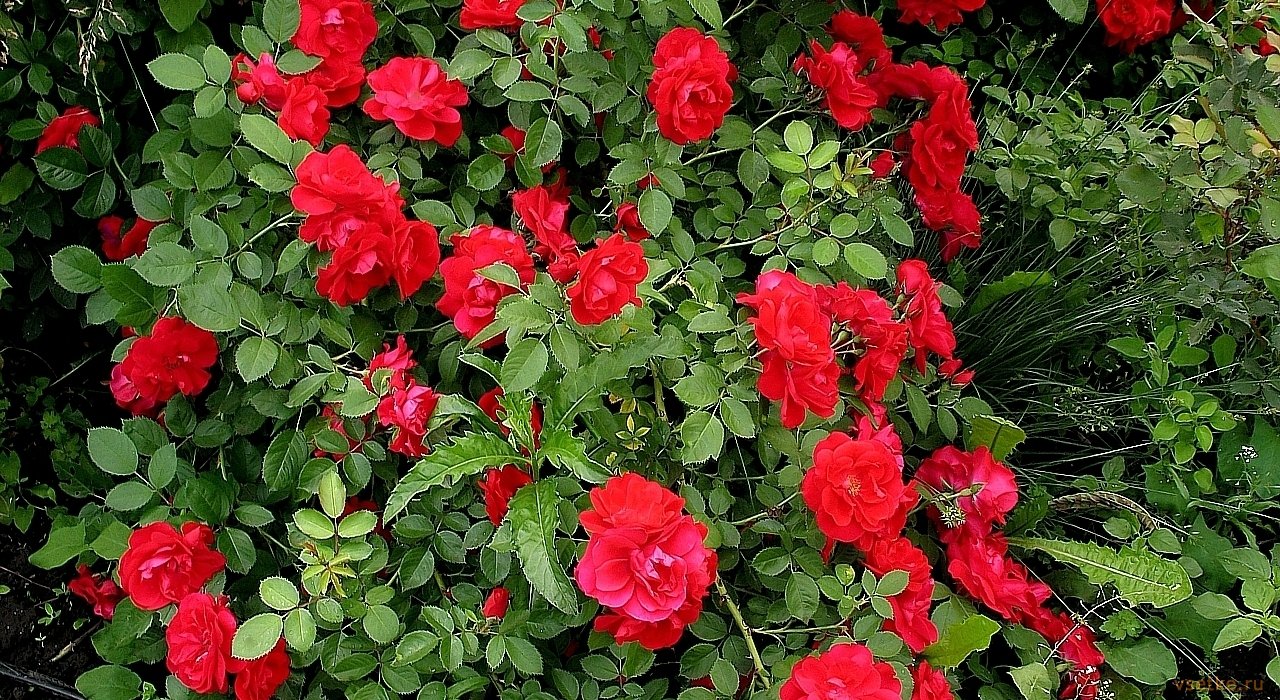
The Santana climbing rose attracts attention with its striking appearance. Its distinctive vines and large, vibrant buds are a distinctive feature of this variety.
Appearance of the bush
The plant reaches 2–3 m in height. The average width of the shrub is 2 m. However, the crown diameter depends on the chosen training method. Strong and resilient shoots tend to branch abundantly. This variety has dense foliage. The leaves are healthy-looking, lush green, and have a waxy sheen.
Features of flowering
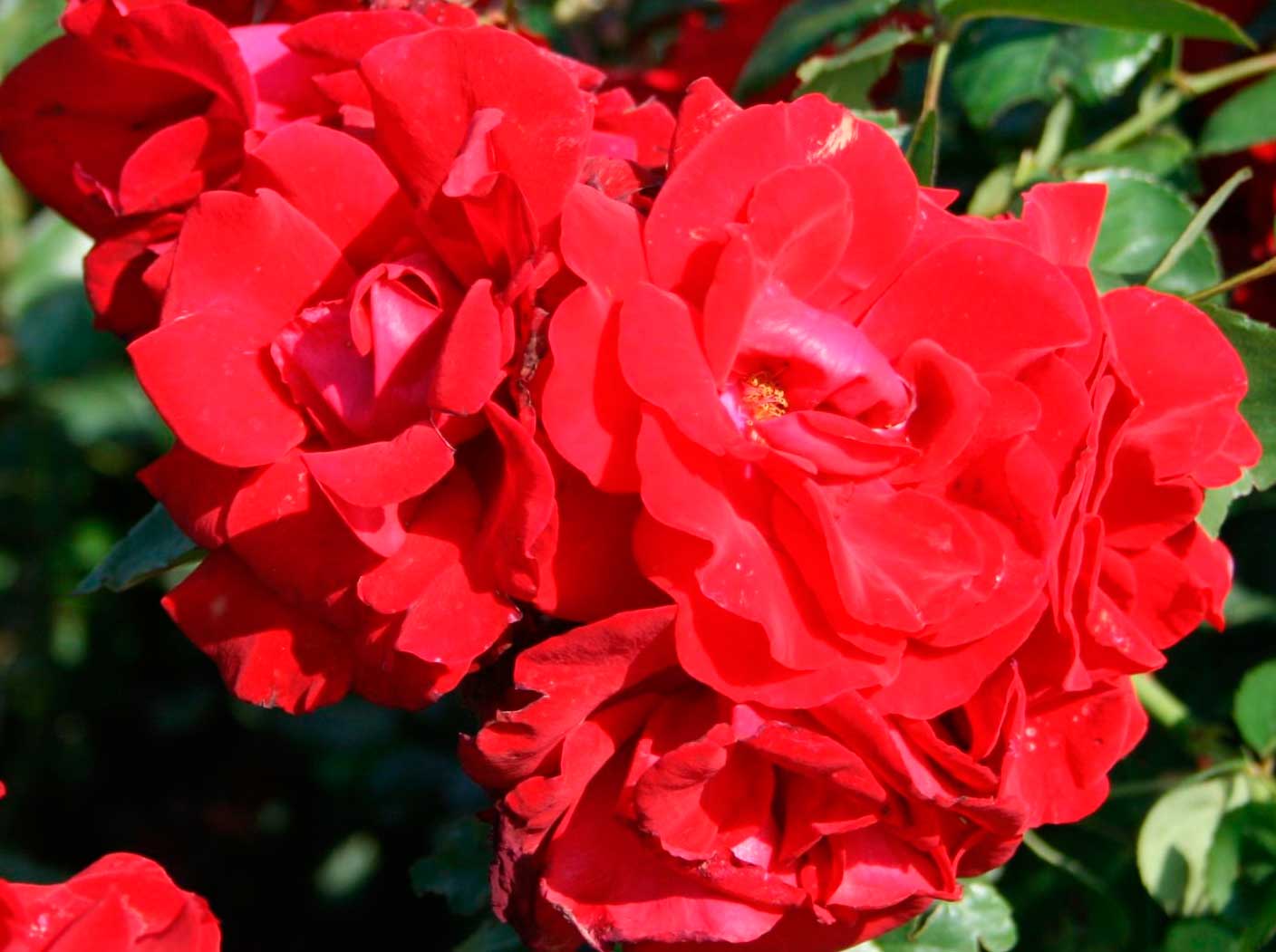
The plant has a long flowering period, from spring to late fall. The Santana variety is characterized by semi-double buds of a radiant blood-red hue. The flower is striking at all stages of development, from formation to full bloom.
Clusters of 3–7 flowers form not only at the tips but also along the entire length of the shoots. The flowers retain their vibrant color even when exposed to strong sunlight.
Winter hardiness of crops
The variety is considered winter-hardy, withstanding temperatures down to -29°C. However, gardeners note that the plant does not tolerate sudden temperature fluctuations well. A thaw followed by a sudden cold snap is a common cause of young shoots freezing.
Video "Park Rose Santana"
This video provides a brief description of garden culture.
Agricultural technology for growing Santana roses
Being a capricious flower, roses require special attention from gardeners. Let's look at the basic agricultural practices for planting and caring for this ornamental plant.
Optimal planting times
In northern and central regions, climbing rose seedlings are planted from mid-April to mid-May. If spring is late, it's best to delay planting by 1–2 weeks.
In southern regions, Santana roses can be planted in both spring and fall. The optimal time is September. The plant will have time to root and establish itself in its new location before the cold weather sets in.
Selecting a location and planting seedlings
Santana loves full sun and fresh air. When choosing a planting site, choose a sunny location. The area should also be protected from drafts.
When planting near a fence or wall, be sure to leave a space between the plant and the wall. Close proximity to a wall or fence is dangerous for the plant, as it restricts air circulation. Furthermore, water runoff from the roof during rain can wash away the plant's roots.
The soil should be light, nutritious, and well-drained. The average planting hole size is 50 x 50 cm. Maintain a distance of 1.5–2.5 m between rows. Planting too densely will negatively impact the growth and decorative qualities of the plant.
Line the bottom of the planting hole with gravel, crushed rock, or small pebbles. The drainage depth should be 10–15 cm. Add peat, rotted manure, or compost to the hole. The nutrient layer should be at least 10 cm deep.
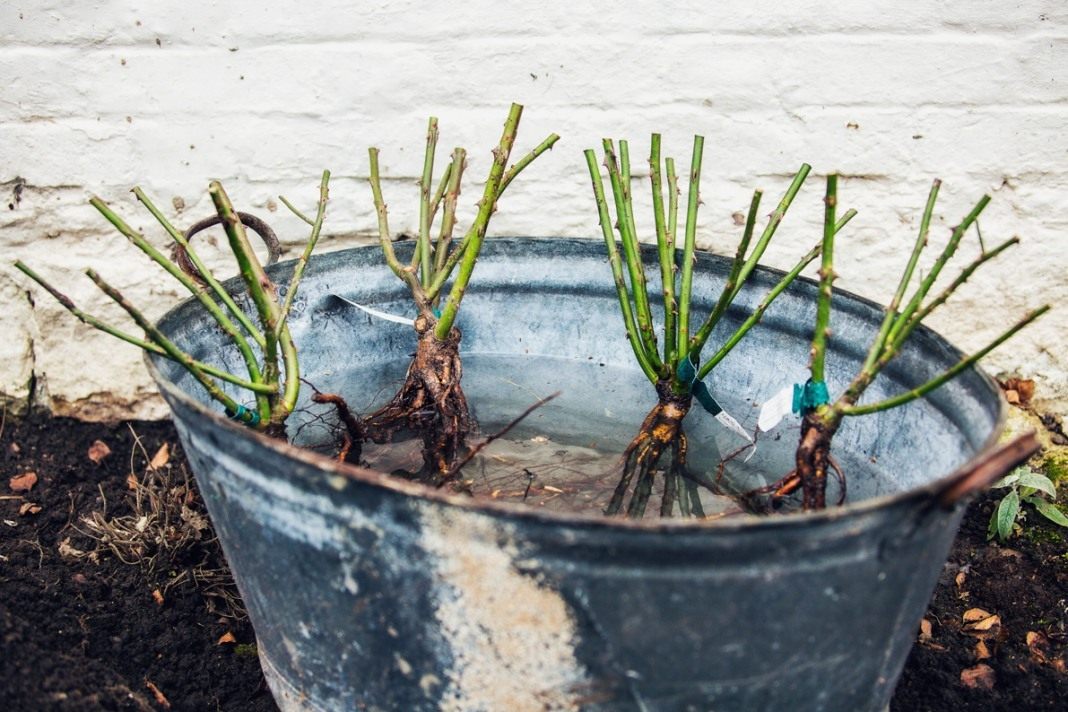
Next, a support is placed in the center of the hole and a mound of earth is formed. The seedling is planted in the mound at a 30-degree angle to the support. The plant is carefully covered with soil. The soil is compacted and watered thoroughly.
Watering and soil care
The watering schedule is determined by weather conditions. In dry weather, the shrub should be watered 1-2 times every 7-10 days. 15-20 liters of water are needed for each mature shrub. Please note that climbing roses should be watered with settled, room-temperature water. Cold water can promote root rot.
After each watering, loosen the soil. Loosening helps enrich the substrate with oxygen. Don't forget to mulch. Mulch prevents weed growth and maintains optimal soil moisture levels. You can mulch the plant with peat, dry hay, or shredded sawdust.
Top dressing and fertilizers
Santana appreciates organic and mineral fertilizers. In spring, the flowers are fed with nitrogen-containing fertilizers. This "nutrition" promotes the growth of green mass.
To strengthen the vines and promote bud formation, apply potassium and phosphorus fertilizers. The best option is a ready-made potassium-phosphorus mixture for flowering ornamental plants. Fertilize the shrub no more than four times per season.
Trimming options
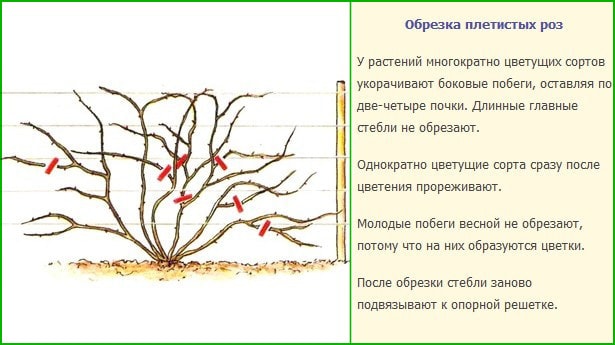
Without pruning, park roses lose their decorative appeal: branches become intertwined, and buds become smaller. This variety requires rejuvenating, thinning, or preventative pruning. Experienced gardeners recommend so-called "big-flower" pruning. This method involves cutting back all old branches almost to the very roots, and shortening the current year's shoots by half.
Excessive root growth should be removed. Use pruning shears or a garden knife to trim the shrub.
Preparing for winter
Roses grown in the south don't need to be covered for the winter. Warm and mild winters pose no danger to the flower.
Ornamental plants grown in northern and central Russia require insulation. First, the branches are removed from their supports, trimmed, and formed into bundles. The collected bundles are carefully bent to the ground and covered with pine branches, spruce branches, burlap, or agrofibre.
Pests and diseases of the variety
Santana is often attacked by the following pests:
- rose scale insect;
- rose leaf roller;
- spider mite;
- green rose aphid.
To prevent insect infestations, periodically spray the bush with a garlic solution, tomato top decoction, or soapy water. To kill any pests that do appear, use insecticides such as Aktara and Actellic.
Common diseases of this variety include powdery mildew, bacterial canker, and black spot. For prevention and treatment, use a solution of copper sulfate and fungicides such as Topaz, Skor, Bayleton, Previkur, and Fundazol.
Santana climbing rose in garden design
Thanks to its striking appearance, the Santana rose is widely used in landscape design. The vibrant color of its buds makes it suitable for solitary plantings. The flower is suitable for decorating arches, garden arbors, and various artificial structures. It can also be used to decorate fences and walls of various buildings. Grown on a standard tree, it is an ideal addition to garden or park paths.
For group plantings and creating mixed borders, the proximity to evergreen and coniferous crops is suitable.
-
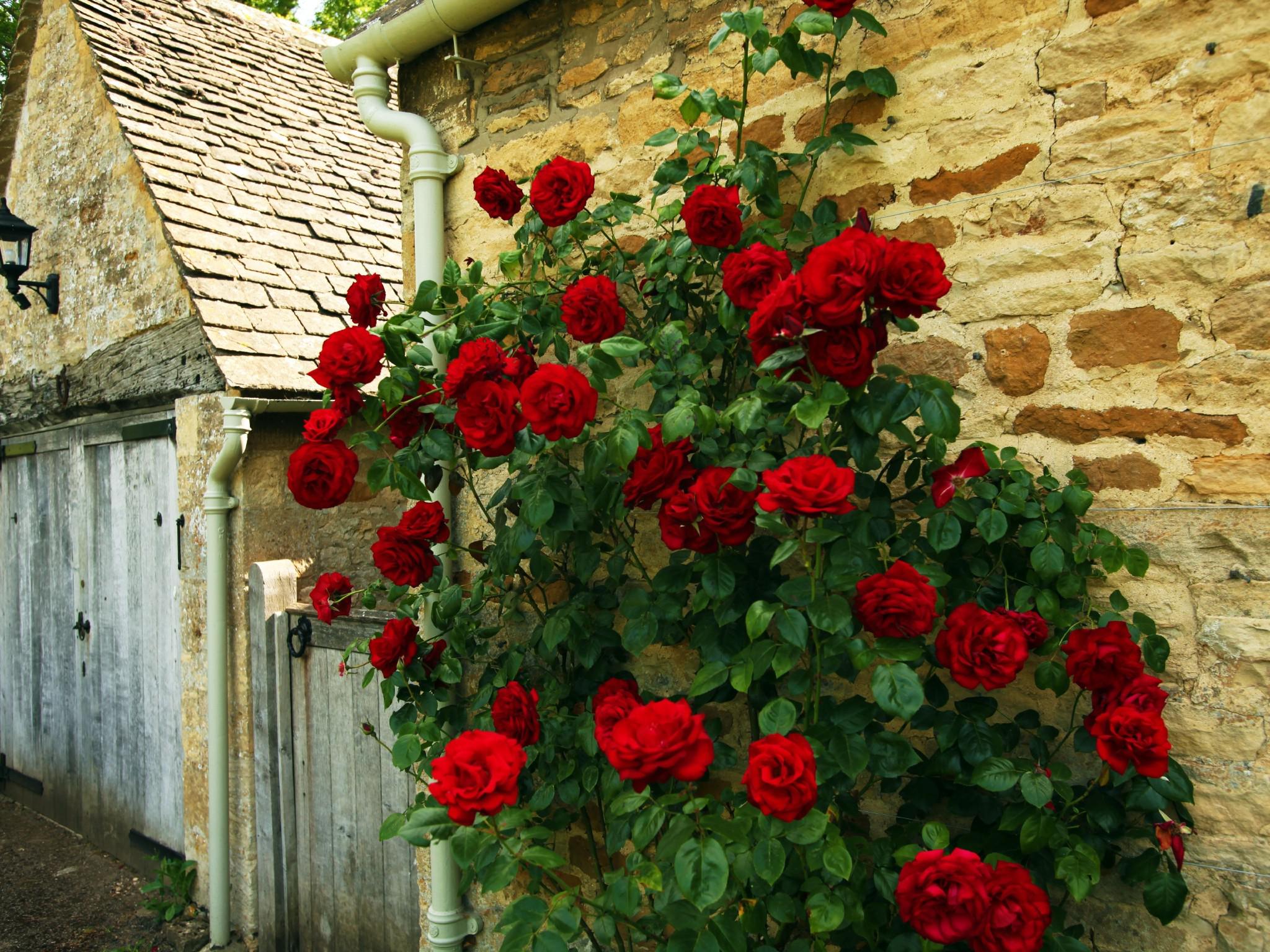
- Decorating the walls of buildings
-
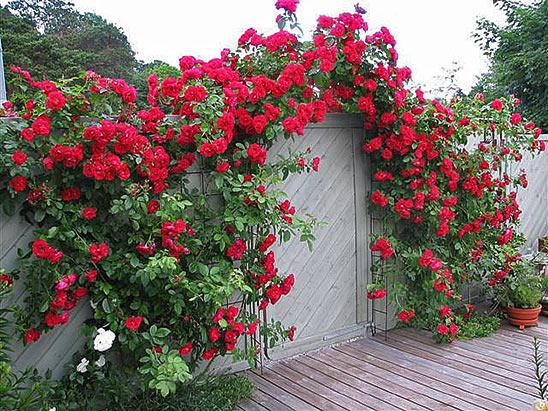
- Design of the entrance area
-
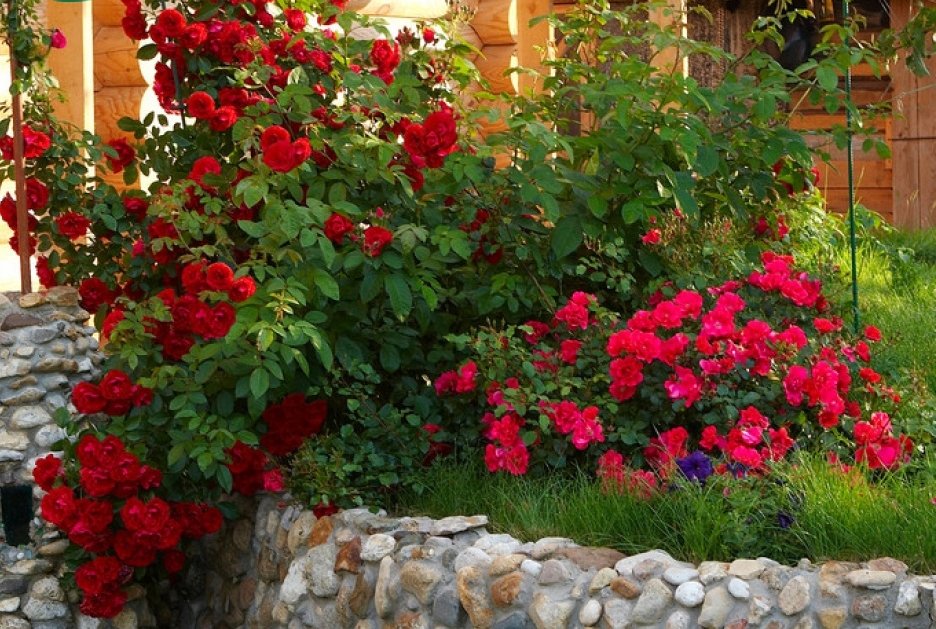
- Composite planting
Reviews from gardeners
"I've been involved in landscape design for many years. I recommend the Santana climbing rose to all my friends and acquaintances for landscaping their gardens and backyards. This vibrant and striking flower requires little care."
"Last year, I planted a Santana rose seedling. I was hoping for a warm winter and didn't cover the bush for the winter. Unfortunately, the flower froze."
The elegant Santana rose, with its striking, striking appearance, is a true queen of the garden. With simple gardening practices, the plant will delight with abundant blooms for a long time.