
Tenderness and grace in the garden: the intricacies of planting and caring for the Polka climbing rose
Content
History of the variety
The Polka rose was developed in 1991 by the French horticultural nursery Meilland. The cultivar's originator is Jacques Mouchotte. Combining the qualities of a climbing rose with a lush flower shape, it was the result of crossing the Golden Showers and Meipaisar varieties with pollen from the Lichtkonigin Lucia shrub.
Other names for the flower are found in botanical reference books: Polka 91, Lord Byron, MEItosier, Scented Dawn and Twilight Glow.
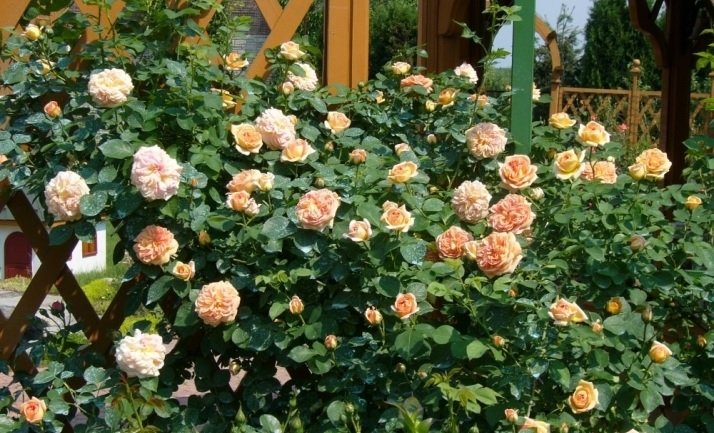
Description and characteristics of the Polka rose
High decorative qualities have determined the enormous popularity of the Polka rose. The plant is grown in many European countries, as well as throughout almost all of Russia.
Ornamental value of the bush
Polka is a large-flowered, lush shrub. The plant height ranges from 1.2 to 3 meters. The crown diameter is determined by the chosen training method. The maximum crown width does not exceed 2 meters.
This variety is characterized by stiff, upright stems with a moderate number of sharp spines. The shrub bears abundant foliage. The leaf blades are oblong-ovate with a pointed tip. The outer surface of the leaf is a beautiful dark green with a distinctive glossy sheen.
Features of flowering
The plant begins flowering in early June. In most regions, bud formation continues until mid-autumn. Large, densely double buds, 10–12 cm in diameter, give this variety its highly decorative appeal. The Polka rose flower is a delicate copper-salmon color, reminiscent of a butterfly. As the bloom progresses, the buds may fade, revealing an apricot-pink hue with a copper core.
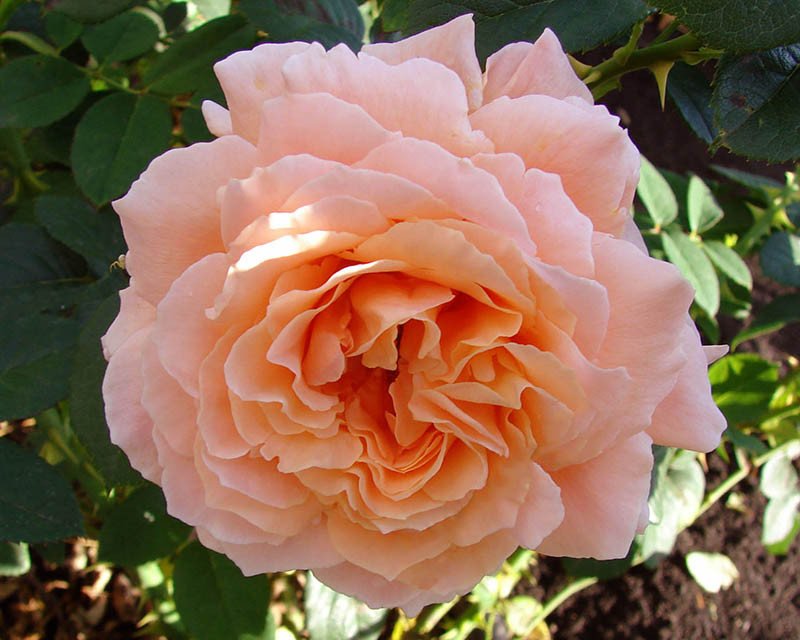
During flowering, the bud shape changes from conical to goblet-shaped. The flowers are collected in small clusters, with each cluster containing 3–5 buds on average. During flowering, the shrub exudes a soft fragrance with subtle fruity notes.
Winter hardiness of the variety
Polka is a winter-hardy variety. The plant's description notes that it tolerates temperatures down to -26°C.
Video: "Introducing the Polka Rose"
This video provides a brief description of the ornamental culture.
Secrets to Successfully Growing the Polka Rose
An incorrectly chosen growing location, as well as a violation of the care protocol, leads to a deterioration in the bush's decorative qualities. To ensure the Polka rose enjoys abundant and long-lasting blooms, let's look at the basic rules for growing this plant.
Correct fit
The optimal time for planting is early spring. However, the average daily temperature should be at least 10°C. Most rose varieties and cultivars prefer full sun, and Polka is no exception. However, when choosing a planting location, keep in mind that too much sunlight will cause the buds to fade. Therefore, a sunny spot in the garden with some afternoon shade is best for growing Polka roses.
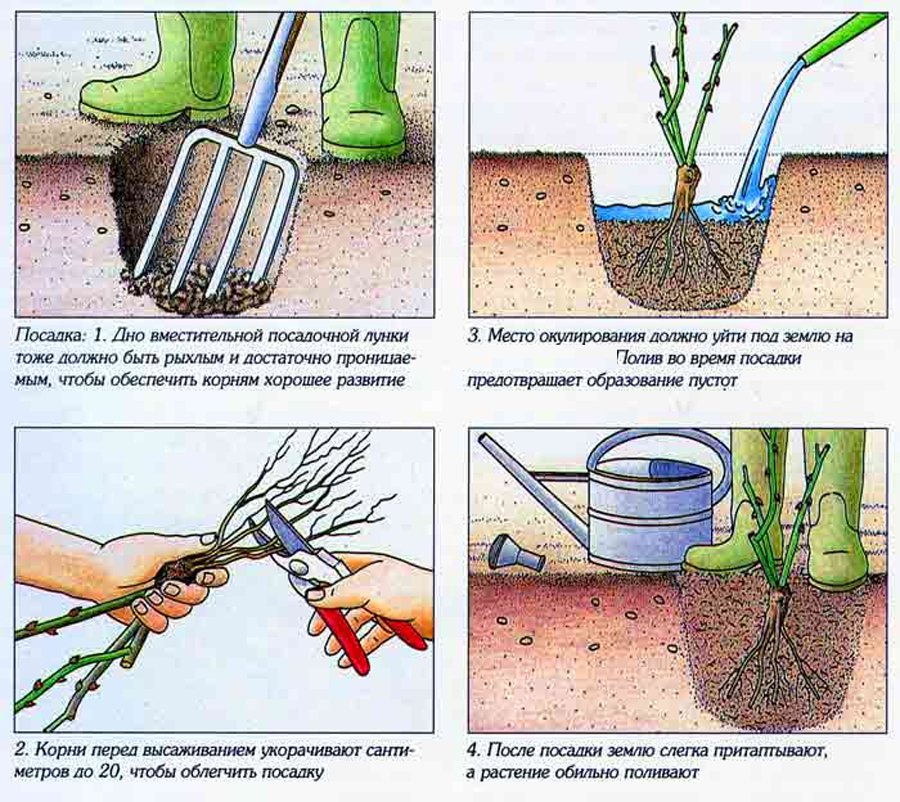
The soil should be nutritious, loose, and well-drained. When planting, add a drainage layer (expanded clay, gravel, small sea pebbles, or crushed red brick) and apply fertilizer. Bone meal, humus, or phosphate fertilizers can be used as a primary fertilizer.
To ensure the seedling takes root quickly, purchase high-quality planting material. When inspecting the root system, pay attention to the condition of the root system. The presence of a white coating or soft areas indicates root rot. The cut surface of the rootstock should be white.
The planting hole should be approximately 50 x 50 cm. The recommended distance between rows and holes is at least 1.5 m. Planting too densely will prevent the shrub from growing properly. Note that the root collar should be planted to a depth of at least 12 cm. Otherwise, the young shrub will have a hard time surviving its first winter.
Watering mode
The soil beneath the shrub should be kept moderately moist at all times. Both too little and too much moisture lead to frequent diseases. Climbing roses should be watered generously starting in mid-April. Polka roses prefer infrequent watering.
Between 10 and 30 liters of settled water are poured under each bush. The amount of liquid is determined by weather conditions and soil type.
When and how to feed
During the growing season, the shrub is fed with complex mineral mixtures containing primarily potassium and phosphorus. Fertilizers are applied twice a month. The final feeding (usually with superphosphates) is carried out immediately after flowering.
Nitrogen-containing preparations are added to the soil in early spring to allow the plant to grow green mass.
Scheme and algorithm of trimming
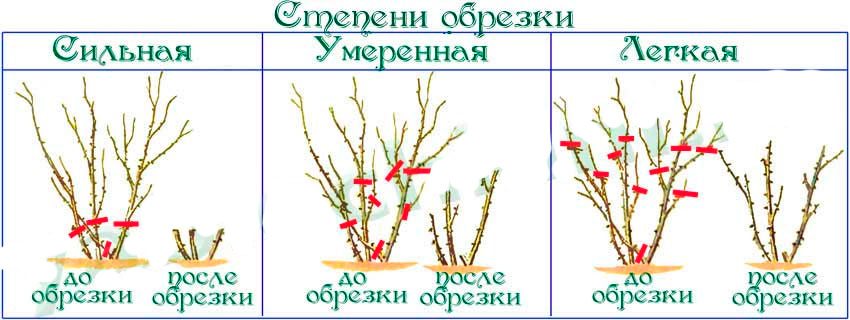
Every spring, rejuvenate the crown. Damaged and frozen shoots are always removed. Healthy branches are recommended to be pruned back to the first active bud. There are several pruning options for climbing roses: light, moderate, and heavy.
Preparing for winter
Despite its high winter hardiness, it's best to cover this ornamental shrub for the winter. First, the branches should be removed from their supports, then gathered into bundles and carefully bent to the ground. Cover the rose bush with burlap or spunbond.
This type of cover protects the plant not only from frost but also from temperature fluctuations. Sudden temperature changes are one of the common causes of root freezing.
Protection from diseases and pests
Polka has moderate resistance to powdery mildew and black spot. Following the above-described agricultural practices will help prevent the plant from becoming infected. If prevention fails, fungicides will be necessary:
- "Topaz";
- "Fundazol";
- Abiga Peak;
- "Skor".
Spider mites and aphids are dangerous pests for this variety. Acaricides are used in case of widespread insect infestations.
- "Actellic";
- Apollo;
- "Neoron";
- "Fufanol".
Using Polka Rose in Landscape Design
Climbing roses occupy a place of honor in landscape design. These striking shrubs are often used in vertical gardening to decorate garden arbors and arches, as well as to create interesting floral and decorative arrangements. These plants help conceal the imperfections of unsightly fences and outbuilding walls.
The Polka rose is indispensable in garden and city park design. It looks stunning both as a solitary specimen and in a composition. For example, to decorate a garden gazebo or arch, the Polka variety can be combined with Alaska, Aloha, Leonardo da Vinci, Blue Moon CI, Rosarium Uetersen, and other climbing roses.
-
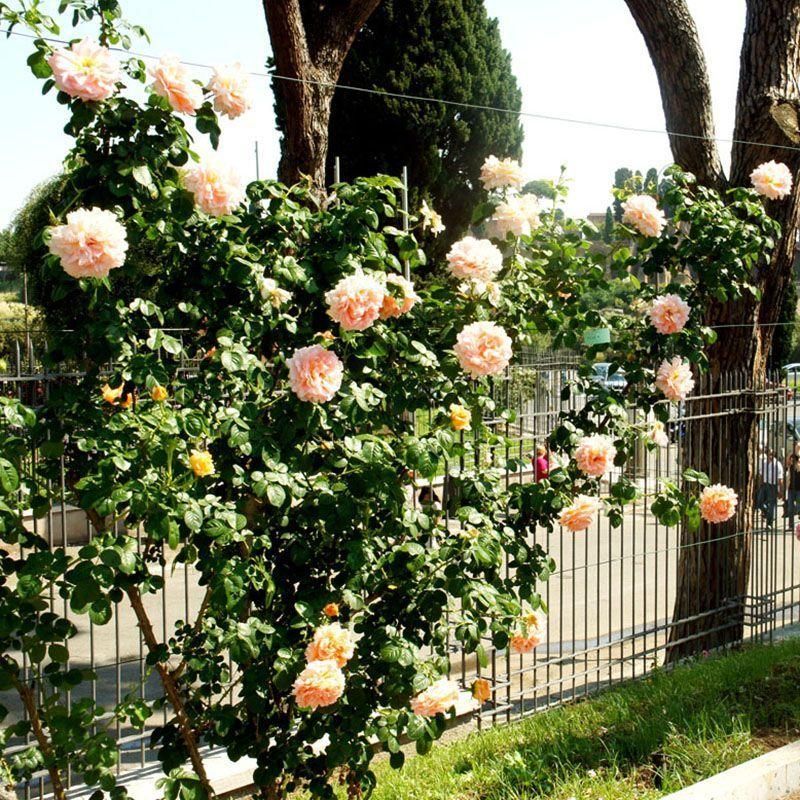
- Improvement of the fence
-
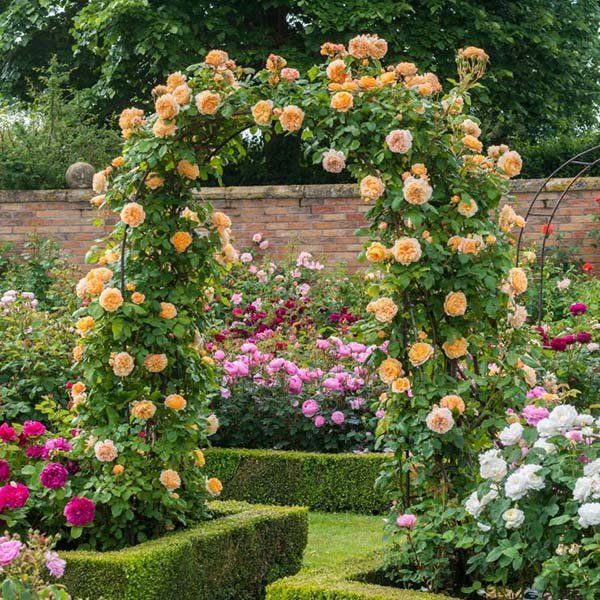
- Decoration of arches
-
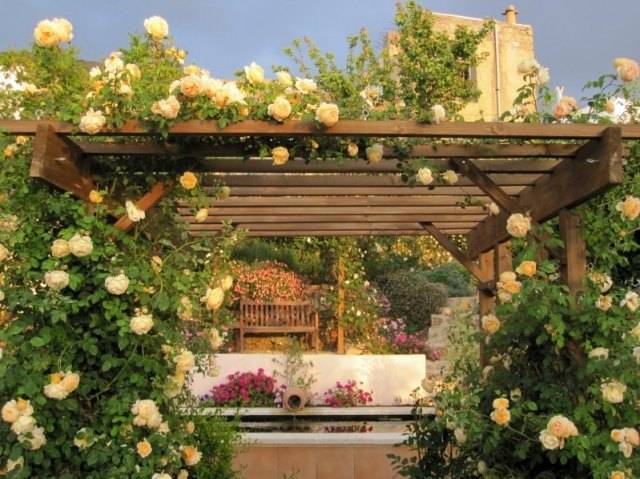
- Decorating the canopy
-
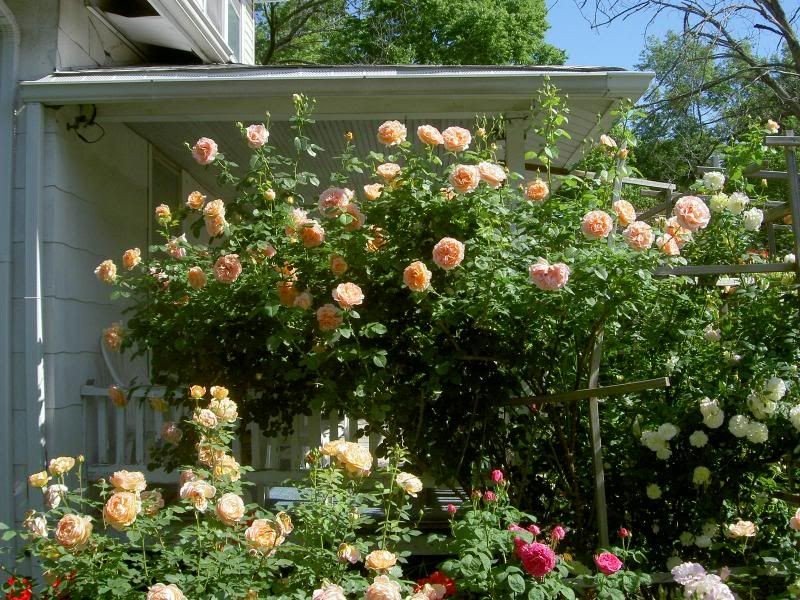
- Veranda decoration
-
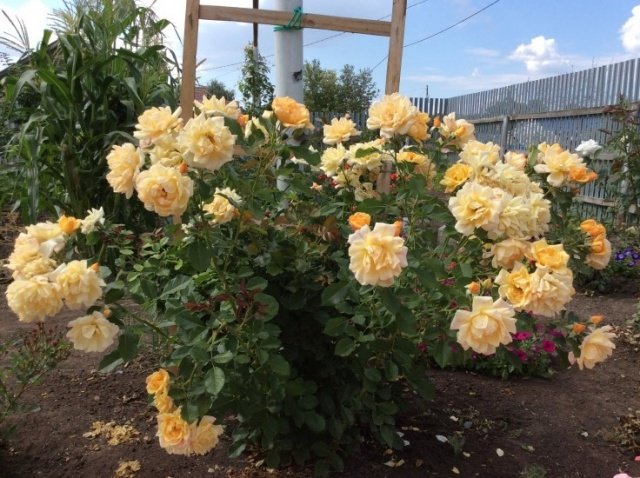
- Solitaire cultivation
Reviews from gardeners
"Many people think our region is unsuitable for growing climbing roses. I think this is a misconception, as the Polka rose has been growing in our garden for years, delighting us with its abundant blooms. A gardener's main task is to provide the plant with proper care, including preparing it for winter."
"I gave in to a friend's persuasion and planted a Polka rose seedling at our dacha. It's been two years since I planted it. What can I say? We now have a spectacular, beautifully flowering shrub that's a joy to care for."
The Polka climbing rose is the perfect solution for beautifying a garden plot. This large-flowering shrub will conceal any imperfections and highlight its assets.