
Why is field sow thistle dangerous and how to get rid of it?
Content
Morphology of the field sow thistle
Field thistle (Sónchus arvénsis in Latin) is a herbaceous perennial plant belonging to the Asteraceae family. The plant grows tall, reaching 1.5–1.8 m, and all parts contain milky sap, giving it the common name "milkweed."
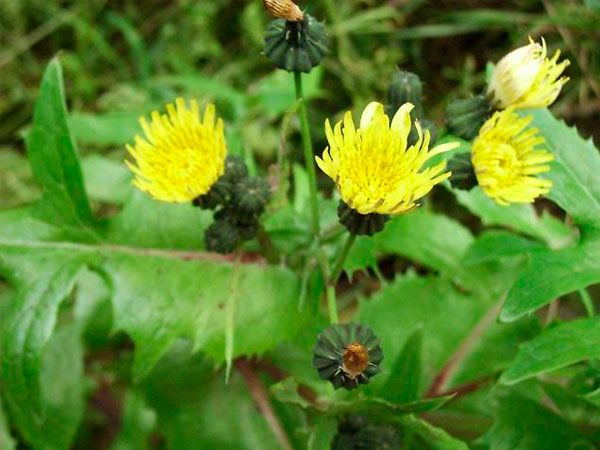
It has the following morphological characteristics:
- a powerful root system, going down to a depth of 3 m, with numerous shoots growing laterally;
- the stem is erect, smooth, hollow inside, branching in the upper part;
- the leaves are oblong (up to 25 cm), notched-toothed, with triangular lateral lobes, spiny along the edge, the lower leaves are petiolate, the upper ones are sessile, arranged alternately on the stem;
- inflorescences - multi-flowered baskets located at the top of the stem, consisting of many yellow ligulate flowers;
- The fruit is a small, brownish achene of an elongated, ribbed shape, slightly curved and compressed on the sides, with a fluffy white tuft.
Flowering lasts from June to October. During this time, approximately 20,000 seeds are formed, which are easily dispersed by the wind. Furthermore, the herb actively reproduces vegetatively—root shoots left in the ground are capable of producing new shoots within a month.
Yellow weed is considered the main enemy of open ground. Also found in fields and gardens is the pink thistle, also known as the marsh thistle. This pest is larger and taller, producing pinkish flowers that turn blue over time. It prefers nitrogen-rich soils, so it appears frequently after spring fertilization.
Video: How to Kill Weeds in Your Garden
In this video, an expert will tell you how to effectively control weeds in your garden.
Geographic distribution
This weed is widespread worldwide except for South Africa and South America. It grows throughout Europe. It prefers meadows, riversides, roadsides, wastelands, and landfills, and actively invades fields, private gardens, and vegetable plots. It easily adapts to any terrain, but prefers saline soils.
The benefits and harms of sow thistle
The weed causes great harm to the soil and agricultural crops:
- absorbs a lot of nutrients, resulting in soil depletion;
- leads to a decrease in soil temperature;
- reduces the effectiveness of fertilizers and irrigation;
- rapidly fills free space and displaces cultivated plants;
- is a carrier of microbes and a haven for harmful insects;
- makes it difficult to care for crops and interferes with the operation of agricultural machinery.
In some cases, weeds can be beneficial:
- Fresh greens are a healthy and nutritious feed for livestock;
- it is impossible for pests such as aphids to live near the weed;
- when dried it is a good mulch containing many microelements;
- The rich chemical composition and healing properties allow the herb to be used for medicinal purposes (for example, to prepare decoctions);
- young leaves are used in cooking for preparing vitamin salads and soups;
- It is an excellent honey plant, producing up to 130 kg of first-class honey per hectare of area.
It has been observed that when weeds grow in a strawberry bed, the berries become sweeter and more aromatic.
-
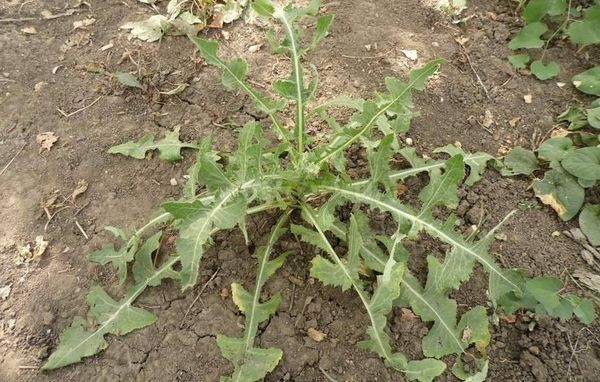
- leads to a decrease in soil temperature
-
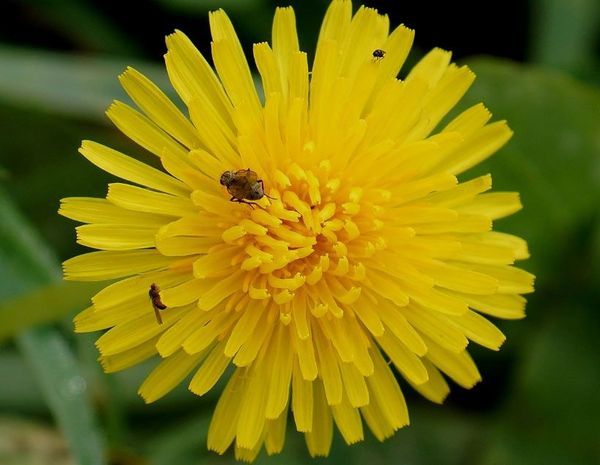
- Yellow weed is considered the main enemy of open ground.
-
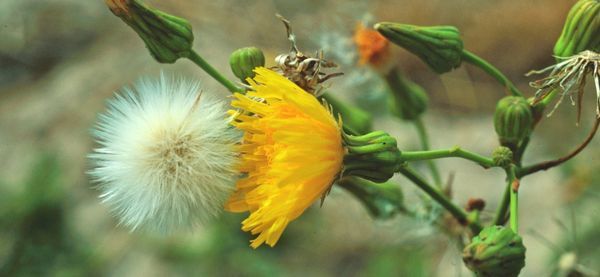
- Fresh greens are a healthy and nutritious feed for livestock.
Effective methods of weed control
To combat weeds, it is recommended to use various methods.
Agrotechnical techniques
Includes:
- use of clean fallows in crop rotation;
- sowing green manure crops that deplete the root system of weeds (lupine, rye, wheat, alfalfa);
- regular weeding with the destruction of young weeds at the stage of formation of 4-5 leaves;
- covering the bed with mulch, roofing felt or agrofibre (high temperatures are created under the cover, and the weeds rot);
- digging up the soil after harvesting with complete removal of all root fragments;
- digging up large and old specimens.
It's important to prevent the seeds from maturing, much less reaching the soil. If the weed is large and impossible to dig up, try to destroy the above-ground herbaceous parts.
Chemical treatment
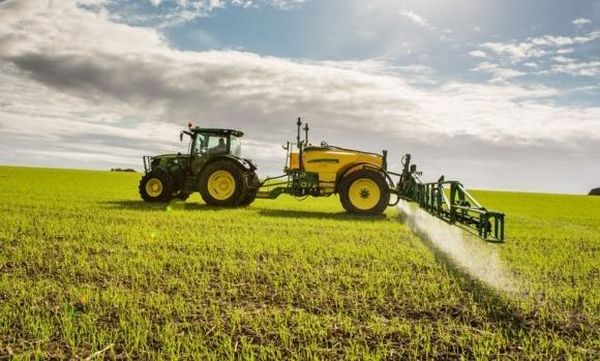
The use of agrochemicals is only justified in vacant areas that will not be planted in the coming years, as well as for the targeted control of large weeds. In this case, acid-containing herbicides are used, which work by blocking plant cells and disrupting photosynthesis. Such products include Tornado, Uragan, and Roundup.
For targeted pest control in useful areas, it is better to use herbicides that have a gentle effect on the soil due to their complete decomposition: "Fakel", "Horizon".
Folk remedies
For small areas, you can try the following relatively gentle methods:
- kerosene - spraying with kerosene causes the weed to dry out, but do not allow the product to come into contact with vegetable crops;
- ammonia (5-6 bottles/10 l of water) – promotes the death of the aerial part and depletion of the roots;
- baking soda - the powder is scattered over the area, under the influence of precipitation it seeps into the soil, causing the roots to die off;
- salt – used in the same way as soda;
- Vinegar solution - vinegar is diluted with water 1:1, 20 g of citric acid and 10 ml of dishwashing liquid are added to each liter, spraying is carried out using a spray bottle.
Although the weed is a medicinal plant, controlling it remains a primary concern for every farmer and gardener. Unfortunately, it appears almost everywhere, but comprehensive measures and proper care will help rid the plot of this pest for good.