
Sow thistle: a noxious weed or a useful crop
Content
Description and chemical composition of the culture
Sow thistle is a herbaceous annual with a straight, smooth stem 50-100 cm tall. In a single season, it develops a powerful, branched rhizome 2-3 m deep, making it very difficult to pull out. Externally, the plant differs little from other species in this family, but upon close inspection, differences in the structure and shape of the leaves are noticeable. In this species, the leaves are dissected-pinnate and borne on short petioles.
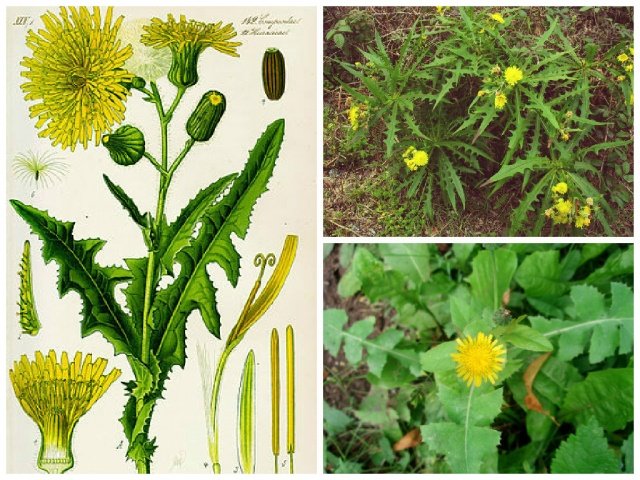
Flowering lasts from June to September. The flowers are soft yellow, gathered in small heads. Each inflorescence produces several thousand seeds with fluffy tufts, easily dispersed by the wind. Besides seed, the weed propagates well by dividing its rhizome—even a small portion can produce numerous new shoots.
The herb's chemical composition is quite rich. It contains alkaloids, which have a bitter taste and medicinal properties. Organic substances such as inulin and choline, which protect cells from damage by toxins and heavy metals, are also present. The above-ground portion of the plant contains organic acids, fatty oils, and abundant vitamin C.
Video: "Benefits of Sow Thistle"
This video shows some of the beneficial properties of the weed.
Useful and medicinal properties of sow thistle
The use of herbs for medicinal purposes helps to:
- restoration of nerve cells;
- strengthening the immune system;
- improving physical and mental abilities;
- improving blood composition (reduces sugar and cholesterol levels);
- cleansing the body of toxins and parasites;
- normalization of metabolism;
- reduction of inflammatory processes;
- general rejuvenation of the body.
In agriculture, weeds are fed to animals, with the result that their productivity increases.
Gardeners have noticed that growing weeds in strawberry beds improves the flavor of the berries, making them sweeter and more aromatic. The pink variety is especially beneficial in this regard.
Features of application
The above-described properties allow the herb to be used in the following areas:
In cooking
Young shoots are used as a vitamin supplement to salads, appetizers, soups, fish, or meat. For fresh consumption, the herb is soaked in cold, lightly salted water to remove the bitterness. The boiled root is used in dishes instead of Jerusalem artichoke. A medicinal tea is made from the dried leaves. The herb can also be pickled. To do this, wash it, place it in jars, add horseradish leaves, dill umbels, garlic, and salt, and refrigerate for several days.
In folk medicine
People have long used the weed to treat ailments such as colds, fever, gout, and various abscesses. Warm decoctions were drunk for migraines, chest pain, and to expel worms. To prepare them, pour 50 grams of dried herbs into 1 liter of water and simmer for 10 minutes, without letting it boil. The decoctions have an expectorant effect and help relieve coughs.
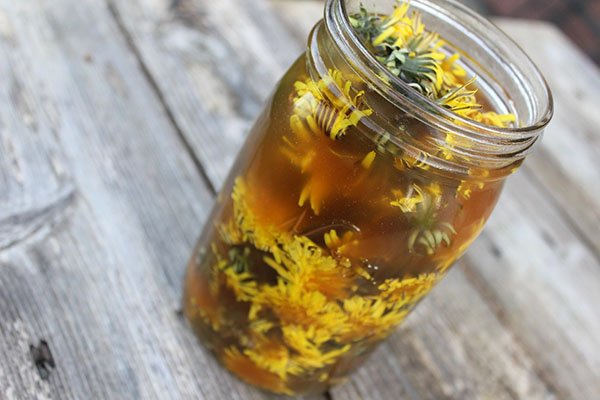
Infusions of the herb are used externally to treat hemorrhoids, boils, burns, and bleeding wounds. Pour a cup of boiling water over 1 tablespoon of the herb, let it steep for about an hour, and strain. Fresh leaves can also be applied to the skin for these conditions. The juice obtained by breaking the stem is used as a diuretic and laxative (take 1 teaspoon with meals).
To strengthen your immune system and overall health, we recommend consuming a vitamin salad made from the following ingredients:
- 200 g fresh leaves;
- 2 boiled eggs;
- fresh cucumber;
- 100 g radish;
- some greenery.
Soak the leaves in water, chop all the ingredients, mix, season with salt and vegetable oil.
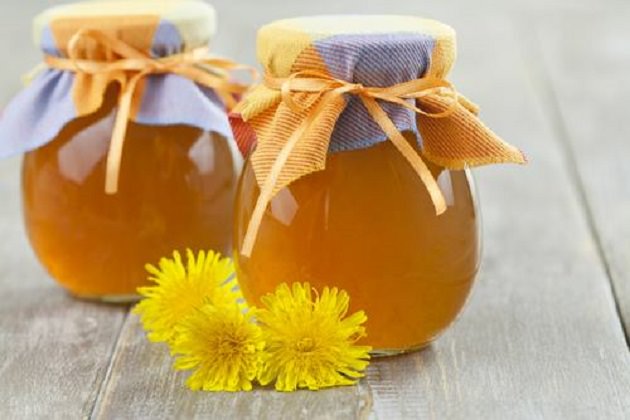
Honey from this flowering herb is considered premium and among the best. It possesses high medicinal properties, a pleasant taste, and a light aroma.
Procurement and storage of medicinal raw materials
The roots and stems are used for medicinal purposes. The above-ground portion is harvested during the flowering period. The tops of the shoots, approximately 25 cm long, are cut off, tied into bundles, and hung in a dry room or laid out on paper under a canopy. The dried material is ground and stored in airtight glass containers or paper bags. The roots are harvested in the fall. They are immediately washed and crushed, then dried and stored in the same manner.
Contraindications and harm of sow thistle to humans
When treating and using the herb, it should be taken into account that it is contraindicated:
- pregnant and lactating women;
- people prone to allergies;
- in case of individual intolerance.
In other cases, it is advisable to consult a doctor about the advisability of using the herb.
Effective methods of plant control
The following methods are used to combat harmful grass:
Mechanical destruction
Includes a whole range of activities:
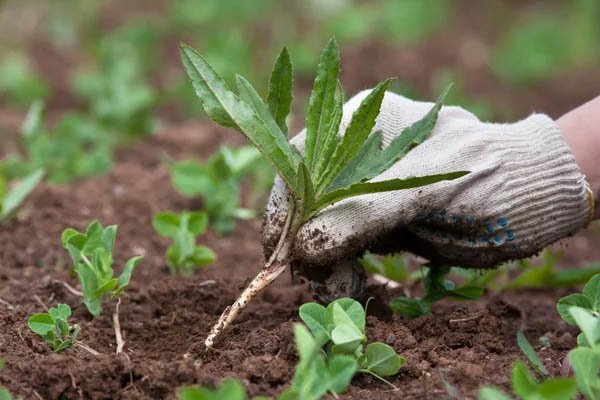
- Regular weeding, at least once every 10 days. While the plants are small and the roots are still weak, they are easier to pull out.
- Mulching. Covering the garden bed with a thick layer of mulch will make it more difficult for pests to penetrate the surface.
- Using agrofilm. Plants simply rot under this type of cover.
- Digging up adult specimens.
- Cutting off the flowers doesn't solve the problem, but it does prevent the grass from spreading.
- After harvest, dig up the bed, removing all the roots. The rhizomes are very deep, and if fragments remain in the soil, they will quickly sprout.
Traditional methods
These methods are relatively safe and the most gentle for vegetable crops:
- spraying with ammonia (dilute 5 bottles in a bucket of water) - the above-ground part dies, and the rhizome is depleted;
- Kerosene treatment - the grass is cut and the roots are poured with kerosene, while care must be taken to ensure that the composition does not come into contact with useful plants;
- Sprinkling salt between rows – the substance prevents the growth of any plants, so it is advisable to use it in open areas;
- Growing green manure: lupine, clover, grain crops - pests will not grow after them, and at the same time the soil will be enriched with nutrients.
Chemical attack
For large areas where mechanical methods are ineffective, herbicides containing acids and high salt concentrations are used. The most effective, completely eliminating weeds, include Fakel, Gersotil, Saratsin, Tornado, and Gorizont. Agrochemicals are also recommended for use on paths, vacant areas where vegetable crops will not be growing for the next few years, and for killing particularly large, mature weeds.
-
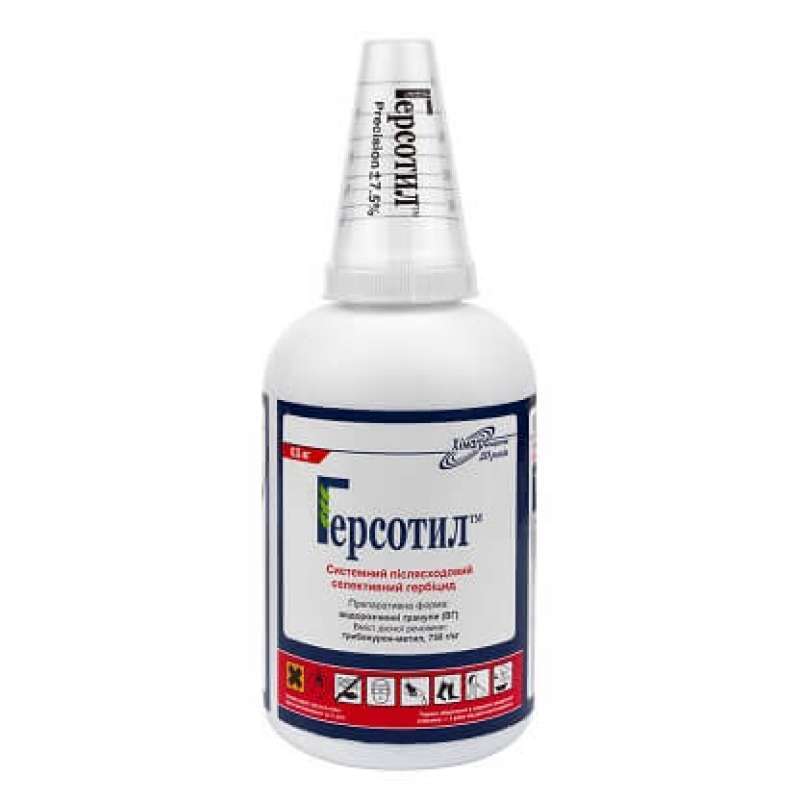
- Gersotil
-
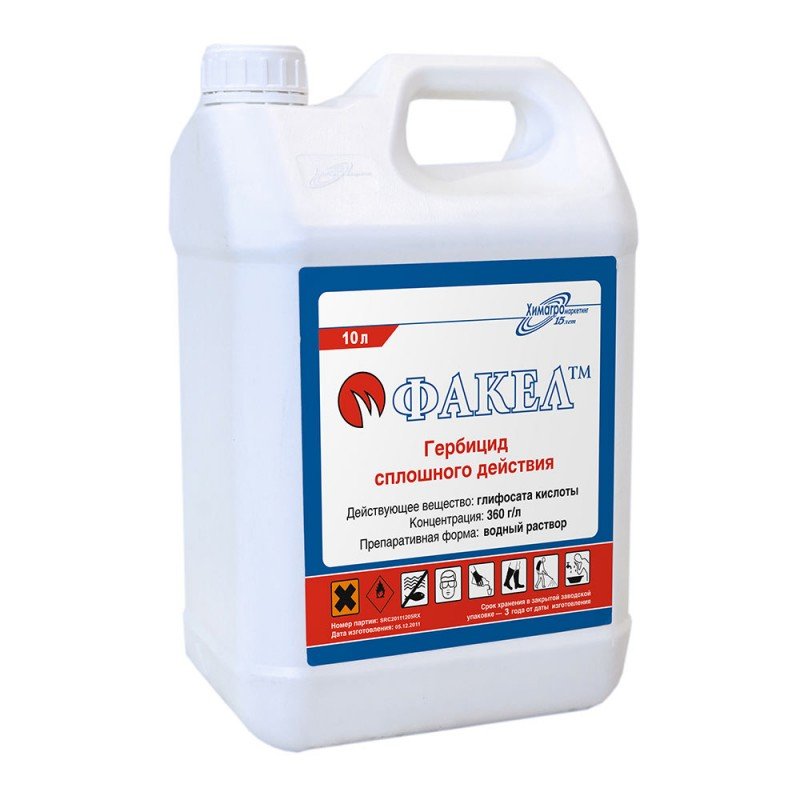
- "Torch"
-
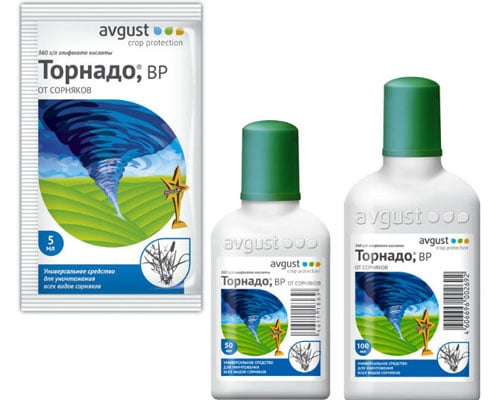
- "Tornado"
Despite the benefits of this herb, there's no need to propagate it. A small amount can be left for medicinal use, but it must be harvested within the prescribed time to prevent dispersal. Every gardener must combat this pest to ensure a good harvest.