
We choose unpretentious and long-blooming perennial flowers for the garden
Content
Benefits of Growing Perennials
The convenience of perennial plants for summer residents is expressed in the following:
- They do not need to be planted every season.
- From spring to autumn, the area looks well-groomed and beautiful, with minimal human intervention.
- Hardy varieties are resistant to prolonged drought and require no winter cover. This significantly reduces maintenance costs and labor costs.
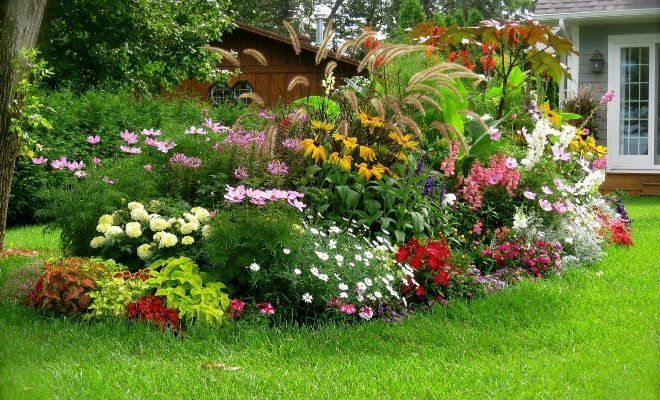
If you choose the right crops for your flowerbed, after just 2–3 weeks, the work will be reduced to occasional watering and occasional fertilizing.
Video: Perennial Flowers for the Garden
This video features the most beautiful and easy-to-grow garden flowers.
Spring perennial flowers
To ensure that crops thrive, don't get sick, and don't require special care, you need to understand their properties and understand the conditions they will thrive in.
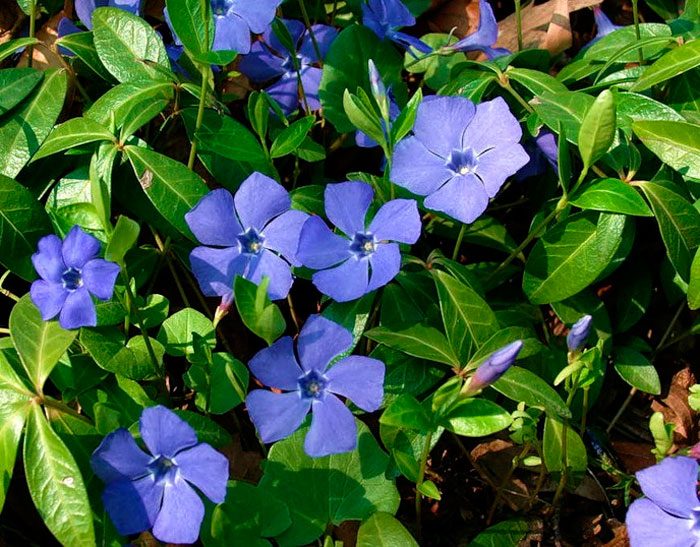
Periwinkle
There are groundcover species and low-growing subshrubs. The plant prefers shade and requires minimal sun. It blooms in spring, and in warm climates, it can produce second flowers in the fall. It thrives in abundant moisture, and its growth slows somewhat during drought.
Suitable for open and shady areas. It spreads quickly, and shoots root easily upon touching the ground. Hybrids with the following have been cultivated for gardens:
- simple and fluffy crowns;
- with smooth and colorful leaves.
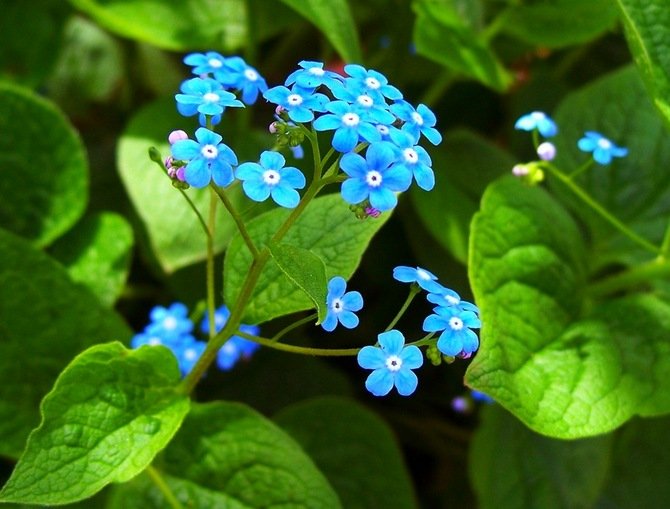
Brunner
It grows even in shade, provided there's enough moisture. It tolerates severe drought and doesn't require frequent fertilizing. In May, it blooms with attractive blue or light blue flowers. It roots well in clay soils. It grows to 25–55 cm. The leaves are pointed and heart-shaped. Keep in mind that variegated varieties are much more demanding.
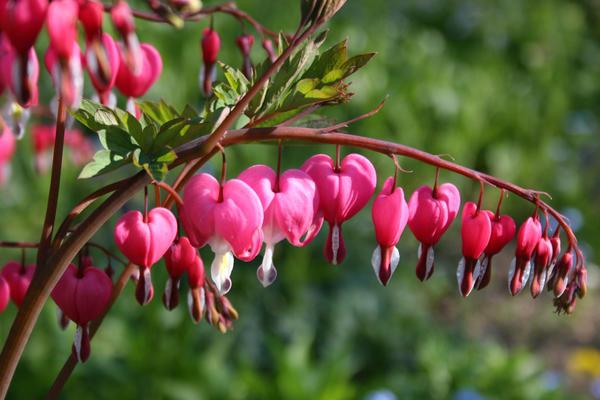
Dicentra
It has a robust root system and tolerates cold well. Dead leaves revive with the arrival of spring. It grows to 40–100 cm. By mid-May, racemose inflorescences with heart-shaped corollas appear, white or pink (bicolor varieties are also available). It blooms for a month and requires minimal light.
Crocuses
The first corollas form when there's still snow on the ground. They come in white, blue, yellow, and striped varieties. The plant grows up to 15 cm and blooms throughout the spring. It prefers sun and partial shade, and thrives under tree canopies or near tall bushes.
Solomon's seal
It grows alongside lily-of-the-valley in forest belts. It blooms in May–June. Its flowers are not very showy, but in the shade of conifers and shrubs, Solomon's seal grows to 50–80 cm. Its drooping white and green bell-shaped flowers look quite picturesque.
Lily of the valley
It requires abundant moisture and prefers moist, shady locations. It overwinters well. In the spring, leathery leaves curl into tubes, then form rosettes, and above them, 30-centimeter stems. The inflorescences contain 6 to 20 umbels, which are white or pink and pleasantly fragrant. They delight with color from May until late summer, after which the inflorescences transform into red oval berries. Lily of the valley is long-lived, producing fruit in the same location for up to 10 years. Lily of the valley can suppress nearby crops.
-
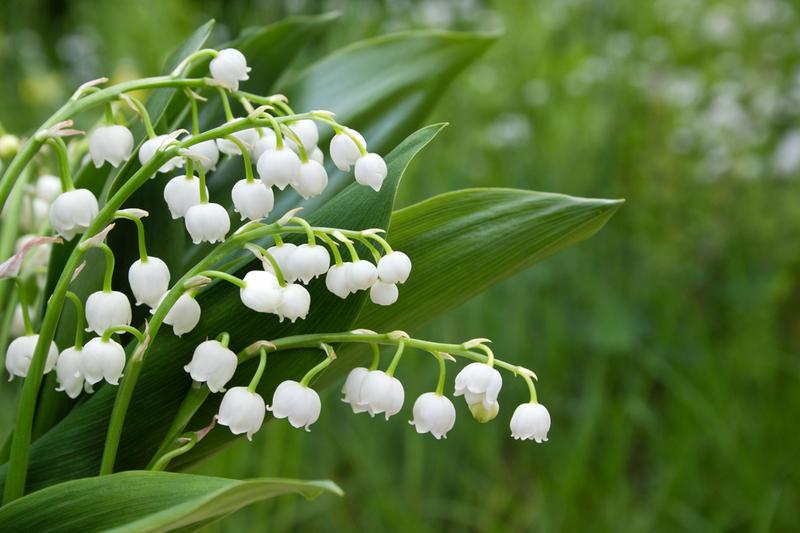
- Lily of the valley
-
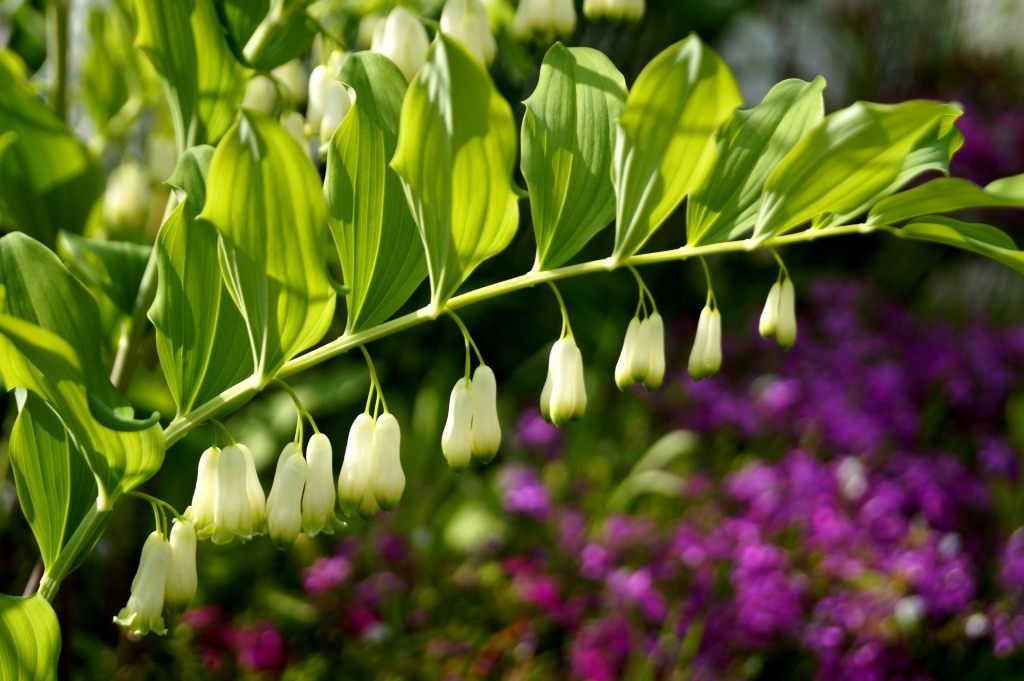
- Solomon's seal
-
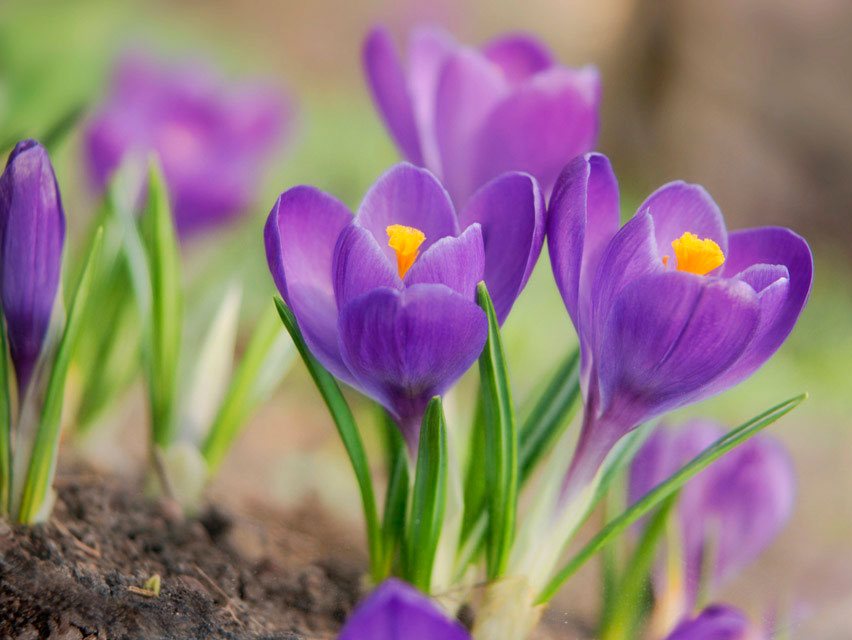
- Crocuses
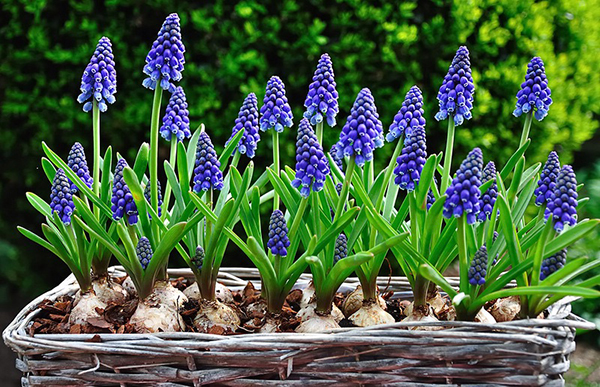
Muscari
Another name for this plant is mouse hyacinth. From April to May, short, 15–20 cm stems emerge from the ground, ending in clusters of small, bell-shaped flowers, blue or light blue.
It's recommended to replant mature muscari in June, as soon as the leaves and flowers fade. They're best planted in the shade of trees or large lilac plantings. The flowers become more luxuriant over the years.
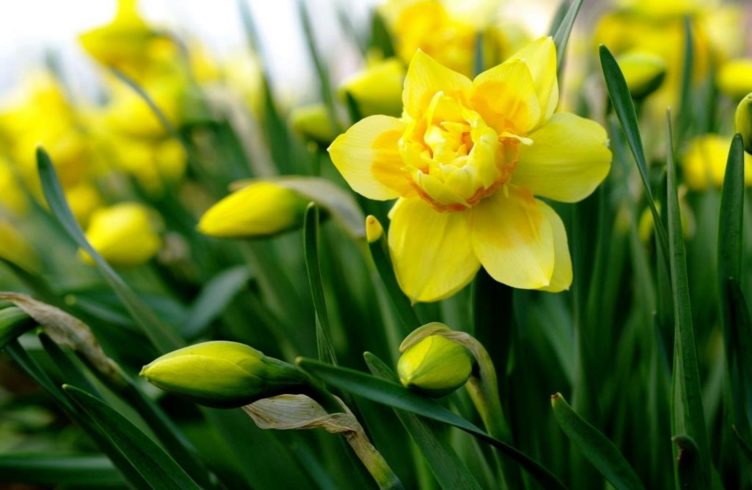
Daffodils
Flowering occurs in April–May. They are pleasantly fragrant. Different varieties grow to 25–60 cm tall. The flowers can be simple and fluffy, and the crown can be short or long.
In the wild, they thrive in areas with loose, fertile soil, without excess moisture. They grow equally well in sun and shade. As they grow, they form dense flower beds.
Peony
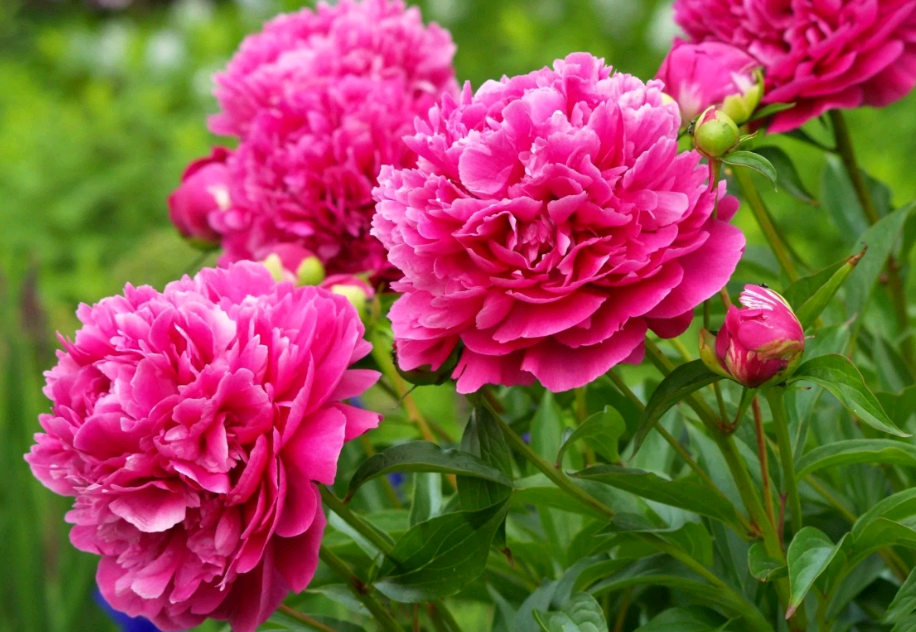
It's best to choose older, low-maintenance varieties derived from the milky-flowered peony. Modern varieties often require increased attention.
It blooms at the turn of spring and summer, maintaining its decorative appearance after flowering. It tolerates full sun and partial shade well. After a few hours of morning sun, it can bloom in the shade.
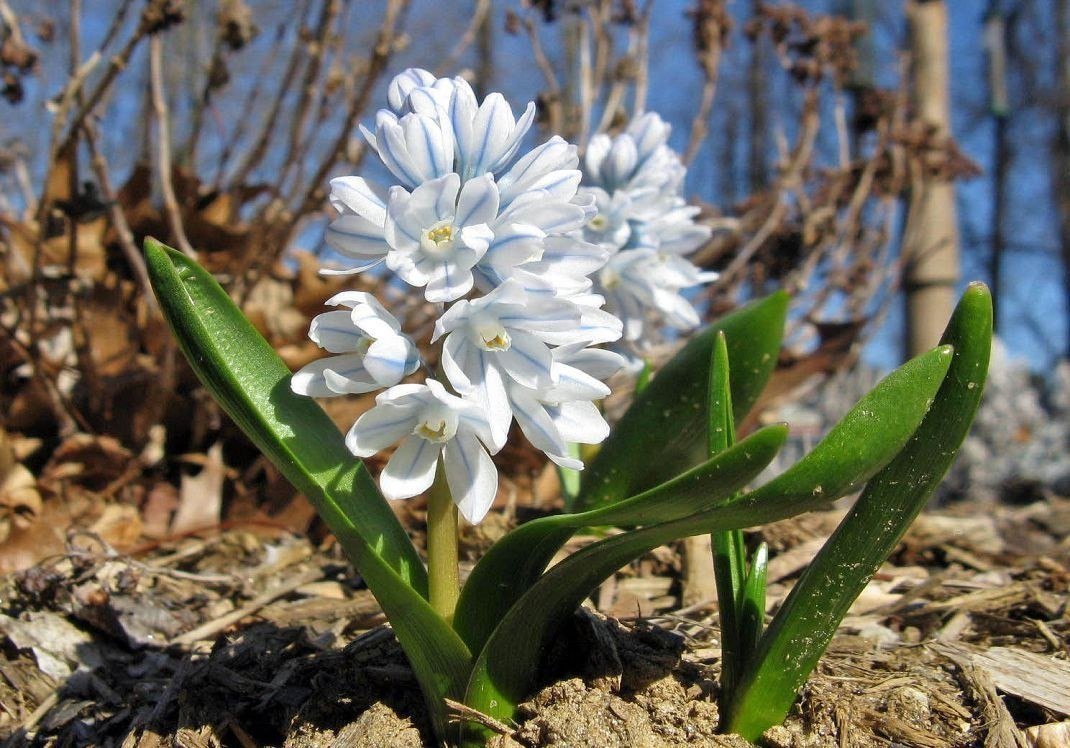
Pushkinia
Green stems are covered in blue, white, and blue flowers. Blooming lasts from April to May. It grows up to 20 cm. The plant loves the sun but tolerates light partial shade. Recommended for planting near:
- primroses;
- daffodils;
- dicentras.
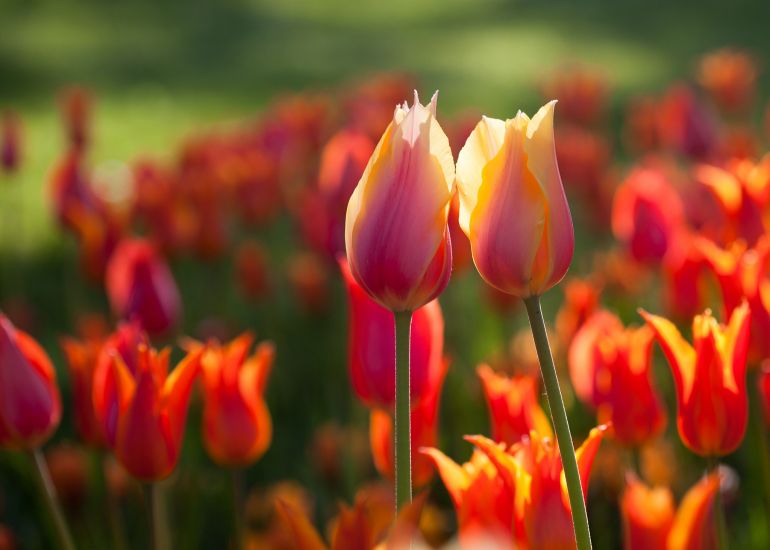
Tulips
One of the most common garden plants. Numerous varieties (there are thousands) are easy to grow and vary greatly in appearance. Hybrids also exist with different flowering times, so careful selection is required. Heights vary from 10 to 50 cm.
Bulbs require a sunny location with fertile soil for planting. Periodic watering is discontinued in the summer, allowing the roots to rest. Their response to frost varies:
- For the southern regions there are dense fluffy and lily-like species.
- The varieties Greig, Gesner and Foster are suitable for the north.
- There are low-growing frost-resistant varieties suitable for any climate.
-
- Tulip
-
- Pushkinia
-
- Peony
Summer flowers for the dacha
Perennials are long-blooming plants that adorn the garden for many seasons. Let's look at some popular summer flower varieties.
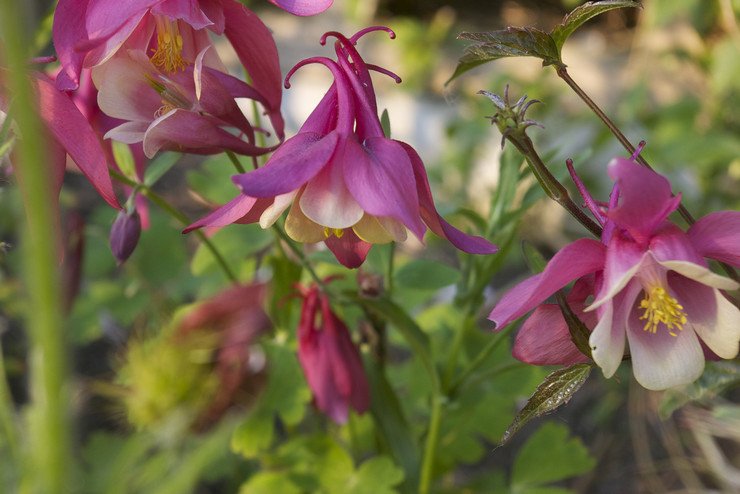
Aquilegia
Because of its moisture-loving nature, it's also known as a "water-collecting plant." Even cultivars aren't particularly demanding, and species plants require virtually no care. Rainfall is usually sufficient, but if water is scarce, its strong roots can find water deep within. Columbine thrives in both shade and open spaces. It prefers light, well-drained soil.
Flowering season: May–September, nonstop. Bell-shaped inflorescences, tall, upright stems. The plant retains its charm after flowering, with autumn foliage turning purple and lilac. Different varieties grow to 30–80 cm.
Arabis
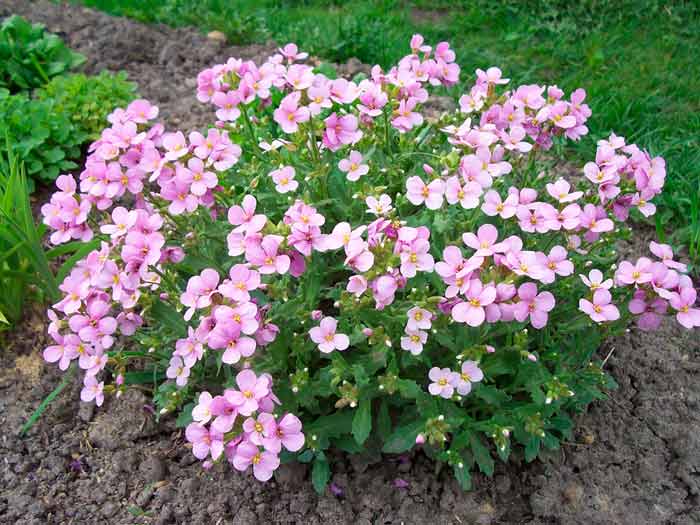
Blooms from spring until late autumn. A groundcover, creeping plant, it grows up to 40 cm. After planting, it forms dense, cushion-like inflorescences adorned with tassels of miniature white, pink, or purple flowers. Pruning prolongs flowering while maintaining the planting's geometric shape. Recommended for planting in open areas with light soils.
Astilbe
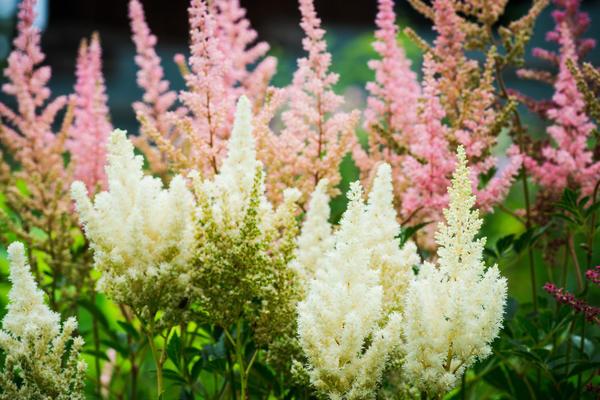
It grows from 40 cm to 1.2 m. The panicle-like inflorescences can be red, purple, white, or pink. The plants have serrated foliage. Timely pruning of faded flowers is required. The plant requires periodic watering. Before winter, the bushes are covered with spruce branches.
Perennial cornflower
Meadow plants beloved by gardeners. They bloom from June to September. The stems are covered with bright green foliage, forming spectacular flowerbeds ranging from 40 cm to a meter in height.
They thrive in full sun and partial shade in any soil and are easily planted alongside other crops. Cultivated hybrids with flowers of various colors are available.
Loosestrife
A creeping perennial with bright yellow flowers and picturesque green foliage. Different varieties easily adapt to different conditions, growing to heights ranging from 20 to 80 cm. Lysimachia nummularia (meadow loosestrife) thrives in shade and partial shade—its elongated, recumbent stems are covered with round, coin-like leaves. It is planted near bodies of water with plenty of moisture.
All varieties are unpretentious, frost-resistant, and pest-resistant.
Turkish carnation
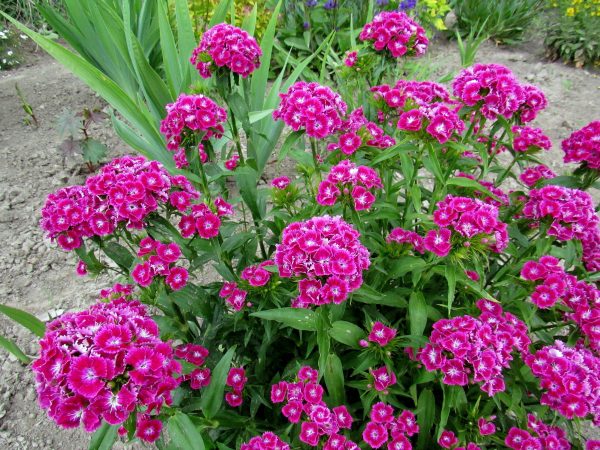
Blooms from June to September. Small, serrated petals form a dense, multicolored cap, enlivening the garden with shades ranging from white to vibrant purple. Heights for different hybrids range from 30 to 70 cm. It reproduces by self-seeding. Recommended for planting in open areas or in the partial shade of deciduous stands.
-
- Turkish carnation
-
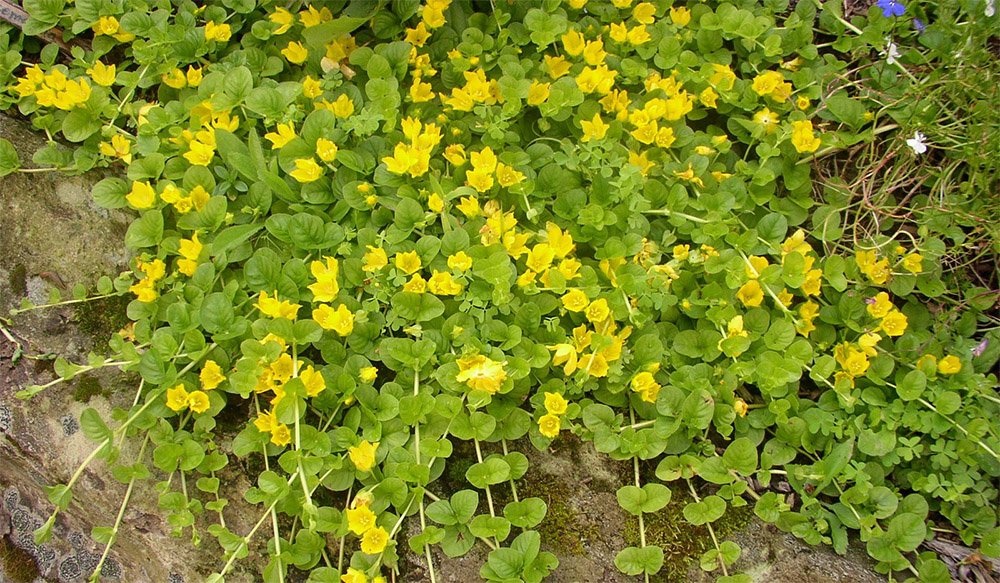
- Loosestrife
-
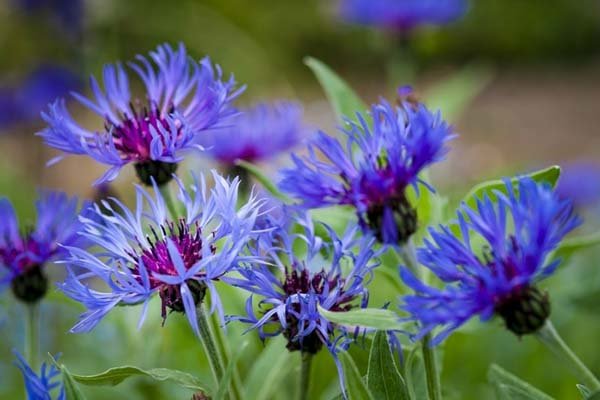
- Perennial cornflower
Geranium
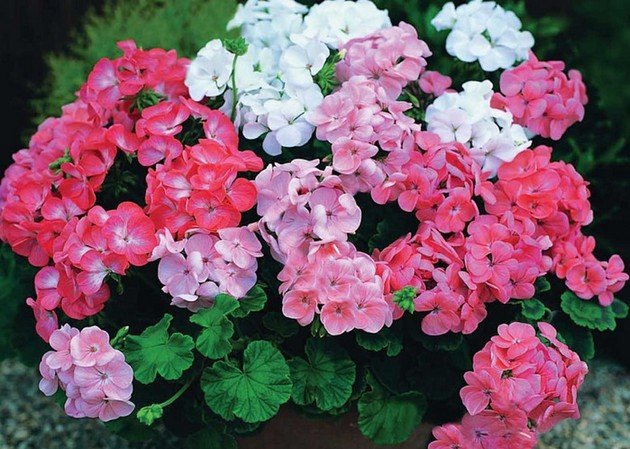
A groundcover species, it grows from 15 cm to 1 m. Blooming season: May–August, it maintains its decorative appearance with golden, orange, and purple foliage until autumn; some varieties even last until the first snow. Inflorescences come in white, pink, purple, and red. The flowers are short-lived, but new ones are produced daily. Geraniums prefer light and moist soil. They are drought-tolerant.
There are sun-loving and shade-loving geranium species. Take this into account when choosing a plant.
Doronicum
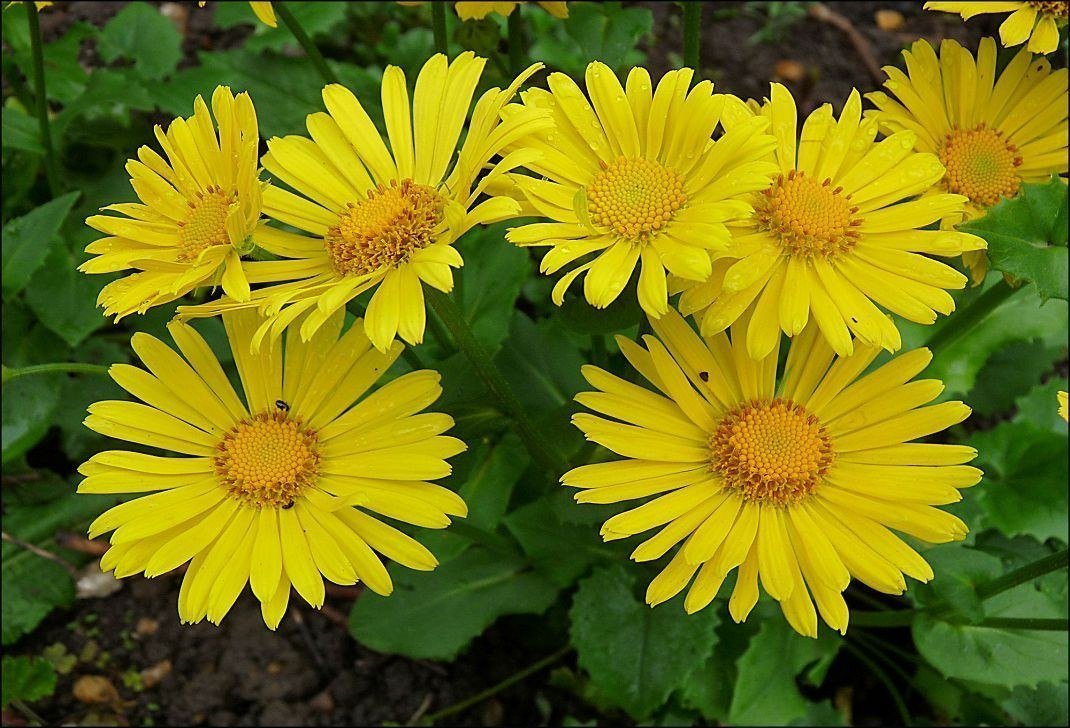
A picturesque plant with massive yellow flowers in daisy-like heads. The flowers are supported by erect stems, either bare or covered with light green leaves, 25–85 cm tall. They are planted in full sun or partial shade. They love moisture and require mulching.
They bloom in late spring, and the foliage fades as the spring progresses. This creates a gap in the flowerbed that can be camouflaged with ferns, chamomile, and columbine bushes.
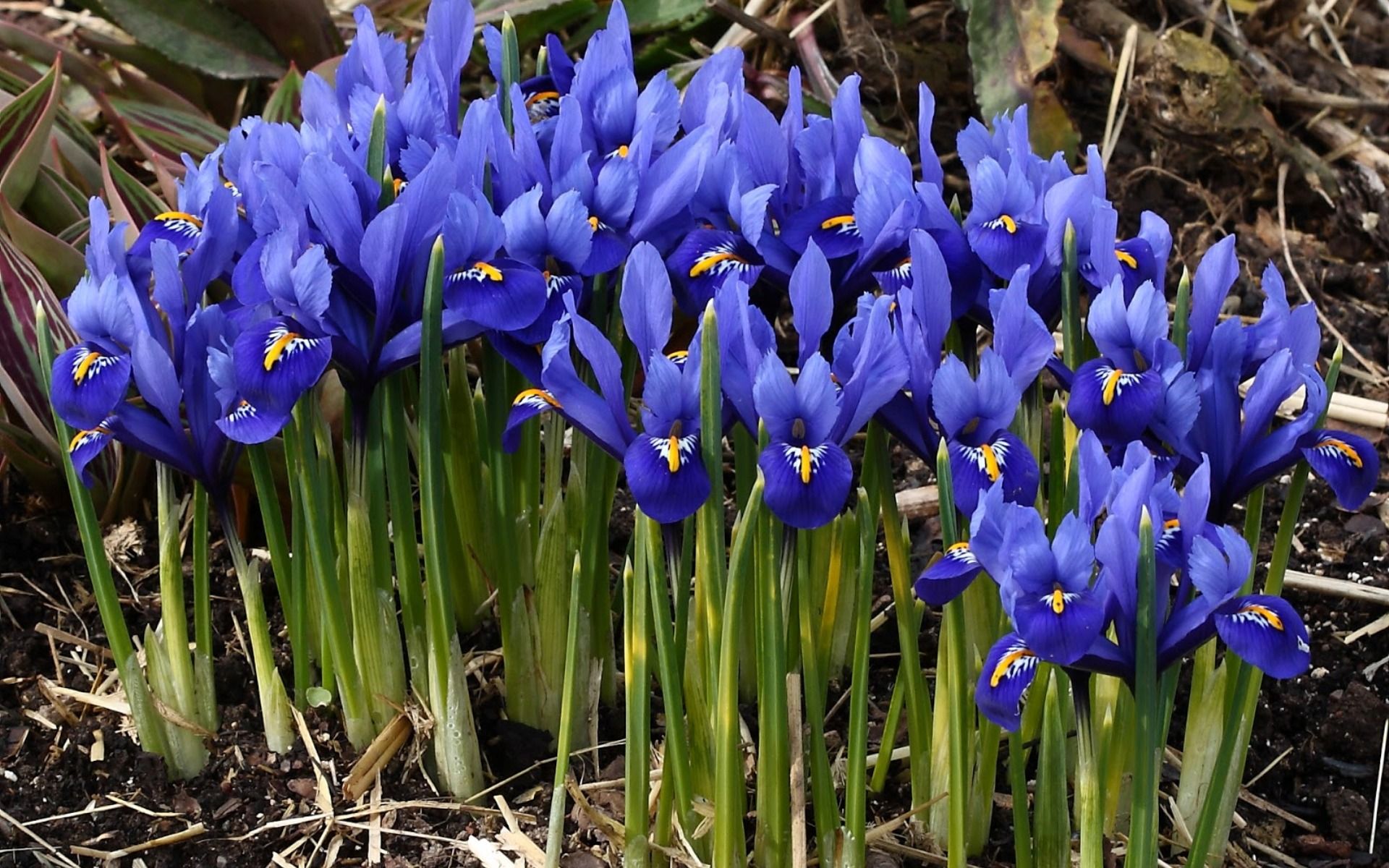
Irises
There are many varieties. Some are moisture-loving and some are drought-tolerant. Flowers appear in late spring, and after a long bloom, they fall off by mid-summer. Iris varieties vary in color, shape, and habitat. Height: 40–80 cm.
The foliage of most species is pointed, resembling a sword. It grows in dense clusters. The corollas open for about a day, with new ones appearing daily. Choose sunny or shaded areas with light, loose soil for planting. Keep in mind that dwarf iris varieties bloom in spring, while taller varieties bloom in summer.
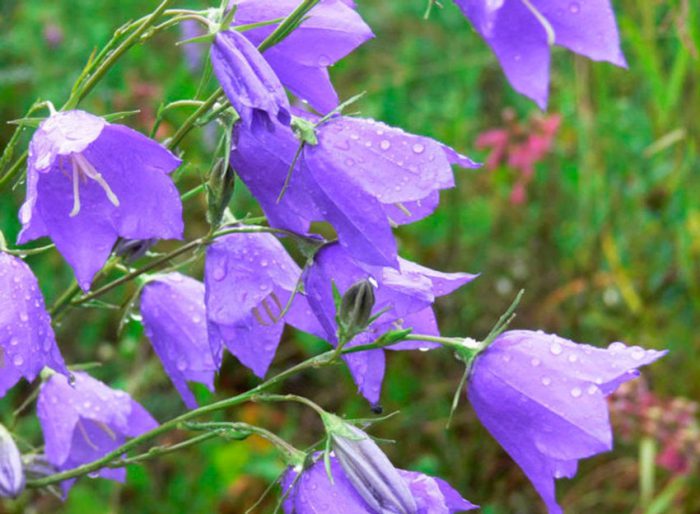
Bell
A low-growing, shade-tolerant plant. It naturally grows in forests and forest edges. It comes in various sizes. All hybrids require no winter shelter and are resistant to diseases and pests. Care is simple—sparse watering is sufficient.
Excessive moisture is harmful, as is dense soil with poor air permeability. Hybrids with single, semi-double, and pubescent petals, in a variety of colors, are available. They grow from 20 to 120 cm.
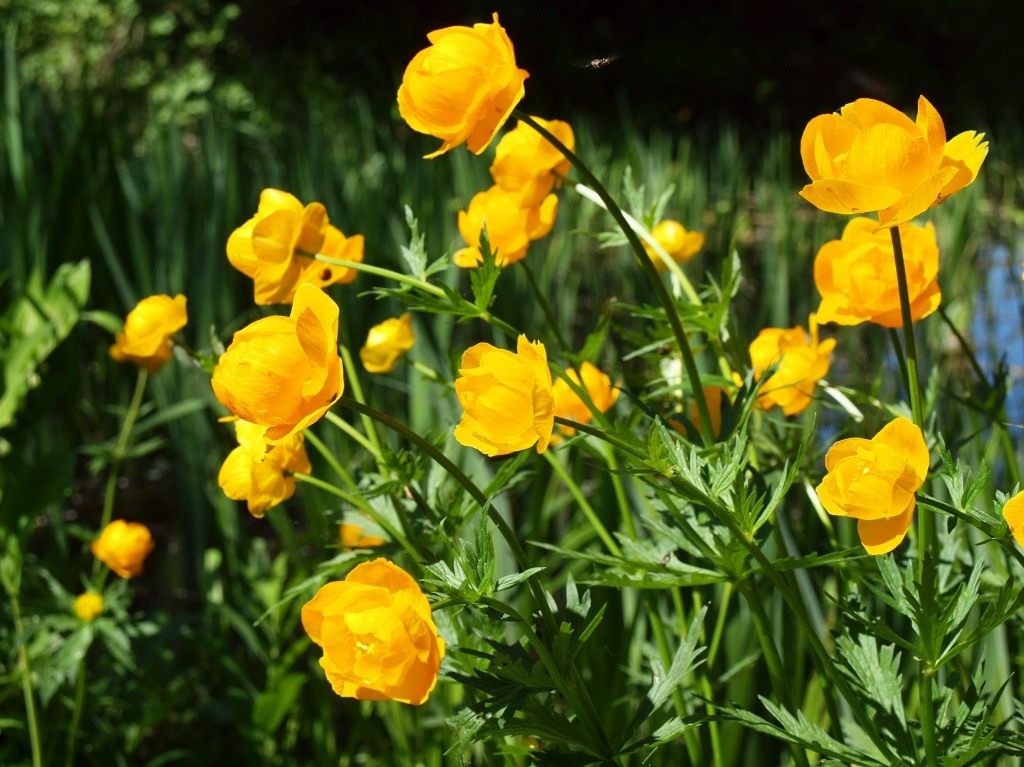
Globeflower
It loves moisture. Its flowers are yellow or orange and bloom from May to July with regular watering. Height: 60 to 80 cm. It thrives near fences and picturesque shrubs.
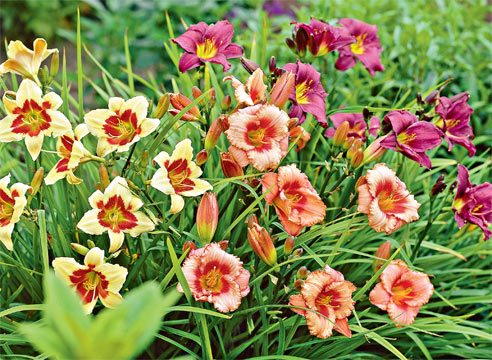
Daylilies
Sun-loving. They bloom in summer and continue to bloom for many weeks. Each inflorescence lasts only a day, but new ones appear on long stems. Withered flower stalks should be removed promptly and a light fertilizer provided. Many hybrids vary in shape and color. There are also everbearing varieties that produce flowers until frost.
-
- Daylilies
-
- Globeflower
-
- Bells
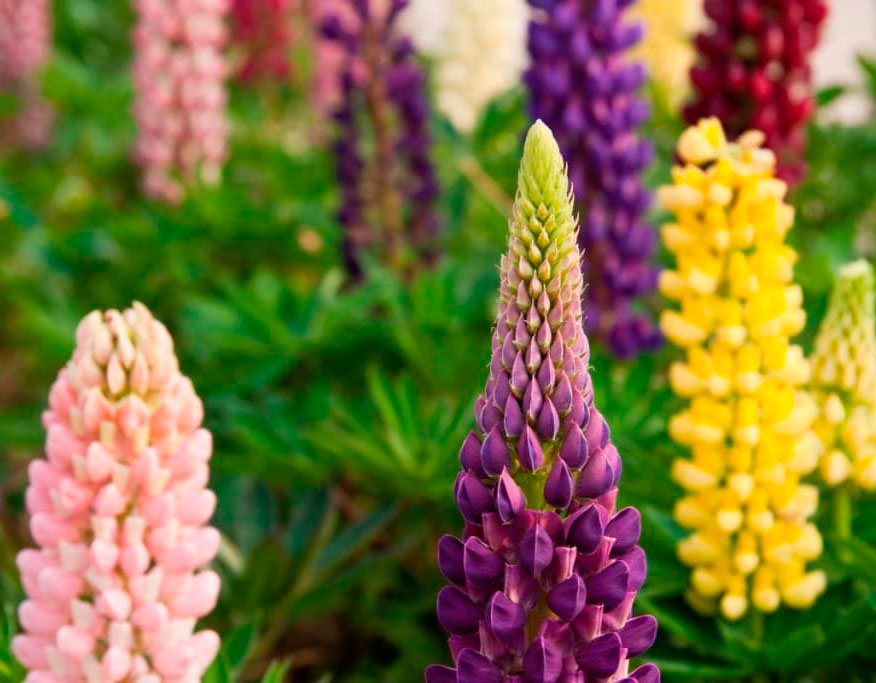
Lupine
It blooms in June and begins blooming again in early August. Its flowers are red, pink, yellow, blue, and purple. It can brighten up an entire garden. It grows up to a meter. It loves full sun and avoids overly fertilized soil. It replenishes water shortages through its powerful roots.
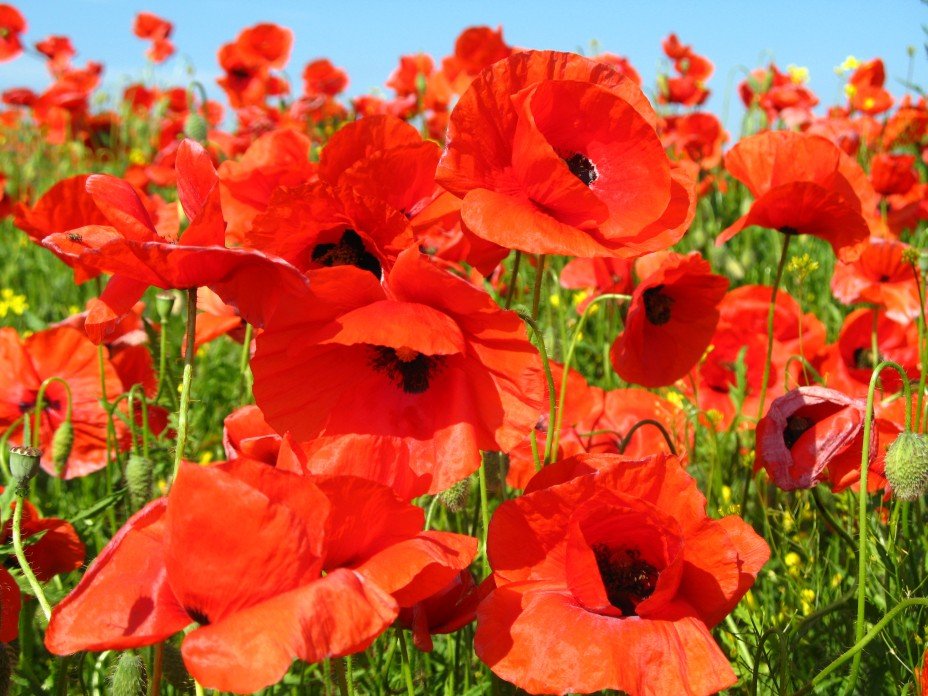
Poppy
Their blooms are as spectacular as peonies. The stem is topped with a scarlet, pink, white, or purple flower. They are cold-hardy and drought-resistant (excess moisture can be harmful). They thrive in any soil. Simply plant a poppy in your garden, and it will spread naturally from seed.
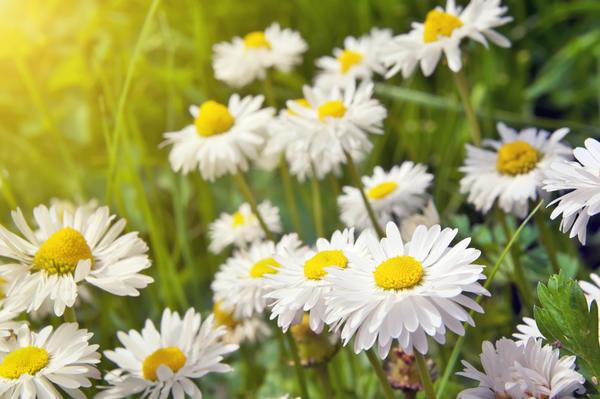
Chamomile
A plant related to daisies, but larger and more expressive. The stems are straight, ending in single or double white flower heads. It grows from 30 cm to 1 m. It prefers sunny locations and loose, fertile soil that is not too light. If water and organic matter are insufficient, it shrinks and wilts. It can self-seed, taking over nearby areas. To enhance its fullness, divide it periodically.
Pairs well with:
- lupine;
- poppies;
- bells.
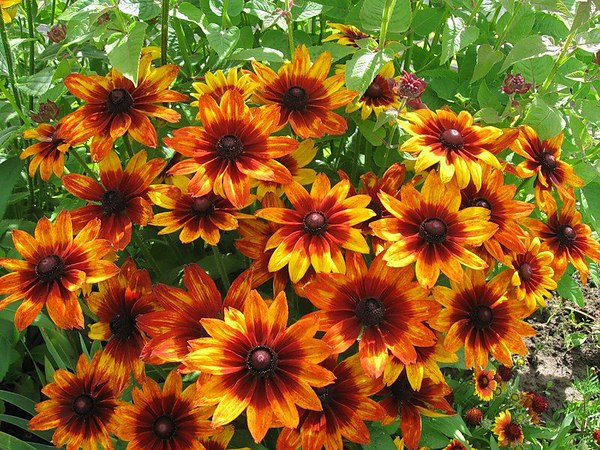
Rudbeckia
Suitable for the busiest gardeners. It requires little maintenance; exposure to light is sufficient. The flowers are large, yellow or pink, single or double, and come in a variety of sizes. Dwarf varieties grow up to 70 cm, while taller varieties reach 2 m. In the fall, lightly fertilize the flowers with a complete fertilizer, and in the spring, with nitrogen.
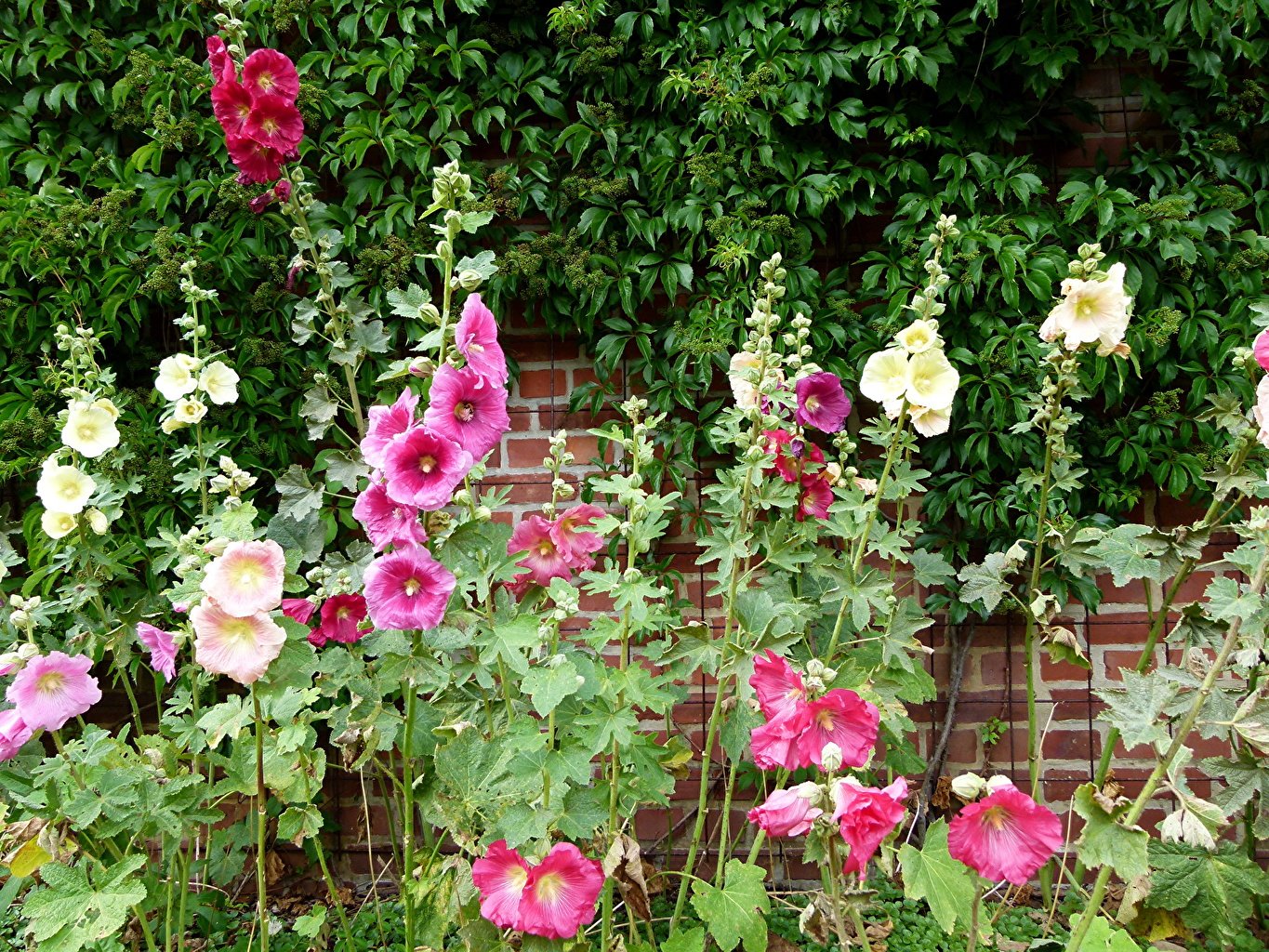
Hollyhock
Drought-resistant. Hollyhocks have picturesque foliage, with inflorescences gathered in clusters. They grow up to 2 meters. Hollyhocks can be used to form a living wall or the centerpiece of a garden bed. Varieties with single and double petals in a variety of colors are available. They are used to decorate hedges and walls.
The plant requires light, well-drained soil. It reproduces by self-seeding. It is difficult to transplant due to its complex root system. Damage to these roots can cause the plant to wither.
Compatible with:
- phloxes;
- bells;
- decorative onions;
- cornflowers;
- willow-leaved sunflower.
-
- Hollyhock
-
- Rudbeckia
-
- Chamomile
Unpretentious autumn flowers
As summer fades, garden crops begin to fade, losing their colors. However, choosing the right plants can prolong their natural beauty.
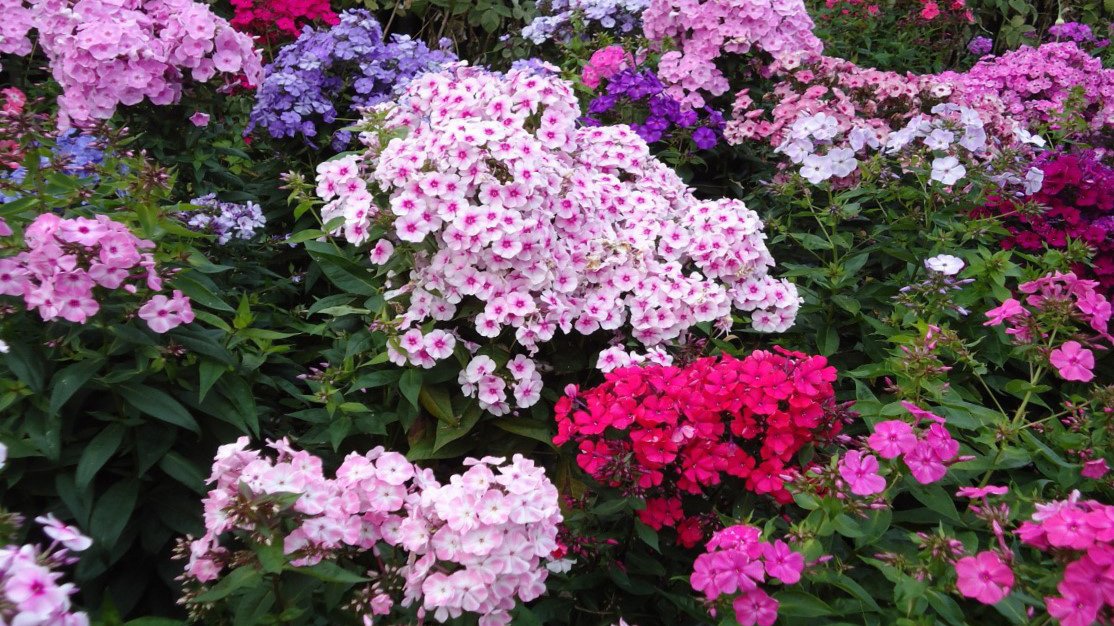
Phloxes
This plant is characterized by long, abundant flowering. It thrives in sun and partial shade, with abundant watering and drought. In most areas, it requires no winter protection.
Phlox form green bushes in spring, blooming from July to October. There are creeping, bushy, and semi-decrepit varieties, with stem heights ranging from 25 cm to 1.5 m.
Perennial asters
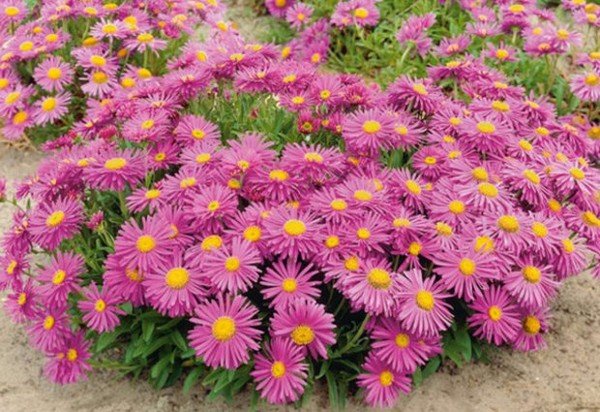
These are recognized flowerbed favorites. They bloom from August until the first snow. Flowers come in blue, white, pink, and purple. There are over 200 varieties. For example:
- Alpine aster is low-growing, with inflorescences in the form of baskets similar to chamomile;
- Italian aster is a herbaceous, leafy shrub covered with small flowers.
Height from 25 cm to 1.5 m. Flowers are single and double. They tolerate excess light and drought.
Applications in garden design
Cultivated varieties of outdoor periwinkle are used in flowerbeds to create vibrant greenery, adorned with splashes of blue, white, pink, and purple.
Dicentra is suitable for flowerbeds where companion plants include primroses and daffodils, ferns, etc.
The variegated colors of crocuses adorn group plantings, creating attractive areas among rocks. Variegated rock cress is used to decorate borders, rockeries, and other garden features. Astilbe is combined with conifers or as a picturesque backdrop for low-growing plantings.
Upright varieties of loosestrife are suitable for landscaping flowerbeds and rock gardens. Geraniums are suitable for landscaping areas around bushes and trees. Lupines thrive alongside ox-eye daisies, poppies, and columbine. The light flowers of ox-eye daisies harmonize beautifully with cornflowers, picturesque grasses, and onions. Tall phloxes make excellent decorations for ponds and buildings.
-
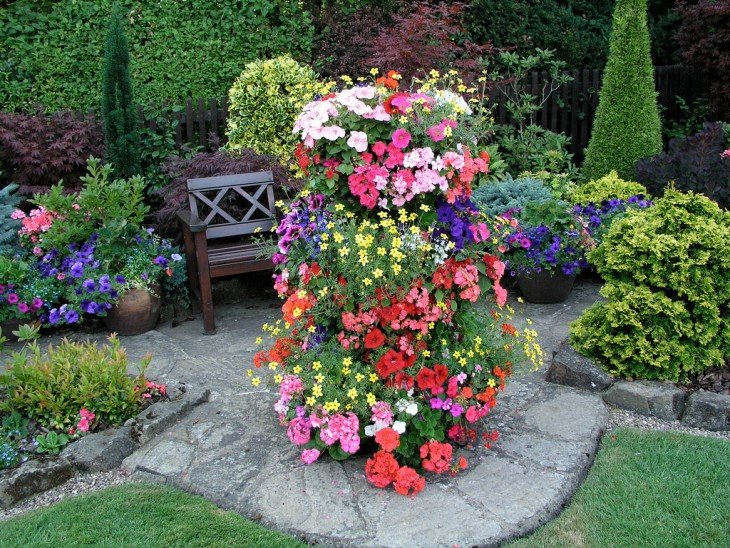
- Vertical flower bed
-
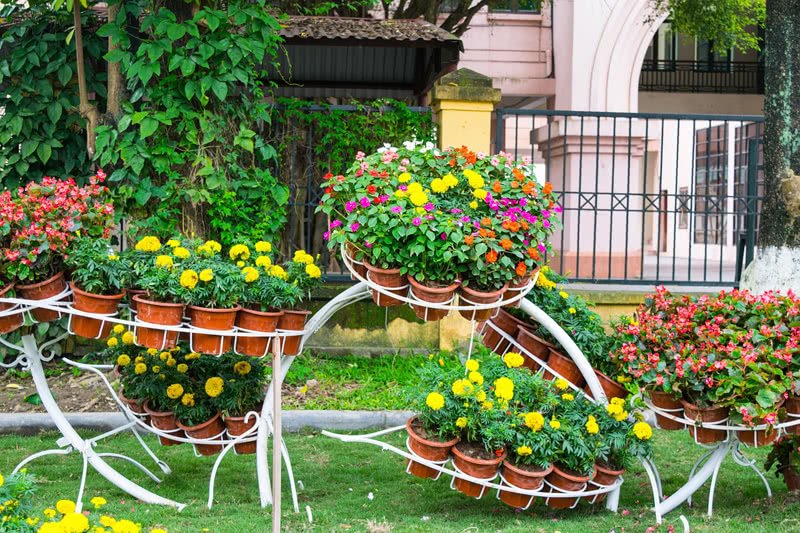
- Elements of floral decor in the garden
-
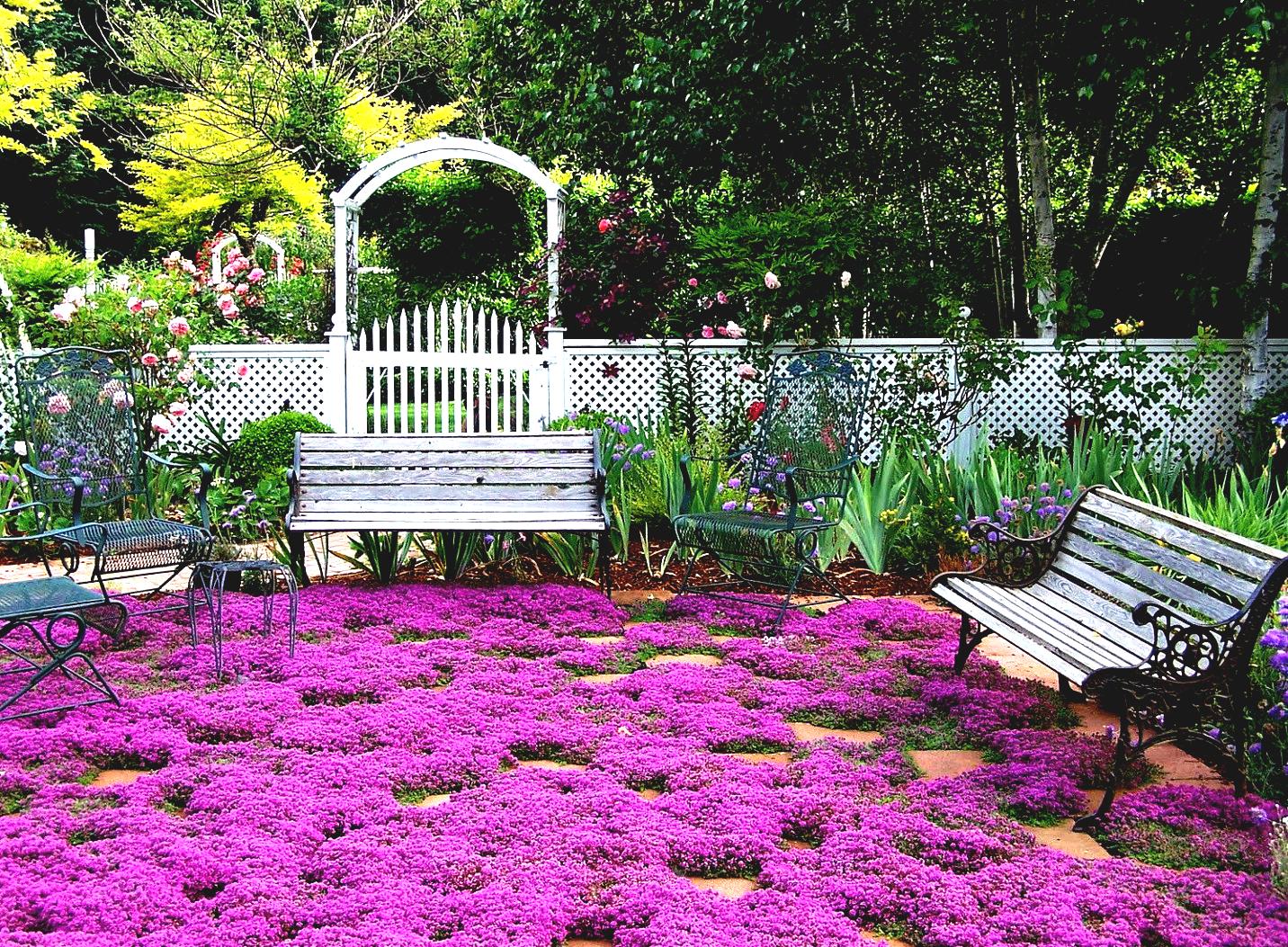
- Design of the recreation area
-
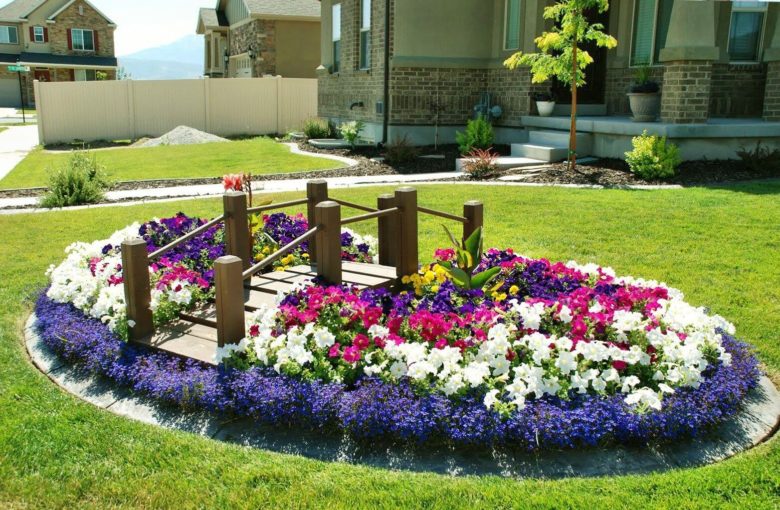
- Flower bed with decorative elements
-
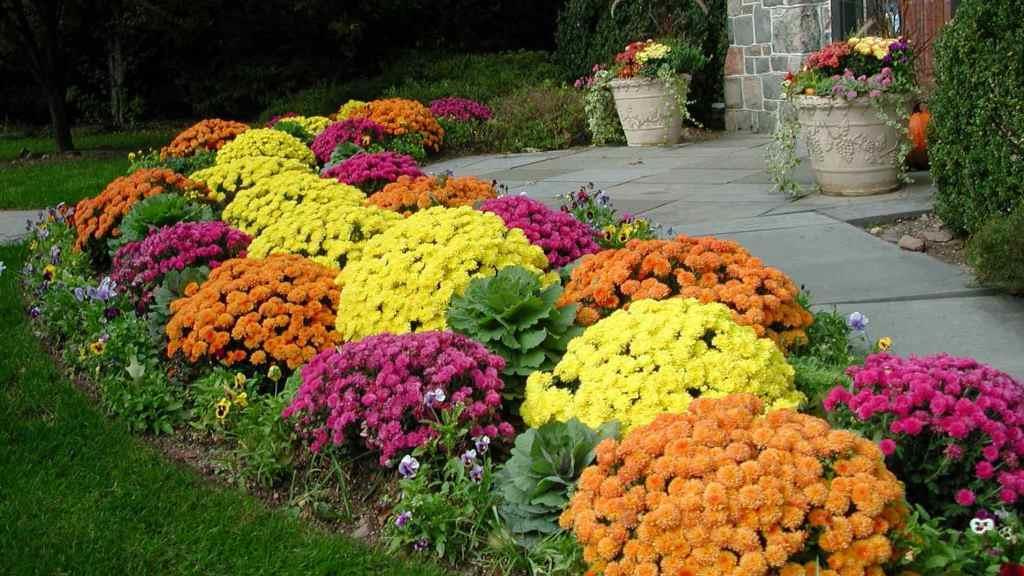
- Decorating garden paths
-
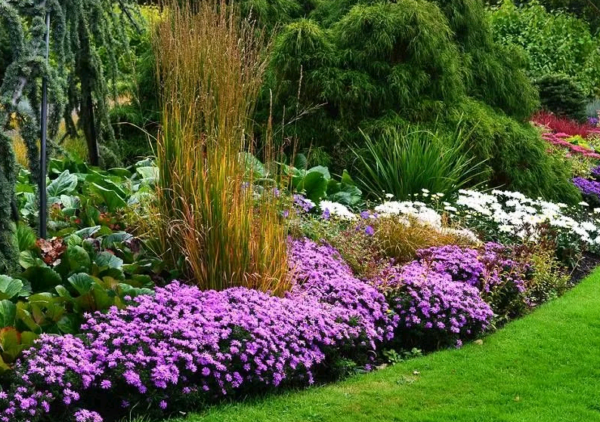
- Composite planting
Those who don't have the time or inclination to seriously cultivate flower gardens should thoroughly survey the entire site and then carefully select the appropriate assortment of perennials. This will allow you to admire the vibrant colors all season long, allowing you to truly unwind in your garden.