
The Most Beautiful Perennials That Bloom All Summer: 25 Plants with Photos
Content
Benefits of Perennial Flowering Plants
The main advantages of perennial flowers include:
- Financial benefits, as there's no need to spend money on new seeds or seedlings every year. Perennials can provide the gardener with their own planting material.
- The plants will germinate at the right time for them, so there is no need to calculate the best days for planting.
- The flowering period is longer than that of annuals.
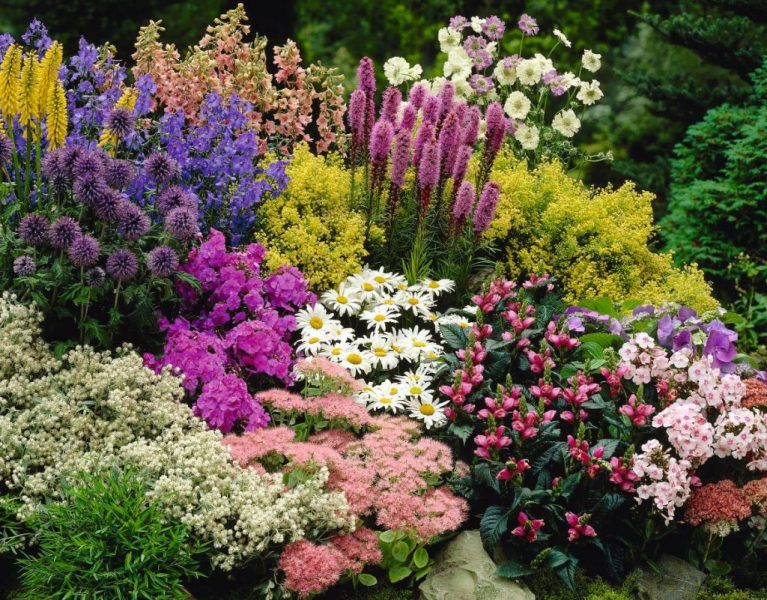
Video: "Unpretentious Flowering Perennials"
This video features the most interesting and beautiful perennials that bloom all summer long.
Tall perennial flowers
The flower market is rich in tall perennials that bloom all summer long. They will make a wonderful addition to any elegant garden.
Astilbe
Garden flowerbeds are often decorated with species with a long growing season. Astilbe is a favorite among this type. This tall perennial is covered in buds from June to August. Furthermore, it doesn't require complex cultivation techniques. The plant prefers shaded areas and doesn't tolerate overly dry soil.
Prolonged drought causes the death of astilbe.
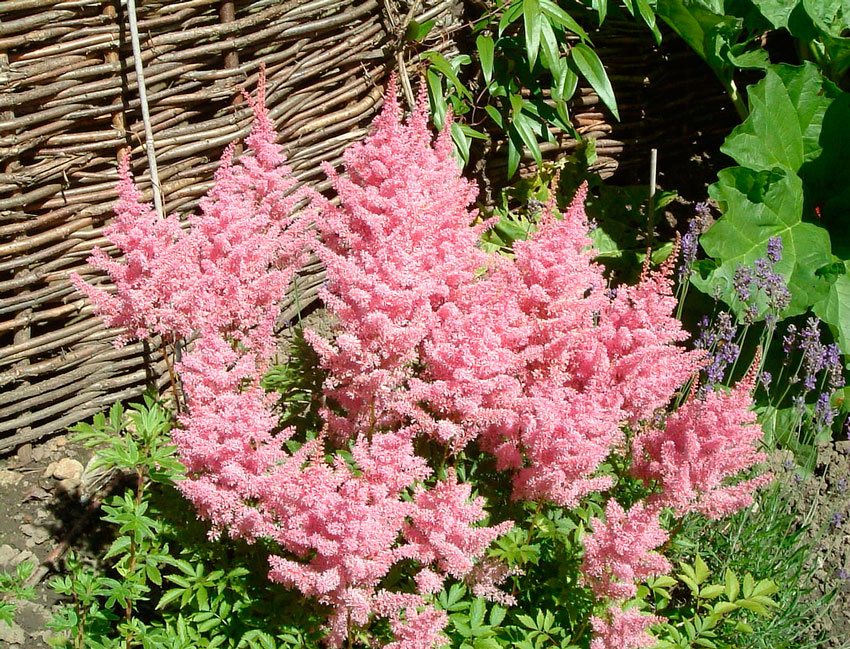
Astilbe Thunberg
This tall plant (80 cm) delights the eye with its racemose panicles from the first ten days of July until the last days of August. With proper care, namely adequate shade and abundant moisture, Astilbe thunbergii will become a true garden ornament.
Delphinium
One of the most common tall perennials, prized for its long blooms and attractive appearance, the giants of delphiniums reach up to 2 meters in height. It is popularly known as "spur" for the long spur that forms on the underside of the bud.
With proper care (including timely pruning of buds), delphiniums can produce second blooms in August-September. Therefore, with the right variety combination, you can create a flowerbed that blooms forever until autumn.
Loosestrife, or loosestrife
This perennial, low-maintenance flower reaches 1.5 meters. Its purple-red buds delight gardeners all summer long, and in autumn, the plant is adorned with crimson foliage. Plant in sunny locations and ensure regular soil moisture.
-
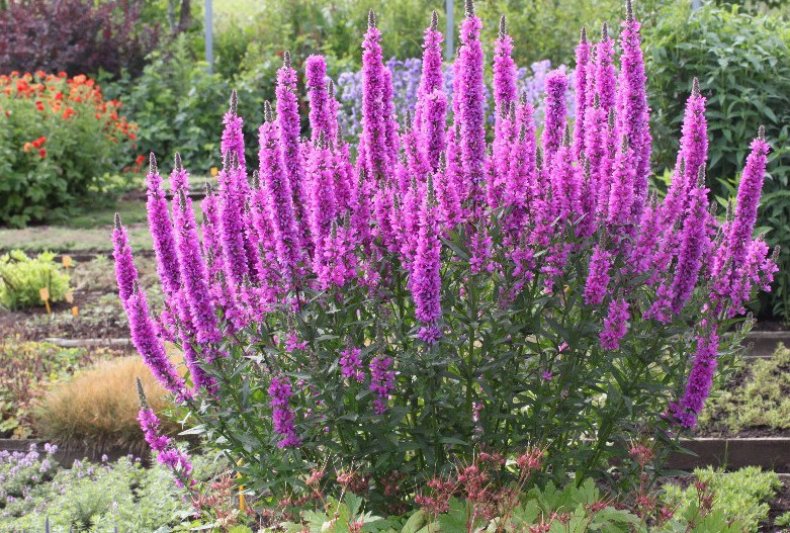
- Loosestrife, or loosestrife
-
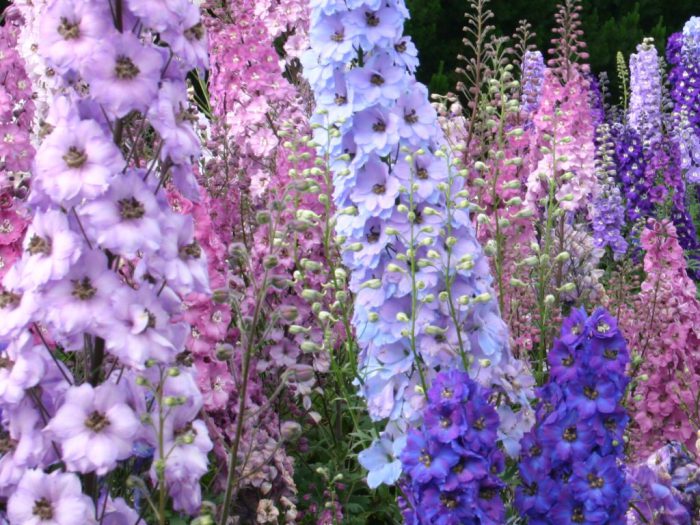
- Delphinium
-
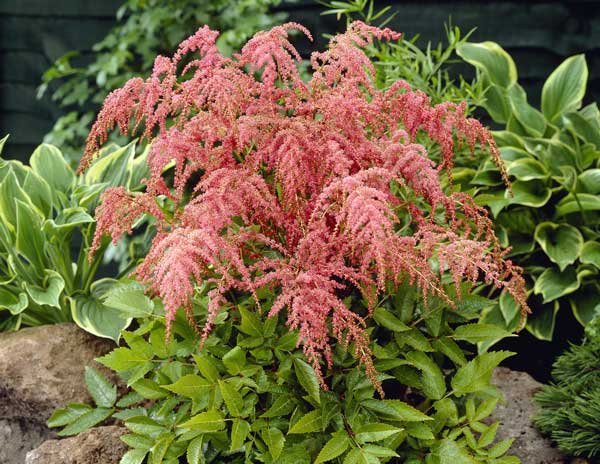
- Astilbe Thunberg
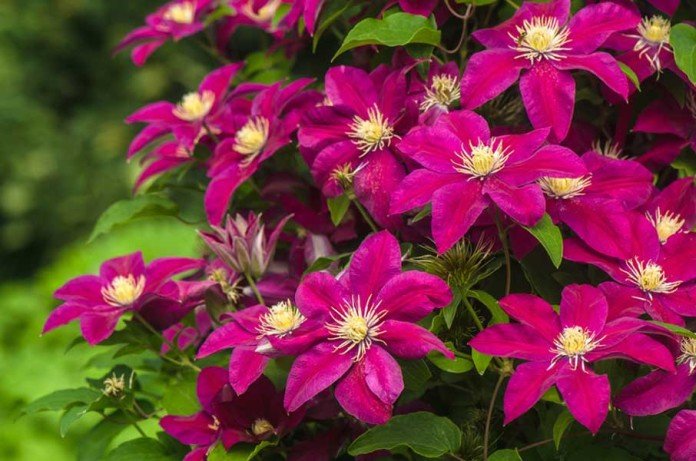
Clematis
A perennial climbing plant that will add a touch of sophistication to your garden. Thanks to the variety of cultivars, gardeners can create a colorful gazebo or arch. However, it's important to choose a lightweight, breathable support material to prevent overheating.
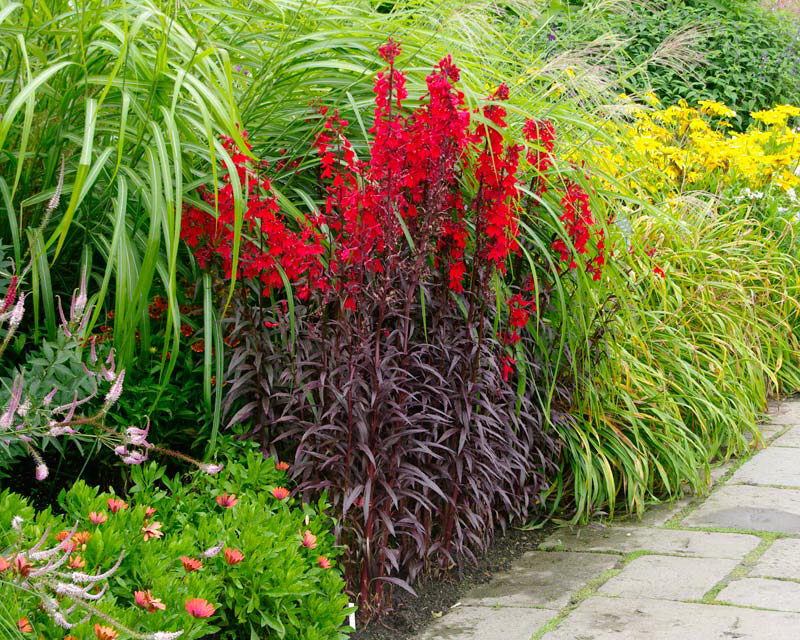
Lobelia fiery
An exquisite perennial plant that can reach 1.5 meters with proper care. It's recommended to plant seedlings in sunny or semi-shaded locations. Rich soils promote lush, exclusively foliage growth; uncongested, moderately fertile soil is preferable.
Lupine
A perennial plant found in the wild across Russia, lupines are very resilient and easy to care for. Their beautiful flowers will delight the eye for a long time, provided that dried flower stalks are promptly trimmed off.
Rudbeckia
This easy-to-grow plant will be a real discovery for the novice gardener. This perennial prefers sunny locations, where it grows up to 1.2 meters.
Rose hollyhock or mallow
The plant has several names, including mallow and althea. Depending on the species, the flowering period ranges from May to August. Frost-hardy plants thrive in sunny locations and prefer moderate watering.
-
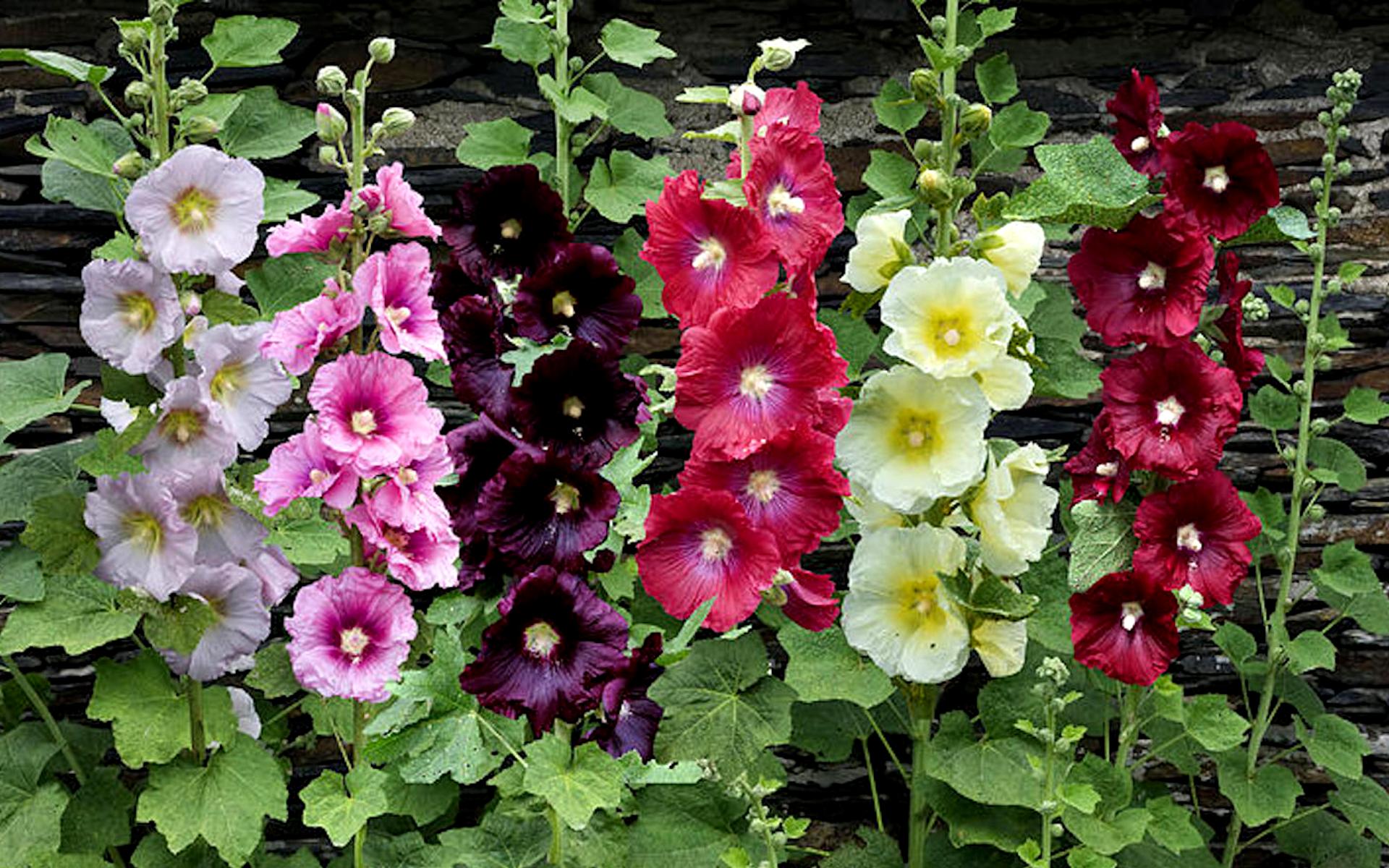
- Rose hollyhock or mallow
-
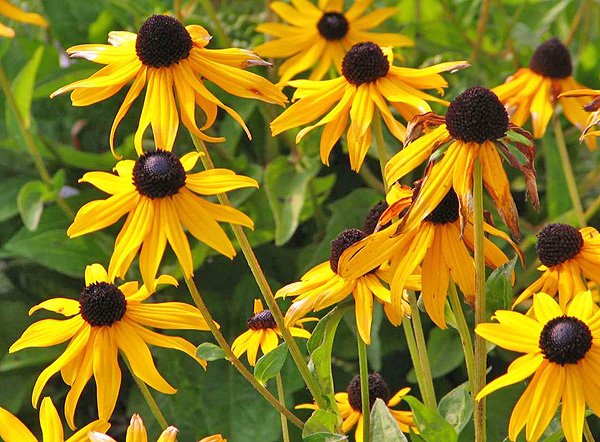
- Rudbeckia
-
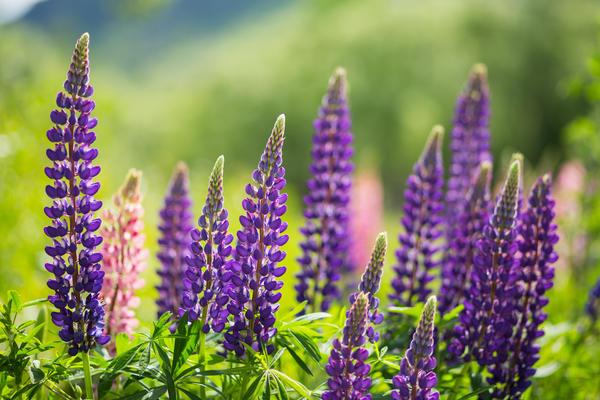
- Lupine
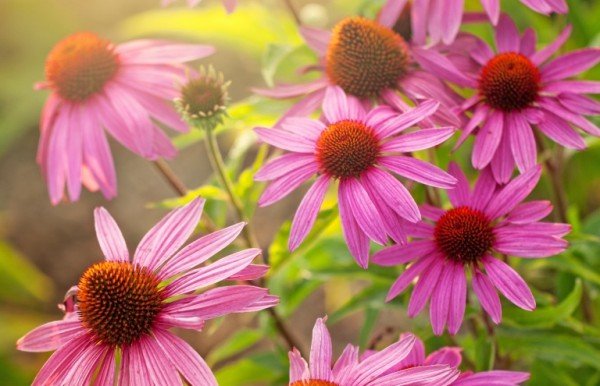
Echinacea
This medicinal plant graces the garden all summer long, and in warm autumn conditions, it blooms until the second ten days of October. Echinacea is safe for animals and children, as all its parts are toxin-free. A mature plant reaches a meter in height and produces large flowers, each 8 cm in diameter. It is recommended to plant it in sunny locations. Although drought-resistant, it responds favorably to regular watering.
Medium-sized perennials that bloom all summer
This group of plants includes representatives whose height does not exceed 30-80 cm. They are actively used in multi-level flowerbeds as a second row or in individual plantings.
Astration
An easy-to-grow perennial plant, reaching no more than 0.5 m in height. The bush thrives in both full sun and sheltered spots. However, keep in mind that shade will affect the decorative appearance of the flowers. Simultaneous bud formation allows for a continuous bloom.
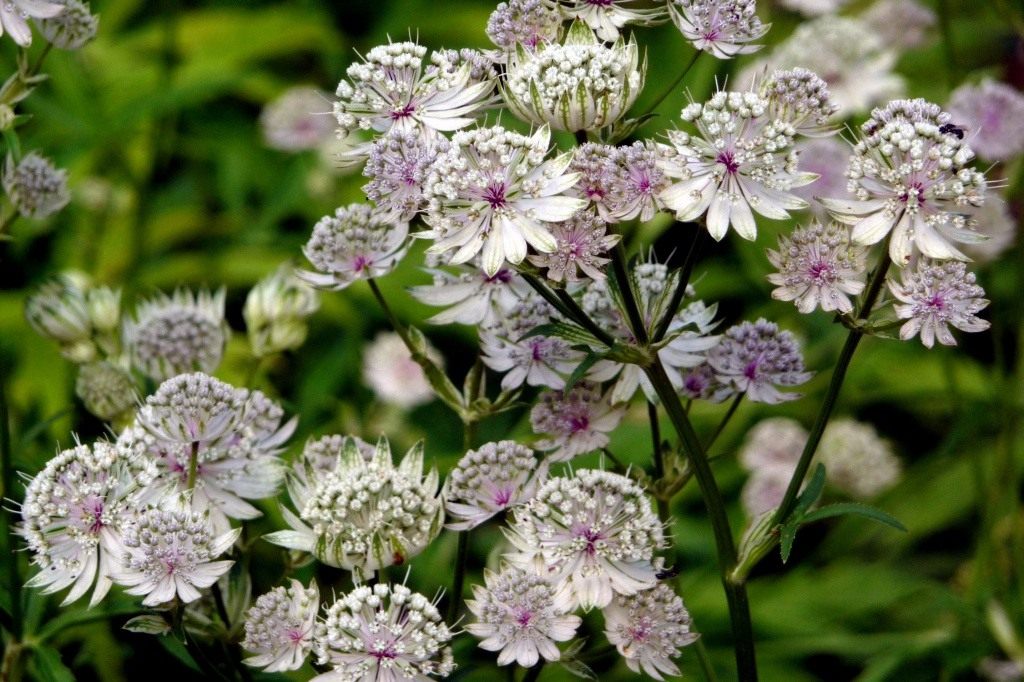
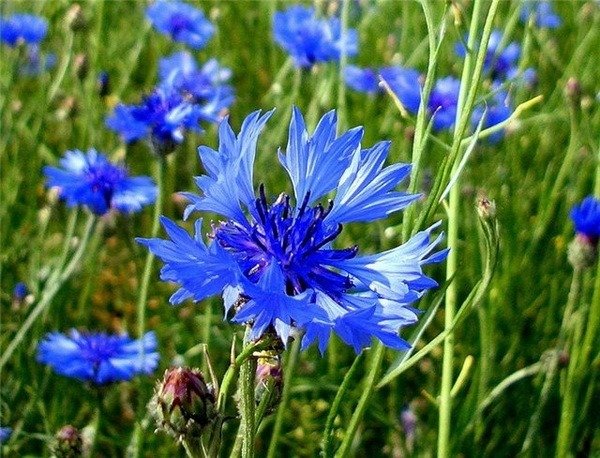
Knapweed
This wildflower has gained popularity thanks to its vibrant appearance. By purchasing seeds, you can decorate your garden with white, blue, pink, and red flowers. Blooming continues from early summer until the first frost.
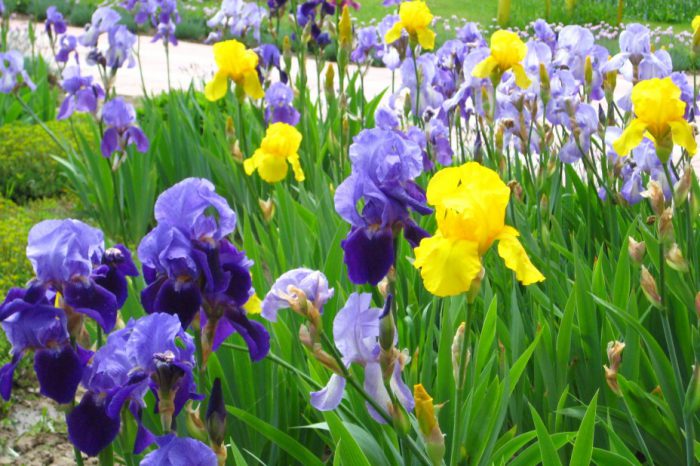
Iris
A perennial plant with a short flowering season, its average height reaches 40-70 cm. It requires little care, other than regular watering and pruning.
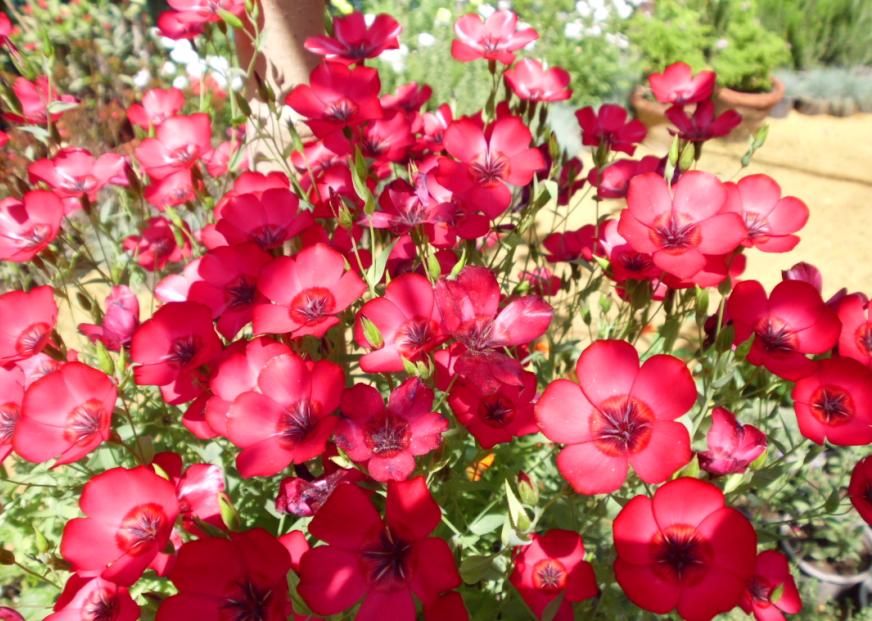
Large-flowered flax
An easy-to-grow perennial (0.5 m) that produces delicate creamy-white flowers. It blooms vigorously throughout the summer.
Day-lily
The collection includes over 25 species, including some exotic specimens. This variety, which requires regular watering and nutritious soil, reaches a height of 0.8 m.The main characteristic of daylilies is that the bud blooms for only one day, after which it fades. Varieties have been developed that bloom in the evening and die in the morning.
The cuff is soft
This perennial grows and forms lush, decorative thickets. This low shrub (50 cm) boasts corrugated foliage and delicate yellow-green flowers.
Small petal or erigeron
Small bushes covered with tiny, shaggy buds. They come in a variety of colors, including pinkish, purple, and reddish hues.
-
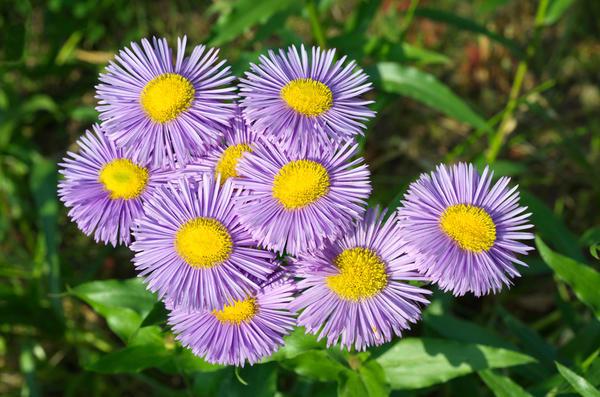
- Small petal or erigeron
-
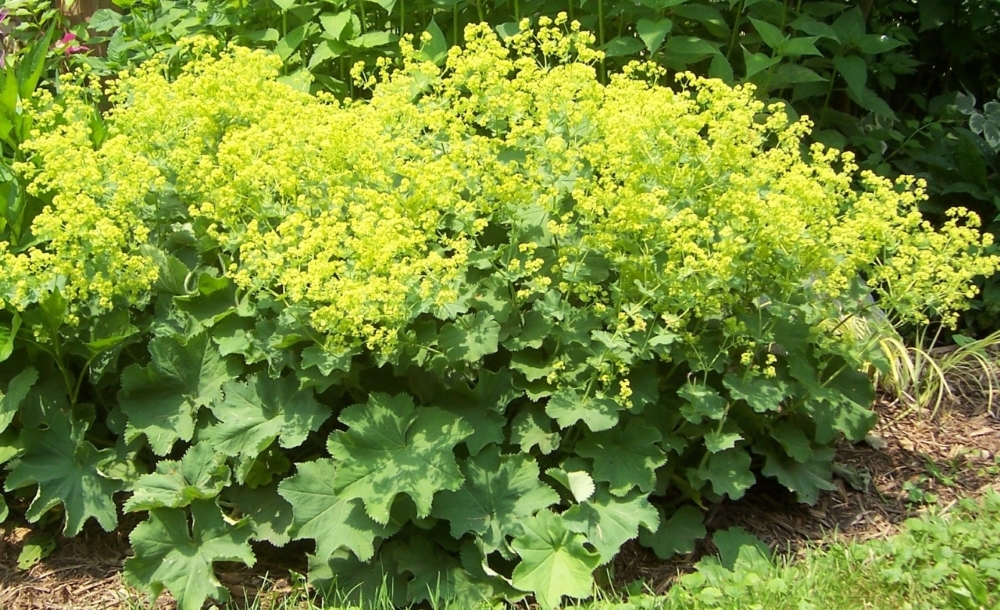
- The cuff is soft
-
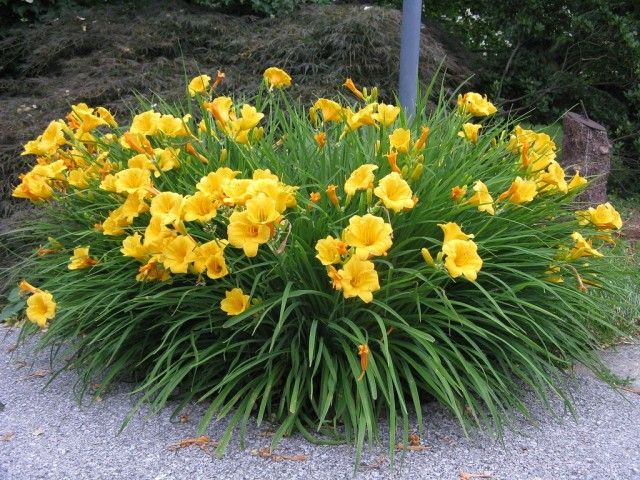
- Day-lily
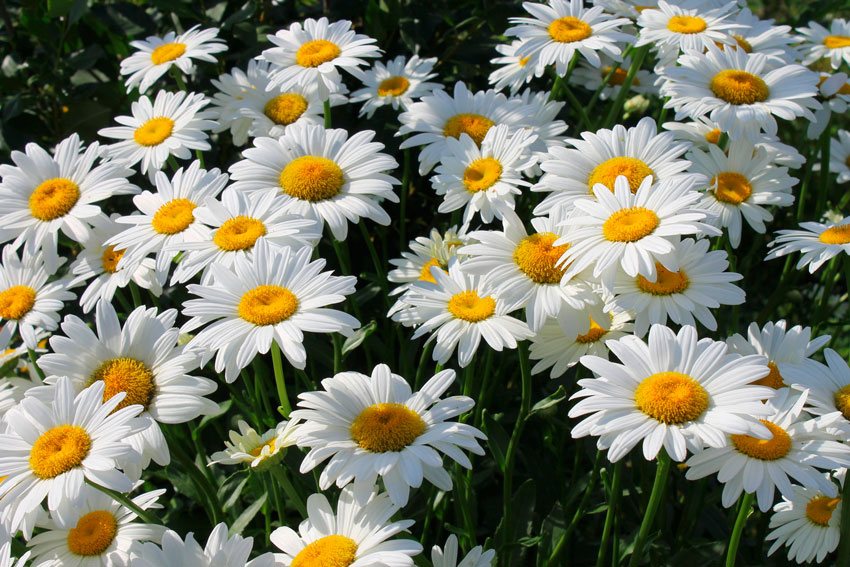
Garden chamomile
Many people confuse the classic version with the garden variety, but the latter is larger and taller (up to 1 m). It prefers sun-drenched areas and loose, fertile soil. A lack of moisture and nutrients leads to smaller blooms.
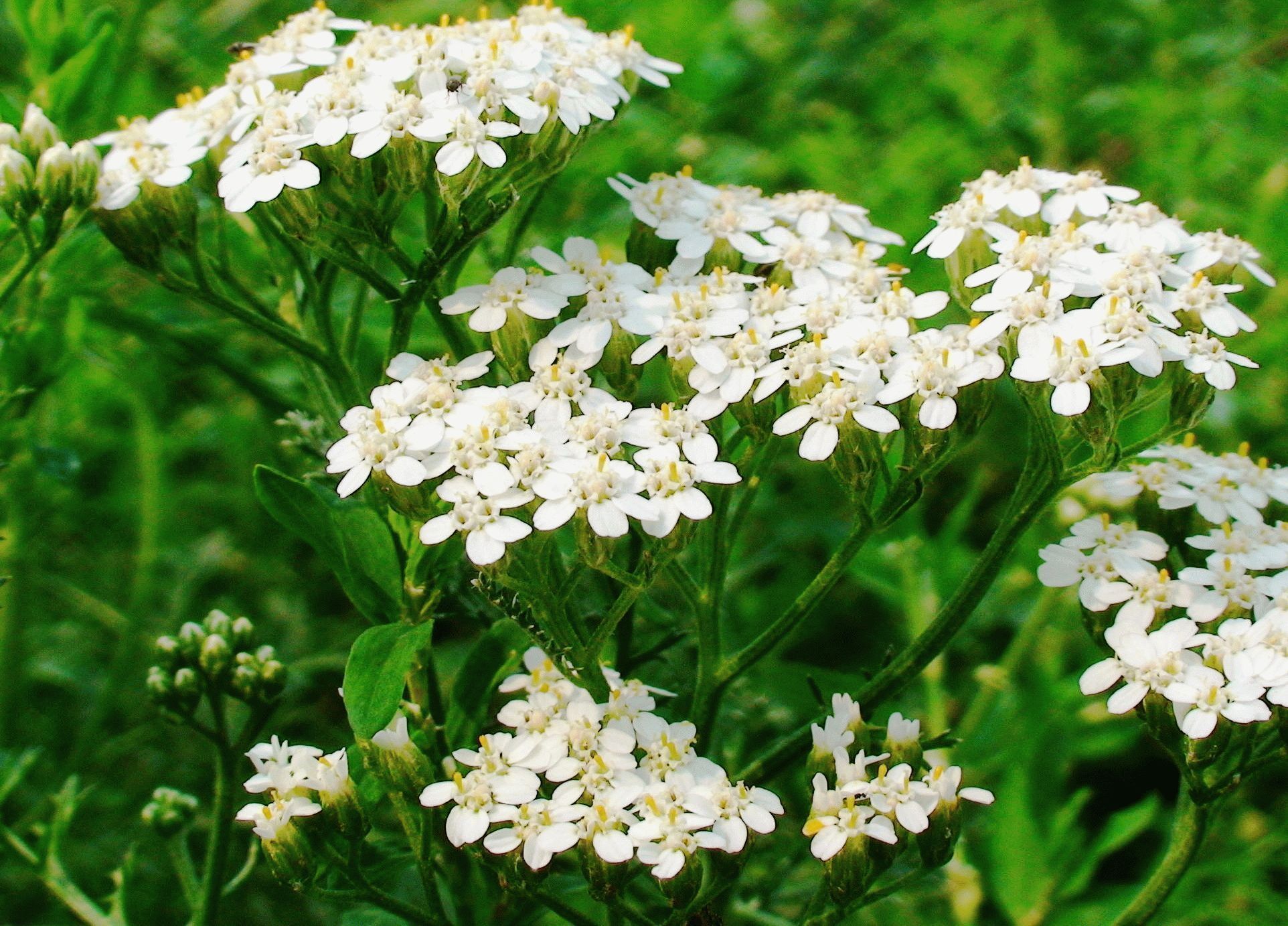
Yarrow
It forms a bush of numerous small inflorescences and leaves. It is resistant to prolonged drought, requiring watering only once every 7 days. Yarrow is best planted in open clearings or in partial shade.
Sage lush
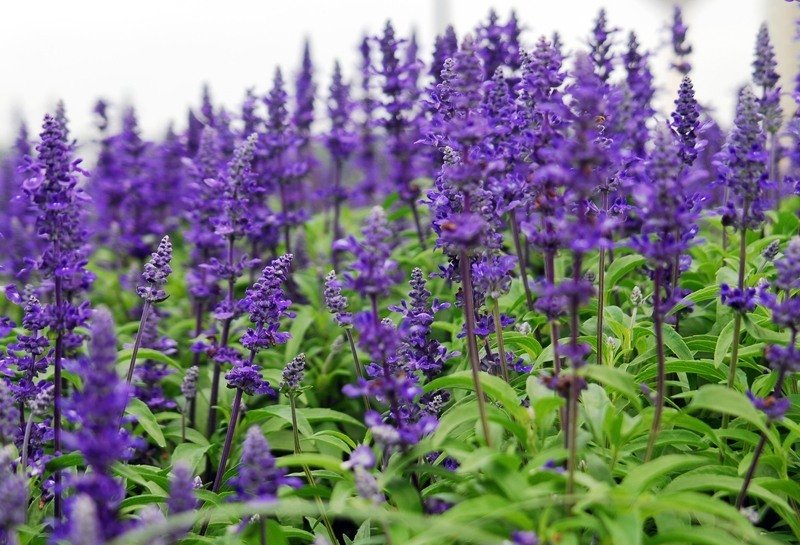
A perennial with medicinal properties, growing no taller than 40-50 cm. It delights with color in the summer months, forming spike-shaped inflorescences with lavender-purple flowers. It prefers full sun but can thrive in partial shade.
Low-growing perennial flowers
Low-growing varieties are those that don't exceed 0.3 m in height. They are considered excellent companions for taller varieties and are also suitable for edging garden decorations and paths.
Gaillardia
This low bush (50 cm) is covered in vibrant inflorescences, which are typically two-colored. Reddish, pinkish, yellowish, and orange shades are the most common. This easy-to-grow plant prefers loose, humus-rich soil. It tolerates drought and doesn't require abundant watering.
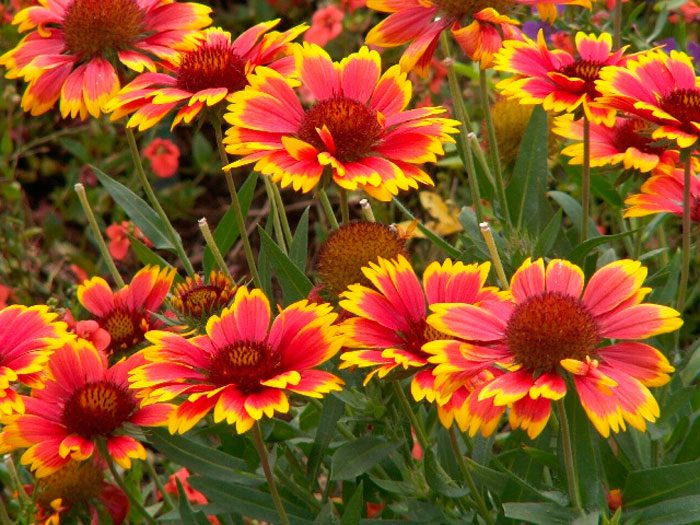
Gaillardia inflorescences are reddish, pinkish, yellowish and orange
Dianthus herbaceus
This perennial plant, no more than 15 cm tall, forms a flowering carpet. Growing in harsh wild conditions, it has developed a tolerance to any weather conditions. Its name comes from the predominance of the herbaceous part of the plant over the flower. Its blooms can be admired from May to October.
Gypsophila
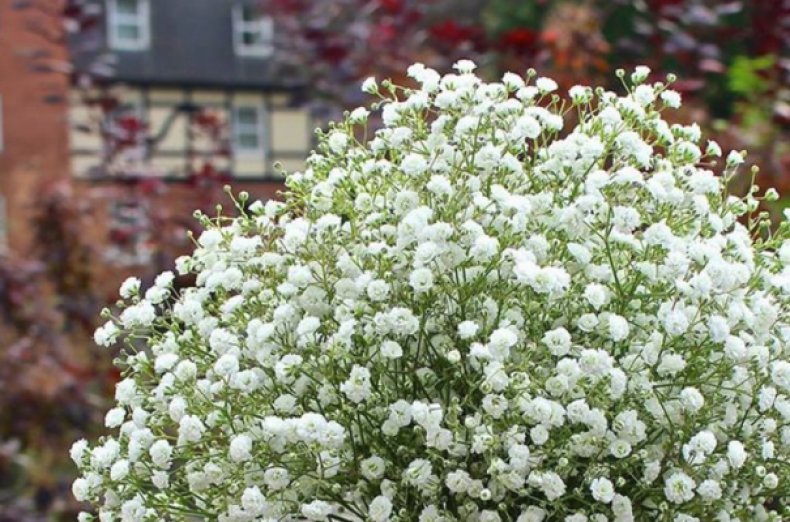
An air plant that graces wedding bouquets, dwarf gypsophila typically forms a leafless shrub covered with numerous blooms. The plant prefers rocky soil and will delight gardeners all summer long. It requires minimal care, including moderate watering and timely fertilizing.
Gentian
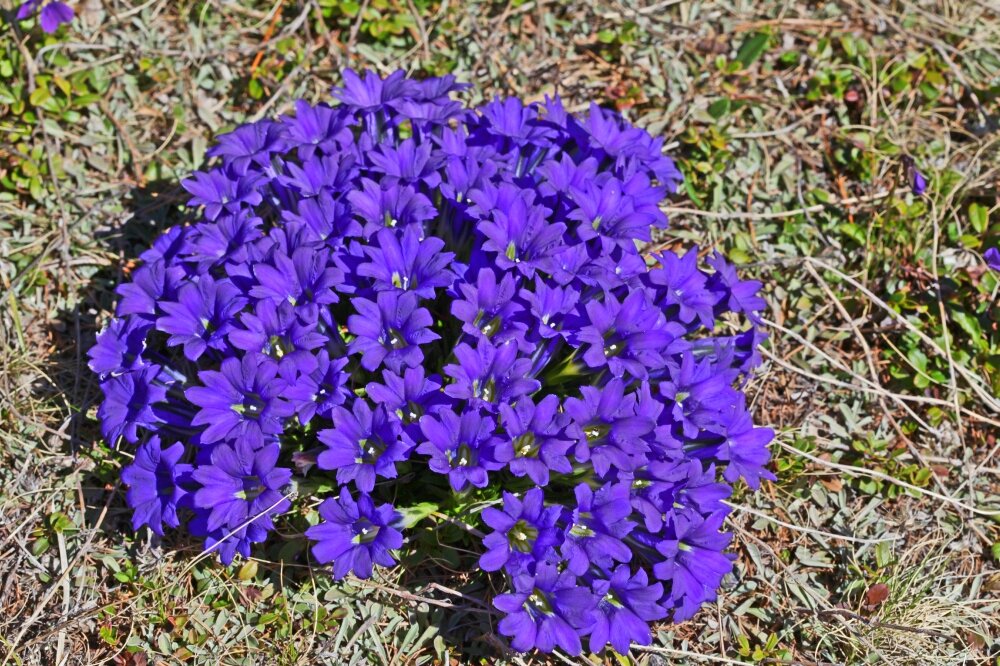
Its natural habitat includes alpine hills and high-mountain meadows, as well as the mountains of Asia and the Altai Mountains. This easy-to-grow perennial will grace the garden with sky-blue hues (May-August). Thanks to the variety's diversity, the color palette also includes purple and pale blue buds.
-
- Gentian
-
- Gypsophila
-
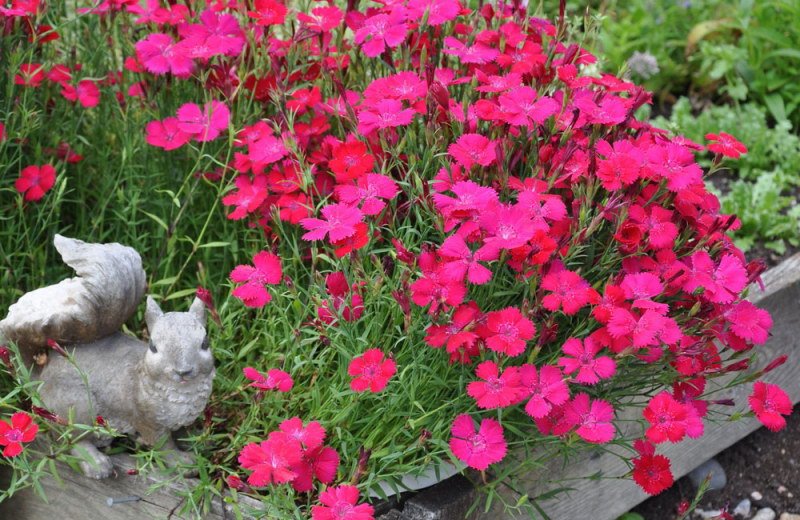
- Dianthus herbaceus
Low-growing English roses
These undemanding, low-growing plants (30 cm) are easy to grow, making them suitable for even the most novice gardener. This variety is free of most of the shortcomings associated with its other relatives. These frost-hardy plants easily adapt to shade and have an alluring fragrance. The bush produces buds in the second ten days of June, with repeat blooms beginning in August.
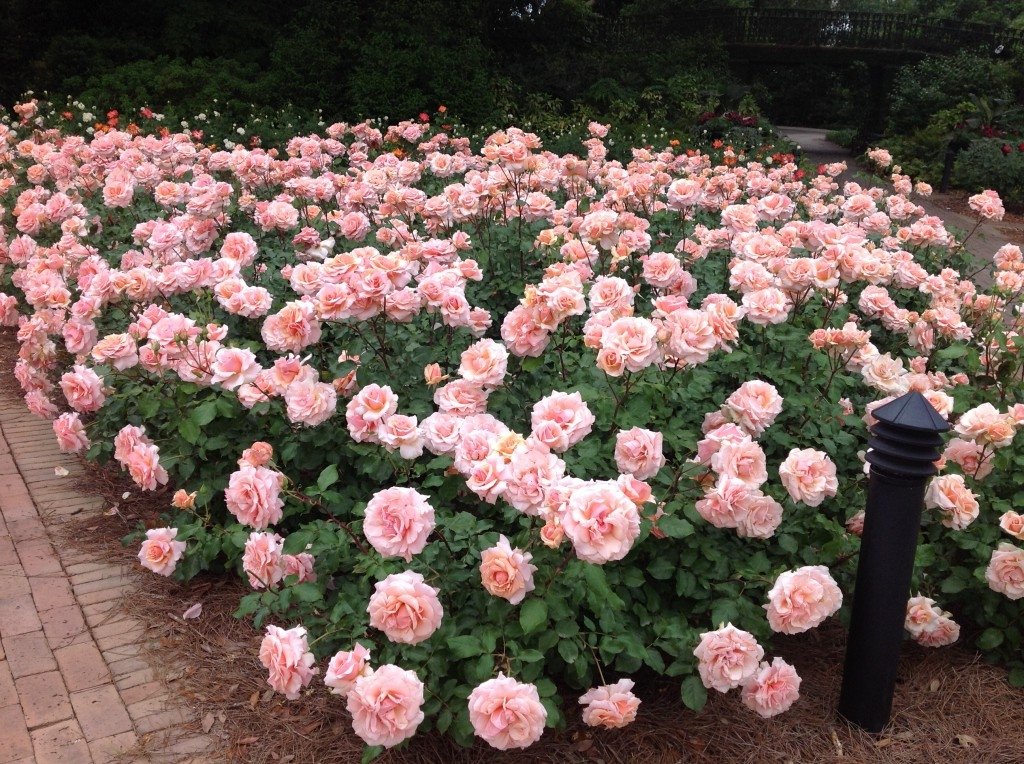
Low-growing English roses are in demand in gardening.
Using perennials in garden design
Perennials are perfect for creating flowerbeds, mixed borders, and decorating garden paths. When creating a composition, consider which flowers are suitable for a particular project (for example, low-growing or trailing varieties are best planted near paths).
If you are planning a flower bed along a wall or fence, then tall plants (delphinium, mallow) are planted on the far side, medium-sized plants (daylily, phlox) in the center, and low-growing plants (heuchera, small-bulbous plants) on the outer edge.
Perennials are indispensable when planning landscape gardens that reflect wild nature.
Designing a garden and choosing perennials is a delight for all flower lovers. The diversity of species allows you to realize your wildest fantasies and create a corner of exotic nature in your garden.