
Useful properties and features of growing Tibetan hyssop
Content
Description and distribution area of Tibetan hyacinth
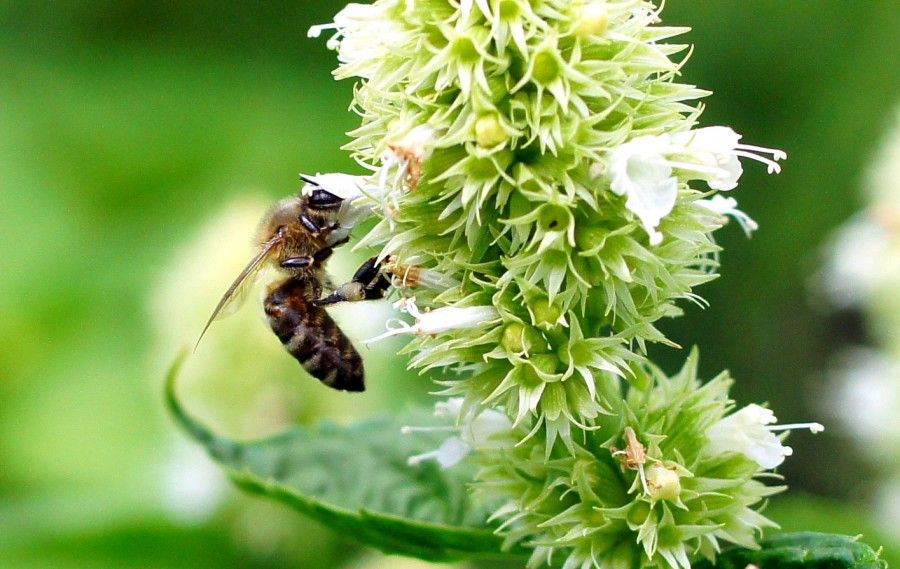
Lophanthus is a member of the genus Polypteridaceae in the Lamiaceae family. It is a perennial herbaceous subshrub up to 1.5 m tall with tetrahedral stems and large (up to 9 cm), lanceolate leaves with serrated edges. It blooms with long, spike-shaped inflorescences of white, yellowish, lilac, or purple.
It is found naturally in East Asian countries, in the mountains of Tibet and the Himalayas. It is widely cultivated in private gardens as a medicinal plant and honey plant; an ornamental cultivar, "Golden Jubilee," has even been developed.
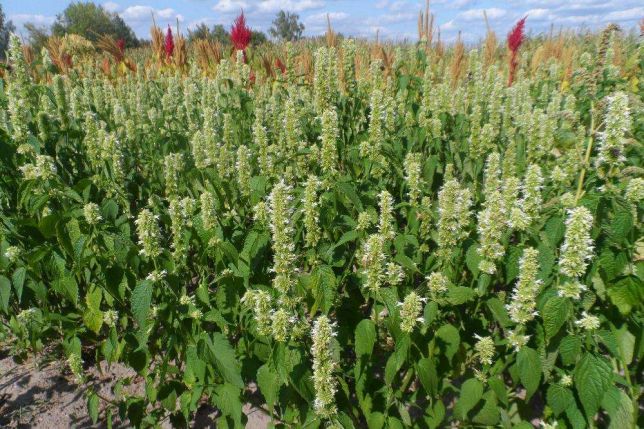
The plant has several names. Scientifically, it's called Agastachys rugosa, while the common name is Korean mint due to its similar inflorescences and its belonging to the same family. There are also Tibetan and aniseed varieties, which share a common appearance and differ only in the aroma of the leaves.
Agrotechnical requirements
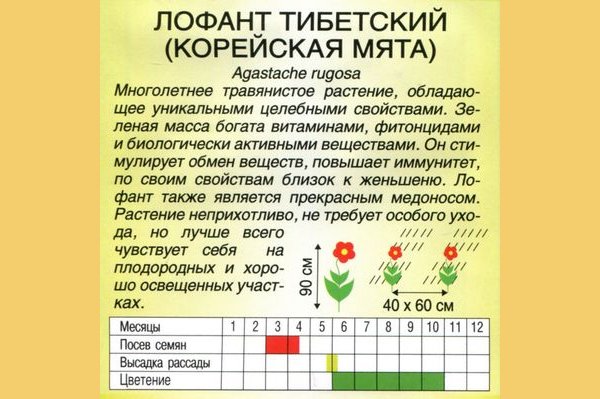
Growing grass is quite easy. It thrives in a moderately fertile, sunny spot. The soil can be any type, even sandy or rocky, as long as it's well-moistened. The plants overwinter well (tolerating temperatures as low as -30°C).
Timing and technology of planting
Korean mint can be propagated by root division or seed. The latter is the easiest, as the seeds have a very high germination rate. They are harvested in September and sown before winter or in April-May. The small, poppy-like seeds are simply scattered over the surface, regularly moistened, and the first shoots appear within 5-6 days. The plant can also be grown from seedlings. By dividing the rhizomes, the bushes are propagated in the fall or early spring.
Care Features
Plant care consists of watering, loosening the soil, and periodic fertilizing. During flowering, watering should be intensive and regular. Compost or a mineral complex can be used as fertilizer. Organic fertilizer is best applied in the spring, and phosphorus and potassium during flowering. The frequency of fertilizing depends on the condition of the plant. Experience shows that this plant is not fussy about fertilizers.
Collection and preparation of raw materials
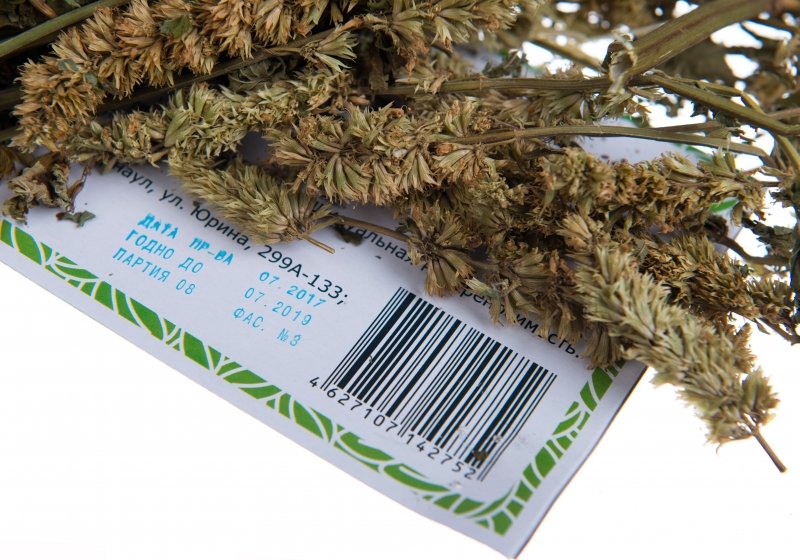
For medicinal purposes, only the above-ground portion of the plant is harvested. In the first year of planting, shoots are cut in mid-July, and twice in subsequent years: in early summer and in September. The cut herb is hung to dry or spread out under a canopy. After drying, it is chopped, placed in paper or cloth bags, and stored in a dry place for up to one year.
The plant's seeds are not used for medicinal purposes. Even the inflorescences in which they have already formed are not suitable for harvesting.
Video: "The Benefits and Harms of Tibetan Lophanthus"
This video describes the beneficial properties of the plant and its uses.
Chemical composition and beneficial properties
The herb contains beneficial substances that have a stimulating effect on the entire body: alkaloids, flavonoids, tannins and bitter substances, organic acids (6 types), terpenes (8 types), abundant vitamin C, tannin, rutin, and esters. These components are responsible for the plant's medicinal properties. In folk medicine, it is used:
- to cleanse toxins, improve metabolism and recover from illness;
- to relieve nervous tension;
- as an anti-inflammatory and bactericidal agent;
- to improve immunity and tone;
- to normalize blood pressure in hypertensive patients;
- to lower cholesterol;
- as an adjuvant for colds;
- for problems of the genitourinary system in men.
Pillows and mattresses filled with grass are believed to improve sleep and relieve headaches.
Plant-based medications are gentle on the body and have a prolonged effect. This means their effects don't appear immediately, but are felt for some time after the end of treatment.
Application in cosmetology
The use of this Tibetan herb in cosmetology is explained by its ability to eliminate skin diseases, regenerate, and rejuvenate even the deep layers of the epidermis. An extract from the plant is included in anti-aging creams, serums, and strengthening hair balms.
Herbal infusions are primarily used in home cosmetology. They tone and smooth the skin well and can be used to make masks. The pressed juice, diluted with boiled water at a ratio of 1:10, makes an excellent toner that can be used after washing. Fresh juice is recommended for massaging into the scalp to treat hair loss.
To treat dermatitis and eczema, you can make a gel from fresh leaves. Grind them into a paste, add a few drops of riciniol emulsion and 2 tablespoons of olive or fir oil, and mix thoroughly. Store the gel in the refrigerator.
Use in folk medicine
To maintain the body in good shape, it is recommended to eat a couple of fresh leaves daily, morning and evening. For medicinal purposes, the herb is used in several forms.
Tea
For frequent illnesses, low hemoglobin, and digestive problems, tea is helpful. To make it, pour 1 teaspoon of the herb into a cup of boiling water, let it steep for 5-7 minutes, and add sugar or honey if desired. Drink 3 glasses of this aromatic beverage daily.
Syrup
It's used as an expectorant for colds and coughs, and to strengthen the body after illness. To prepare it, first make a decoction of 100 g of the herb and 1 liter of water, then add 1.5 kg of sugar and simmer over low heat until the sugar dissolves completely. Take the cooled syrup, one tablespoon up to five times a day.
Oil
The essential oil has strong antibacterial properties and is used in the food, perfume, and cosmetics industries. The fluid, nearly colorless liquid is extracted by steam distillation from the fresh herb, containing 0.3-0.5% essential oils. The highest oil yield is obtained from processing the inflorescences.
Infusion
The herbal infusion is used both externally and internally. For internal use, it is prepared by adding 1 tablespoon of the herb to 200 ml of boiling water, steeping for a couple of hours, and then filtering it, drinking 1/2 cup up to three times daily. The drink strengthens blood vessels and the heart, improves digestion, and improves the functioning of the genitourinary system.
For external use, prepare the same way, but double the amount (2 tablespoons per 200 ml). The finished mixture is used to wipe skin affected by eczema and fungus, soothe the throat for sore throats, and rinse the hair.
-
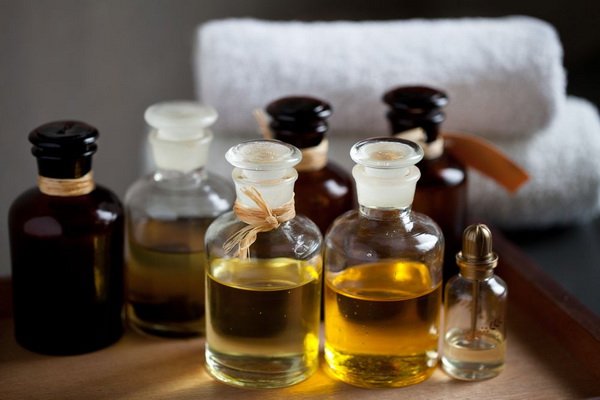
- Essential oil
-
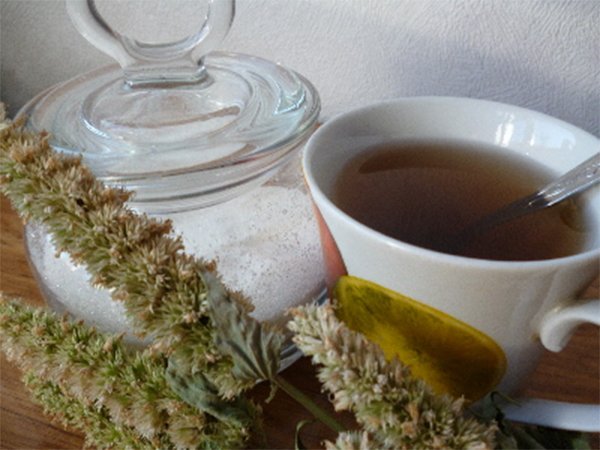
- Herbal infusion
-
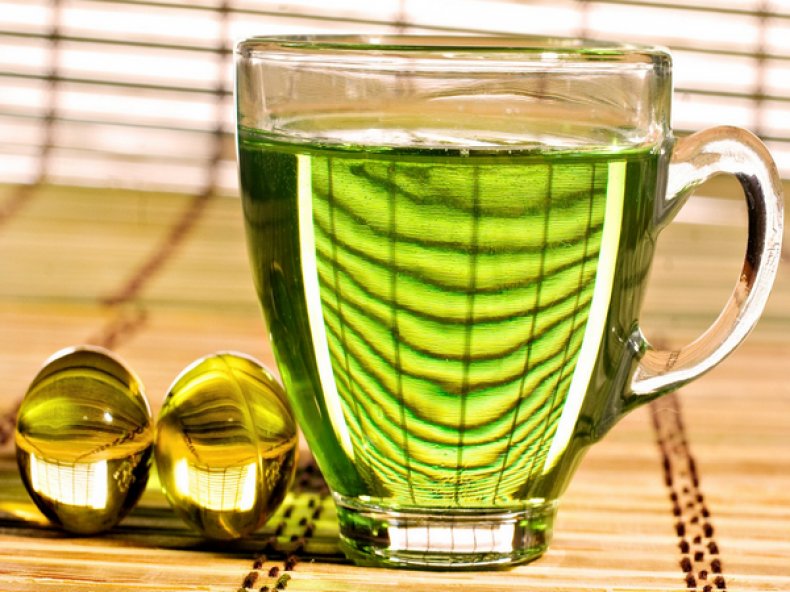
- Tea
Decoction
This herbal infusion is effective for respiratory problems, including asthma, bronchitis, pneumonia, and tuberculosis. It's easy to prepare: pour 100 grams of dried herb into 1 liter of boiling water, simmer for 7-10 minutes, cool, and strain. Drink 1/2 cup before meals. A little sugar can be added if desired.
Wine tincture
Wine tincture is less potent than alcohol tincture, has a calming effect, strengthens the immune system, and improves digestion and appetite. To prepare the remedy, simply pour 100 g of dried herb into 1 liter of dry white wine, let it steep for three weeks, shaking occasionally, and then strain. Take 1 teaspoon three times daily.
Bath
For skin rejuvenation, taking baths with an infusion of fresh leaves 1-2 times a week is beneficial. First, prepare the infusion in a thermos using 2 tablespoons of the leaves per 200 ml of water. Let it steep for about an hour, strain, and pour into the bath. The water temperature should not exceed 38°C. Excellent well-being is guaranteed after the treatment.
Harm and contraindications for use
There are no strict contraindications for using the herb, but it's best to begin treatment with small doses, as individual intolerance is possible. Exceeding the dosage can be dangerous in cases of hypotension, thrombophlebitis, pregnancy, and lactation.
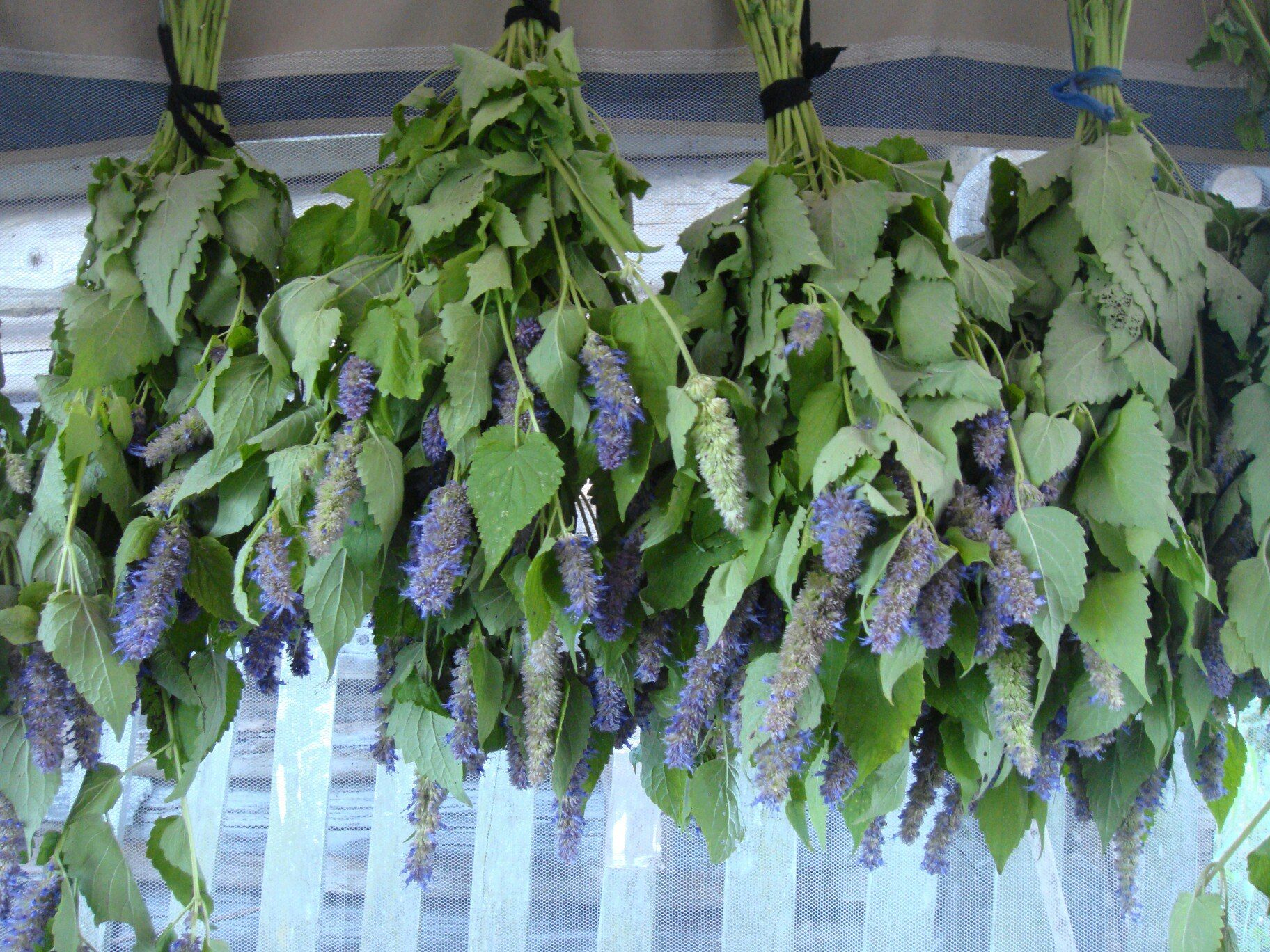
In Eastern medicine, Korean mint is considered a unique plant capable of imparting strength and energy, which helps overcome any illness. Furthermore, the plant has ornamental value, decorating the garden not only with its greenery but also with lush blooms.