
Growing and using ampelous lobelia in garden design
Content
What is Lobelia ampelosa?
This herbaceous subshrub from the Campanulaceae family originated in South Africa. Although considered a perennial, in temperate climates it is grown as an annual.
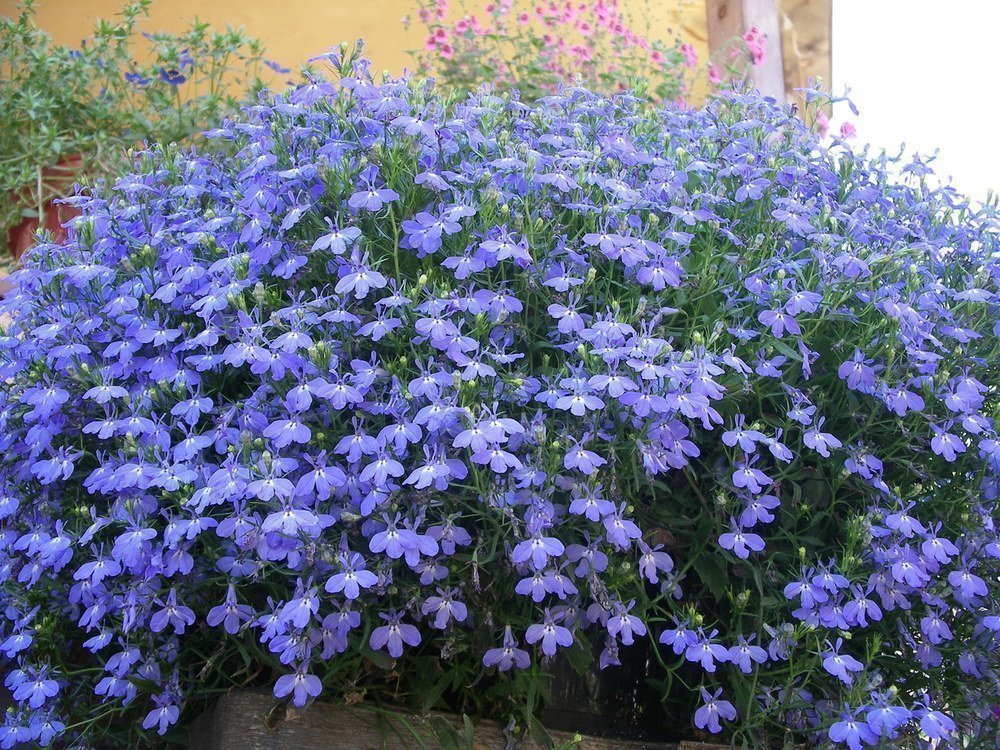
Lobelia is characterized by a fibrous rhizome and highly branched, flexible stems that can reach approximately one and a half meters in length. The height of the bush is approximately 0.3 m. The leaves are thin and lanceolate. During the flowering period, which lasts all summer until autumn, the plant becomes densely covered with small, colorful inflorescences. There are so many of them that sometimes the green part of the bush is hidden behind the buds. At the end of the season, small dark brown seed pods form on the shoots.
The most popular varieties with photos
There are approximately four hundred species of lobelia known to botanists. Below we present several of the most well-known varieties, especially beloved by Russian gardeners:
- Regatta Mix. A bushy plant growing 10-15 cm tall. Coloration varies from snow-white to pinkish-purple.
- Red Cascade. A climbing plant with 0.3 m long stems. The inflorescences are bright crimson with a snow-white center.
- Starship. An upright variety about half a meter tall. The candle-shaped buds are a rich raspberry-red hue.
- Regatta Blue Splash. A cascading lobelia about 0.2 m tall. It blooms with snow-white buds with a bright blue center.
- Sapphire. The stems of this trailing plant reach 0.3 m in length. The inflorescences are ultramarine with a white "eye."
-
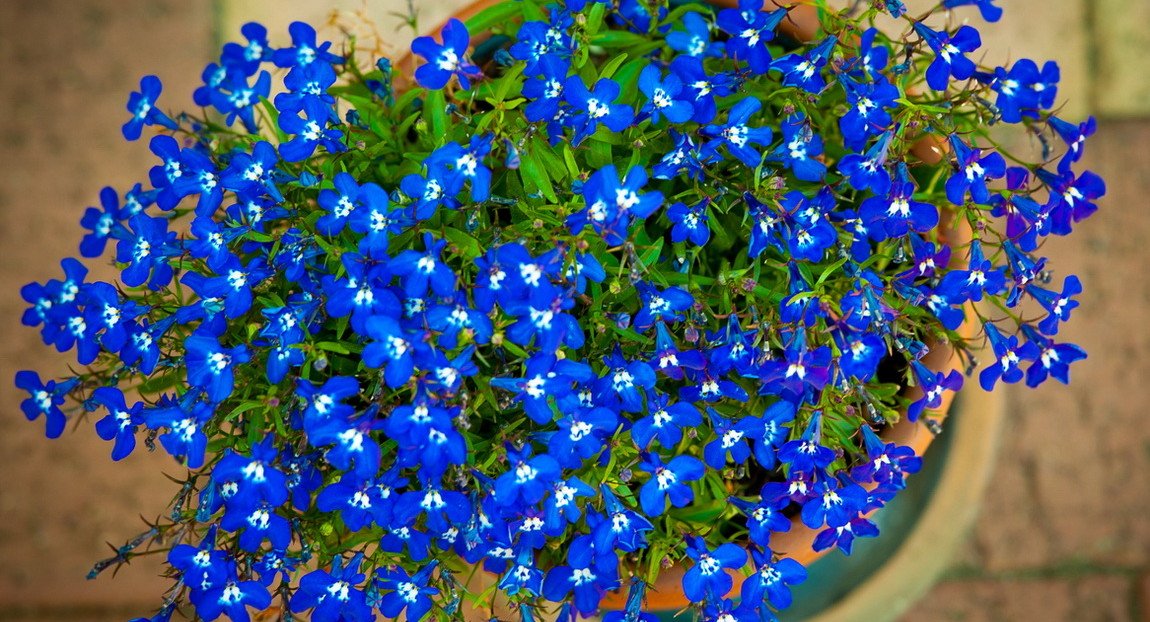
- Sapphire
-
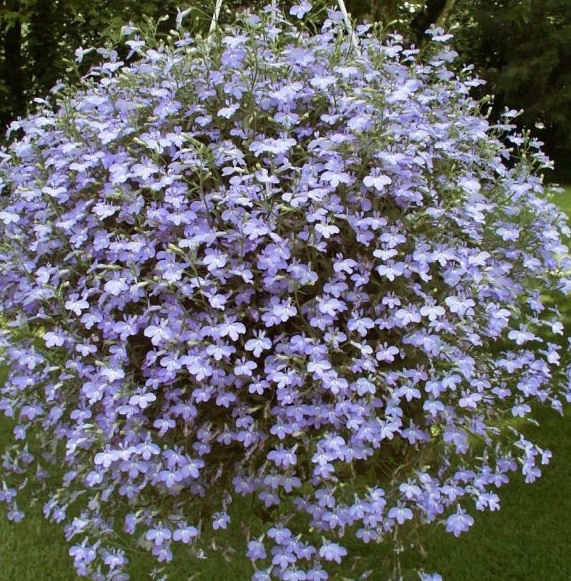
- Blue Splash Regatta
-
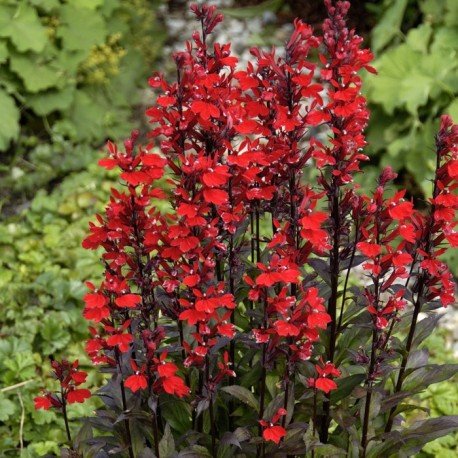
- Starship
-
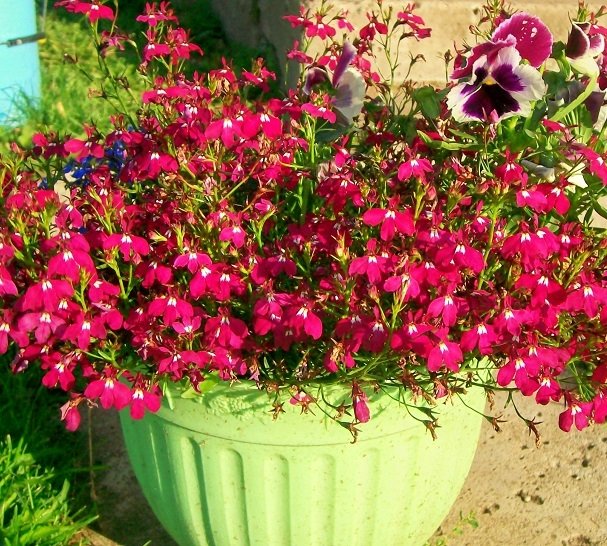
- Red Cascade
-
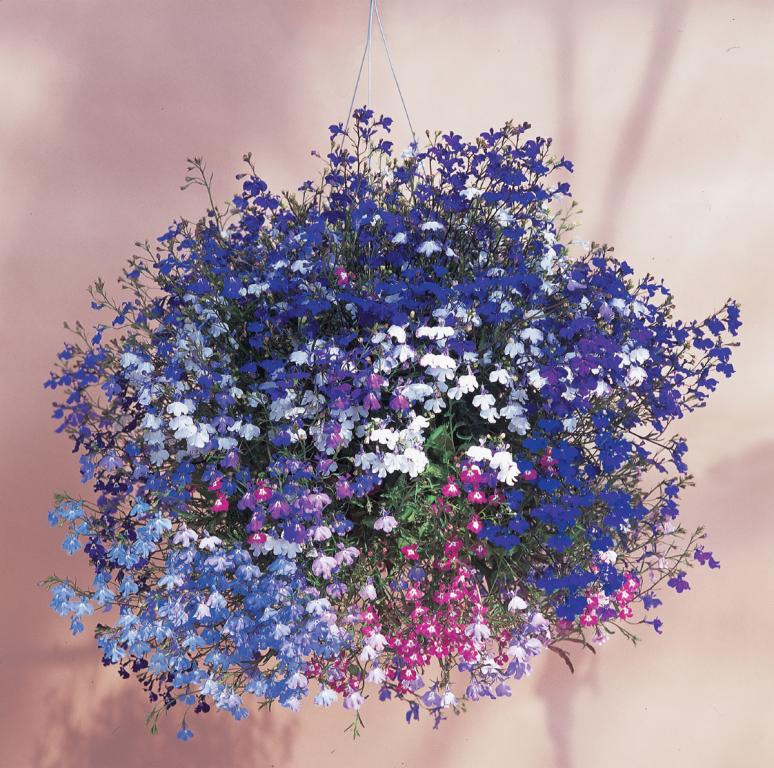
- Regatta mix
Video: Growing Lobelia
This video explains the specifics of planting and caring for garden flowers.
Agricultural technology of ampelous lobelia
This trailing ornamental plant is quite easy to grow. Even a novice gardener can grow it, provided they follow basic gardening guidelines. We'll discuss these in more detail below.
Planting seeds for seedlings
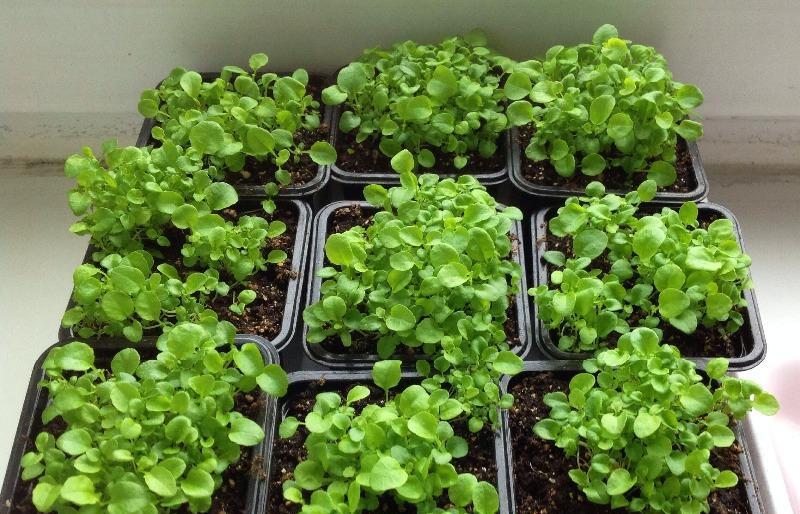
Experienced gardeners recommend sowing the planting material in March, as flowering begins 70-80 days after planting, and the first shoots appear within a week and a half. For growing lobelia, it's best to use a prepared substrate, pre-treated with a fungicide. The soil should be well-ventilated and loose. Choose small, flat containers. Sometimes, peat cups are used. Growing lobelia from seed involves the following steps:
- After filling the planting container with the prepared substrate, lightly compact it.
- Spread the planting material over the surface.
- Spray the top with a growth stimulator (for example, Zircon or Epin).
- Cover the container to create a greenhouse-like structure. Keep it at a temperature of 18-20°C, ventilating it regularly and watering it with a spray bottle.
- After 1.5-2 weeks, when the first shoots appear, begin to gradually remove the cover.
- After 2-3 strong leaves appear, transplant the seedlings, distributing them into 3-5 pieces and lowering the temperature by 3 degrees.
Transplantation into open ground
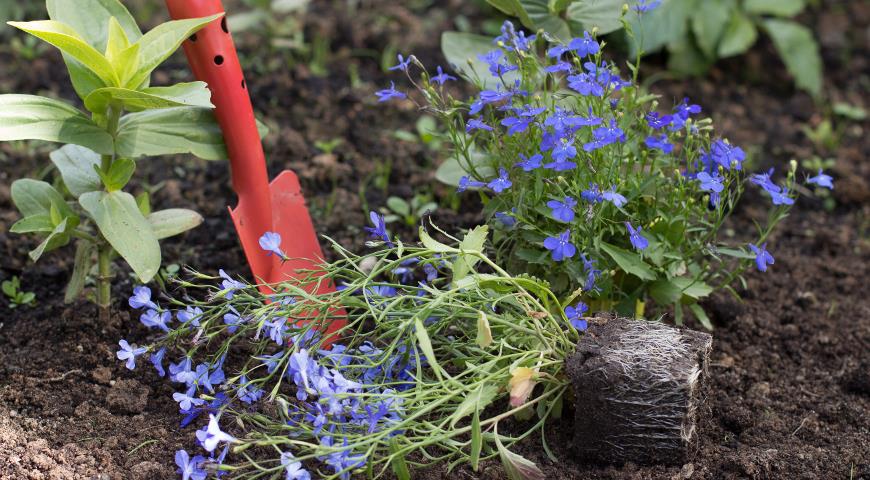
Lobelia is transplanted to its permanent location in the third ten days of May, when warm weather has set in and the first flowers have appeared. The plant thrives in full sun, so choose an open, partially shaded location for planting. Planting is done as follows:
- Dig planting holes 0.2-0.3 m deep, spaced 0.2 m apart.
- Fill each hole with a drainage layer (for example, expanded clay or broken brick).
- Place the seedlings vertically and then cover the rhizome with soil.
- Moisten young bushes.
Proper care
To ensure abundant flowering, the plant requires proper care. Ornamental shrubs require a lot of water. If the plant is in the ground, it should be watered at the roots 1-2 times a week. Potted plants should be watered daily. During prolonged drought, water twice a day: morning and evening.
Lobelia fertilization also has some special features. Only mineral fertilizers intended for flowering plants are used. Fertilize twice a month, applying the fertilizer under each bush.
The first time the plant is pinched is after the first flowering, cutting all shoots almost to the base. This allows the subshrub to produce side stems, which will eventually give it the desired fullness. It's also necessary to regularly remove faded flower stalks, leaving 5 cm of their length.
Protection from diseases and pests
Lobelia is fairly resistant to infections, but can sometimes be affected by blackleg. Once infected, it cannot be cured. It is dug up and burned to avoid risking the remaining bushes. The soil is dried, covered with fine steamed sand, and moistened with a potassium permanganate solution.
If dark spots appear on the plant, these are most likely symptoms of fusarium wilt or powdery mildew. Remove the wilted parts, and spray the bush with a fungicide solution (such as Fundazol) or colloidal sulfur.
Other problems that growers encounter when cultivating lobelia most often arise from improper care. When the soil dries out, the leaves may curl. If red-purple spots appear on the leaves, the cause is usually a sudden change in temperature. To prevent this, cover the bushes with a special material at night.
A sticky coating on the plant indicates the presence of scale insects or mealybugs. To get rid of these pests, use a solution of laundry soap.
The place of flowers in landscape design
Gardeners love trailing lobelia for its versatility. This ornamental plant looks equally good in flowerbeds, mixed borders, and standalone pots. It's often used to decorate rock gardens, rockery compositions, borders, and paths. Cascading varieties are also used to create flower "waterfalls" or colorful carpets. The plant is often seen as a decoration for balconies, terraces, or window openings.
-
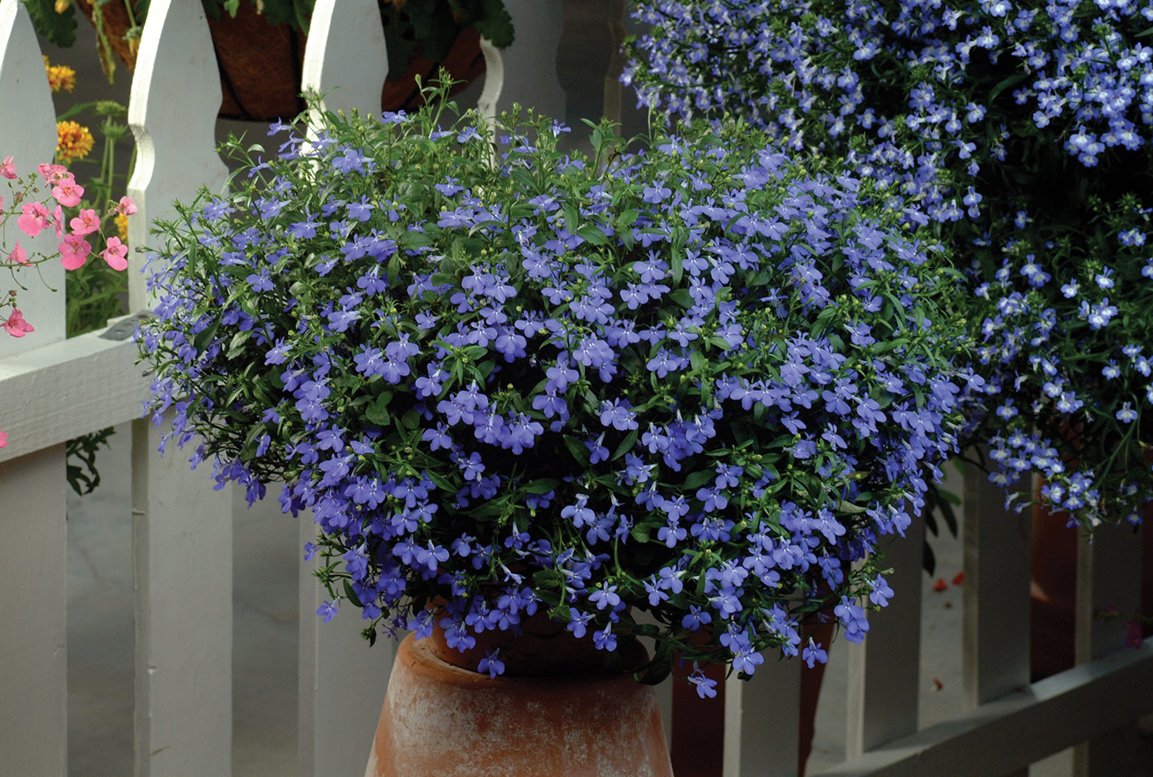
- Hedge design
-
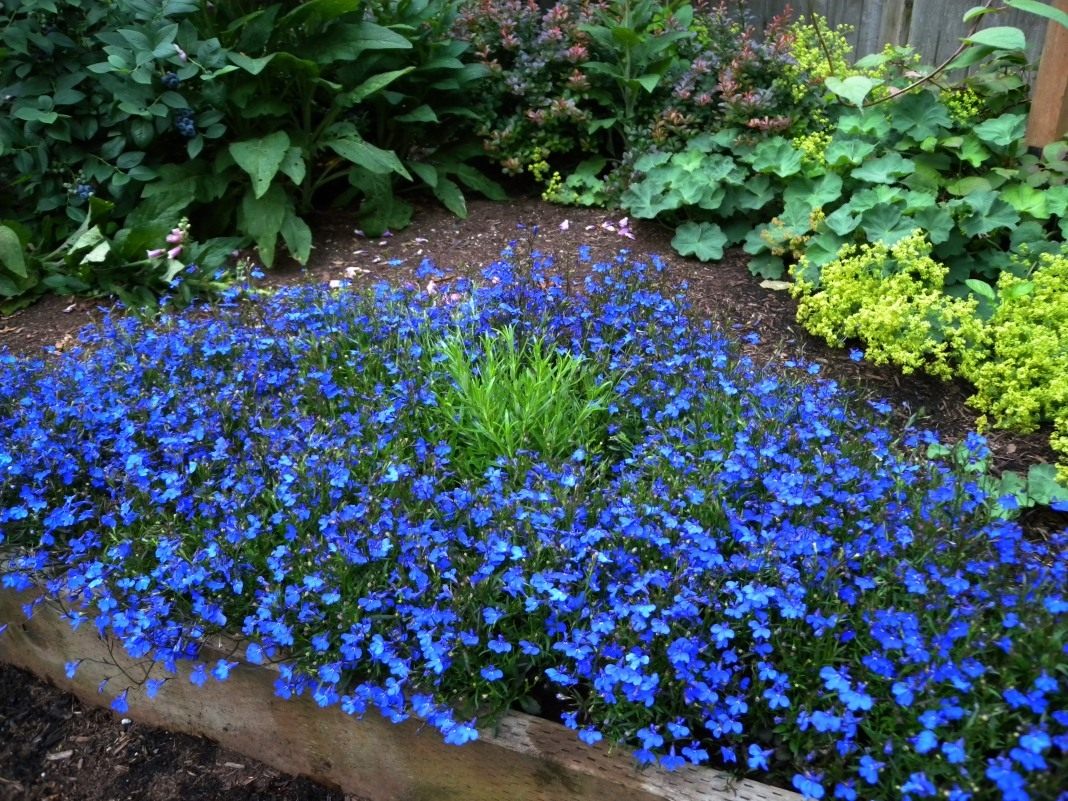
- Flower bed
-
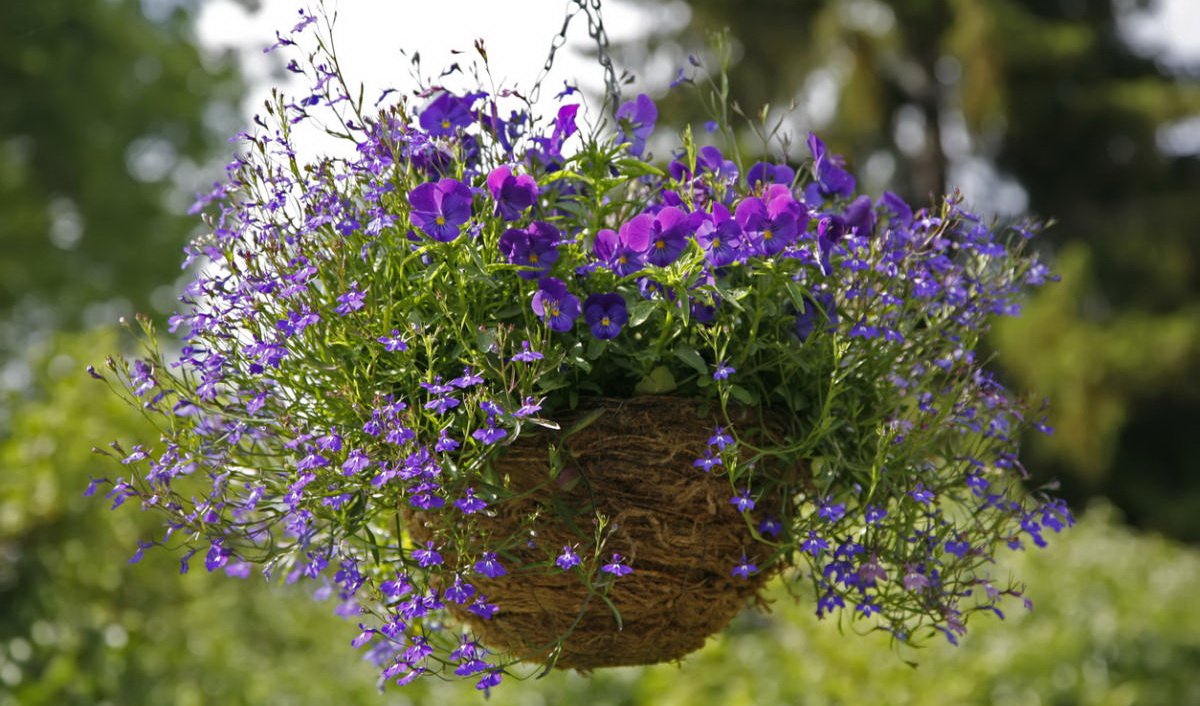
- Growing in a hanging pot
-
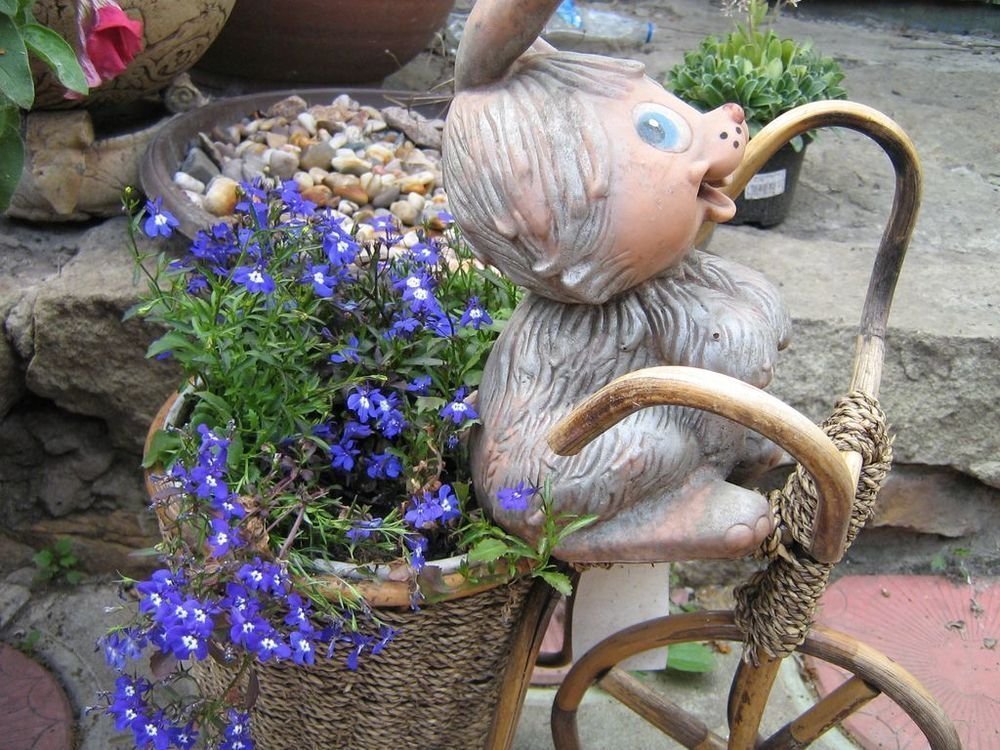
- Creating decorative elements for the garden
-
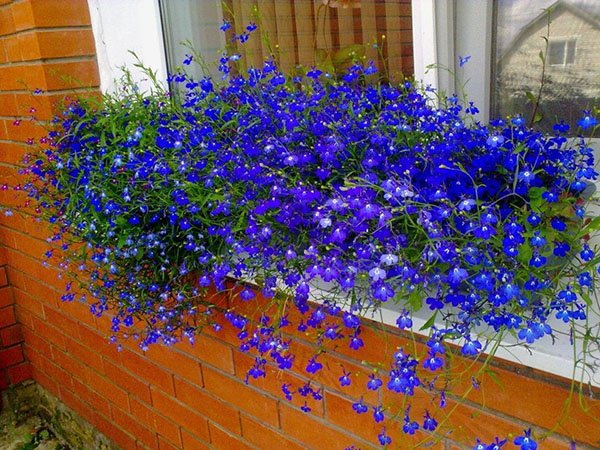
- Decorating window sills and cornices
-
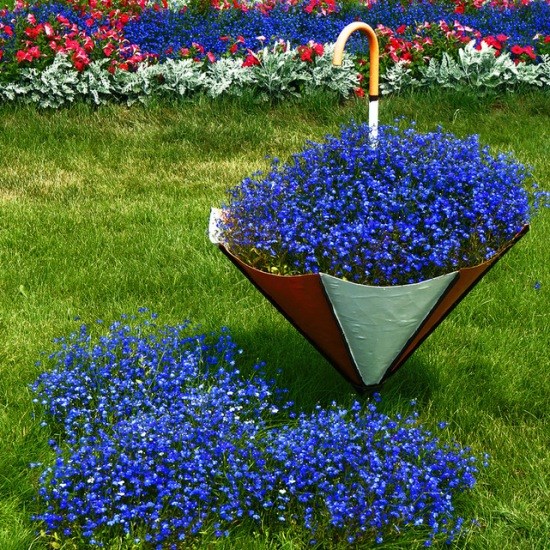
- Decorative monoclump
To create a harmonious design, dwarf varieties are planted in the foreground, thus highlighting taller plants. Since lobelia's color range is quite limited, it's best paired with white, blue, or purple hues. The following plants make the most successful companions:
- iris;
- fuchsia;
- pansies;
- chamomile;
- edelweiss;
- ageratum;
- begonia;
- Heuchera;
- cineraria;
- petunia;
- snapdragon and others.
Growing these graceful, vibrant bushes is quite simple, so decorating your garden with lobelias won't require much effort. To add a unique touch to your garden, simply experiment with varieties, color schemes, and combinations with other plants.