
Medicinal properties and uses of Schisandra chinensis
Content
Botanical description of Schisandra chinensis
Schisandra chinensis, or Schisandra chinensis, is a perennial woody vine. Its twining stem is covered in peeling, dark-brown bark. The bark of young shoots is smooth and rich yellow.
Schisandra leaves are elliptical or obovate. The slightly fleshy, dark green leaves have a wedge-shaped base. The leaf blades are attached to long, pinkish-red petioles. The stems and leaves of the plant exude a distinctive lemon scent.
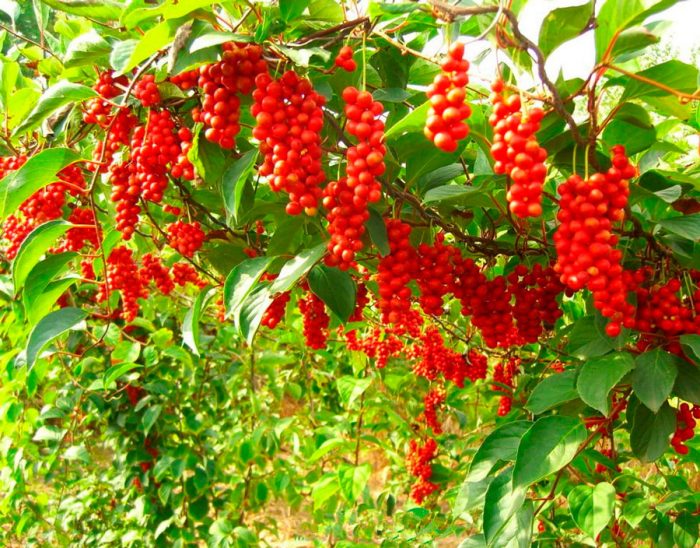
Schisandra is popularly known as the "five-flavor plant." This unique name comes from the unique flavor of its berries: the skin is sweet, the flesh is slightly tart, and the seeds are slightly bitter. Overall, the berries have a bland, salty taste. The plant's fruits, seeds, leaves, twigs, and young bark are used in folk and traditional medicine.
Habitat
This perennial vine prefers coniferous and broadleaf forests. It is often found near forest edges and mountain rivers. In the wild, Schisandra grows in numerous clumps, sometimes forming dense and virtually impenetrable thickets.
It grows wild in Korea, Japan, and China, as well as in the Russian Far East, the Amur region, and the Kuril Islands. It is cultivated on an industrial scale at specialized botanical stations in Russia for medicinal purposes.
Video: "The Healing Properties of Schisandra Chinensis"
This video explains what makes this plant unique and how to use it medicinally.
Composition and medicinal properties
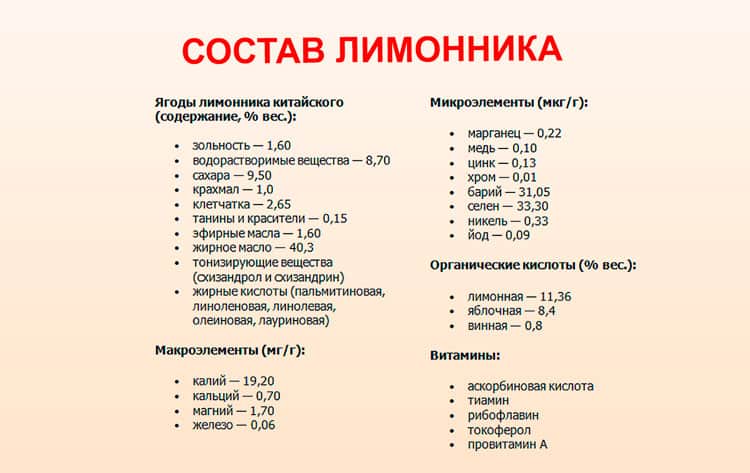
Schisandra chinensis has a number of medicinal and beneficial properties. The plant's benefits stem from its rich chemical composition. The small red berries contain vitamins C, E, and B, malic, citric, and tartaric organic acids, polysaccharides, tannins, flavonoids, and a wealth of minerals. The leaves are rich in potassium, magnesium, iron, calcium, nickel, iodine, zinc, copper, cobalt, chromium, selenium, and other essential micro- and macronutrients.
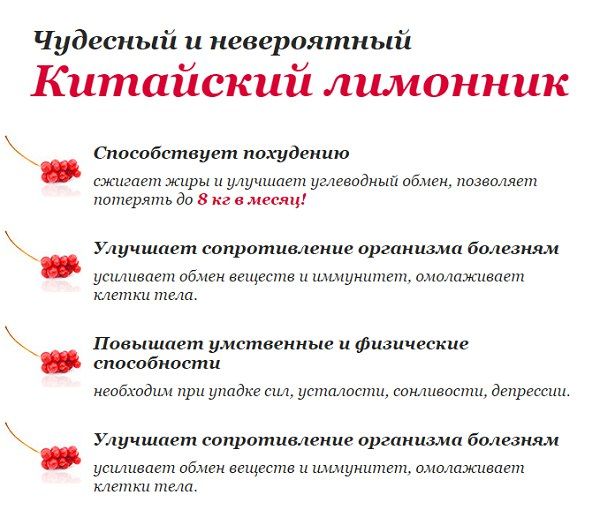
Chinese magnolia vine has tonic, restorative, immunostimulating, anti-inflammatory, antipyretic, adaptogenic, antibacterial, regenerative, antiemetic, diuretic and other effects. "Plant of 5 Flavors" is recommended for weakened immunity, low resistance to viral and infectious diseases, upper respiratory tract ailments, toxicosis, and fatigue. Alternative medicine practitioners have noted that Schisandra's plant components help combat anemia and various skin conditions. An infusion of the berries and seeds is recommended for increasing potency and restoring male reproductive function.
Collection and preparation of raw materials
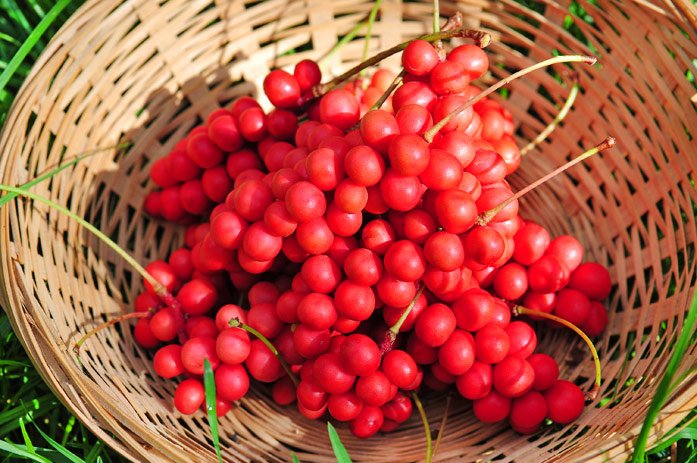
The berries begin to be harvested in September. The cut bunches are carefully placed in wicker baskets or enamel bowls.
The harvest season for leaves and shoots is in August. The small red berries, cut twigs, and leaves can be dried naturally or using an electric dryer.
Methods of using Schisandra chinensis
Such a rich and varied chemical composition has determined the wide range of applications of Schisandra chinensis.
Pharmaceutical drugs
Schisandra is used in modern pharmacology. The following dosage forms are available:
- Tablets in dosages of 500 and 900 mg to normalize heart rhythm and blood pressure, and strengthen capillary walls.
- A general tonic syrup based on Schisandra chinensis, rosehip extract, and vitamin C. Available in 150 ml glass bottles.
- Medicinal raw material in powder form. It is used raw or brewed. Powdered fruits have a short shelf life.
- The herbal tea "Schisandra with Herbs" also contains celandine root and rose hips. The herbal tea "Blueberry Mix" contains blueberries, Japanese magnolia vine, black chokeberry, rose hips, and Sudanese rose.
Traditional medicine
Plant components of schisandra are used to make various folk remedies and preparations:
- A tea to strengthen the immune system and prevent the development of acute respiratory viral infections. Mix 1 tablespoon of green tea with 1 tablespoon of dried fruit, leaves, twigs, and crushed bark. Pour 1 liter of boiling water over the mixture. The tea is ready in 5-7 minutes.
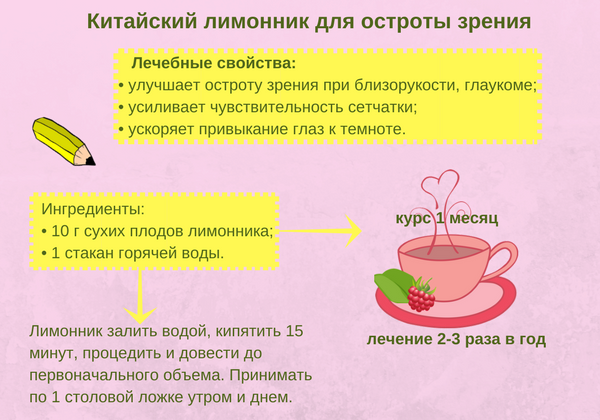
- A berry infusion effectively removes mucus and reduces inflammation. It can be used as a wound-healing agent for cuts and other skin injuries. Add 1 tablespoon of dried berries to a cup of boiling water. Let the infusion steep for at least 60 minutes.
- A decoction of Schisandra leaves (1 teaspoon of dried leaves per 200 ml of water) is used to prevent scurvy. Take this folk remedy 2–3 tablespoons three times a day.
- An alcohol tincture (20 g of raw material per half a glass of vodka) has a positive effect on male libido. The product is infused for two weeks. Take 30 drops three times a day.
- Take 25–30 drops of Schisandra extract prepared in alcohol 2–3 times daily. It's effective for stress and lowering blood sugar.
- Seed oil is available at pharmacies. Available in capsule form, it improves vitality, enhances libido, and has adaptogenic properties.
- Jam made from fresh berries (1 kg), sugar (1.5 kg), and water is a delicious and healthy dessert. It can be enjoyed during periods of widespread viral infections.
- Schisandra honey has a pale yellow hue and a pleasant aroma. It is recommended for normalizing hemoglobin and cholesterol levels.
-
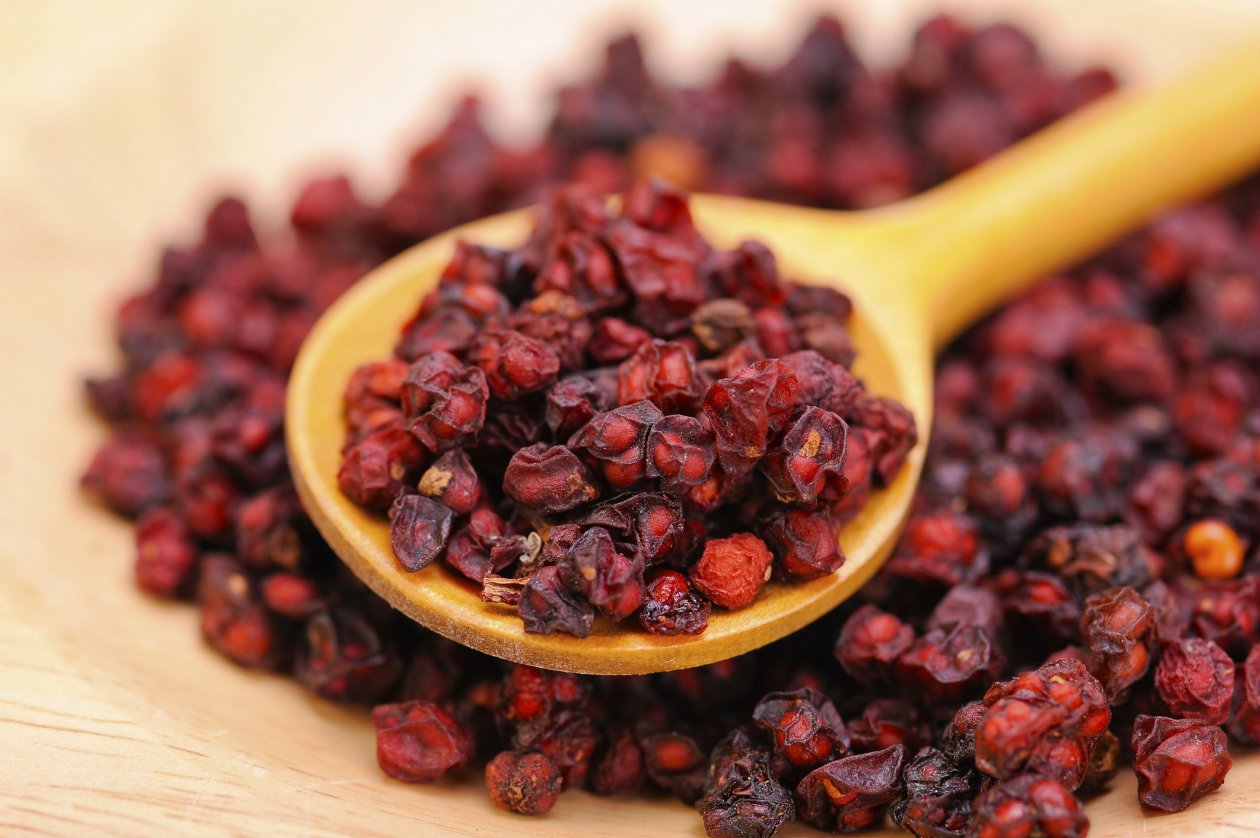
- Dried berries
-
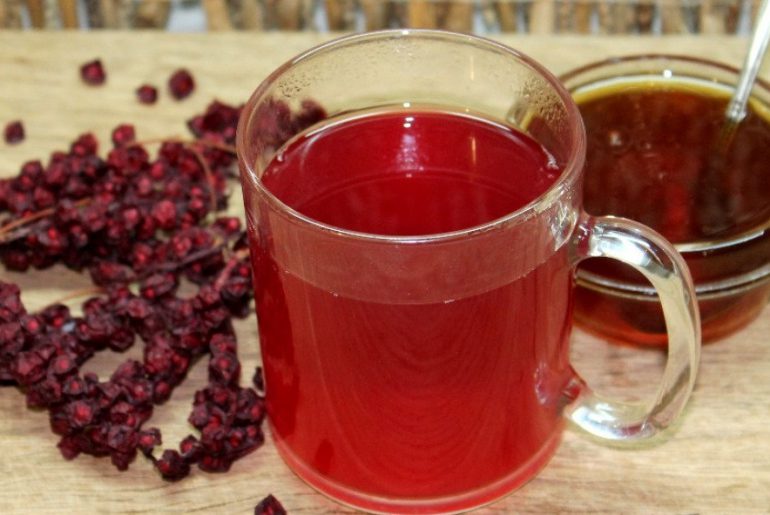
- Berry decoction
-
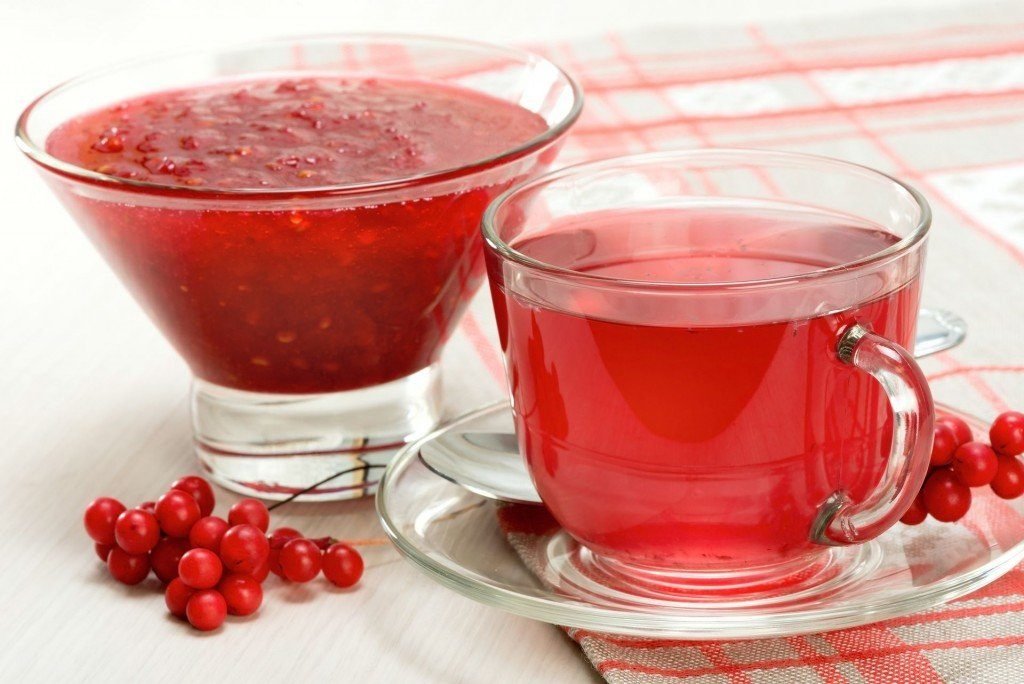
- Schisandra tea and jam
Cosmetology
In addition to evidence-based and traditional medicine, the plant is actively used in cosmetology.
A toning mask for aging skin contains 2 drops of Schisandra tincture (alcohol), 1 tablespoon of low-fat cottage cheese, and 2 tablespoons of cream. Mix all ingredients thoroughly. Apply the mixture to the face and décolleté. After 10 minutes, remove the toning mask with a cotton pad soaked in Schisandra tea.
A moisturizing mask for the face and décolleté is prepared using 2 tablespoons of dried berries, 2 teaspoons of liquid honey, and 200 ml of boiling water. Mash the berries in a wooden masher, pour boiling water over them, and simmer for 10-15 minutes. Cool, strain, and mix with honey. Apply the mask to cleansed skin and leave it on for 10-15 minutes. Rinse with a cotton pad.
To combat skin breakouts, use an alcohol-based lotion. Make it by combining 2 tablespoons of fresh berries, 1 tablespoon of glycerin, and 250 ml of vodka. Mash the berries, add the vodka, and let sit in a dark place for 7 days. Strain the infused mixture and mix it with glycerin. Dilute the mixture with warm boiled water (1:3) and apply to problem areas.
Contraindications and side effects
Medicines and folk remedies based on Schisandra chinensis are contraindicated during pregnancy and breastfeeding.
The plant can provoke contraction of the smooth muscles of the uterus, which can lead to miscarriage or premature birth in late pregnancy.
You should also avoid consuming berries, seeds, and other plant components of schisandra if you:
- individual intolerance;
- allergic reaction in the medical history;
- vegetative-vascular dystonia;
- cardiac disorders;
- hypertension and/or high intracranial pressure;
- epilepsy;
- increased excitability, insomnia and other manifestations of nervous system dysfunction;
- infectious diseases in the acute stage.
Failure to follow the instructions for use of a medication or folk remedy can lead to complications and deterioration in the patient's well-being. Common side effects include headaches, increased blood pressure, sleep disturbances, and allergies.
Folk remedies and treatments are not a panacea. Using alternative medicine, including Schisandra chinensis, without the supervision of a physician is dangerous to your health. This article is for informational purposes only. A specialist should determine the correct treatment and dosage.