
How to care for the Multiflora spherical chrysanthemum: useful tips
Content
Description of the Multiflora chrysanthemum
The chrysanthemum is a late-blooming autumn flower, highly sought after in gardening and landscape design. The lush, rich blooms of this low-growing, spherical shrub create the impression that summer has decided to linger a little longer.
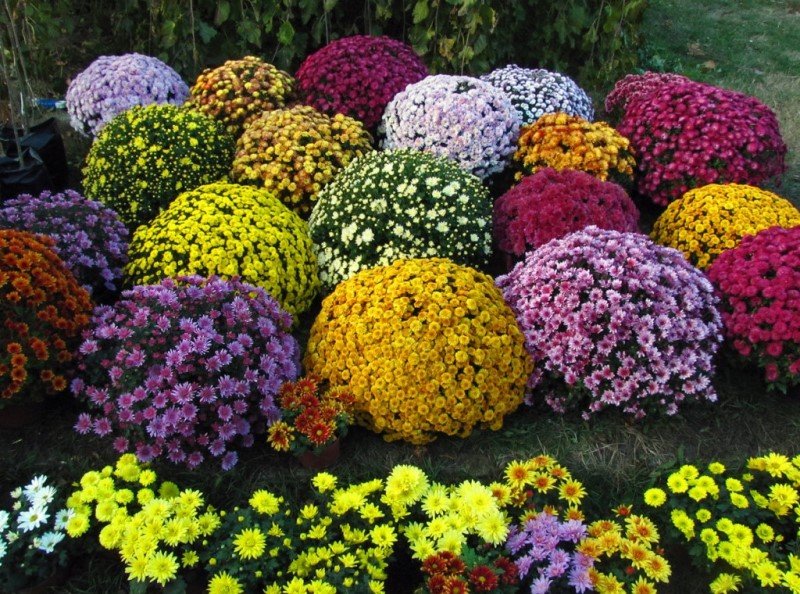
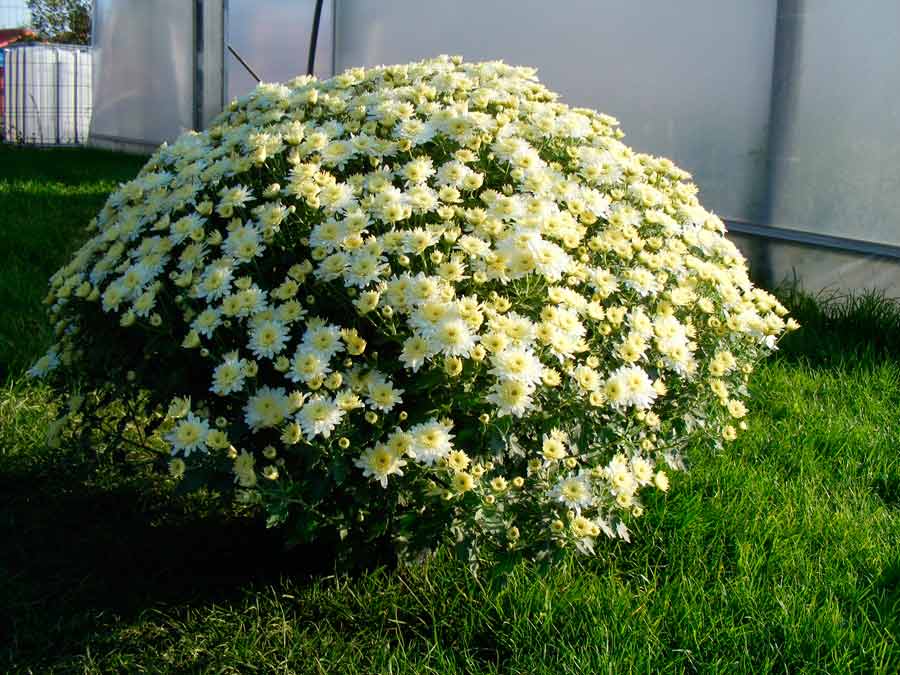
The multiflora chrysanthemum belongs to the Korean subspecies. It was bred for garden cultivation and is not intended for cut flowers. A distinctive feature of this profusely flowering shrub is its perfectly round crown. This characteristic is genetically determined and is not the result of timely pruning, as many novice gardeners believe. Due to the round shape of the crown, the low-growing shrub is often called spherical.
The vast majority of multiflora shrubs are distinguished by their profuse flowering. The leaves and shoots are barely visible behind the dense "carpet" of open buds. Depending on the cultivar, flowering shrubs can be low-growing (20–30 cm), medium-growing (30–40 cm), or tall (40–70 cm).
Interesting varieties of spherical chrysanthemum
Multiflora is represented by a large number of varieties. The following crops are considered the most popular in gardening and landscape design:
Branfountain Salmon
This is a mid-blooming variety. The first buds appear around mid-September. Depending on weather conditions, it can bloom until late October or early November. The maximum height of the bush is 50 cm. Branfountain Salmon flowers are double. The petals are pink-coral and salmon.
Branbeach Orange
It blooms from late August to mid-October. With proper planting and cultivation, the bush reaches a height of 35–50 cm, with a crown diameter of 40 cm. The double buds of Branbeach Orange are a bright orange.
Branroyal Pink
A tall, well-branched shrub. Flowering period is from mid-September until the first frost. Branroyal Pink boasts beautiful, deep pink buds with an average diameter of 4–5 cm.
Branhill Cherry
A low, spherical shrub (no more than 30–40 cm). This variety is characterized by abundant and lush flowering. The small flowers, no more than 5 cm in diameter, are a light cherry color.
-
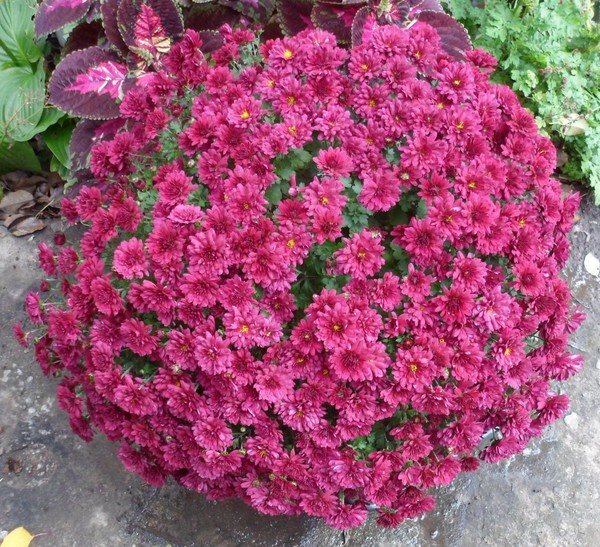
- Branroyal Pink
-
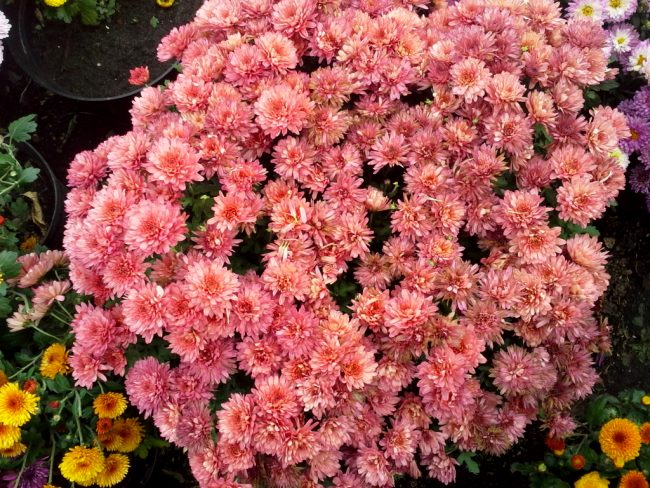
- Branhill Cherry
-
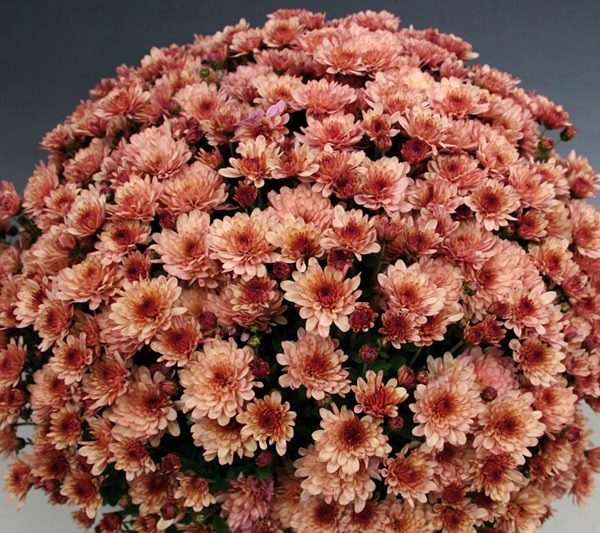
- Branfountain Salmon
-
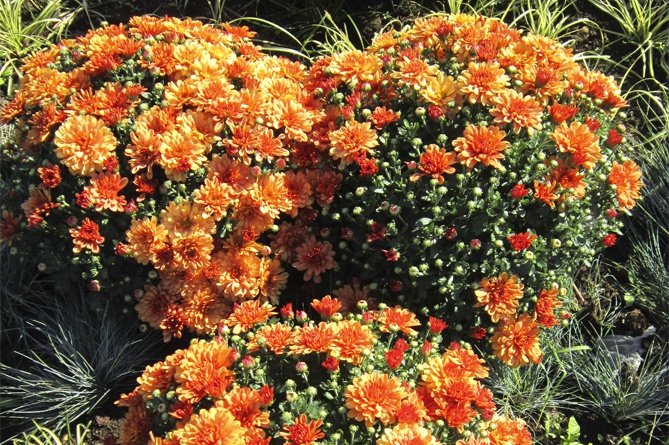
- Branbeach Orange
Branspider Spirit
It begins flowering in late August or early September. The shrub reaches a maximum height of 70 cm. The flowers are double, needle-shaped, and lemon-yellow.
Jacqueline Peach
A medium-sized, spherical shrub that blooms from late September to early November, Jacqueline Peach features bicolor blooms: yellow-purple or yellow-pink.
Brandove
Blooming in late August, the Brandove chrysanthemum is characterized by abundant and lush blooms. The pompom-shaped buds are white with a green tint. The flower's center is light yellow.
-
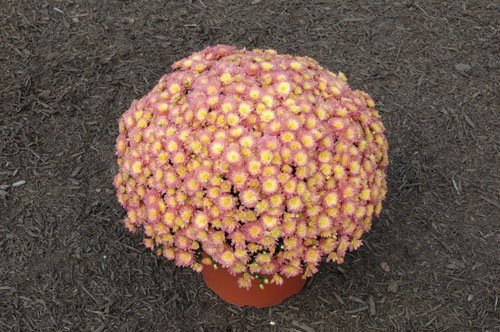
- Jacqueline Peach
-
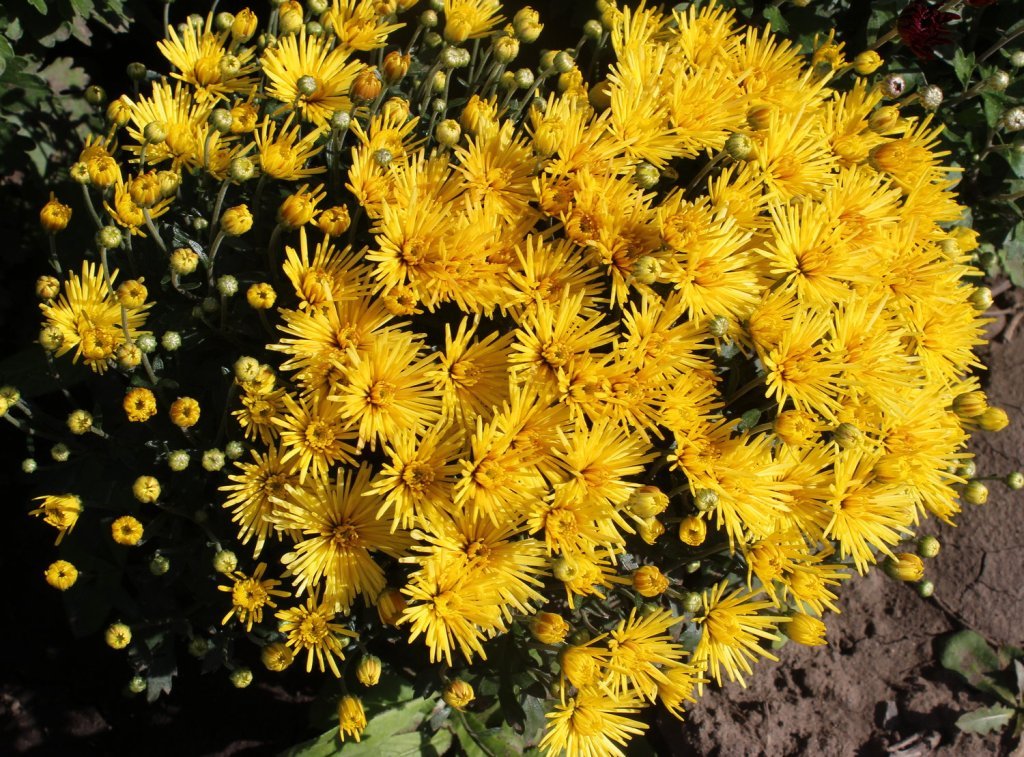
- Branspider Spirit
-
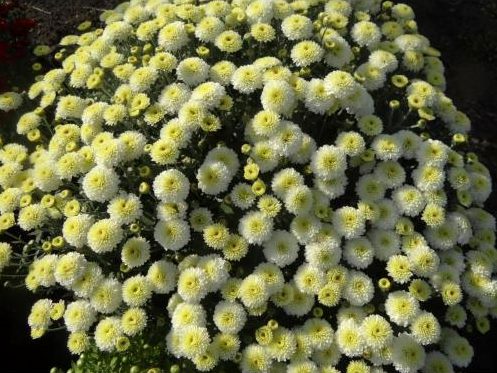
- Brandove
Video: "The Subtleties of Growing Multiflora Chrysanthemums"
In this video, experienced gardeners explain how to plant and care for the flower.
Features of flower cultivation
The multiflora chrysanthemum is a spectacular and beautifully flowering shrub. However, failure to follow planting and care guidelines can negatively impact its decorative qualities. Let's look at the basic cultivation practices for this crop.
Requirements for lighting, temperature and humidity
When choosing a location for planting multiflora, it's important to consider the area's light, temperature, and humidity. For good growth and vigorous flowering, the plant requires 8–10 hours of daylight and humidity of at least 50%. Daytime temperatures should be between 20 and 25°C, and nighttime temperatures between 16 and 20°C.
Substrate requirements
The flower can be grown outdoors or indoors. For the former, a mixture of humus, peat, coarse river sand, and black soil is suitable. When growing in pots or containers, peat and river sand are mixed with vermiculite or perlite (at least 40%).
Planting and care rules
Planting times depend on how the flower is grown. For example, when grown in a flowerpot or container, planting can be done from spring to late fall. Planting in open ground is best done in early spring, but the average daily temperature should not drop below 10°C.
Planting in open ground
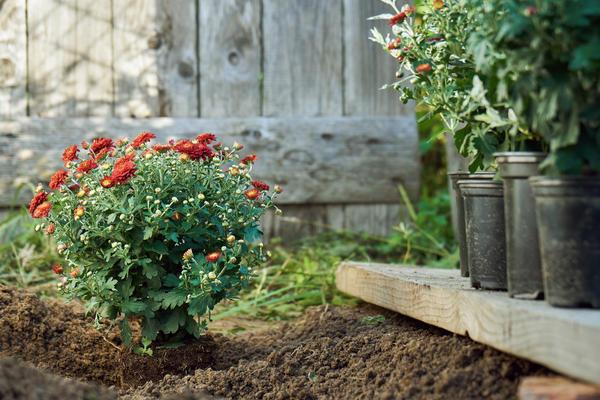
The area is cleared of other vegetation and dug twice. When digging holes, maintain a distance of 40–60 cm. The average planting hole for a Multiflora spherical chrysanthemum is 50 x 50 cm.
The bottom of the planting hole is filled with a layer of coarse river sand, which serves as drainage. The sand is sprinkled with crushed eggshells. Few people know that eggshells not only wick away moisture but are also considered a good fertilizer. Then, a mound of soil is formed with the addition of mineral or organic fertilizer. The chrysanthemum seedling is shallowly rooted in the mound formed in the center of the hole. Supports are installed for taller varieties.
Methods of reproduction
Chrysanthemum multiflora can be propagated by seed and vegetative methods.
Seed propagation is extremely rare due to the high risk of losing the plant's varietal characteristics. Seeds treated with the growth stimulant "Epin" or "Zircon" are sown in prepared holes at a depth of no more than 3-5 cm. Two seeds are placed in each hole. A 20-25 cm gap is maintained between the holes. The beds are covered with plastic. The area is periodically ventilated and irrigated with a spray bottle. The first shoots can be expected within a few weeks.
The easiest way to propagate this flower is by dividing the bush. In late summer or early fall, the mother bush is dug up and divided into several parts. The rhizomes of the young bushes are dipped in the biostimulant "Kornevin" for a few minutes, then planted in separate holes. The distance between the holes is about 50 cm. The shoot tips are pinched off, and the soil is thoroughly moistened.
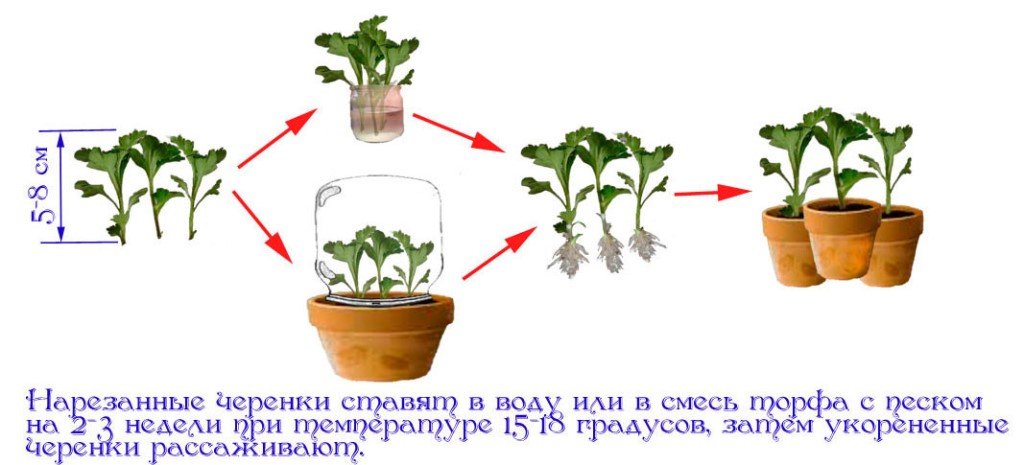
The Multiflora chrysanthemum propagates well by cuttings. You can find the cuttings procedure below:
Features of watering and fertilization
Multiflora is a moisture-loving garden plant. Insufficient soil moisture is a common cause of reduced flowering. In summer, the plant should be watered daily. If it rains, the bush should be watered as the top layer of soil dries out.
In the fall, it's essential to water plants to replenish moisture. This rule applies to flowers that will overwinter outdoors.
Chrysanthemums should be watered with rainwater or settled water. Watering should be done early in the morning or late in the evening. Exposure to direct sunlight on wet leaves or buds can cause burns.
Flowering ornamental plants require a fertile and nutrient-rich substrate. Therefore, chrysanthemums must be fed with organic or mineral fertilizers. Nitrogen-containing substances are added to the soil in the spring, and potassium-phosphorus fertilizers are added in the summer and fall.
If flowering is sparse or weak, you can carry out unscheduled fertilizing with biostimulants and immunomodulators "Bud", "Epin", "Zircon" or "Plantafol" with the formula NPK 5-15-45.
Flower wintering
The end of the growing season marks the beginning of preparing garden plants for winter. There are several options for overwintering multiflora chrysanthemums:
- Varieties described as highly frost-resistant can be overwintered outdoors. The bush is cut back to a height of 10–15 cm from the ground, generously mulched with peat, hay, straw, or spruce branches, and covered with dense agrofibre.
- In a basement or cellar with an air temperature of +2 to +4°C. Plants are trimmed and transferred to flower pots along with the soil. In winter, the bushes are periodically sprayed and cleared of emerging shoots.
- Chrysanthemums can overwinter on a glazed balcony or loggia, where the air temperature is maintained in the range of +3… +10 °C.
Methods of combating diseases and pests
Autumn flowers are susceptible to powdery mildew and gray mold. Early signs of disease include rapid wilting, webbing, and leaf rot. Fungicidal products such as Horus, Flint Star, Magnicur Star, and Fundazol are used to treat this ornamental plant.
This beautiful shrub attracts not only people but also insects. The main pests are spider mites, slugs, thrips, and aphids. Treating the planting area with tobacco dust, mustard, and ground black pepper can help prevent insect infestations. In case of severe pest infestations, insecticides and acaricides such as Aktara, Condifor Maxi, Calypso, and Vermitek can be used.
Applications in garden design
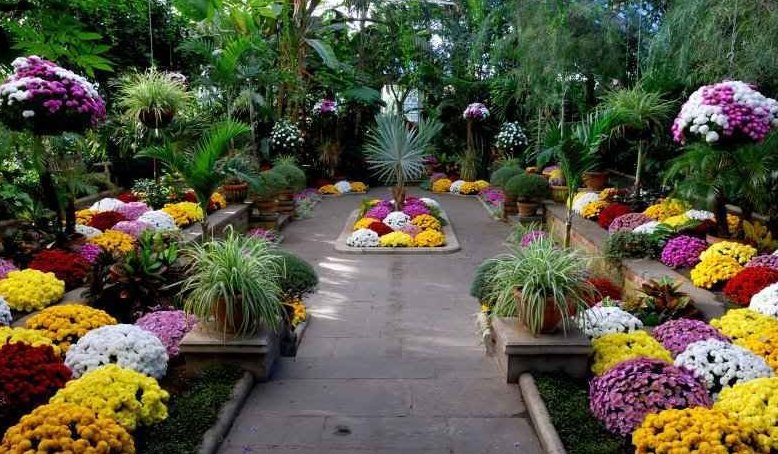
The spectacular multiflora chrysanthemum is widely used in urban landscapes and private gardens. Its beautifully blooming, spherical bushes look quite self-sufficient. They can be used to create single-flower beds, decorate entrance areas, and landscaping the perimeter of a property.
This flower is perfect for decorating garden paths and creating various decorative arrangements. It can also be used as part of an alpine garden or mixed border.
-
- Park design
-
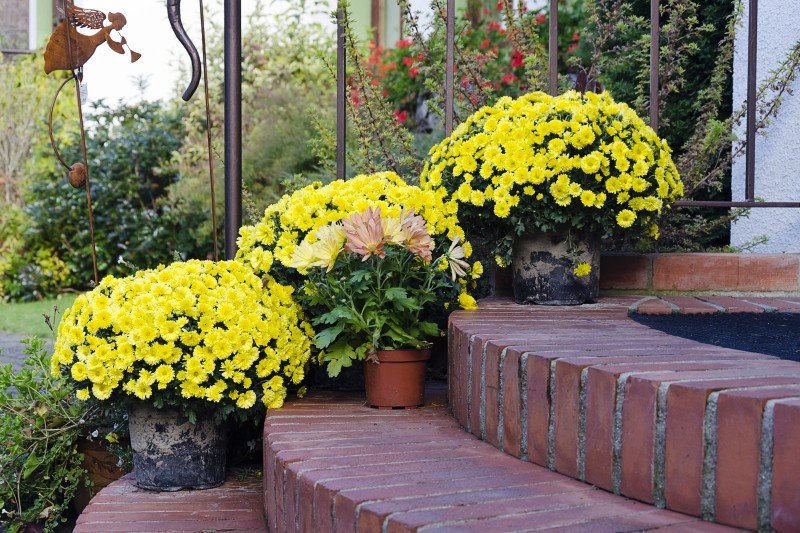
- Decoration of steps
-
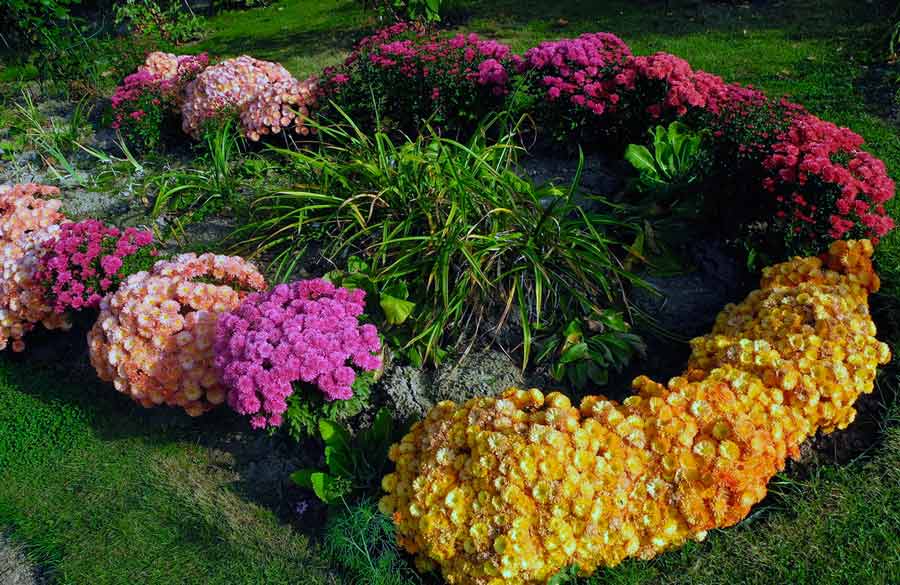
- Flower bed
-
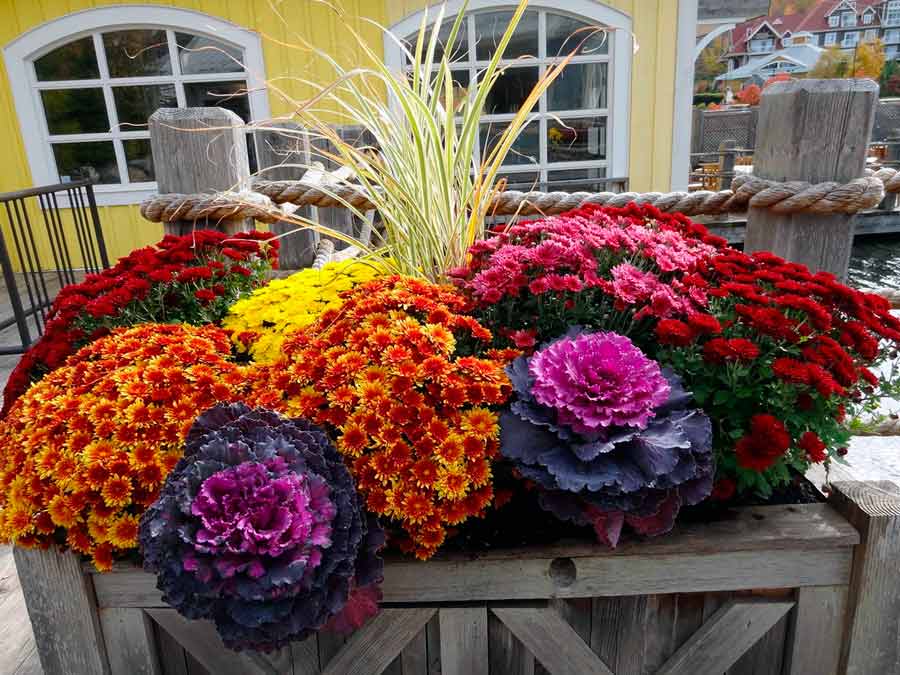
- Creating a decorative element of the site
-
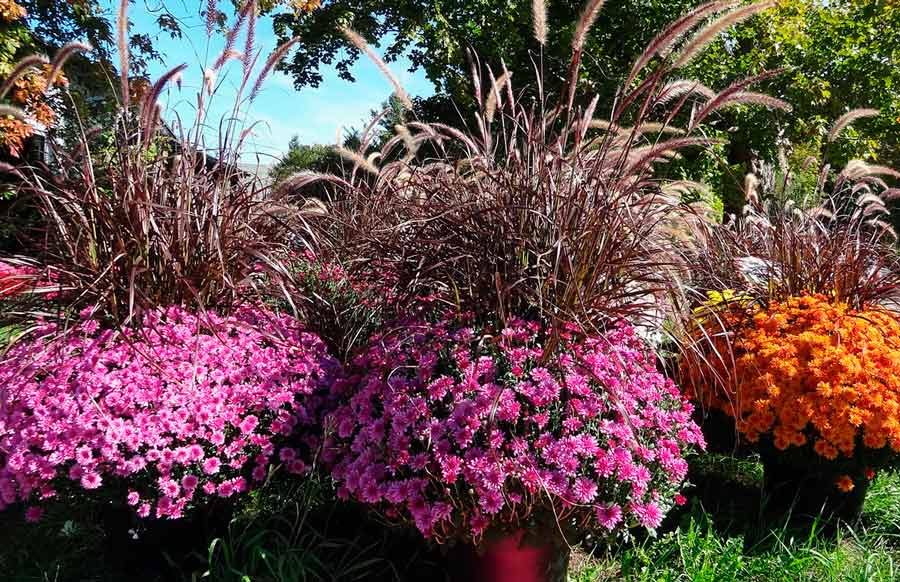
- Combination with cereals
-
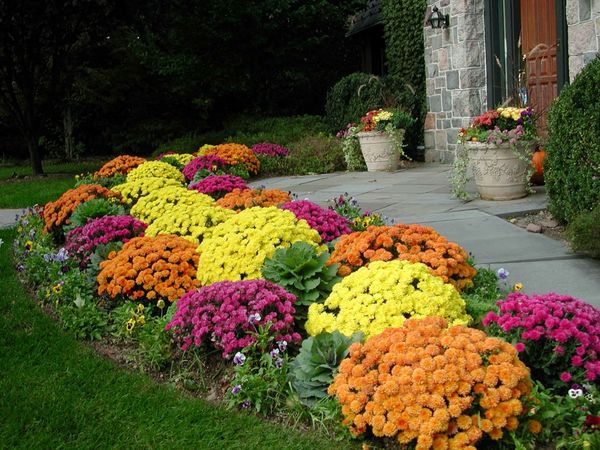
- Garden path design
The multiflora chrysanthemum is an easy-to-grow garden plant. By following the planting and care guidelines described in our article, you can grow this spectacular flower in many regions of Russia, including the Moscow region, the Volga region, and even the northern regions.