
Hydrangea Phantom in garden design: planting and growing features
Content
Features of panicle hydrangea Phantom
The beautifully flowering, spreading Hydrangea Paniculata originally grew in Japan, China, North and South Korea, and also on Sakhalin Island. Only in XVIIIIn the 19th century, plant breeders turned their attention to flowering shrubs and began cultivating them. Thus, as a result of extensive breeding efforts, tree-like, large-leaved, and paniculate species emerged. The most striking representative of the latter group was the Phantom cultivar.
Botanical portrait
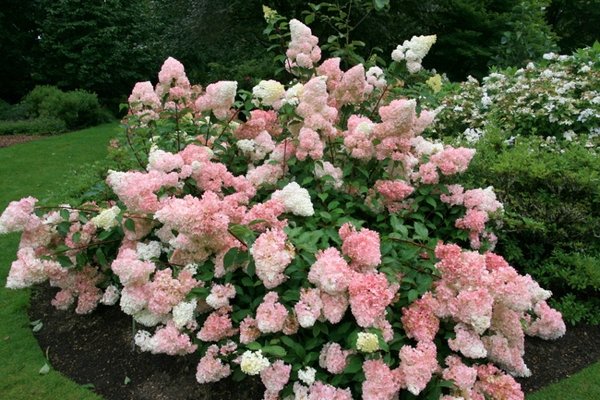
The panicle hydrangea Phantom is a spreading shrub that, with proper care, can grow in one place for about 40 years. The plant grows to a height of 2–2.5 m, with a crown diameter that can reach 2 m. The shoots are strong and sturdy. The bark begins to lignify during the first year of the plant's life.
The fast-growing Phantom hydrangea boasts high ornamental value. The shrub boasts finely serrated, oblong-ovate leaves. The leaf blades are dark green. With the onset of autumn, the leaves acquire a golden-yellow hue.
Features of flowering
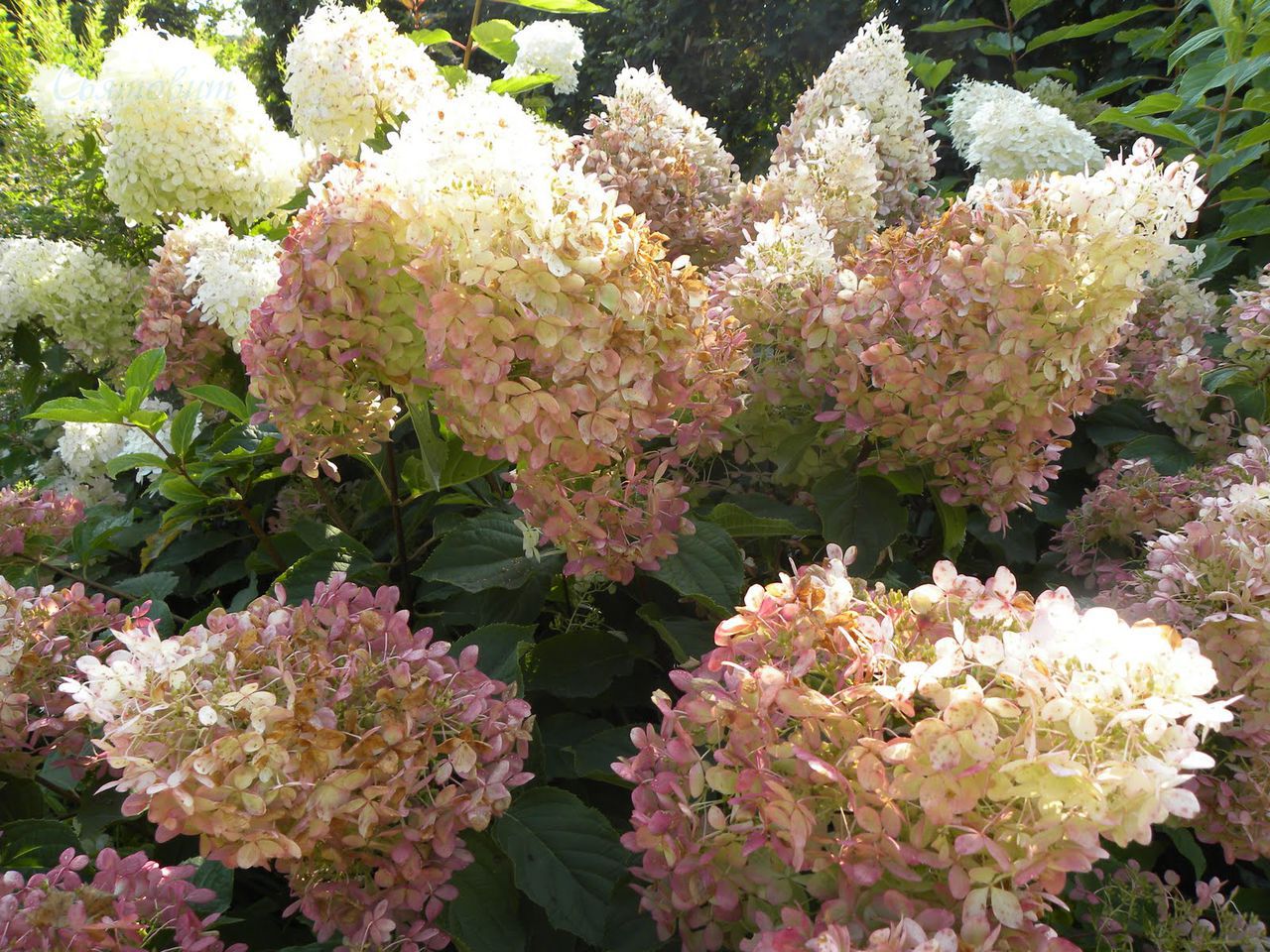
Depending on the climate zone, the flowering period begins in midsummer and lasts until mid-autumn. This variety is characterized by large, racemose inflorescences. The average flower cluster length is 30–40 cm.
The inflorescences consist of small, greenish-white flowers. As they bloom, the petals acquire soft pink and light lilac hues. The small flowers exude a pleasant honey-like aroma.
Frost resistance, drought resistance
This ornamental shrub has average drought tolerance. Prolonged periods of lack of rainfall and improper watering can cause a decline in its decorative qualities.
According to the variety description, Phantom is a winter-hardy ornamental plant. It can be grown in both southern and northern regions of the country. Temperatures as low as -25°C pose no threat to the shrub.
Video: "A Detailed Review of the Hydrangea Paniculata 'Phantom'"
This video discusses the basic rules of cultivation for ornamental flowering shrubs.
Secrets of successful cultivation
Following simple agricultural practices will help your plant achieve more lush and vibrant blooms.
Selecting a location and determining planting dates
Planting a seedling begins with choosing a location. Phantom hydrangea prefers light partial shade. The chosen garden site should be protected from wind and drafts.
The optimal time for planting hydrangeas outdoors is early spring. Make sure the buds on trees and shrubs are still dormant. Otherwise, the seedlings will take longer to establish and will have a difficult time establishing themselves.
Soil requirements
Phantom prefers well-drained, fertile loamy soil with an acidic or slightly acidic pH. It also thrives in peat substrates and sandy soil with a well-designed irrigation system.
An alkaline environment is detrimental to hydrangeas. The shrub grows poorly and develops poorly, and the flowers lose shape and color.
Planting rules
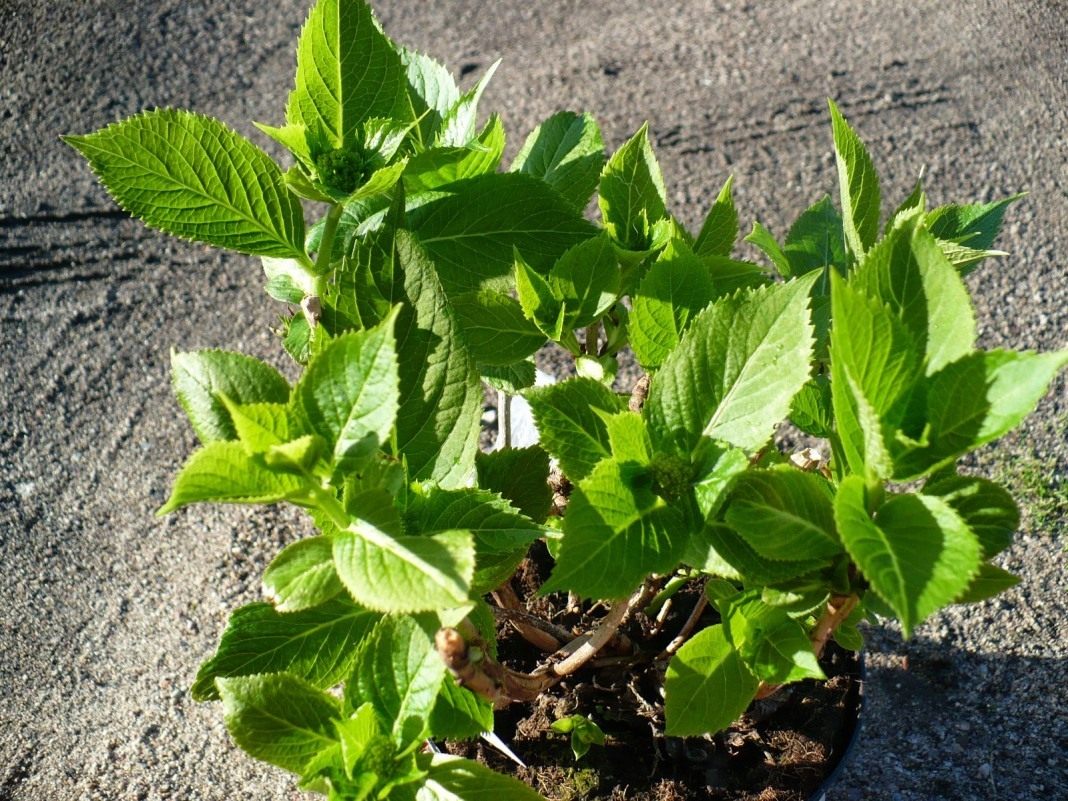
A cutting with shoots and formed leaves is suitable for planting. Before planting outdoors, keep the cutting in a cool, semi-dark place.
A planting hole 40 cm deep and 70–80 cm in diameter is prepared in advance. The bottom of the hole is lined with expanded clay or gravel, which acts as a drainage layer to remove excess moisture. The excavated soil is mixed with compost, humus, and peat.
A mound of fertilized soil is formed in the center of the hole. The cutting is planted deep in the center of the mound, ensuring that the root collar remains above the soil surface.
Methods of propagating hydrangea
Most often, panicle hydrangea is propagated by vegetative methods: layering and rooting of seedlings/cuttings.
Let's take a closer look at the layering method. The outer young shoots are carefully bent to the ground and placed in shallow trenches. The branches are covered with soil. Over time, young shoots will begin to emerge from the soil. Once the shoots have strengthened and formed 3-4 leaves, they can be separated from the parent plant.
Watering regime and fertilization schedule
Paniculata hydrangea doesn't tolerate drought well. For this reason, this ornamental shrub requires frequent and generous watering—on average, 1–2 times a week. The need for watering is determined by how dry the top layer of soil is.
A beautiful flowering shrub requires additional nutrition. In the spring, when growth begins to accelerate, apply nitrogen-containing fertilizers. To stimulate the growth of young shoots, add compost or mullein diluted with water to the soil.
Pruning panicle hydrangea
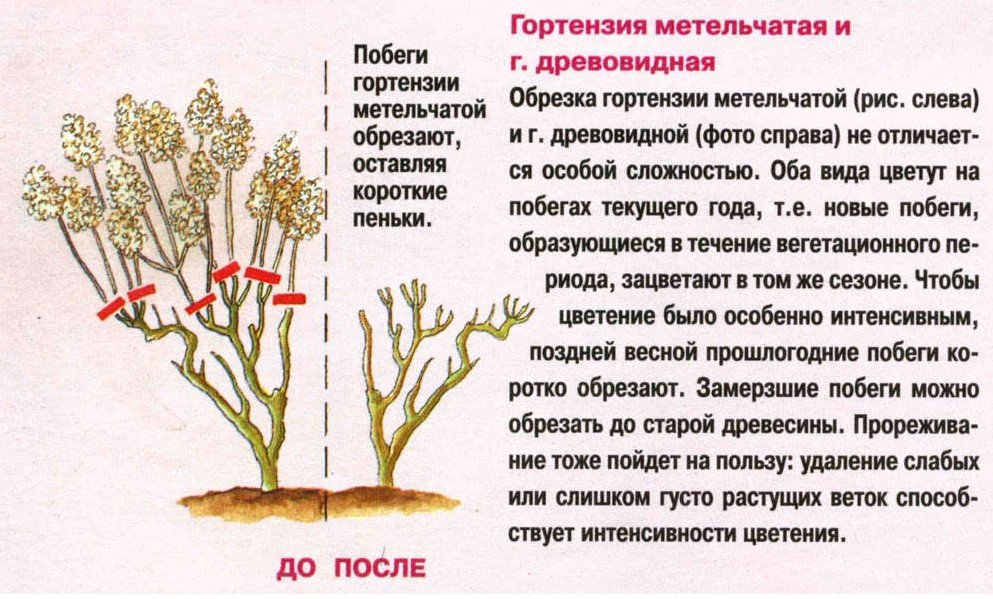
After flowering, prune the shrub. Faded flowers and dead shoots must be removed. Young branches are shortened by 2-4 buds, and older branches are cut back almost to the ground. This pruning method helps stimulate new growth with the arrival of the first warm weather of spring.
Shelter for the winter
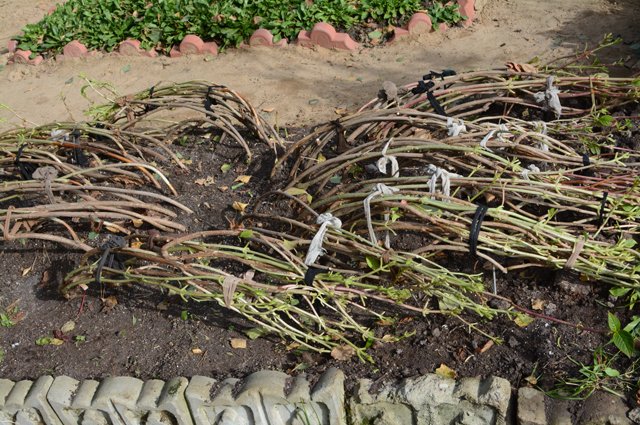
Winter preparation depends on the regional climate. For example, hydrangeas grown in southern regions are not protected for the winter. The plant is pruned according to the scheme described above, and the area around the trunk is covered with a layer of peat and humus. This "cushion" protects the roots from temperature fluctuations.
Hydrangeas growing in central and northern regions are insulated for the winter. The lower part of the bush is covered with peat, humus, dry fallen leaves, and hay, while the upper part is covered with pine branches or agrofibre.
Resistance of the variety to diseases and pests
Hydrangea Phantom is resistant to various diseases. It can be extremely rarely affected by septoria and chlorosis. In the former case, use Bordeaux mixture, and in the latter, use the products "Antichlorosis" and "Ferovit."
Dangerous pests of this variety include leaf aphids, spider mites, and slugs. These can be controlled with insecticides such as Actellic, Fufanon, Neoron, and Vermitek.
Application in landscape design
Thanks to its highly decorative qualities, the Phantom hydrangea is widely used for landscaping. This beautiful shrub with lush inflorescences is used to create hedges, mixed borders, and tree-shrub compositions. The plant looks harmonious against a backdrop of deciduous, coniferous, and other flowering plants.
Phantom hydrangea is often used in solitary and group plantings. It is planted in clearings, near garden gazebos, in front gardens, and on lawns. It can also be used to beautify city squares and park areas.
-
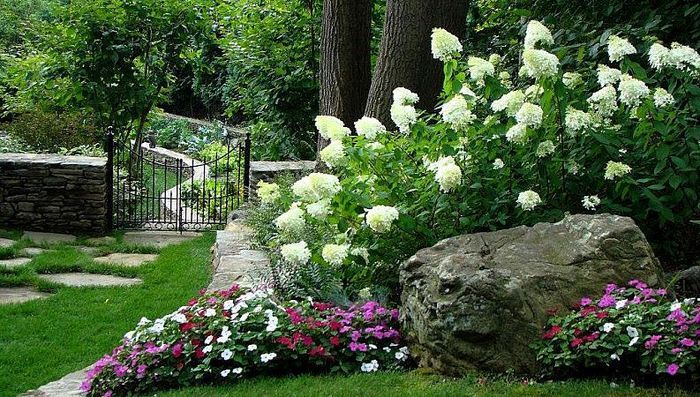
- Group multi-tiered compositions
-
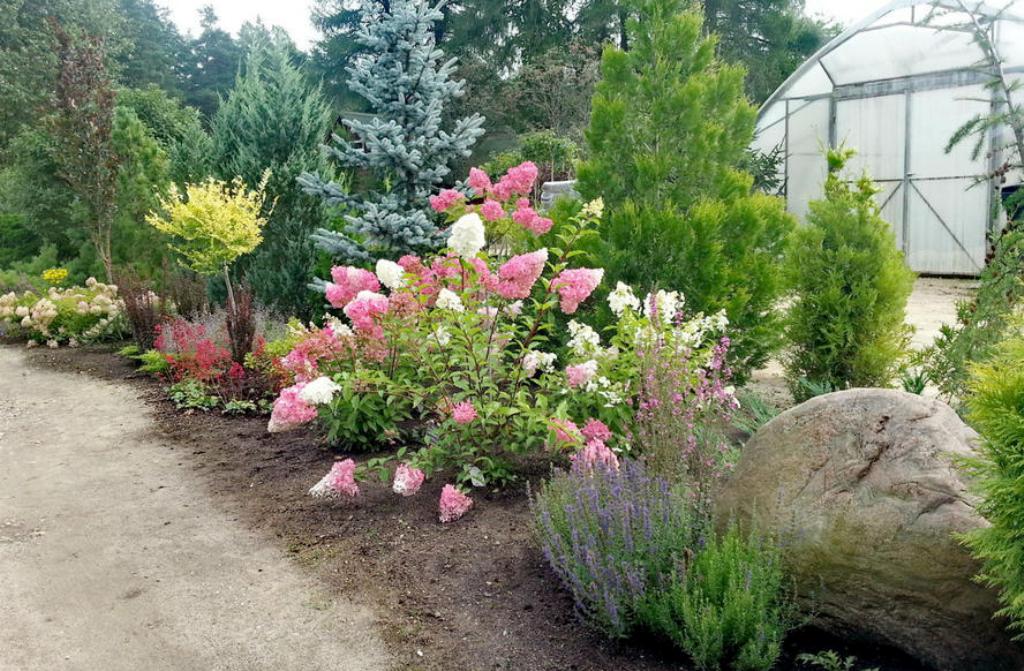
- Mixed type mixborder
-
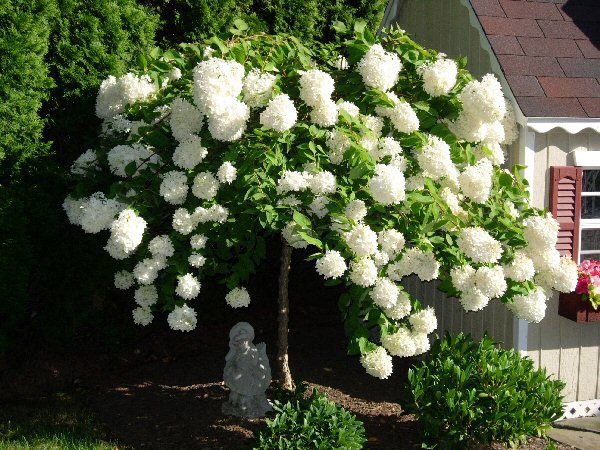
- Formation of a standard tree
-
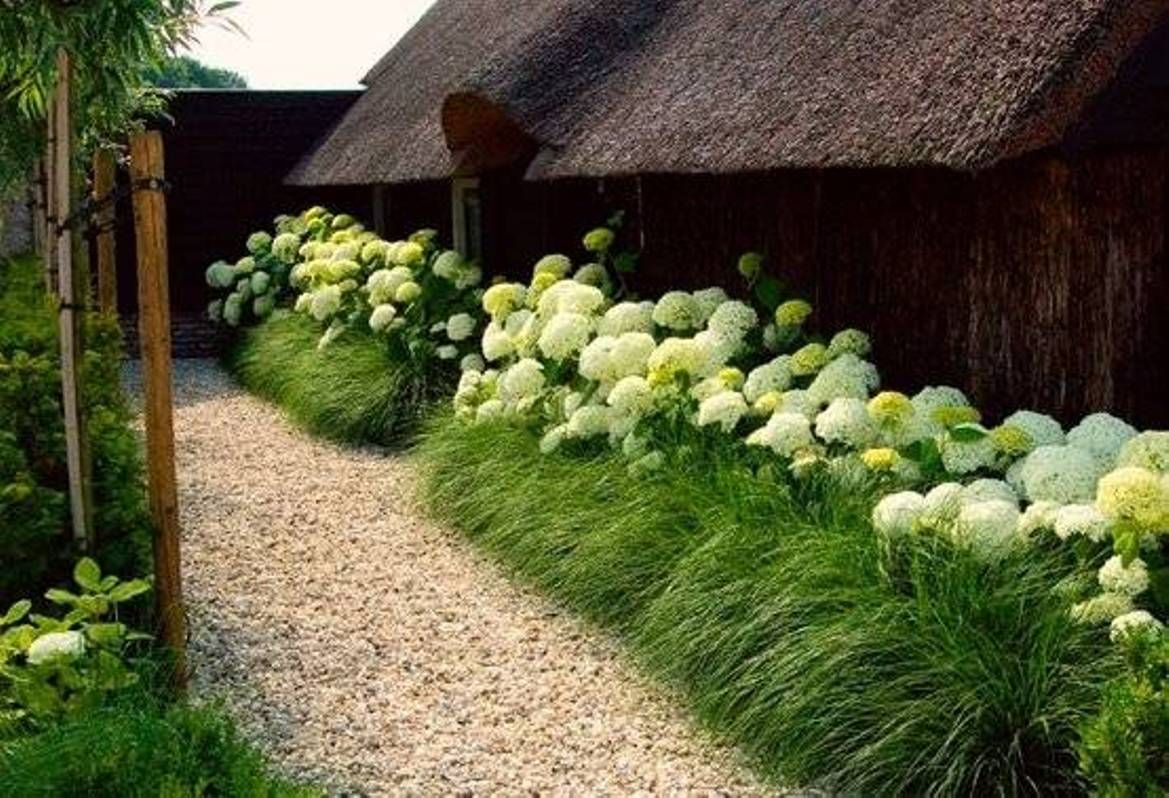
- Monochrome English flower garden
-
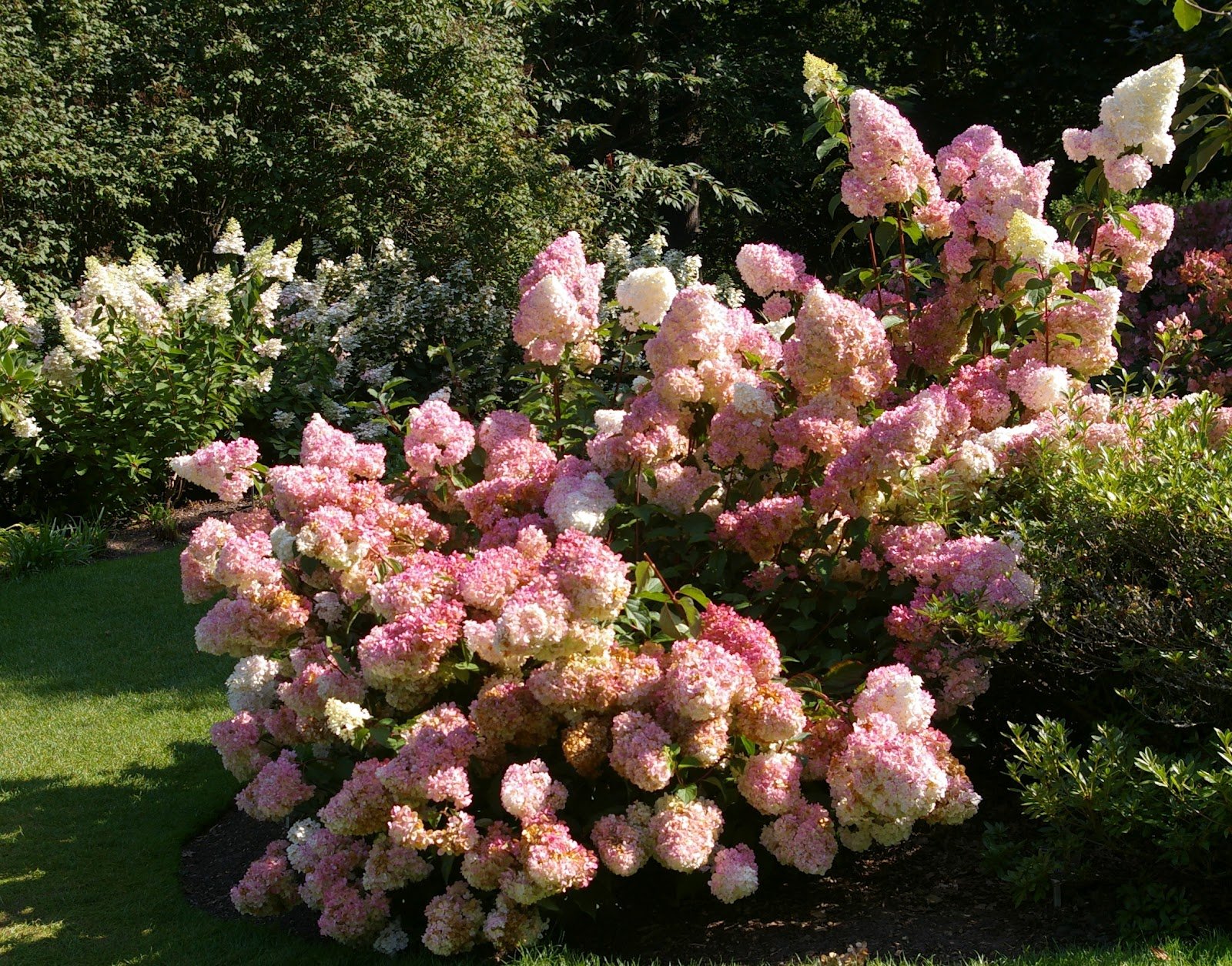
- Solitaire planting
-
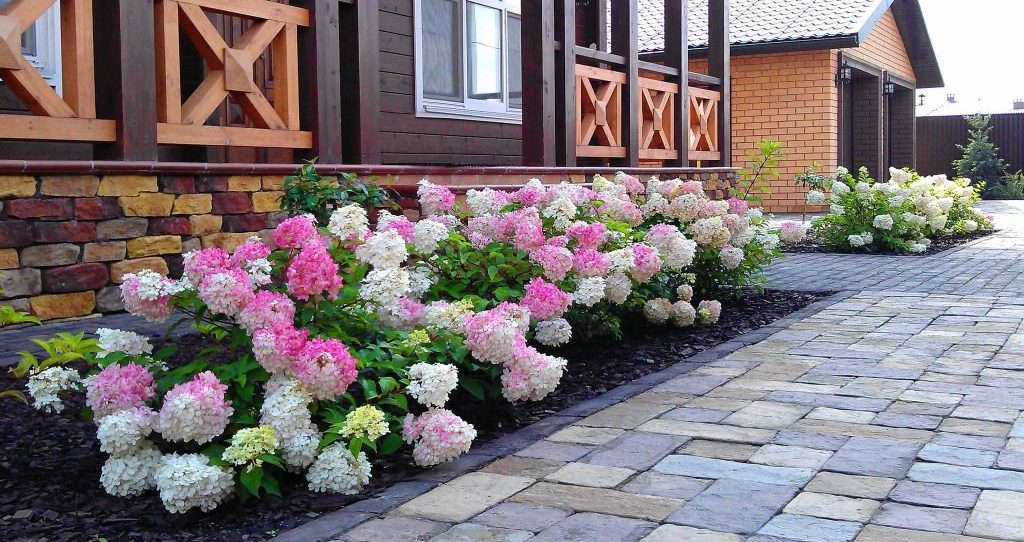
- Ribbon plantings
Reviews from gardeners
"Two years ago, I planted a Phantom hydrangea cutting I bought at a gardening fair. The plant quickly took root and grew vigorously. Now we have a beautifully flowering ornamental shrub in our garden."
"The Phantom hydrangea occupies a special place in our garden. Surprisingly, such a beautiful ornamental plant turned out to be completely low-maintenance."
The panicle hydrangea "Phantom" is suitable for growing in almost all regions of Russia. Even novice amateur gardeners can manage planting and growing this ornamental plant.