
How to plant and grow paniculate gypsophila in your garden
Content
Description of garden culture
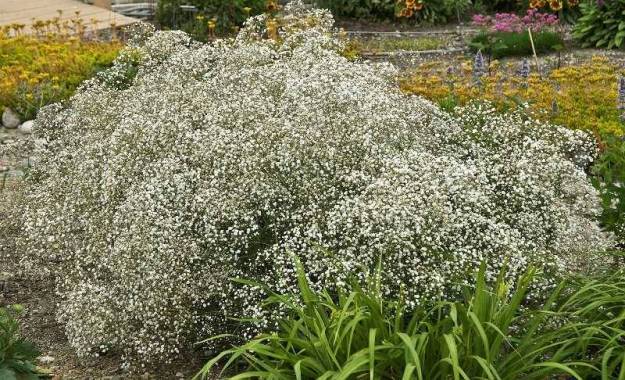
Gypsophila belongs to the carnation family and is a herbaceous plant for open ground. It gets its name from its preference for limestone soil. The plant's flowers are small, up to 0.7 mm in diameter. They are usually white or pink. The stems reach 50 cm in length and are leafless. The subshrub species reaches 1.2 m in height. Gypsophila can be annual or perennial.
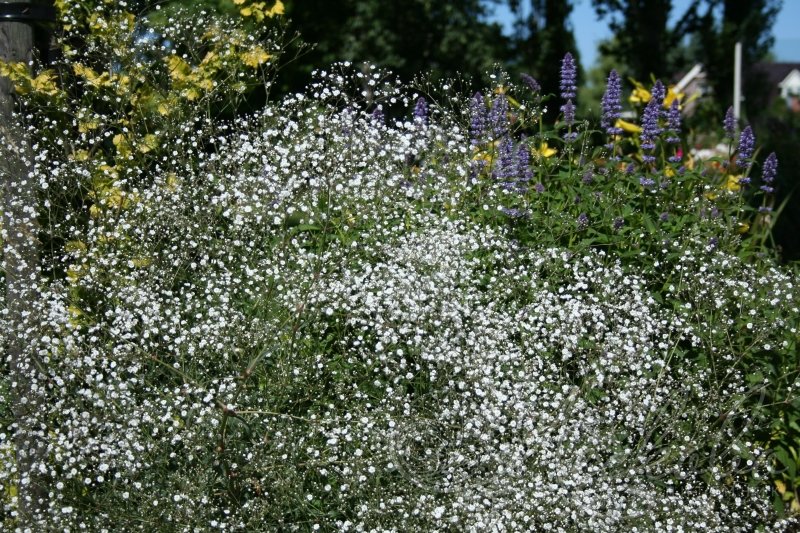
Popular varieties of Gypsophila paniculata
There are over 100 varieties of this plant. Common species:
- Paniculata. A perennial shrub with numerous thin branches. It blooms profusely. Popular varieties:
- Bristol Fairy. Height up to 60 cm, flowers white, double. Grows in the same spot for many years, without the need for repotting.
- Flamingo. Bush up to 1.2 m tall. Blooms with double pink flowers.
- Perfecta. A bush up to 1 m tall. Narrow, small leaves and large, double flowers. Suffers from high groundwater levels.
- Cerastium. Native to the high mountain regions of the Himalayas, it is a low plant, reaching up to 10 cm. Flowers appear several years after planting.
- Graceful. An annual plant up to 50 cm tall, resembling a ball. It blooms profusely. Its varieties Carmine, Rose, and Darble Star offer white, red, and pink flowers.
- Creeping. It spreads along the ground, with flowers gathered in inflorescences. Popular varieties include Meadow, Fretensis, and Monstrosa.
-
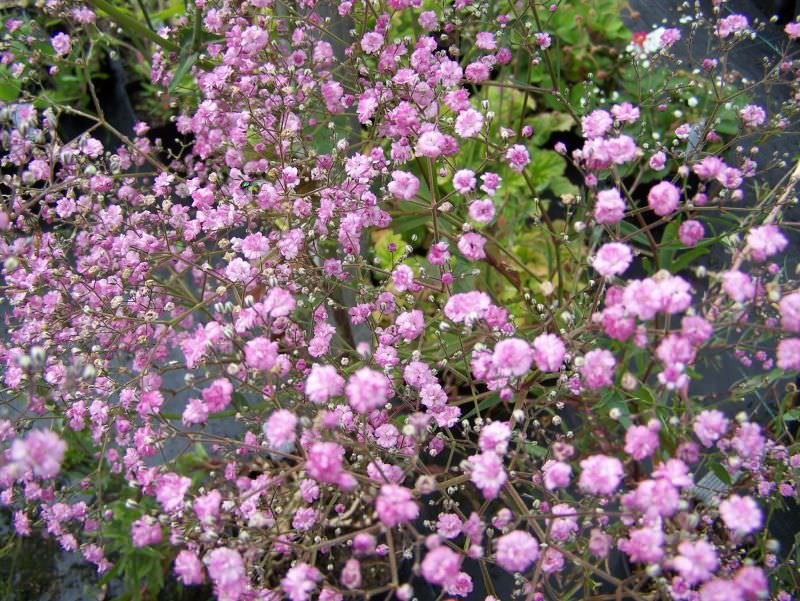
- Flamingo
-
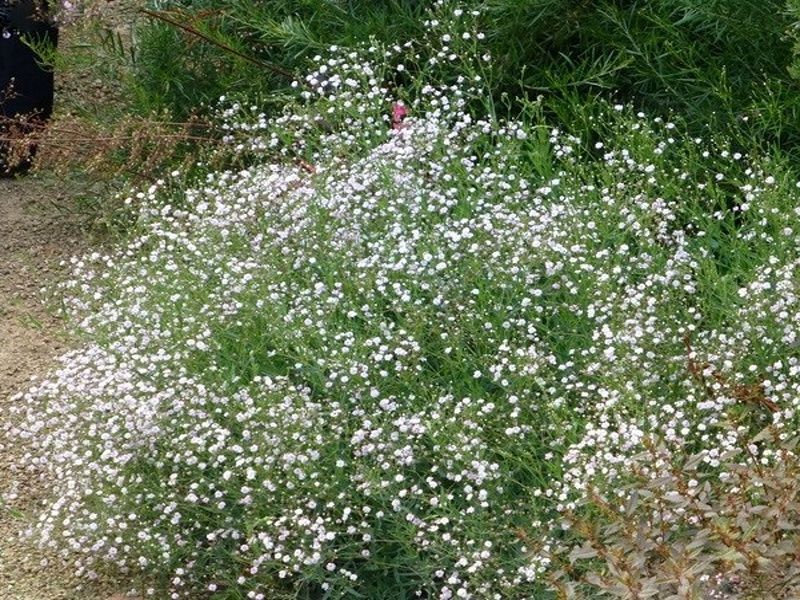
- Perfect
-
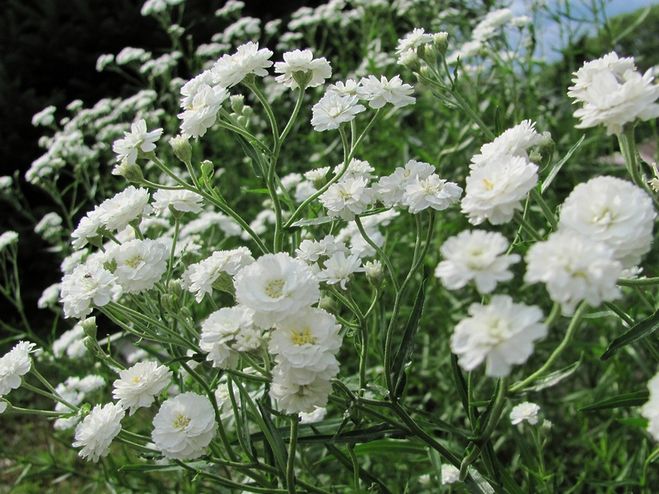
- Bristol Fairy
Video: Description of Gypsophila paniculata
This video presents a varietal description of an ornamental shrub.
Features of planting and propagation
Determining planting times
To make the bush grow faster, prune the shoots as soon as the flowering stage is complete.
Seeds for seedlings are sown in the second ten days of March. Young plants are moved outdoors once there is no longer a risk of frost. It is also possible to sow seeds directly into the soil before winter, and then transplant the seedlings to their permanent location. Cuttings for subsequent planting are taken in August.
Soil and site requirements
Gypsophila is planted directly in a permanent location; it does not require frequent replanting and can remain in one place for several years. It's important to choose a well-lit area with limed, sandy-clay soil. In fact, you can grow gypsophila in your garden, regardless of your soil type. Simply prepare a hole for the gypsophila with lime, ensuring the pH is no higher than 6.3-6.7. Before planting, fertilize the soil, loosen it, and ensure proper drainage. The plant does not tolerate excess moisture.
Propagation by seeds
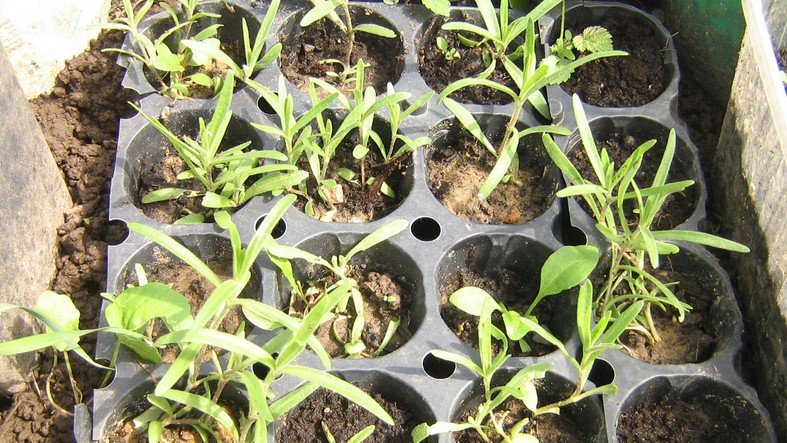
Seeds are sown in spring or fall. In spring, seeds are sown in individual containers. This method is more often used for perennial varieties. The soil should be loose, light, and moist, with adequate drainage. The seeds are placed in furrows no more than 0.5 cm deep, covered with soil, and covered with glass or clear plastic film. The container should be kept in a warm, well-lit area.
Seedlings appear 7–14 days after sowing. They are thinned out, and the plants' daylight hours are increased to 13 hours. After three true leaves appear, the gypsophila is planted in the ground. No more than 2–3 seedlings are placed per square meter.
Vegetative propagation
Dense planting of tall bushes leads to rare flowering and the need for replanting, which the gypsum plant does not tolerate well.
Before the gypsophila begins to bloom, young shoots are cut for planting. They are planted in prepared soil in separate containers, to a depth of 3 cm. Use loose, chalky soil with good drainage. This propagation method requires more attention than sowing seeds, as the rooting rate is low.
To protect the plant from excess moisture and drafts, place a transparent cover over it. Watering is adjusted based on how quickly the soil dries out. Stagnant water is harmful to the plant. Germination temperature should be +20°C, with 12 hours of daylight. The new plant is transferred to its permanent location in late summer to allow the roots to establish before the cold weather sets in. Cover the plant for the winter.
Proper care for paniculate gypsophila
Watering mode
Gypsophila paniculata is easy to care for and doesn't cause any trouble for gardeners. To ensure lush blooms and a delightful view, simply weed the soil around it regularly, water it properly, and fertilize it. Moderation is key. The plant only needs water in hot, dry weather. Water should be applied only at the roots. Overwatering will negatively impact the plant.
Fertilizer application rules
With suitable temperatures and sufficient light, gypsophila can thrive without additional fertilizer. After 14–21 days, feed the plant with "Oracle," a fertilizer designed for flowering plants. If the plant is planted in a shady spot, enrich the soil with humus and mineral supplements. Available fertilizers include crushed eggshells, chalk, lime, and wood ash. Add organic matter carefully to avoid upsetting the soil's pH balance.
Using a cow manure infusion produces good results. Fresh cow manure can kill the shrub. In the fall, after the gypsophila has finished blooming, phosphorus-potassium fertilizers are added to strengthen the root system. This also promotes active growth of new branches and the formation of flowers for the future.
How to prepare for winter
In late autumn, perennial gypsophila varieties are cut back, leaving up to four strong shoots above the root. The prepared bushes are covered with leaves, peat, or spruce branches. This is necessary to protect the plant from severe frosts or light snowfall.
Protection from diseases and pests
In the complete absence of minimal care, the following problems arise:
- rust;
- gray mold;
- root-knot nematodes.
To easily eliminate the problem, simply spray the bushes with phosphamide regularly. If this doesn't help, dig up the bush and wash it, root and all, in hot water. Copper sulfate is suitable for combating rust.
Using Gypsophila paniculata in garden design
Growing gypsophila as the main flower in a garden is a mistake, as the plant will look pale and lonely. Its beauty and uniqueness are revealed by placing it alongside other, more vibrant flowers. The creeping variety of gypsophila is used in rock gardens, rockery beds, rock walls, or as a groundcover.
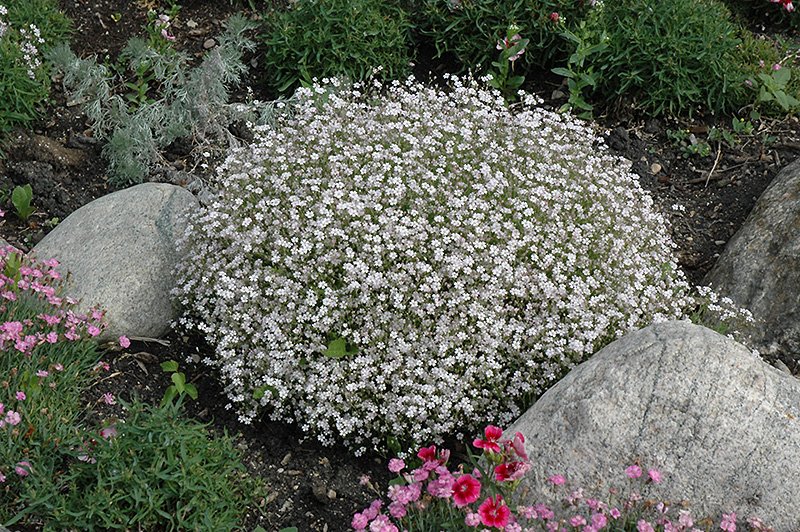
Varieties of paniculate gypsophila successfully complement large-flowered roses, tulips, godetia, eschscholzia, and vibrant marigolds. These perennial shrubs fill in areas that become empty after other species have finished blooming. The "cloudy" appearance of the shrubs visually enlarges the garden space.
Gypsophila is prized for its beauty, even after the cut branches have dried. It is widely used in bouquets and ikebana to complement and enhance larger, brighter flowers.
Gypsophila will brighten any flowerbed. This plant is distinguished by its cloud-like bushes covered in tiny flowers. It requires little care or water, and it tolerates drought well. A simple method of propagating baby's breath is by sowing seeds. It's impossible to imagine an alpine garden without it.