
Spectacular Shrubs in Garden Design: Growing the Elegantissima White Dogwood
Content
Botanical characteristics of the plant
Cornus alba Elegantissima (full Latin name: Cornus alba Elegantissima) belongs to the group of deciduous shrubs in the Cornaceae family. Thanks to its high frost resistance, as noted in the variety description, this ornamental shrub can withstand harsh Russian winters. In the wild, it is found primarily in Siberia and the Far East.
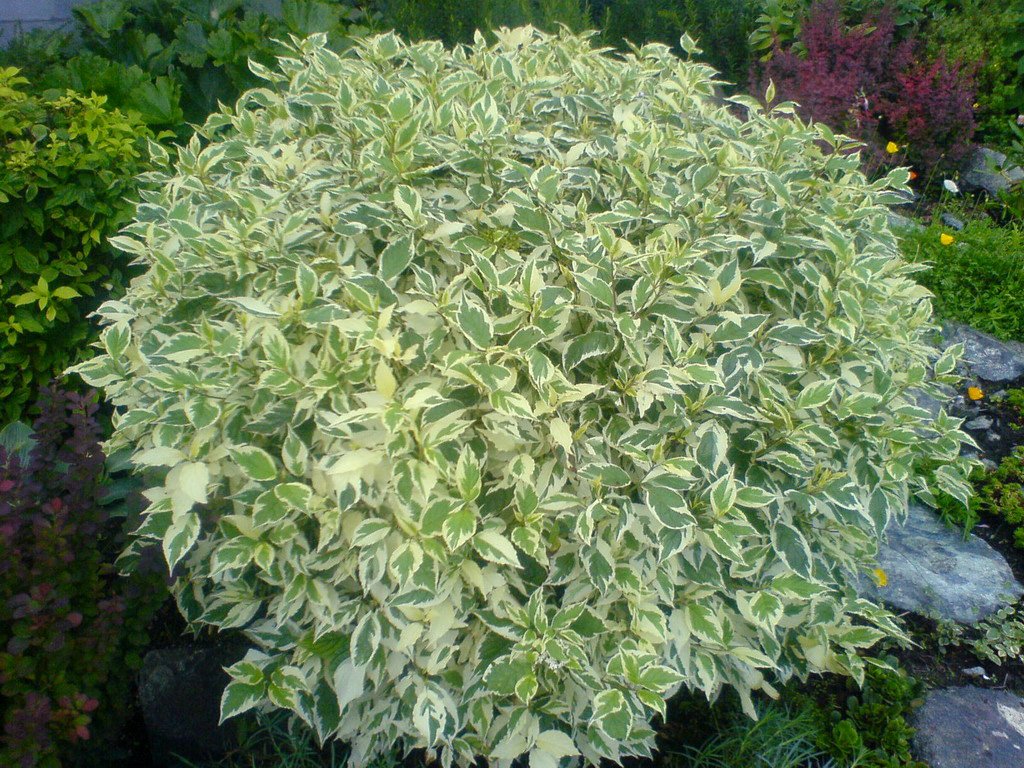
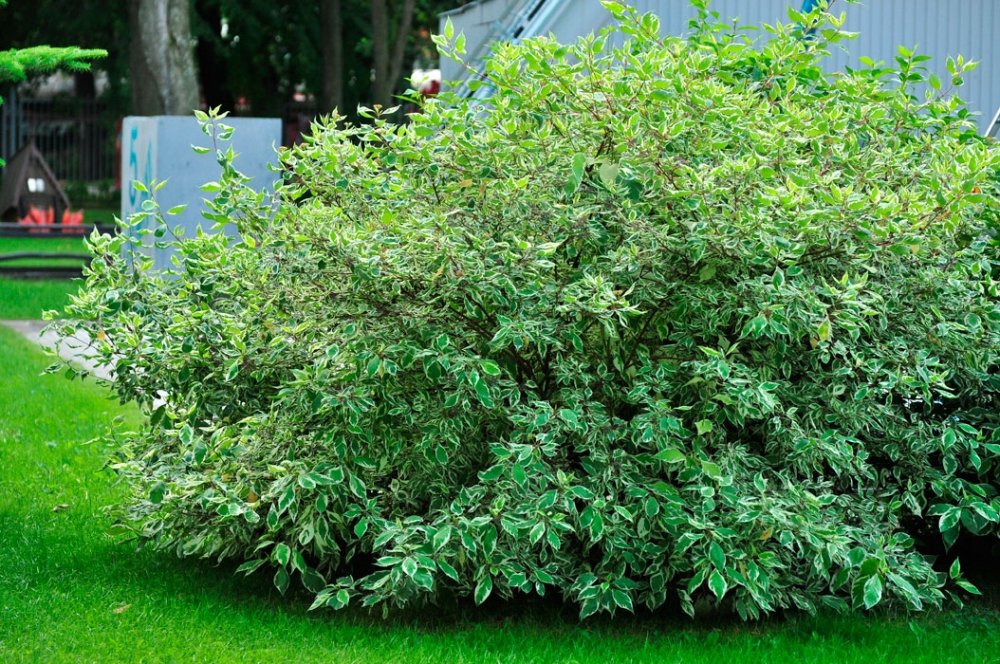
The white dogwood Elegantissima is considered one of the most striking and spectacular representatives of the Cornaceae family. The average height of the shrub is 3 meters. The crown size depends on the chosen training method, so the diameter of the shrub can range from 3 to 5 meters. The plant is most often trained into a spherical or hemispherical shape.
Young shoots, typically olive-green, are highly flexible. The bark of mature shoots is grayish-red, giving rise to the popular nickname "red willow." The spreading branches tend to intertwine extensively.
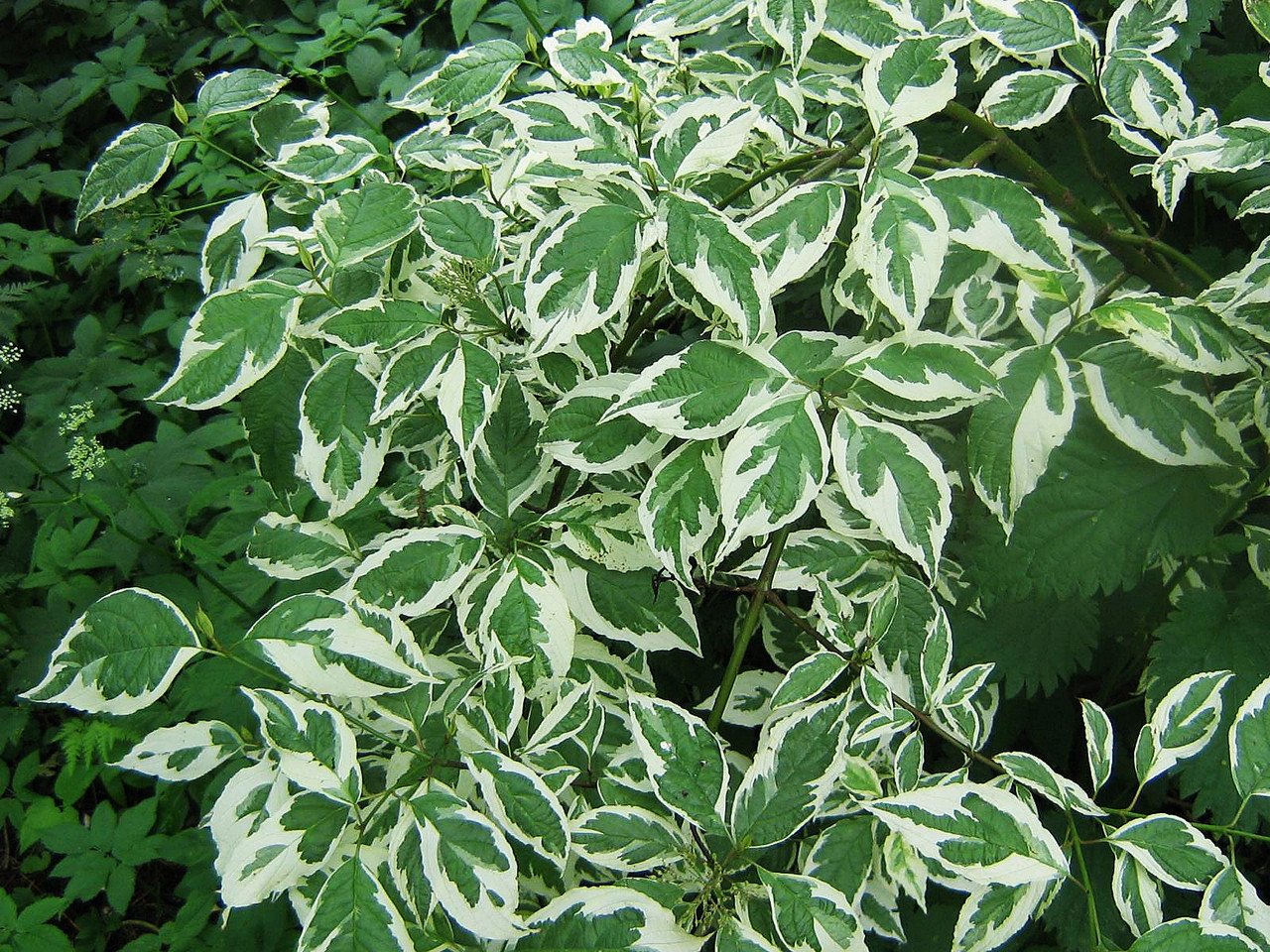
Dogwood Elegantissima attracts attention with the unusual color of its leaves. The heart-shaped and broadly oval leaf blades are painted in a glaucous-green color with a delicate white-cream border. The surface of the leaf is slightly concave, length is up to 10 cm.
It blooms in May and June. A second bloom is sometimes possible, occurring in the second ten days of August. This variety is characterized by corymbose inflorescences with small white or light pink flowers. After flowering, small, gray-blue fruits form. The berries of the Elegantissima dogwood are not edible.
Video "White Dogwood Elegantissima in the Garden"
This video presents the varietal characteristics of the crop and describes its main cultivation secrets.
Planting rules and care secrets
The main advantage of the Elegantissima dogwood is its attractive appearance. However, it's important to remember that the plant's vitality and decorative qualities are determined by its growing conditions and agricultural practices. Let's review the basic rules for planting and growing this ornamental shrub.
Planting dates
White dogwood can be planted in both spring and fall. Fall planting should be done at least 3-4 weeks before the expected first frost. So, be sure to keep an eye on the weather forecast.
For northern regions, where winter arrives much earlier, spring planting is preferable. Otherwise, the young plant may not survive the winter.
Site and soil requirements
This ornamental shrub is undemanding in terms of location. It can grow in sun, partial shade, and shade. However, when grown in shade, the plant's ornamental qualities are reduced.
Elegantissima prefers a moist and fertile environment. The shrub grows best in peat-rich loams and slightly alkaline soils with good moisture levels. White dogwood can be grown in lowlands, as it tolerates high soil moisture.
Landing algorithm
The planting hole is prepared in advance—at least 10–15 days before the intended planting date. The hole should be 1.5 times larger than the seedling's root system.
Despite the shrub's moisture-loving nature, stagnant water in the soil will not do any good. Therefore, it's best to line the bottom of the hole with drainage material. This could be expanded clay, gravel, crushed stone, or broken red brick.
The next step is improving soil fertility. The excavated soil is mixed with humus, peat, and mineral fertilizers. The planting hole is generously watered (immediately before planting). Once the water has been absorbed, the seedling is carefully removed from the container, without removing any clumps of soil from the rhizome, and placed in the center of the hole. The plant is covered with soil. The area around the trunk is gently compacted and watered.
Watering and fertilizing the plant
Water the Elegantissima dogwood whenever the soil dries out. The soil beneath the shrub should be kept slightly moist at all times. Avoid overwatering or overdrying the soil.
On average, two buckets of settled water are poured under each mature bush. Watering is best done early in the morning or late in the evening, when the sun is not blazing.
Unlike other ornamental shrubs, the Elegantissima white dogwood doesn't require frequent fertilizing. Fertilizer should be applied no more than once every 3-4 years. For fertilizer, you can use mineral or complex mixtures for ornamental deciduous plants.
Pruning rules
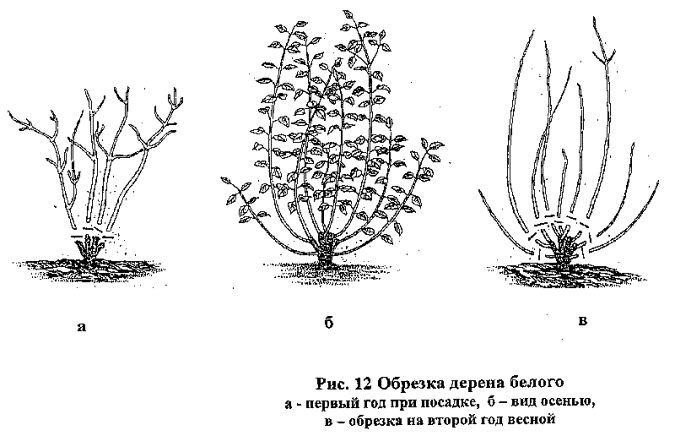
The first pruning is done three years after planting. All shoots are removed by a third. Subsequently, the shrub should be pruned annually, periodically removing dead and damaged branches. Crown shaping depends on the gardener's preference. The plant can be shaped into a ball, a hemisphere, or even a standard tree.
It is not recommended to prune the shrub during active sap flow. Sap dripping from the cuts can cause the shoots to rot.
Preparing for winter
Thanks to its high winter hardiness, Elegantissima doesn't require winter protection. The plant is frost-resistant. If exposed to frost, young shoots quickly recover.
Experienced gardeners advise that only seedlings planted this year can be insulated. Young plants should be covered with dry fallen leaves and wrapped in burlap.
How to propagate dogwood Elegantissima
Red alder can be propagated by seed or vegetative methods. The former is more suitable for experienced gardeners.
Preparing and sowing seeds
Seeds are collected in the fall and sown in the spring. Seeds kept in a cold place all winter have a higher germination rate.
Propagating by seed is a time-consuming and labor-intensive process. You'll have to wait a long time for the first shoots to emerge. There's also a high risk that birds will carry the seeds to remote corners of the garden. Once sprouted, the seedlings need to be watered and periodically fertilized with mineral fertilizers.
Propagation by layering
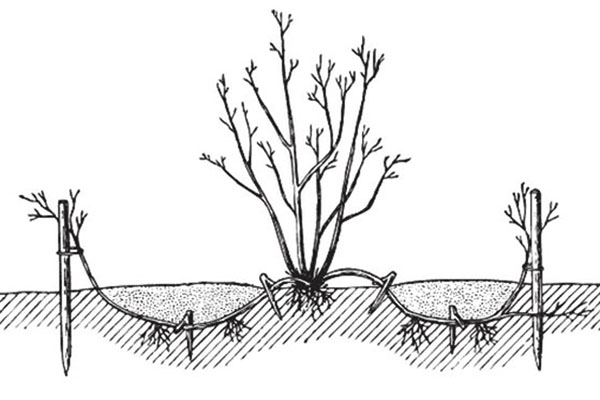
Propagation by layering is the simplest method of dividing a bush. Healthy young shoots are bent to the ground and secured with special staples. The secured areas are covered with soil. When leaves form on the emerging shoots, the plants are separated from the parent plant and transplanted to their permanent location.
Propagation by cuttings
The plant is best propagated using woody cuttings 15–20 cm long with several healthy buds. The prepared cuttings are soaked in a Kornevin solution and planted at an acute angle in a mixture of sand and humus. The cuttings should be rooted in a greenhouse, periodically moistening the substrate and misting the upper parts of the plants.
Unfortunately, dogwood cuttings do not take root well, so this method of propagation is rarely used by gardeners.
Diseases, pests and effective methods of protection
White dogwood is resistant to diseases and pests. It can be extremely rarely affected by aphids and scale insects, which can be controlled with insecticides such as Vermitek, Aktara, Actellic, and Calypso.
If not cared for properly, the plant can become infected with powdery mildew. To protect the shrub, use a soap solution, garlic decoction, horsetail infusion, or fungicides such as Skor, Switch, Fundazol, and Topaz.
Using the White Dogwood Elegantissima in Landscape Design
The striking appearance of the white dogwood Elegantissima hasn't gone unnoticed by landscape designers. This ornamental shrub is widely used in mixed and deciduous mixed borders, hedges, and compositional plantings. When shaping the crown into a standard tree, the plant is planted as a specimen.
-
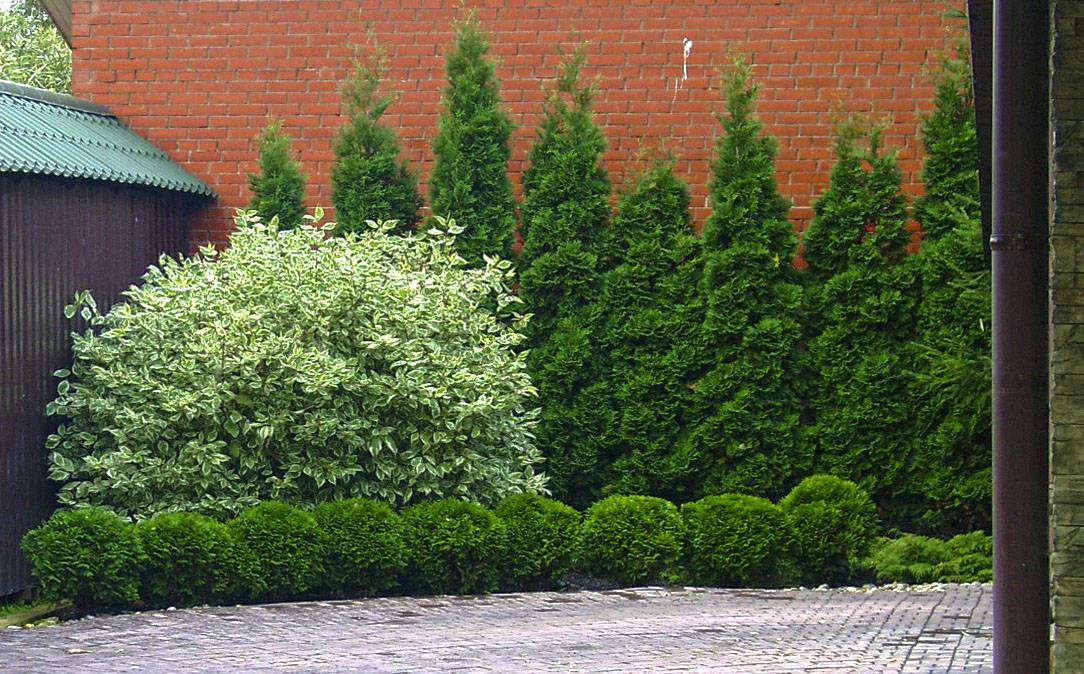
- Use in a mixed border
-
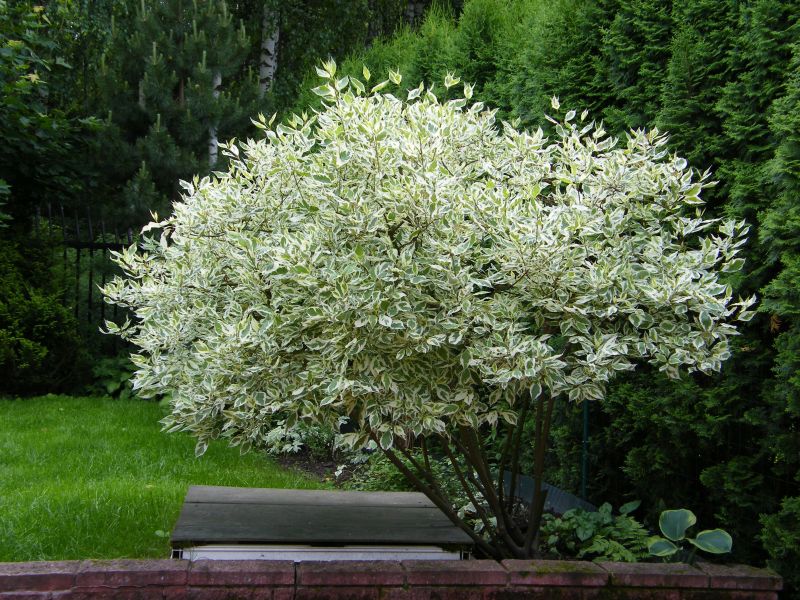
- Solitaire planting
-
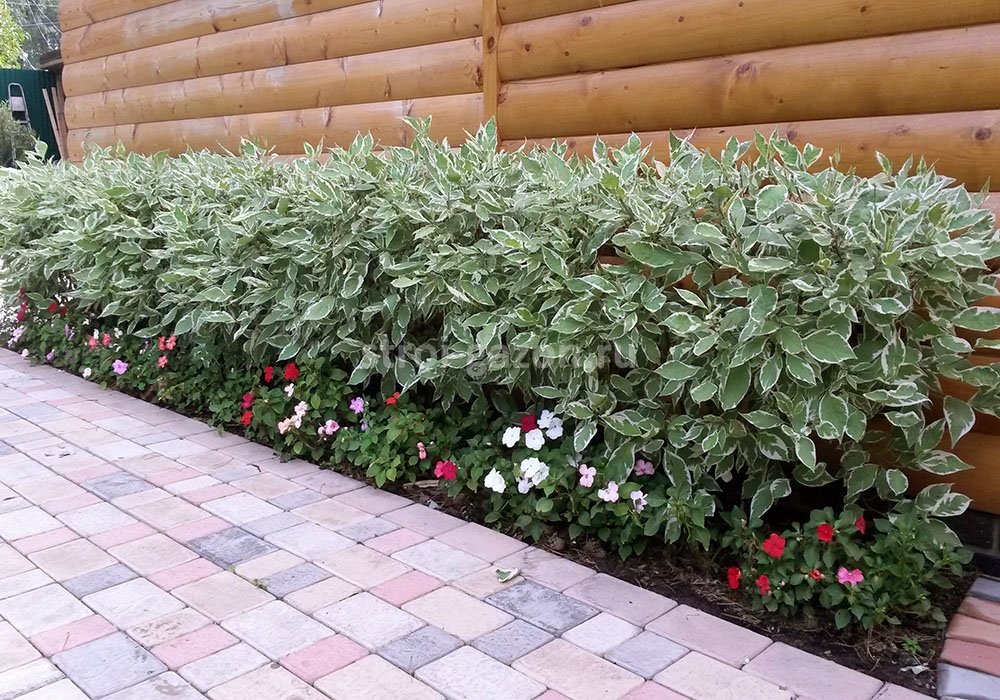
- Design of garden paths
-
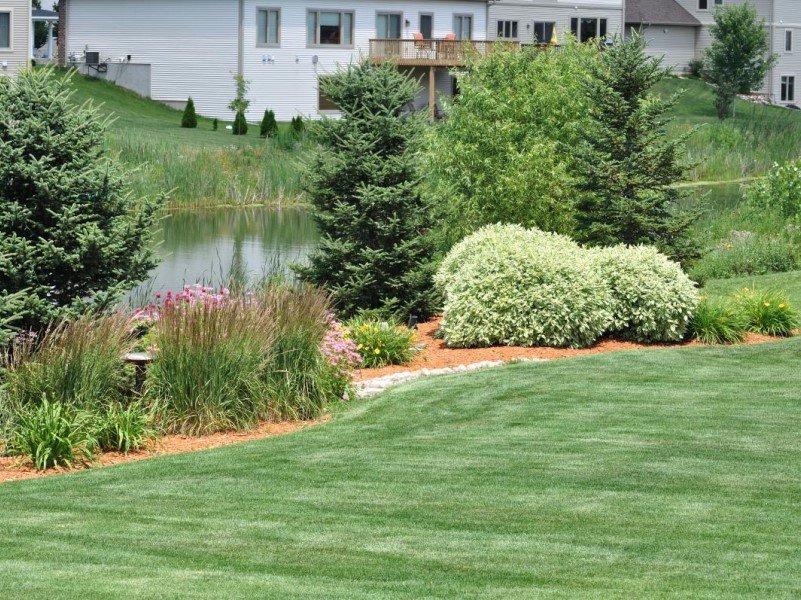
- Design of reservoirs
-
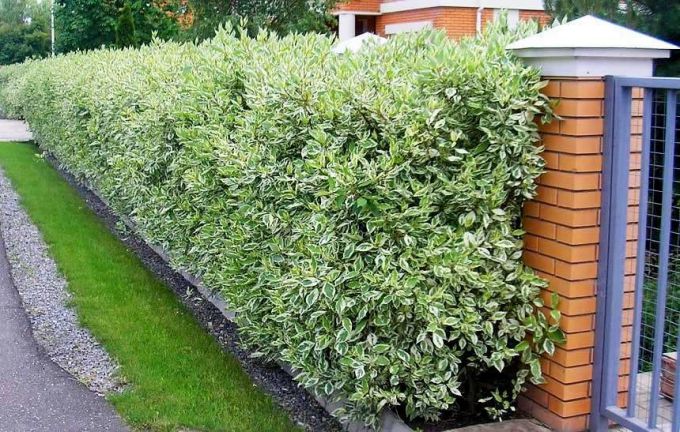
- Formation of a hedge
-
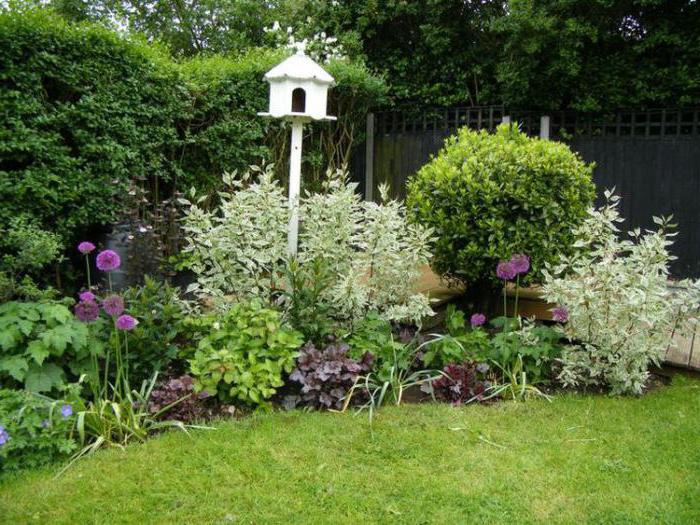
- Group planting
The best "neighbors" are considered to be barberry, weigela, juniper, thuja, and dwarf pine. It looks good in the company of other ornamental deciduous plants.
The Elegantissima white dogwood is an ideal solution for landscaping residential areas and beautifying city parks and squares. This easy-to-care-for plant impresses with its elegant appearance.