
25 of the most beautiful ornamental shrubs for your garden
Content
Types of ornamental shrubs
Among the abundance of greenery used to create a unique landscape, coniferous and deciduous shrubs are distinguished. Furthermore, flowering plants and frost-resistant ones—those capable of withstanding the low temperatures of the Moscow region—are also distinguished.
In recent years, shrubs trimmed into three-dimensional sculptures have become popular. Special types of plants are used for this purpose.
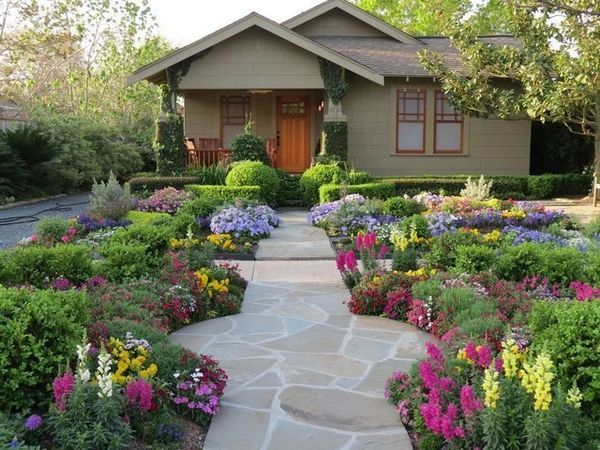
Ornamental plantings are:
- low-growing - they are used in the construction of alpine slides, highlighting flower beds;
- medium - they are used to zone a site and are used as a hedge;
- high - serve as wind protection.
All these shrubs have different characteristics. When using any of them, it's important to understand the intended purpose of the planting. Care must also be taken to create the necessary conditions for the plant's full growth and development.
Video: "Time to Plant Ornamental Shrubs"
In this video, an expert will explain how and when to plant ornamental shrubs.
Flowering ornamental shrubs
When landscaping their gardens, gardeners prefer flowering plants. This transforms the area during the flowering season. Some of these plants bear fruit, which is an added bonus.
Japonica
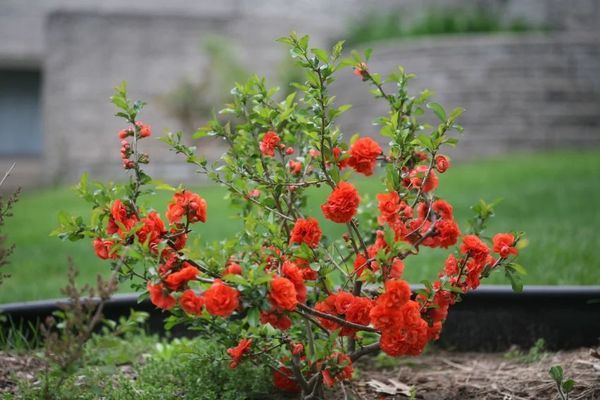
A deciduous shrub that produces edible quince fruits, which are smaller and firmer than common ones. It grows from 50 cm to 2 m in height and is prized primarily as an ornamental plant due to the vibrant color of its large flowers, which appear in May and come in shades of yellow, orange, or red. The crown of the shrub is covered with stiff, elongated, dark green leaves.
Japanese quince is drought-resistant, can bloom twice during the summer, and thrives in any soil, even highly acidic ones. For optimal growth and flowering, plant it in a sunny location. Furthermore, the plant easily tolerates Russian frosts.
Buddleja davidii
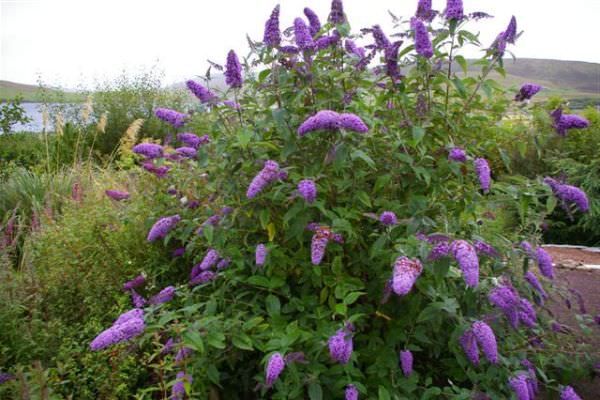
This plant resembles lilac, but blooms from mid-July to September. Its pink, lilac, and blue flowers have a sweet fragrance. It grows up to 3 meters tall, avoids windy areas, and prefers full sun. It looks beautiful planted alone in a pot or in a flowerbed alongside low-growing plants. When planted in a container with fertile soil, it will decorate a veranda or other area near the house, drawing attention to itself, especially during flowering.
Weigela
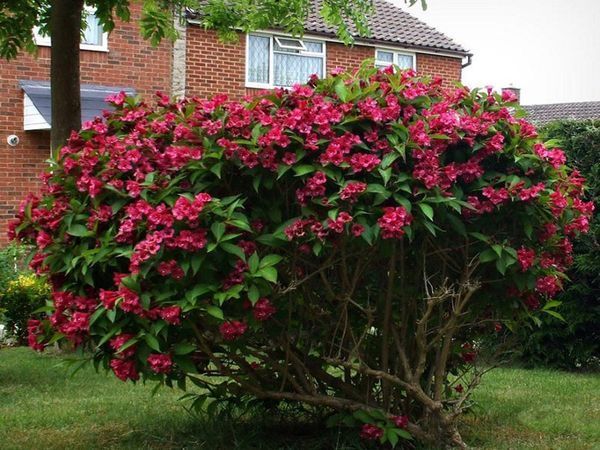
A frost-hardy ornamental plant that can tolerate wide temperature fluctuations. Unfussy about light and soil, it blooms in the second year after planting, in late spring. During flowering, it delights with the beauty of its bell-shaped pink flowers. Different Weigela varieties have foliage colors ranging from reddish-brown to golden.
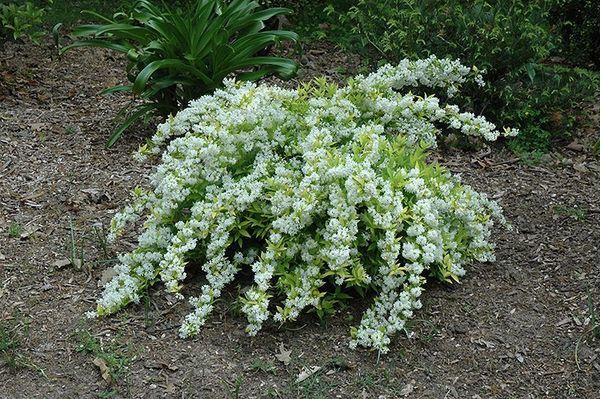
Deutzia
It differs from its relatives, hydrangeas and mock oranges, in its abundant flowering period—from 30 to 60 days. Partial shade and protection from strong winds are preferred. Its cluster-shaped inflorescences, soft pink and pure white, will adorn a Deutzia hedge, which can reach 4 meters in height. The flowering period begins in June.
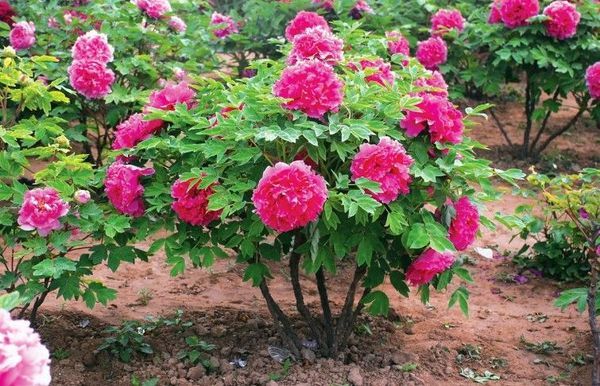
Tree peony
The shrub typically grows to a height of no more than 1 meter, with only a few cultivars reaching 1.5 meters. It blooms in May and June and has a wide variety of cultivars. In China, for example, some are protected by law. After flowering, it retains its ornamental value, thrives in full sun, and requires no special growing conditions other than occasional watering.
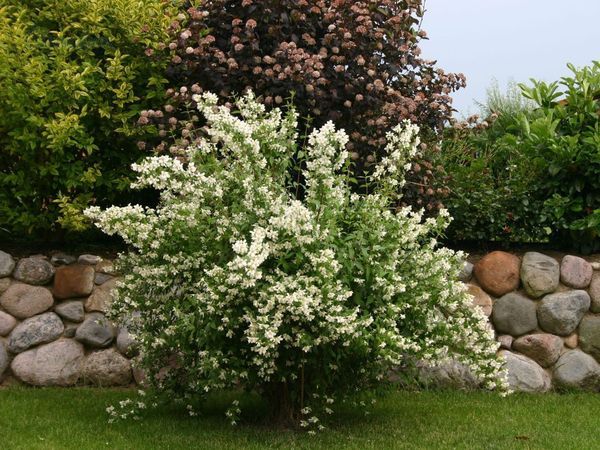
Jasmine
This shrub, also known as mock orange, is known for its fragrance. The numerous cultivars differ in size, color, and scent during flowering. The parent plant of all these varieties is white, frost- and disease-resistant, and thrives in both sun and shade. It is undemanding of soil but tolerates drought well, requiring regular watering.
Jasmine blends harmoniously into the landscape when planted in groups or individually. Depending on the mock orange variety, flowering time can vary from early May to autumn, lasting for a full month, after which pruning is required.
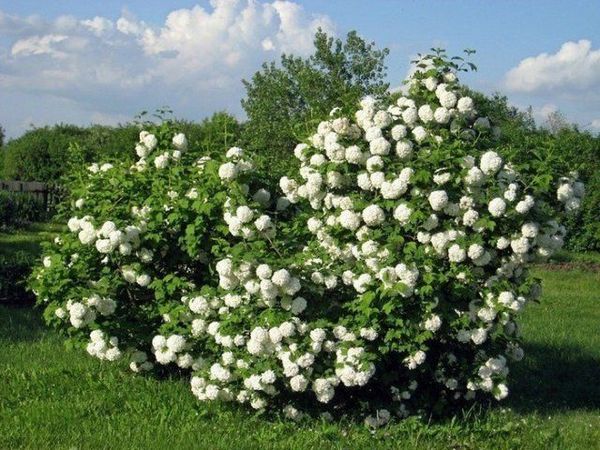
Viburnum
Known for its healthy fruits, this shrub blooms with large, white, spherical inflorescences in late spring, delighting the eye for 15-20 days. The plant's crown changes color throughout the summer, from dark green to golden or red.
The plant tolerates frost well, requires little watering, and maintains an attractive appearance all summer long. Fruits appear in the fall, which have found medicinal use and are used as a remedy for colds.
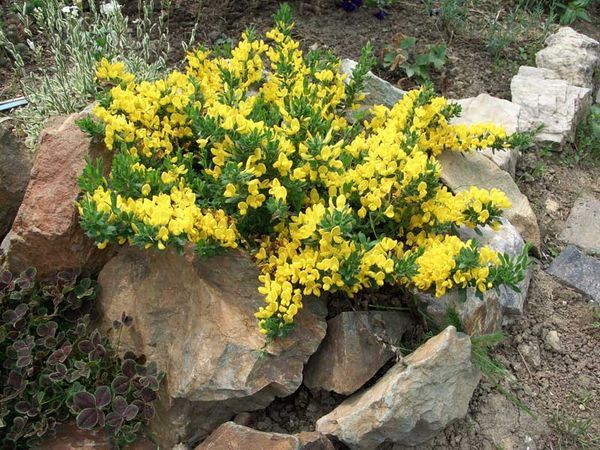
Broom
Its resistance to cold and drought makes it very popular. It blooms in spring for 25-30 days with numerous small, butterfly-shaped flowers. It thrives in poor soil.
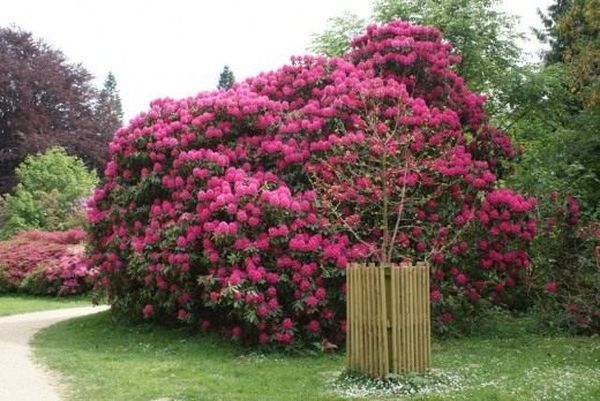
Rhododendron
A heat-loving ornamental plant, its distinctive feature is the large number of clusters of red, purple, lilac, and pink flowers. They bloom in April and May and continue to bloom throughout the month. It is used for ornamental purposes.
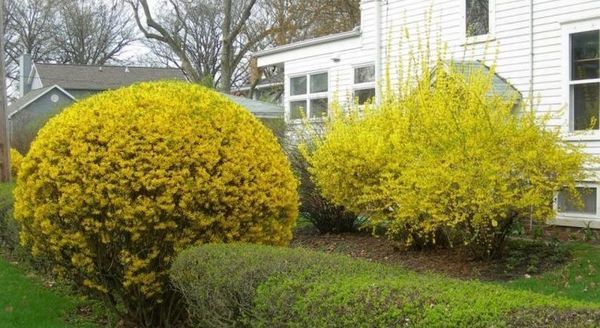
Forsythia
This plant begins blooming in early spring with yellow bell-shaped flowers. During the flowering period, the shrub's leaves do not yet have time to emerge; they begin to grow after the flowers have fallen. The flowering period lasts up to 20 days. This plant is considered a heat-loving variety that thrives in full sun and does not tolerate wet soil.
Forsythia doesn't tolerate cold winds and drafts well, but thrives in light, fertile soil. It's best to cover it for the winter to protect it from frost. Due to its medium size, it's often used as a hedge.
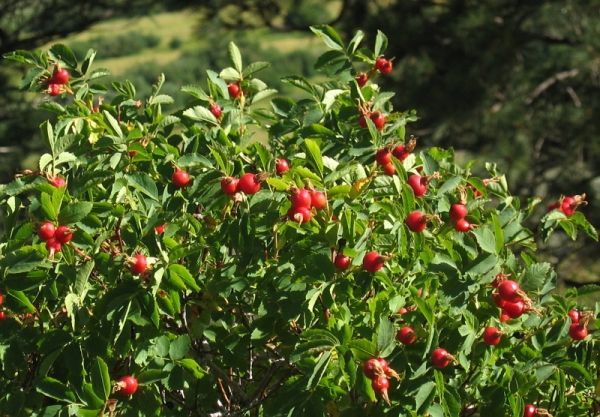
Rose hip
This perennial shrub boasts a wide variety of fragrant roses, varying in shape and color. They bloom throughout the summer, and in the fall, valuable fruits ripen for medicinal use. Considered a park rose, they reach a height of 2 meters.
The plant is undemanding in terms of growing conditions, with a dense crown of large leaves and thorns on its stems. This makes it a true protector for any garden plot, as it's impossible to pass through the bush without getting injured.
Ornamental foliage crops
Easy care and resistance to temperature fluctuations have made medium- and low-growing ornamental shrubs popular. Their attractive foliage remains attractive throughout the warm season and easily tolerates pruning, which helps shape their crowns.
Barberry
The dark red leaves, with their varying shades, distinguish this plant from others. This characteristic makes it ideal for ornamental purposes. Its ease of cultivation and resistance to drought and frost make it suitable for planting anywhere, regardless of light or wind conditions. Its thorny stems provide excellent protection from intruders. Pruning allows for the desired appearance. A wide variety of cultivars allows for plants of varying heights (0.5-1.5 m) and shades.
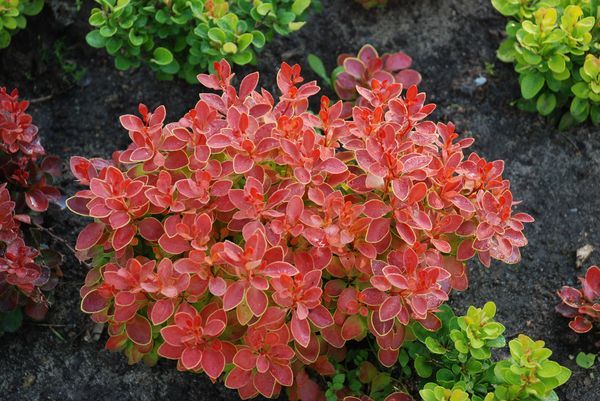
Euonymus
This shrub, with its ribbed stems and vibrant pink or orange flowers located near the fruit, is typically grown in central Russia. It's used to decorate rock gardens or planted in the center of other plants to add a touch of interest to the landscape. It requires little care and easily tolerates both heat and frost.
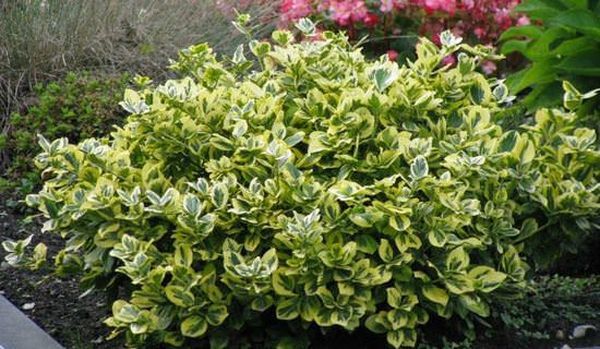
Derain
This wild plant is attractive at any time of year. In winter, when snow falls, the red shoots make the shrub stand out from other plants. It has a large number of varieties, with leaf colors ranging from pale green to red or brown. It thrives in any soil, is frost-resistant, and grows well in shade. These shrubs are very beautiful and occupy a large area, so they are planted only when there is ample space available.
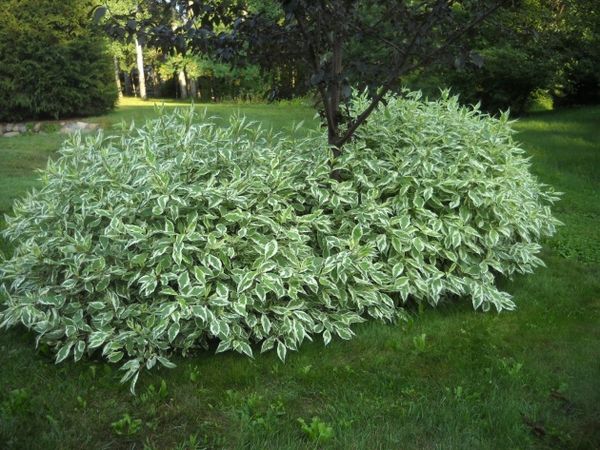
Red Japanese maple
This type of ornamental plant will add a vibrant touch to your property. The red crown of its maple leaves will look attractive throughout the warm season. Some varieties boast dark red, almost black, leaves. These shrubs prefer partial shade, require periodic watering, and make a beautiful statement among other greenery.
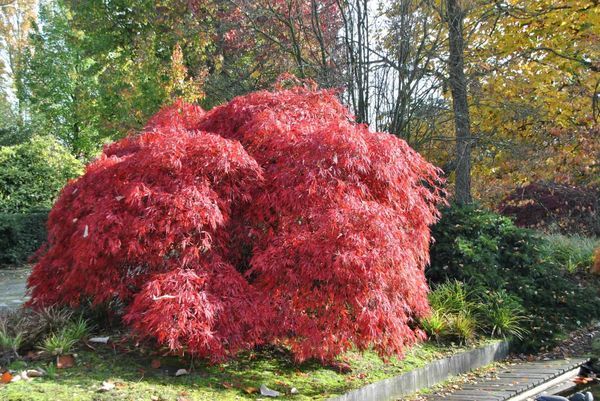
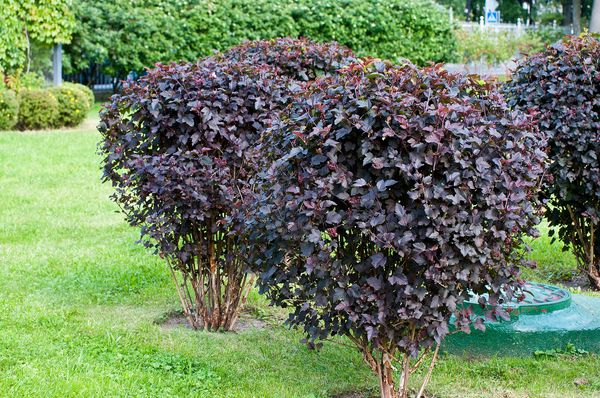
Physocarpus senna
This shrub makes a beautiful ornamental feature, thanks to its dense leaves in green, gold, or purple. The purple plant thrives in open ground, while other colored shrubs thrive in both sun and shade. It produces spectacular white blooms in the first half of summer, requires little care, and grows very quickly.
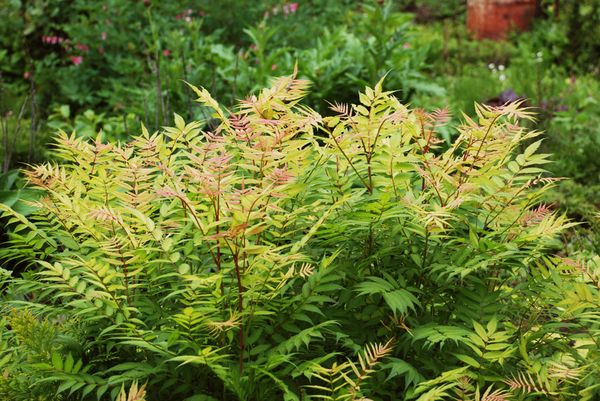
Rowan-leaved rowan
Depending on the variety, the plant can reach a height of 2 meters, with leaves resembling rowan ash, hence its name. It blooms in June for 20 days with white, racemose inflorescences. As autumn approaches, the color changes from green to golden.
Frost-resistant ornamental plants
The shrubs' resistance to Russia's winter temperature fluctuations allows them to be grown not only in the southern regions, but also in the middle latitudes and northern regions of the country.
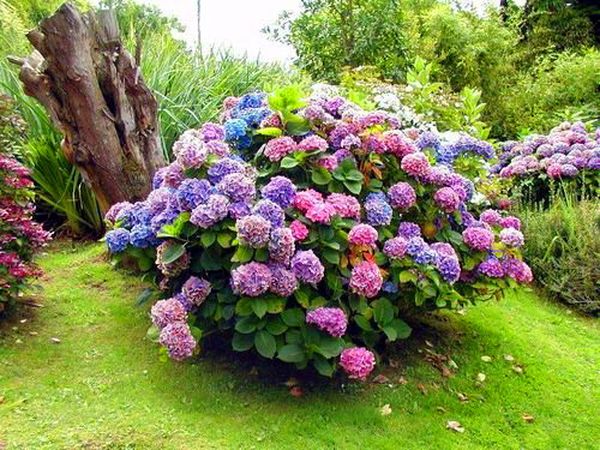
Hydrangea
When a plot is planted with tall trees and there are virtually no sunny spots, hydrangeas are often planted for landscaping. They don't require much sun, are winter-hardy, and their spherical bushes will delight their owners with their blooms. Depending on the variety, the flowers can have shades of blue, pink, or white.
Hydrangeas prefer acidic soil and require ample watering. Their adaptability to shade and long flowering period make them ideal for sites with many buildings and limited space.
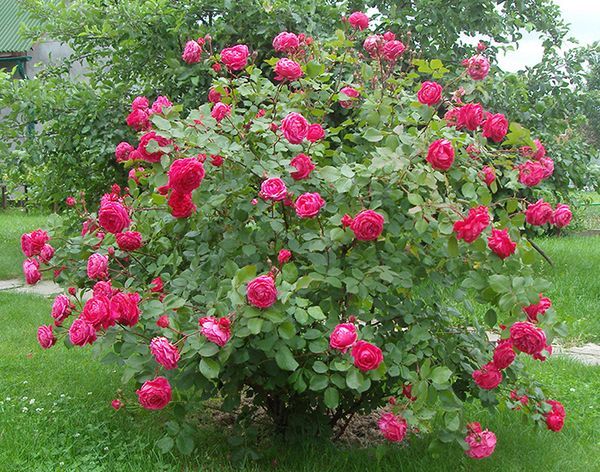
Canadian rose
The vibrant blooms occur in two stages: the first is intense, the second is less abundant. The beauty of these shrubs requires less attention than other rose varieties, thanks to their frost resistance and ability to withstand the scorching summer heat. They require no winter cover and are propagated by cuttings.
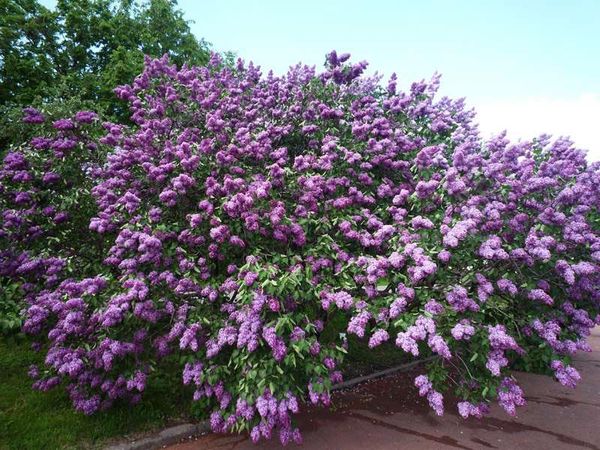
Lilac
This common ornamental plant has long been familiar to all Russians. Its white, pink, and lilac blooms cover garden plots throughout the country in May. The scent of its flowers can lift your spirits and add a positive touch to everyday life. It tolerates frost well and thrives in full sun.
The decorative appearance of the shrub is maintained by periodically cutting out the root shoots and rejuvenating the plant.
Spirea
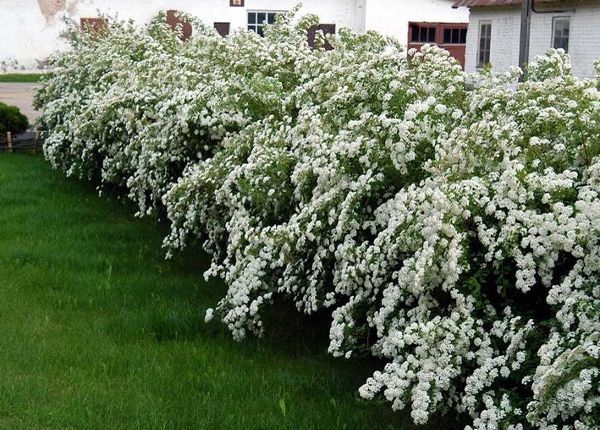
Due to its rapid growth, this shrub is often used as a hedge. The white or pink flower caps are a beautiful decoration during flowering. It thrives in sun or shade and is undemanding of soil conditions.
Coniferous shrubs for the garden
Many gardeners prefer ornamental conifers. This is due to their evergreen appearance and the exotic appeal of their diverse varieties.
Cypress
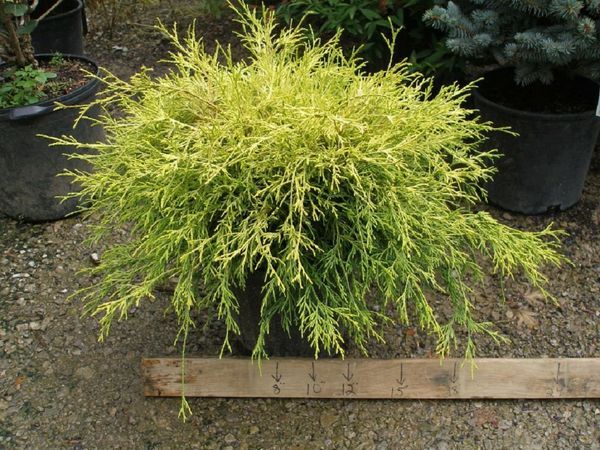
This plant has green, yellow- or blue-tinged coniferous branches that reach 80 cm in height. The variety differs in the shape of the shrub's crown, which can be conical or pyramidal. Young shoots emerge with small needles, and as they grow, they acquire a scaly texture.
Juniper
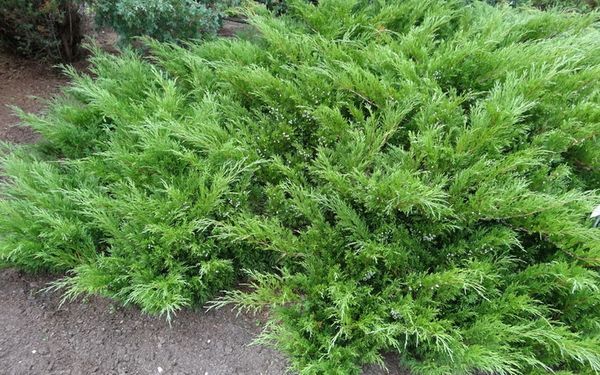
This plant is used in alpine gardens, where it blends well with other ornamental plants. It requires little care, tolerates frost and drought, and grows in any soil.
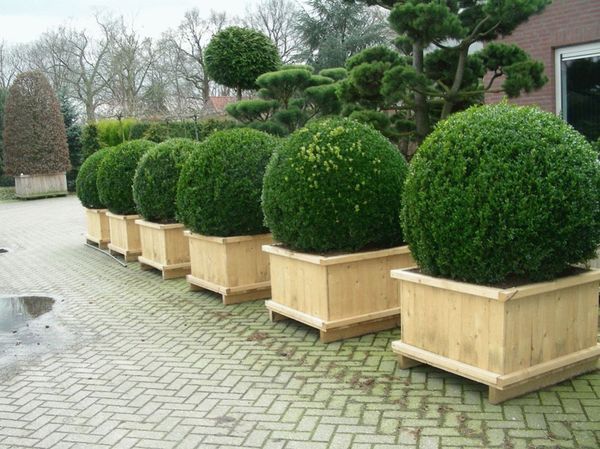
Boxwood
This particular shrub is ideal for creating "green sculptures," making it a popular choice for landscaping in gardens. Boxwood prefers well-lit areas and requires regular watering. Its bright green foliage retains its decorative qualities year-round.
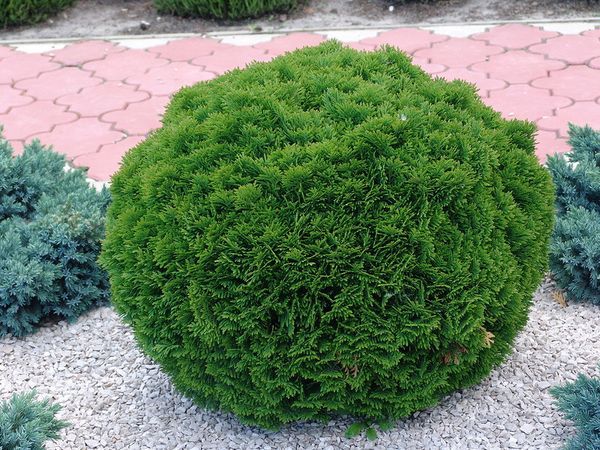
Thuja
The variety of this coniferous plant's cultivars allows you to choose from dwarf to tall varieties, depending on your landscaping needs. Its pyramidal crown is easily shaped to create the desired lines for a harmonious landscape. While western varieties of thuja were once popular, eastern varieties have gained increasing popularity in recent years; they love the sun and are tolerant of soil conditions.
Tips for choosing and planting shrubs
When landscaping a garden, it's appropriate to use solitary plantings to highlight the center of a flowerbed or seating area. Hawthorn, viburnum, barberry, or spirea are all suitable solitary plants.
When planting in groups, use either one or several shrubs. A group of weigela, spirea, and kerria will look beautiful. A combination of rhododendron and hydrangea will also impress garden visitors. For added variety, place ornamental trees near the plants.
-
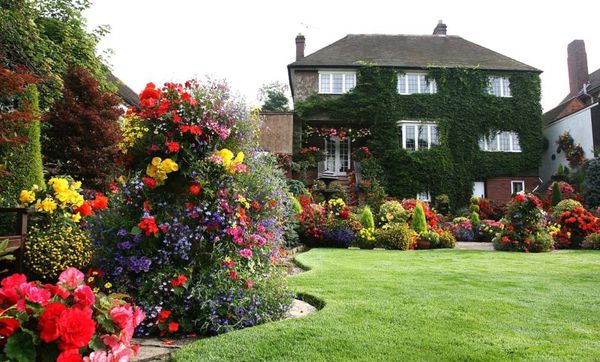
- Ornamental shrubs decorate the yard
-
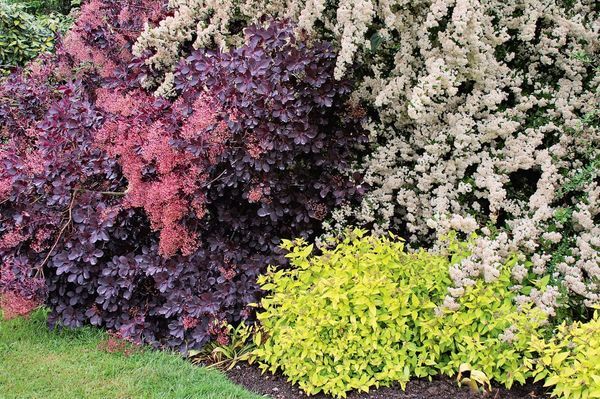
- A hedge is planted around the perimeter of the site
-
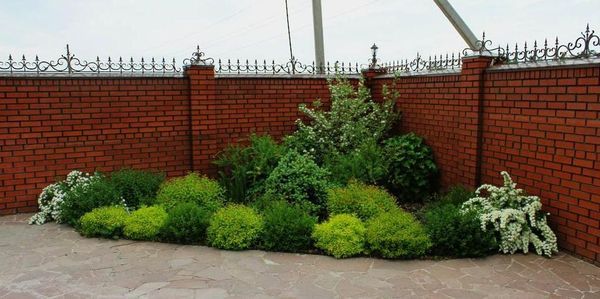
- Favorable conditions are necessary for growing shrubs.
-
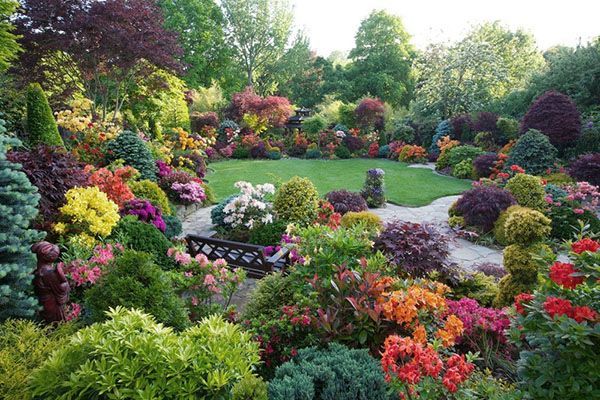
- When planting in groups, one or several bushes are used.
-
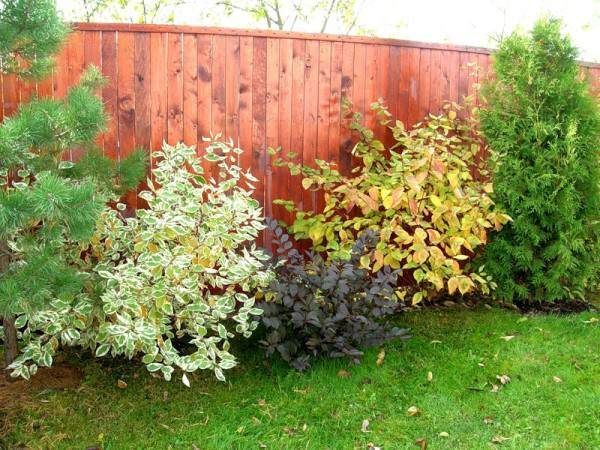
- The use of green spaces beautifies the garden area
-
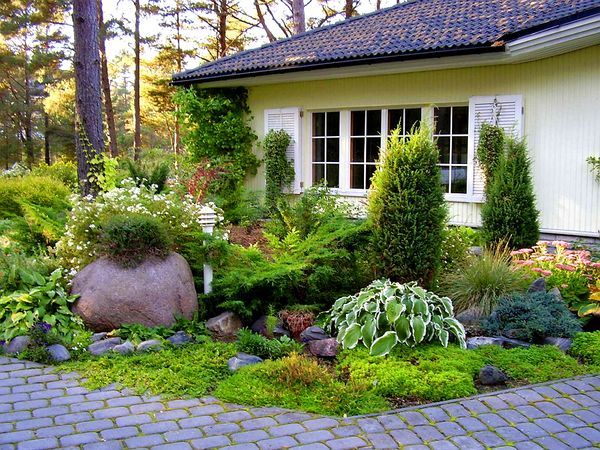
- Ornamental shrubs are planted as hedges.
A hedge is planted around the perimeter of the property. Large areas are ideal for planting mock orange, hawthorn, or lilac. Smaller areas are fenced with snowberry, barberry, or spirea. Smaller plants are used to delineate paths. It's important to remember to provide the plants with light, as most ornamental plants thrive in full sun.
When purchasing shrubs for planting, remember to create favorable growing conditions. The local climate should also be taken into account. Buying southern varieties for mid-latitude or northern regions will not yield any results.