
Decorating an Autumn Garden, or the Subtleties of Growing Japanese Anemone
Content
Characteristic features of Japanese anemone
Japanese anemone (Anemone japonica), or Hubei anemone (Anemone hupehensis), is a late-flowering autumn perennial in the Ranunculaceae family. This herbaceous plant is native to Japan, China, and East Asia.
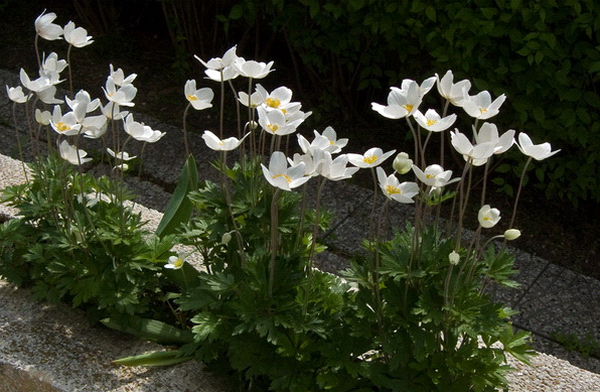
Anemone flowers are often called windflowers. The delicate and fragile-looking flower responds to the slightest breeze. Japanese anemone is a herbaceous perennial growing up to 1.5 meters tall. Its long, sturdy, dark green stems can grow without additional support. The plant is characterized by a strong, well-developed creeping rhizome. Buds located on lateral root shoots produce numerous offspring. The plant is prone to profuse growth.
The leaves are dark green, large, multi-lobed, and serrated. Flowering occurs in late summer and early fall. The perennial flowers are predominantly single. Semi-double specimens are rare. The maximum diameter of an open bud is 8 cm. The petals are a soft pastel. The overwhelming majority of this perennial's flowers are white, white-pink, light and dark pink, deep burgundy, and soft purple.
Interesting varieties of Japanese anemone with photos
The plant's description lists several dozen varieties. But only a few are used in home gardening. Thus, the varieties September Charm, Pamina, Pretty Lady Emily and others have become widespread.
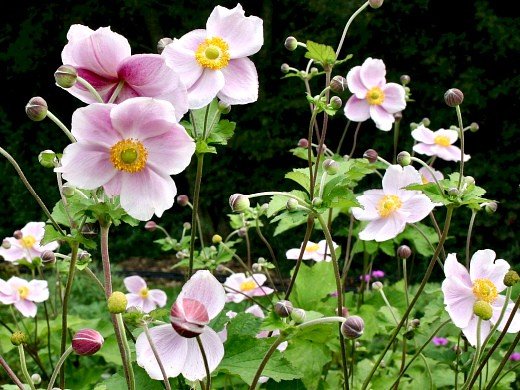
However, the most popular and frequently used in landscape design are the varieties described below.
Crispa
A perennial that blooms vigorously in partial shade. Its distinctive feature is its corrugated, light-colored leaves. Crispa's flower has a simple shape. The petals are a soft pink with a pearly sheen.
Honorine Jobert
Another name for this variety is Honorine Jobert. This herbaceous perennial grows to an average height of 80 cm. It has large, serrated leaf blades. The leaves are gray-green in color. The petals are a snow-white hue, and the stamens are a distinctive bright yellow.
Pretty Lady Julia
The recently bred variety "Pretty Lady Julia" attracts attention with its semi-double flowers in raspberry or bright pink. The yellow stamens stand out beautifully against this rich petal hue. This perennial reaches a maximum height of 60 cm.
Tomentosa robustissima (Tomentosa robustissima)
A felt anemone with pubescence on the underside of its leaf blade. This variety is characterized by single, bright pink flowers. The distinctive features of the robustissima anemone are its small flowers and long, slender stems (approximately 120 cm).
Whirlwind
A medium-sized perennial with snow-white semi-double buds. Flowers form in clusters of 10–15.
-
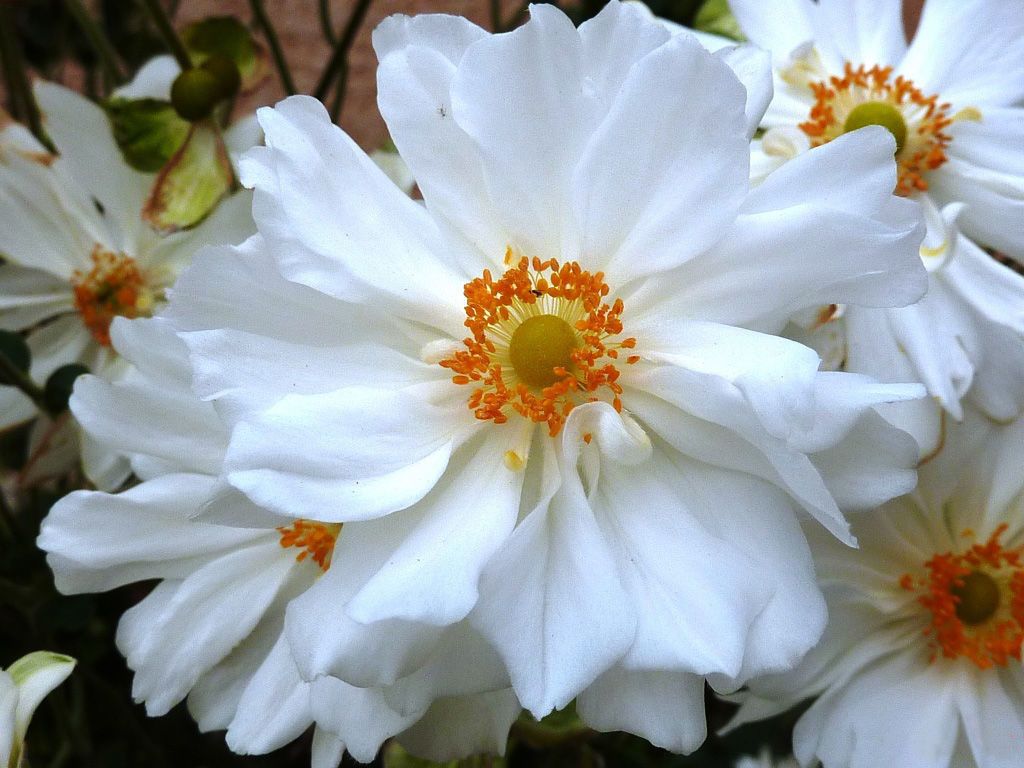
- Whirlwind
-
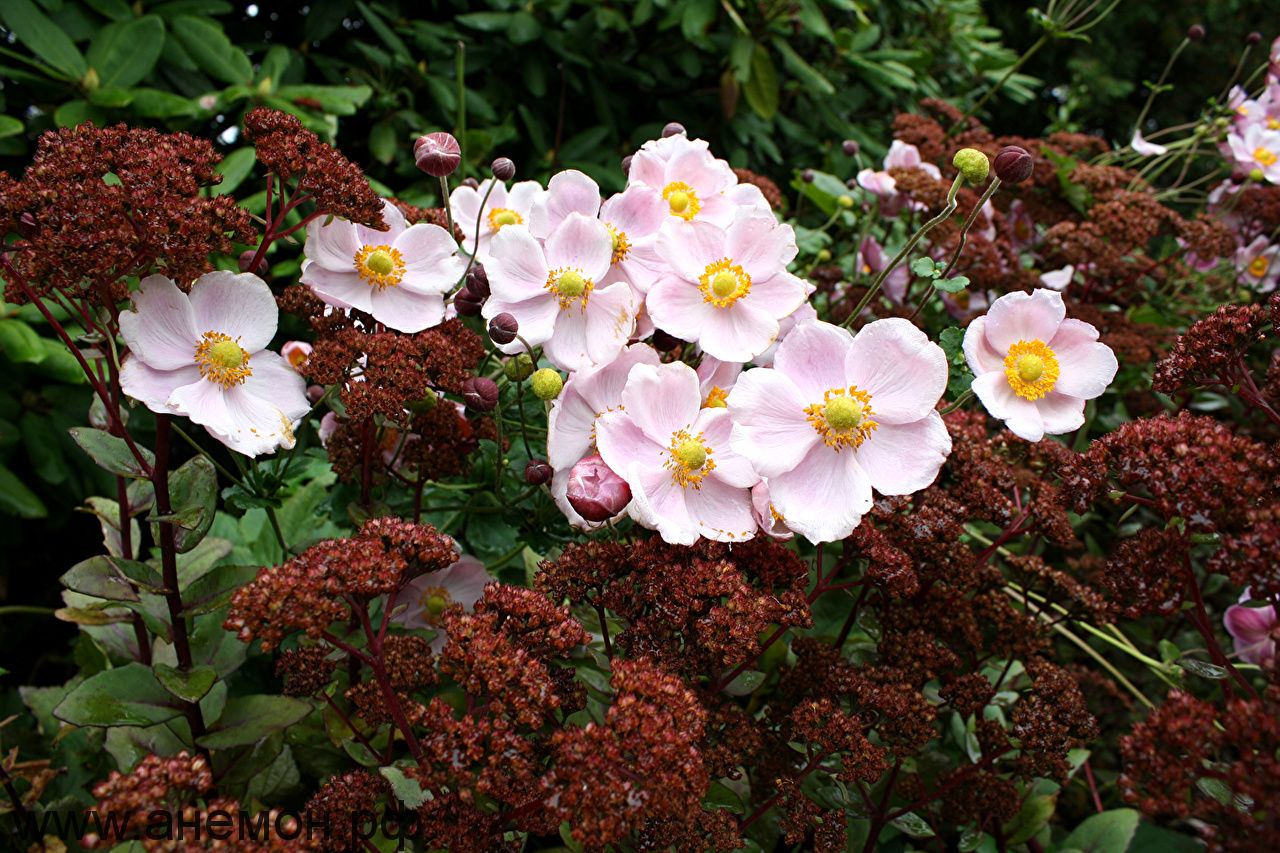
- Robustissima
-
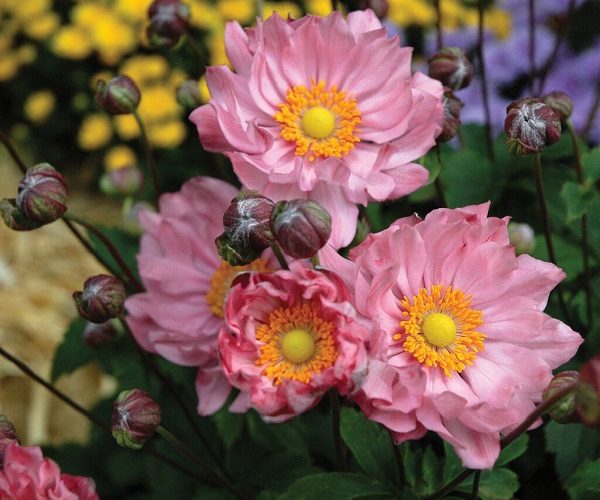
- Pretty Lady Julia
-
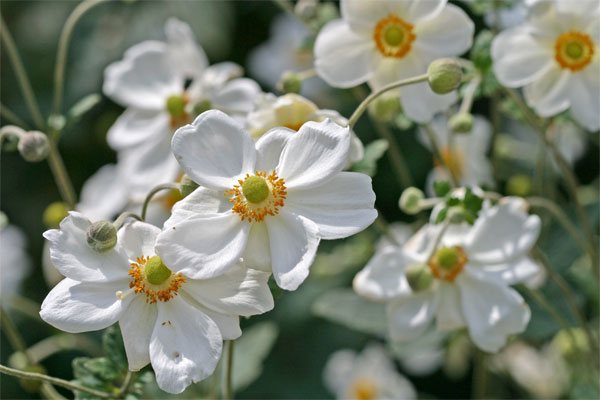
- Honorine Jobert
-
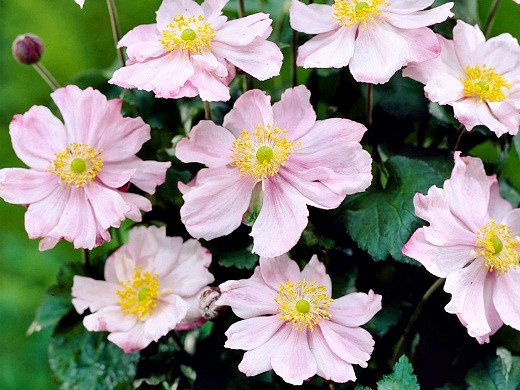
- Crispa
Video: "Choosing and Planting Anemone Flowerbeds"
This video explains the specifics of planting garden flowers.
Growing anemone in the garden
Growing Japanese anemone requires certain knowledge and skills. Following basic planting rules and care recommendations will help prevent the death of this fragile perennial.
Preparing a landing site
The tall Japanese anemone dislikes wind and drafts. Despite its resilient stems, the flower can break under gusty winds. For this reason, it's best to grow this herbaceous plant near a fence, house, or outbuildings.
Direct sunlight can burn the leaves. Anemone is best planted in partial shade. The plant prefers fertile, loose soil with a neutral to slightly acidic pH.
Planting rules and propagation methods
Regardless of the growing region, it's best to plant Japanese anemone outdoors in the spring. Before planting, clear the area of vegetation, dig it over, and enrich it with nutrients. Peat, wood ash, and other organic matter are used as pre-planting fertilizer. Fresh manure is an exception.
Plant the seedlings 4–5 cm deep. Gently compact the beds/holes with soil and water generously. Once the water has been absorbed, mulch the plantings with thin agrofibre.
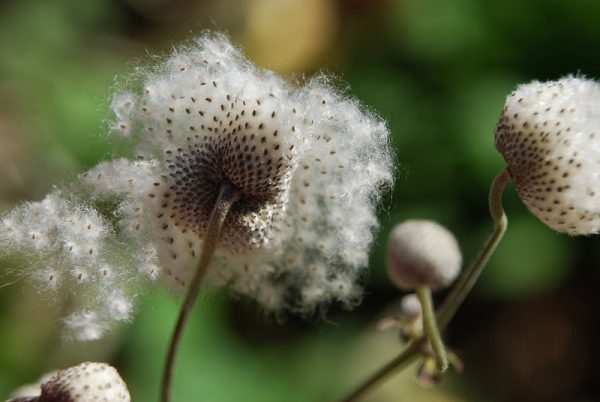
The perennial can be propagated by seed or by dividing the rhizome. Since the plant's root system takes about a year to recover, this procedure is performed once every five years.
Flower care
Anemone is an easy-to-care-for garden plant. It requires moderate watering. In spring, this perennial should be watered every 7 days, and in summer, every 4 days. The frequency of watering depends on the amount of rainfall. If there is plenty of rain, the anemone may not require watering at all.
Unlike other varieties of the buttercup family, the Japanese anemone's root system is located in the upper soil layers. Loosening the soil damages the perennial's rhizome.
To prevent the growth of weeds and maintain optimal moisture levels in the soil, the plant can be mulched with hay, straw or peat.
Fertilizers added to the soil will help boost the flower's vitality and improve its decorative qualities. In spring, as soon as the first leaves appear above the ground, mulch the area with dry cow manure. When the first buds are forming, feed the plant with complex mineral fertilizers. After flowering, sprinkle the anemone bushes with wood ash.
Shelter for the winter
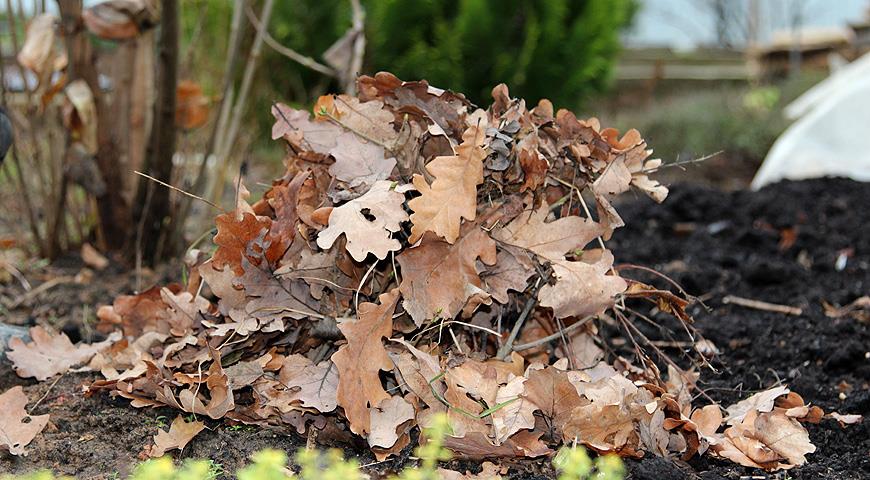
Preparing for winter depends on the growing region. In southern regions, overgrown perennials are pruned after flowering and mulched with well-rotted compost or manure. The covering layer should be no more than 10 cm high.
Anemones growing in northern and central regions are not pruned. Drooping and dried foliage acts as additional insulation. A layer of hay, straw, peat, spruce branches, or pine needles is placed on top of the anemone bushes. The average height of the cover is 15–20 cm.
Pests and diseases of perennials
Caterpillars and slugs are considered dangerous pests of garden flowers. The most effective method of controlling these pests is manual removal. To prevent active reproduction of insects, periodically inspect the plant for signs of pest presence.
Japanese anemone is disease-resistant but can be attacked by nematodes. Planting it alongside dwarf varieties of marigolds, creeping nasturtiums, and calendulas can help prevent these unwanted guests. Experienced gardeners recommend using Fitoverm and Nematophagin BT in case of widespread infestation.
Using Japanese anemone in garden design
Delicate yet striking, autumn anemone is often used in landscape design. Low-growing varieties are typically planted in large masses, creating mixed borders of various styles, along garden paths, and along fences. This beautifully flowering perennial adds a special charm to artificial and natural ponds.
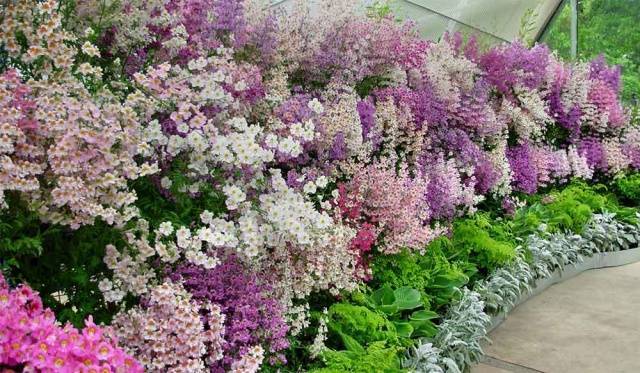
This delicate flower looks stunning both in a single planting and in a group arrangement. It's important to consider the surroundings, as not all plants pair perfectly. For example, Japanese anemone looks harmonious with ferns, conifers, hostas, everbearing roses, asters, chrysanthemums, gladioli, delphiniums, and verbena. Tall varieties can be combined with maple, barberry, and viburnum.
Increasingly, beautifully flowering "carpets" are being seen in private gardens. These are Japanese anemones. This easy-to-care-for plant is often used to conceal any imperfections in the soil near garden pavilions and various outbuildings.