
Foliar feeding of tomatoes: proven methods
Content
Why feed?
Proper cultivation is only possible with proper fertilization. Tomatoes are very sensitive to environmental conditions and are extremely demanding of fertilizers. The most essential nutrients for tomatoes, like other plants, are nitrogen, phosphorus, and potassium. When applying fertilizer, it's important to keep in mind that tomatoes actively "draw" nutrients from the soil. Therefore, it's important to repeat the application periodically.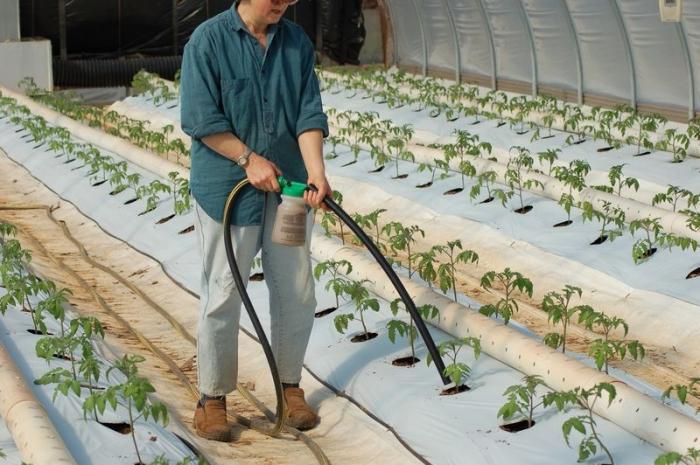
There are two methods of applying fertilizer: root and foliar. In the first method, the fertilizer is delivered directly to the root system and absorbed as a solution. This type of nutrient application is the primary method, as this is how plants typically receive the bulk of their nutrients. The roots gradually absorb the necessary nutrients, simplifying the fertilization process.
This classic method involves watering the tomato plants at the roots with a special solution. The fertilizing procedure can vary significantly. For example, it's acceptable to water the crop with commercially available fertilizers, such as chicken manure or cow dung. The main thing is to strictly follow the recommended dosages. Excessive amounts can burn the soil and plants.
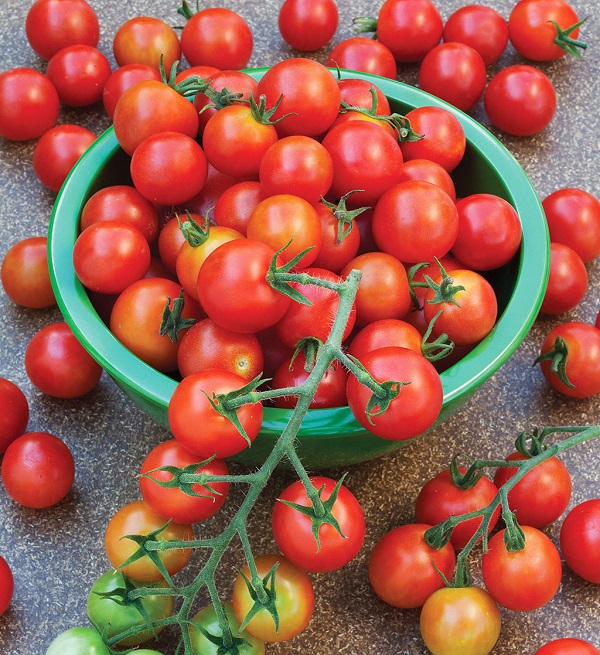
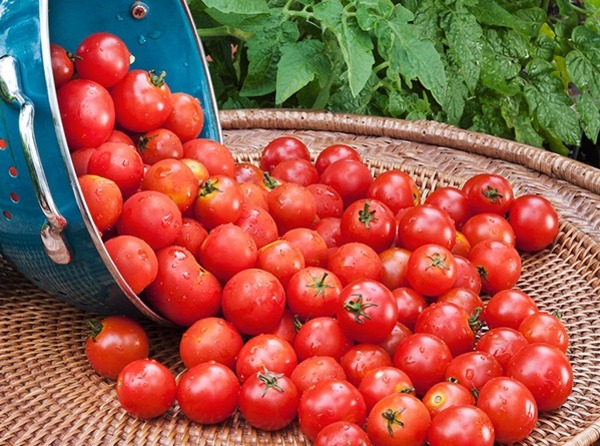
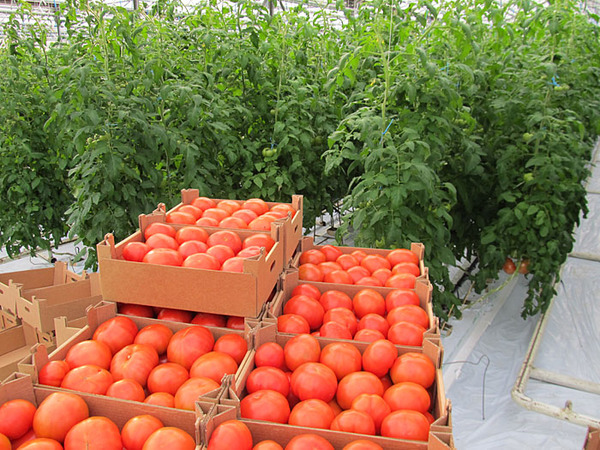
Foliar feeding is quite common due to its numerous advantages. With this method of feeding, nutrients quickly penetrate the plant's organs and produce the desired effect. This type of application is considered rapid. After all, the applied substances not only produce the expected result but also quickly cease to have any effect. Foliar application is typically used to achieve results in the shortest possible time. For example, a visual inspection of a private plot revealed that the crops were experiencing a nitrogen deficiency. In this case, it was necessary to immediately feed the plants with urea.
Foliar feeding of tomatoes requires special attention to the concentration of applied nutrients. It should not exceed 1%.
Before planting vegetable seedlings in their permanent location, the soil should be fertilized in advance. This is the first step. Typically, a bucket of compost and rotted sawdust, as well as a cup of wood ash, is added per unit area.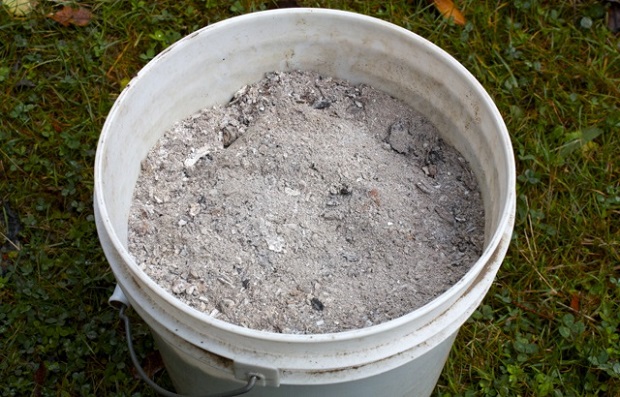
Fertilizer application schedules directly depend on tomato growing conditions. However, the main principles remain consistent. Your gardening experience will help determine the most accurate fertilizing schedule. For example, a visual inspection of the beds can help determine which mineral your plants are lacking.
A plant experiencing a nitrogen deficiency has yellowed leaves. These plants appear stunted and visibly wither. The lower leaves, which contain the least nitrogen, are the first to fall. However, it's important to keep in mind that nitrogen deficiency symptoms often resemble those of overwatering or a reaction to cold temperatures.
A phosphorus deficiency causes the plant to change its usual color to purple. This symptom may also indicate insufficient root development. In this case, a fertilization program is needed. If only the stem and lower leaves have changed color, and the plant hasn't stopped growing, fertilizing can be postponed.
If a plant lacks potassium, it produces very few flowers and ovaries. It's best to avoid this by fertilizing the bushes with potassium nitrate in advance. However, in general, tomatoes rarely suffer from a deficiency of this micronutrient.
Quite rarely, the vegetable suffers from a calcium deficiency. The main symptom of this condition is blossom-end rot. Greenhouse-grown plants are usually susceptible to this problem.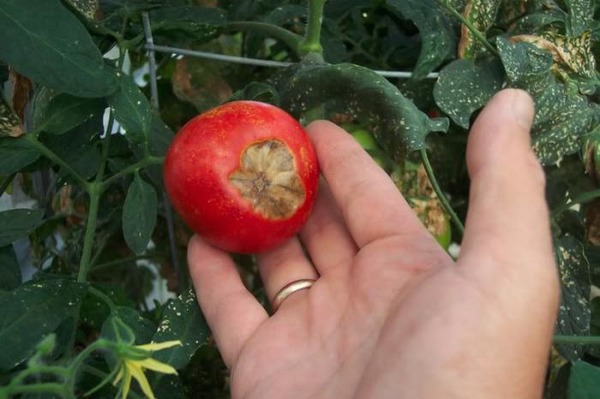
Although some sources mention a lack of copper, zinc, and other elements, supplementation is not necessary. Tomatoes do not suffer from these deficiencies.
When performing this procedure, avoid overdosing on fertilizer. Excessive use of fertilizers negatively impacts both the plant and the entire agricultural system. For example, too much nitrogen causes the accumulation of nitrates in the fruit, which are hazardous to humans. Consuming such fruit is prohibited.
This means that tomato plants should be fertilized frequently, but with the correct mineral dosages applied. If the plant's green mass is overgrown, growing, or the leaves and stems are thickening, fertilization should be discontinued.
Video "How to feed"
This video will show you how and what to use to feed tomatoes using foliar feeding.
Fertilizing in a greenhouse
As mentioned earlier, nutrient application regimens are highly dependent on the growing conditions of the vegetable. Therefore, the fertilizing schedule in a greenhouse will differ significantly from that of plants grown in unprotected soil.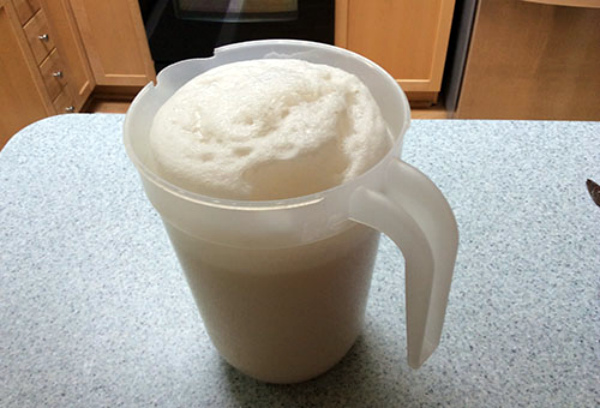
Greenhouse crops are fertilized frequently and generously. Under these conditions, tomatoes grow vigorously and produce maximum fruit.
The first time nutrients are added is two weeks after planting tomatoes in the ground. At this time, nitrogen should be added. Urea is the best choice. Dissolve a spoonful of the substance in a bucket of water and water each tomato plant with a couple of liters.
A second fertilization is performed a week after the first. Again, the emphasis is on nitrogen. However, it's better to use a chicken manure solution instead of urea. Mix it with water at a rate of half a liter of fertilizer per bucket of water. Use up to one and a half liters of solution per bird.
The third application coincides with the flowering period. At this time, it's worth fertilizing the bushes with potassium fertilizer. Wood ash is excellent for this purpose. You can dig a hole along the bed, place the ash in it, and cover it with soil. Afterwards, the "structure" should be thoroughly moistened.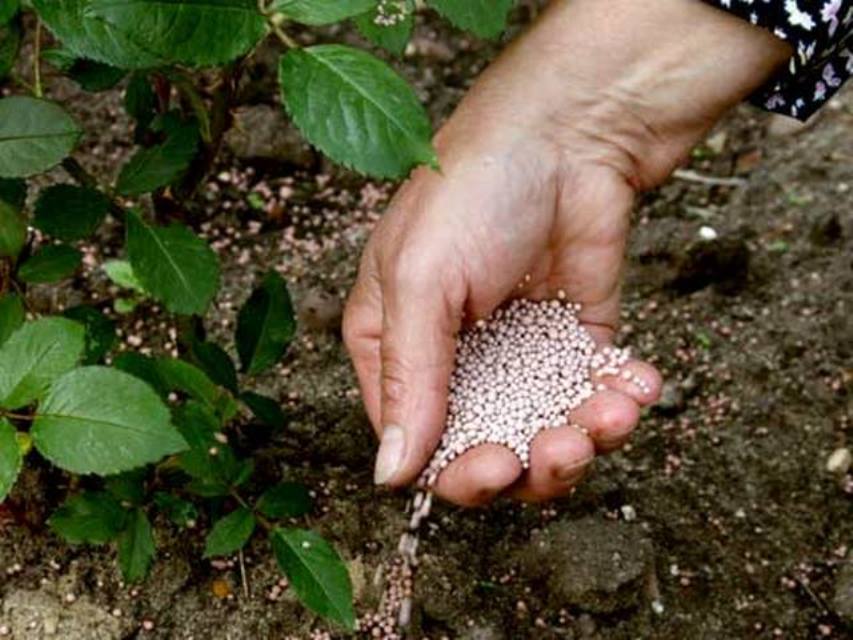
Potassium guamate is applied for the fourth time. During this period, the third and fourth clusters bloom. A spoonful of fertilizer is diluted in a bucket of water and watered under each bush at a rate of half a bucket per unit area.
Foliar fertilization is applied for the fifth time. This usually occurs during fruit ripening. This application will speed up the ripening process. Superphosphate is typically applied. A couple of tablespoons of the substance are diluted in 2 liters of water and left for 24 hours. The solution is then mixed with 9 liters of water. The resulting mixture is sprayed onto the plant's organs.
Fertilizing in open ground
For tomatoes growing in unprotected soil, it is enough to carry out only 4 fertilizing sessions, each with its own specifics.
The first is carried out immediately after planting in unprotected soil. In this case, nitrogen fertilizers are applied. The timing of this procedure is usually determined based on the condition of the young plants and the conditions provided for their growth. After four days, it is advisable to moisten each bush with a urea solution. To do this, simply dilute a spoonful of the solution in a bucket of water and water the plants at the roots. If the seedlings are in excellent condition, fertilizing them immediately after transplanting is not recommended. This is because under such conditions, the foliage will grow even more vigorously, and few ovaries will form. As a result, the tomato plants will simply become overweight.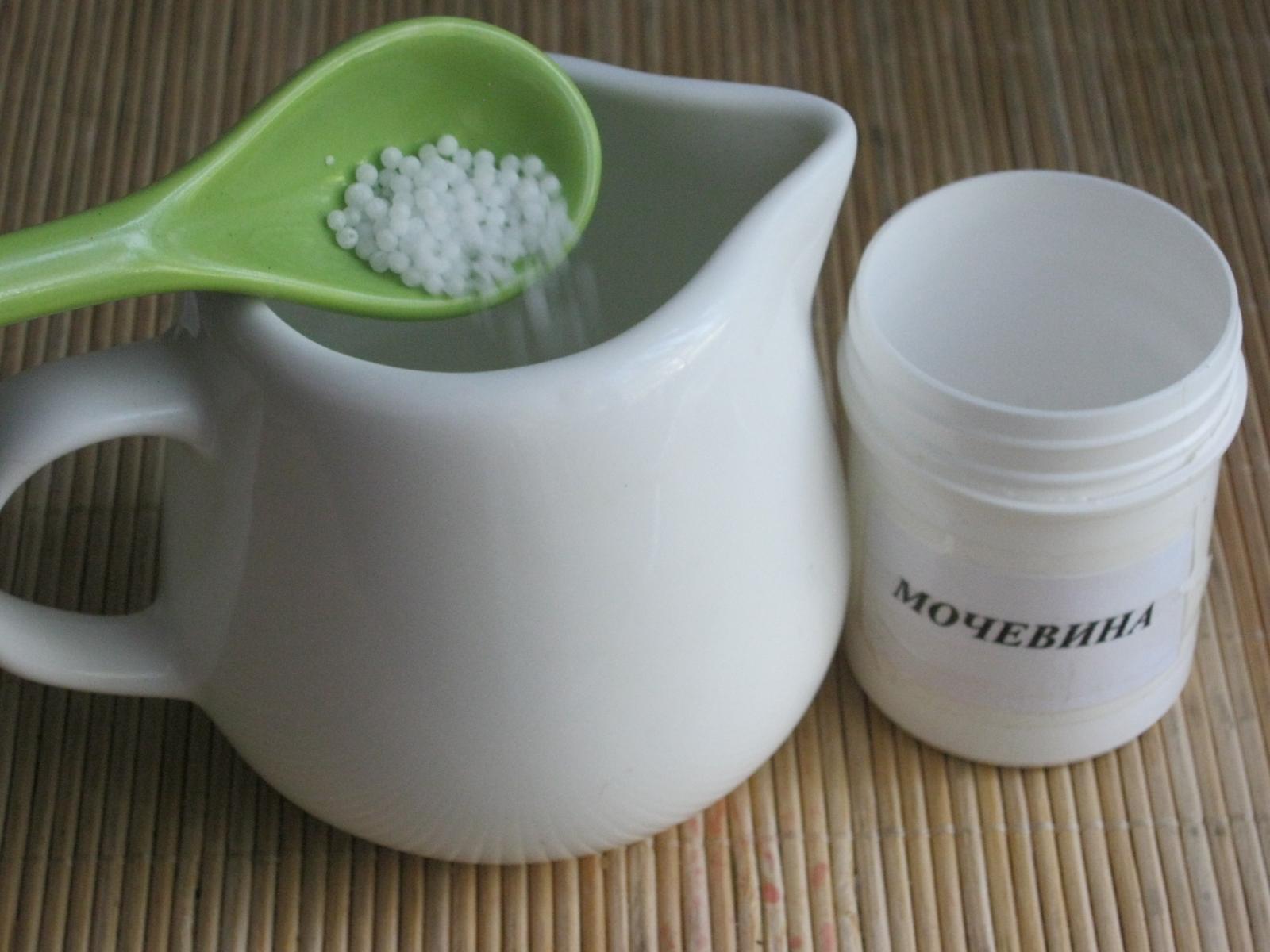
Three weeks after transplanting the vegetable sprouts to their permanent location, feed them with mullein and a solution of bird droppings. To do this, dilute half a liter of the mixture in a bucket of water.
Tomatoes are re-fertilized at the beginning of flowering. Wood ash is added at this time.
The third time, feed the birds with liquid chicken manure. It's a good idea to add a spoonful of nitrophosphate to the mixture.
The final fertilizer application is made a few weeks after the third feeding. The fertilizer consists of a spoonful of superphosphate dissolved in a bucket of water. A bucket of solution is recommended per unit area.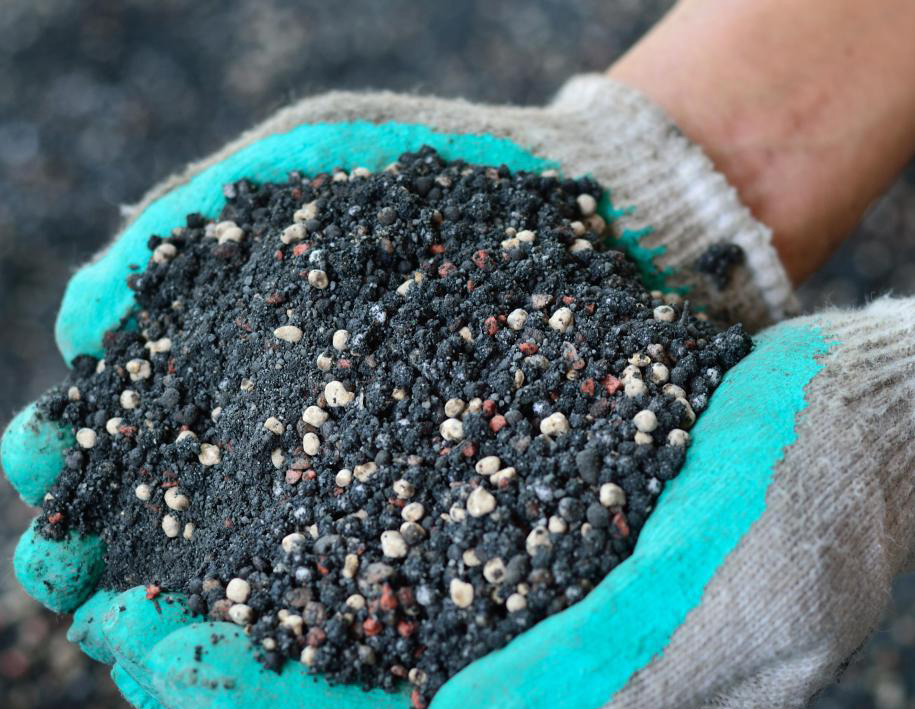
So, tomato fertilizing is crucial for proper plant care. Nutrients can be applied in two ways: root and foliar. The latter is quite popular among gardeners. A bountiful tomato harvest can only be achieved by following the correct schedule, regimen, type, and amount of fertilizing. An overdose of any mineral can be detrimental to the plant. Therefore, it's important to carefully select the fertilizer and calculate the appropriate amount.
Video "Root Feeding"
This video will show you how to feed tomatoes using the root method.